
Blogs Where Nature Meets Science & Coatings
"If All the Greedy People that Pollute can get Together & Show Strength in Unity – then Honest, Environmentalists Must Do the Same. You See – It’s as Simple As That.” George C. Keefe - ENCASEMENT Guy
Blogs Where Nature Meets Science & Coatings
"If All the Greedy People that Pollute can get Together & Show Strength in Unity – then Honest, Environmentalists Must Do the Same. You See – It’s as Simple As That.” George C. Keefe - ENCASEMENT Guy
Tuesday, March 12, 2024
Listen and Learn: Dive into the Audio Version of Our Blog
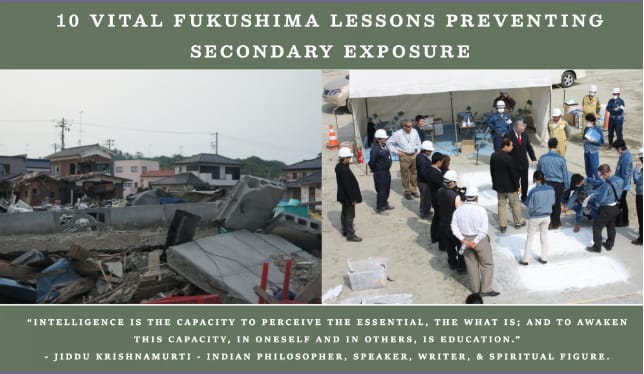
Disasters like Fukushima leave behind a toxic legacy that threatens both human health and the environment.
The disaster at Fukushima was unlike any other event we had ever faced.
It was an unfortunate combination of an earthquake causing a tsunami that struck the Daichi nuclear power plant that led to a meltdown.
So, this was both a natural and man-made disaster, creating huge amounts of contaminated debris not just from the tsunami but also radioactive debris from the meltdown.
The aftermath, laden with hazardous waste, demanded proactive measures to prevent secondary exposure.
In this episode I bring to light 10 reasons why using the right green coatings for control and management of disaster debris is paramount to helping minimize and prevent secondary exposure which comes after any initial disaster.
1. Hazardous Debris Management:
Disasters generate massive amounts of hazardous waste containing everything from heavy metals, asbestos, and other toxic substances. Effective management is crucial to prevent secondary exposure to workers and communities.
2. Air and Water Contamination:
Untreated contaminated debris can easily become airborne, through simple air currents, polluting air, water sources and entire neighborhoods. The right green coatings offer a lock-down barrier, managing hazards in-place, preventing the release of harmful particles and safeguarding the environment.
3. Groundwater Protection:
Proper containment with the right green coatings helps prevent groundwater contamination. By encasing toxic debris, these coatings minimize the risk of pollutants traveling and seeping into the soil and waterways.
4. Cost and Risk Reduction:
Proactively managing hazardous waste on-site reduces costs, risks to workers, and environmental impacts. The right green coatings provide a cost-effective solution by containing contaminants until safe removal and disposal can occur.
5. Community Benefits:
Standardized measures for debris control benefit local communities. Implementing green coatings as a containment method ensures the safety of neighborhoods during cleanup and disposal operations.
6. Regulatory Infrastructure:
Lack of regulatory infrastructure intensifies waste management challenges. Preemptive legislation and international collaboration are needed to facilitate effective disaster response and waste management.
7. Complex Project Management:
Modern approaches utilizing advanced knowledge management, monitoring and tools are essential for managing multidisciplinary projects effectively. Investing in these tools can streamline disaster recovery efforts and minimize environmental risks.
8. Communication and Education:
Informed decision-making is crucial to prevent knee-jerk reactions that may compromise safety. Educating policymakers and the public about the importance of preventing secondary exposure is essential for effective disaster preparedness.
9. Lessons from History:
Learning from past disasters like Fukushima is imperative to mitigate the consequences of future catastrophes. Failure to implement preventive measures can lead to prolonged secondary exposure and significant public health hazards.
10. Long-term Protection:
Green coatings offer long-lasting protection against secondary exposure. Their effectiveness in sealing hazardous materials ensures the safety of cleanup workers and prevents contamination of surrounding areas.
To Sum It Up
Preventing secondary exposure is paramount in disaster management.
Utilizing green coatings not only mitigates environmental risks but also safeguards human health and ensures a sustainable future.
By learning from past experiences and adopting proactive measures, we can build resilience against the devastating after effects of disasters.
In the aftermath of disasters like Fukushima, preventing secondary exposure is vital to protect human health and the environment.
The right green coatings offer a sustainable solution for containing hazardous waste and minimizing risks to cleanup workers and communities.
Let's work together to build a safer future.
“Intelligence is the capacity to perceive the essential, the what is; and to awaken this capacity, in oneself and in others, is education.” - Jiddu Krishnamurti - Indian Philosopher, Speaker, Writer, & Spiritual Figure.
What are your questions?
We are always here to help and excited to answer them.
Contact us at +1 (800) 266-3982 , or send us an email at service@encasement.com and leave a comment below.
See other posts like this one:

Tuesday, September 05, 2023
In a world grappling with the urgent realities of global warming and climate change, the renewal of hope lies in the arrival of communities that share the belief that even the smallest actions can yield significant impact.

Friday, September 01, 2023
Climate change has emerged as one of the most pressing challenges of our time, significantly impacting the planet's ecosystems, weather patterns, and overall well-being of both human and non-human inhabitants.

Thursday, August 31, 2023
In a world increasingly focused on sustainability, industries across the board are seeking ways to align their practices with environmentally conscious initiatives.

Wednesday, August 30, 2023
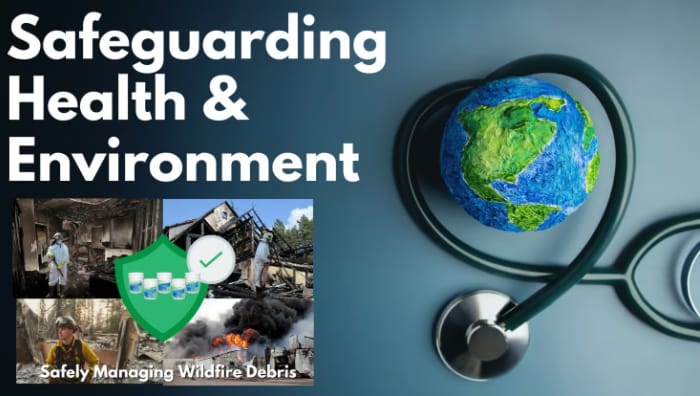
Wildfires, with their fierce intensity and destructive force, leave behind a scarred landscape that extends beyond the immediate flames.
Tuesday, August 29, 2023
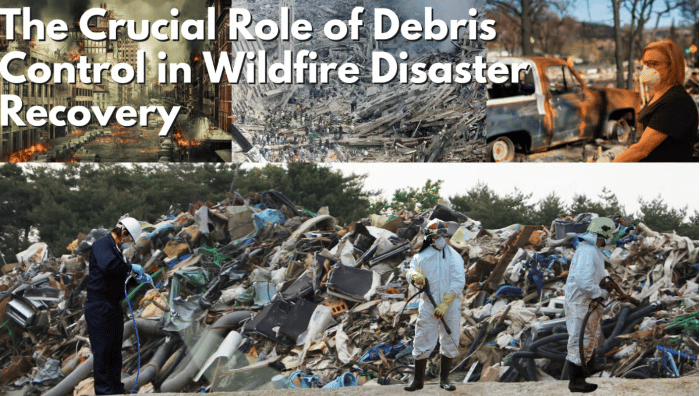
The aftermath of a wildfire is a haunting reminder of nature's destructive power.
Monday, August 28, 2023
In recent years, the world has witnessed an alarming increase in the frequency and intensity of wildfires.

Monday, August 21, 2023
The Importance of the Roofing Revolution: Advancements and Applications
Friday, August 18, 2023
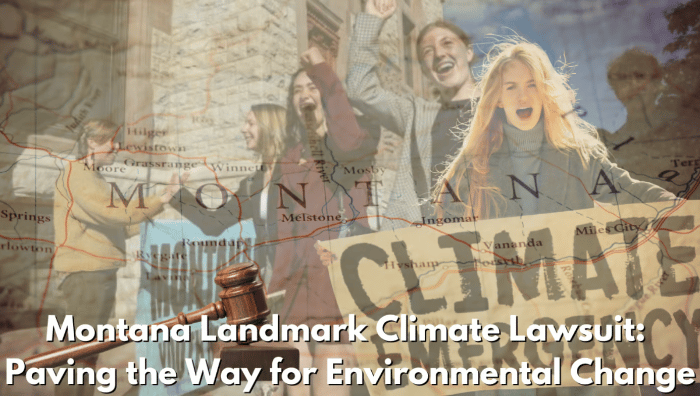
With a guiding light decision this was a huge week for the environment and environmentalists alike.
Wednesday, August 16, 2023
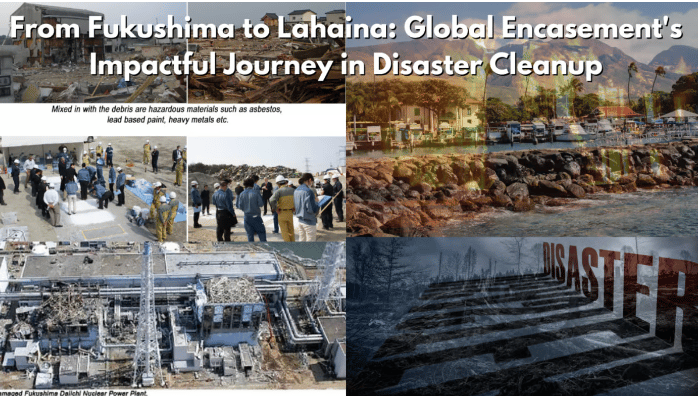
In times of crisis, the power of innovation and collaboration becomes most evident. A remarkable illustration of this lies in the journey of myself and GEI (Global Encasement, Inc.), a 30 year, trailblazing manufacturer of high-performance, popular coatings that lock down and seal hazardous materials.
Monday, August 14, 2023
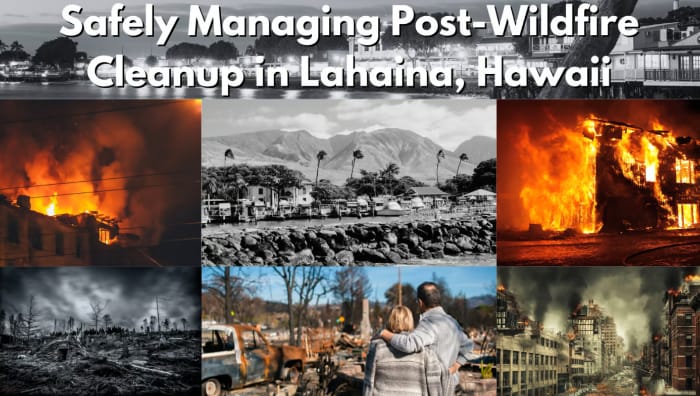
The aftermath of the recent wildfires in Lahaina, Hawaii, has left behind not only charred landscapes but also a potential environmental hazard that may need containment and control.

Monday, August 07, 2023
Integrating Solar Reflective Surfaces and Environmental Coatings: Driving Sustainable Surfaces for the Future
Wednesday, July 19, 2023
The Importance of the Health Connection of Solar Reflective Surfaces on People, Buildings, and the Planet

Monday, July 17, 2023
As the global demand for energy continues to rise, the need for sustainable and energy-efficient cooling solutions becomes increasingly important.
Monday, July 10, 2023
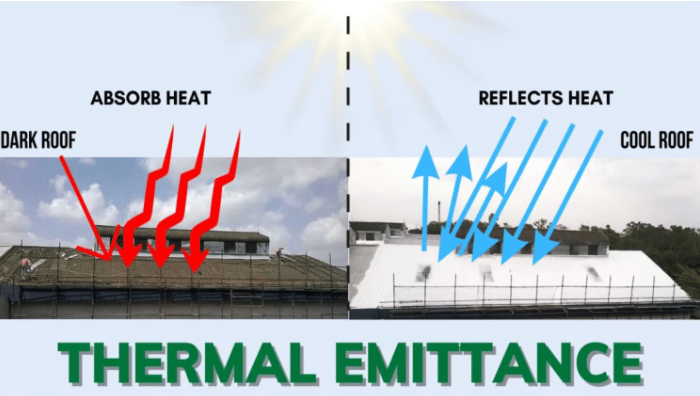
Unleashing the Power of Thermal Emittance
Monday, July 03, 2023
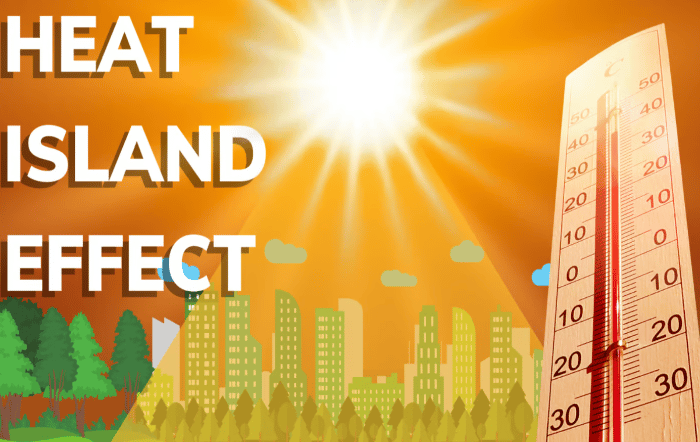
The Importance of Understanding the Heat Island Effect (HI)