Blogs Where Nature Meets Science & Coatings
"If All the Greedy People that Pollute can get Together & Show Strength in Unity – then Honest, Environmentalists Must Do the Same. You See – It’s as Simple As That.” George C. Keefe - ENCASEMENT Guy
Blogs Where Nature Meets Science & Coatings
"If All the Greedy People that Pollute can get Together & Show Strength in Unity – then Honest, Environmentalists Must Do the Same. You See – It’s as Simple As That.” George C. Keefe - ENCASEMENT Guy
Tuesday, March 12, 2024
Listen and Learn: Dive into the Audio Version of Our Blog
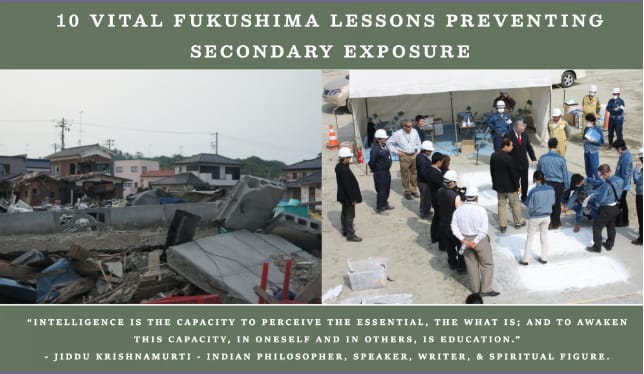
Disasters like Fukushima leave behind a toxic legacy that threatens both human health and the environment.
The disaster at Fukushima was unlike any other event we had ever faced.
It was an unfortunate combination of an earthquake causing a tsunami that struck the Daichi nuclear power plant that led to a meltdown.
So, this was both a natural and man-made disaster, creating huge amounts of contaminated debris not just from the tsunami but also radioactive debris from the meltdown.
The aftermath, laden with hazardous waste, demanded proactive measures to prevent secondary exposure.
In this episode I bring to light 10 reasons why using the right green coatings for control and management of disaster debris is paramount to helping minimize and prevent secondary exposure which comes after any initial disaster.
1. Hazardous Debris Management:
Disasters generate massive amounts of hazardous waste containing everything from heavy metals, asbestos, and other toxic substances. Effective management is crucial to prevent secondary exposure to workers and communities.
2. Air and Water Contamination:
Untreated contaminated debris can easily become airborne, through simple air currents, polluting air, water sources and entire neighborhoods. The right green coatings offer a lock-down barrier, managing hazards in-place, preventing the release of harmful particles and safeguarding the environment.
3. Groundwater Protection:
Proper containment with the right green coatings helps prevent groundwater contamination. By encasing toxic debris, these coatings minimize the risk of pollutants traveling and seeping into the soil and waterways.
4. Cost and Risk Reduction:
Proactively managing hazardous waste on-site reduces costs, risks to workers, and environmental impacts. The right green coatings provide a cost-effective solution by containing contaminants until safe removal and disposal can occur.
5. Community Benefits:
Standardized measures for debris control benefit local communities. Implementing green coatings as a containment method ensures the safety of neighborhoods during cleanup and disposal operations.
6. Regulatory Infrastructure:
Lack of regulatory infrastructure intensifies waste management challenges. Preemptive legislation and international collaboration are needed to facilitate effective disaster response and waste management.
7. Complex Project Management:
Modern approaches utilizing advanced knowledge management, monitoring and tools are essential for managing multidisciplinary projects effectively. Investing in these tools can streamline disaster recovery efforts and minimize environmental risks.
8. Communication and Education:
Informed decision-making is crucial to prevent knee-jerk reactions that may compromise safety. Educating policymakers and the public about the importance of preventing secondary exposure is essential for effective disaster preparedness.
9. Lessons from History:
Learning from past disasters like Fukushima is imperative to mitigate the consequences of future catastrophes. Failure to implement preventive measures can lead to prolonged secondary exposure and significant public health hazards.
10. Long-term Protection:
Green coatings offer long-lasting protection against secondary exposure. Their effectiveness in sealing hazardous materials ensures the safety of cleanup workers and prevents contamination of surrounding areas.
To Sum It Up
Preventing secondary exposure is paramount in disaster management.
Utilizing green coatings not only mitigates environmental risks but also safeguards human health and ensures a sustainable future.
By learning from past experiences and adopting proactive measures, we can build resilience against the devastating after effects of disasters.
In the aftermath of disasters like Fukushima, preventing secondary exposure is vital to protect human health and the environment.
The right green coatings offer a sustainable solution for containing hazardous waste and minimizing risks to cleanup workers and communities.
Let's work together to build a safer future.
“Intelligence is the capacity to perceive the essential, the what is; and to awaken this capacity, in oneself and in others, is education.” - Jiddu Krishnamurti - Indian Philosopher, Speaker, Writer, & Spiritual Figure.
What are your questions?
We are always here to help and excited to answer them.
Contact us at +1 (800) 266-3982 , or send us an email at service@encasement.com and leave a comment below.
See other posts like this one:
Friday, November 16, 2018
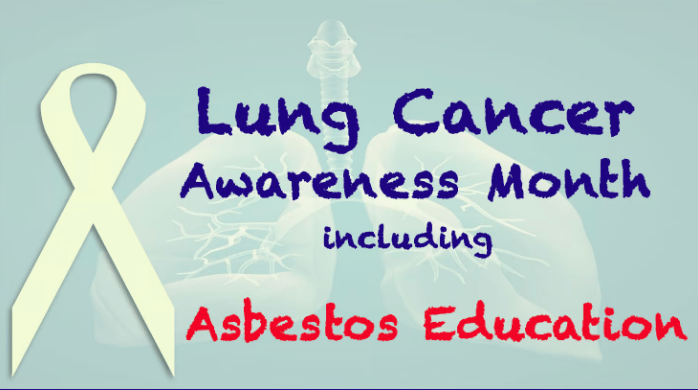
November is Lung Cancer Awareness Month including asbestos education, so this is a good time to raise awareness about preventing unnecessary exposure to asbestos that can cause lung cancer as well as contribute to other possible health concerns.
Wednesday, October 10, 2018
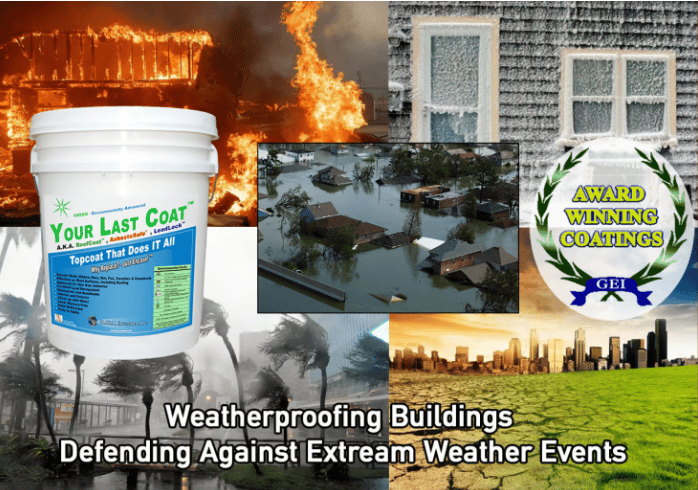
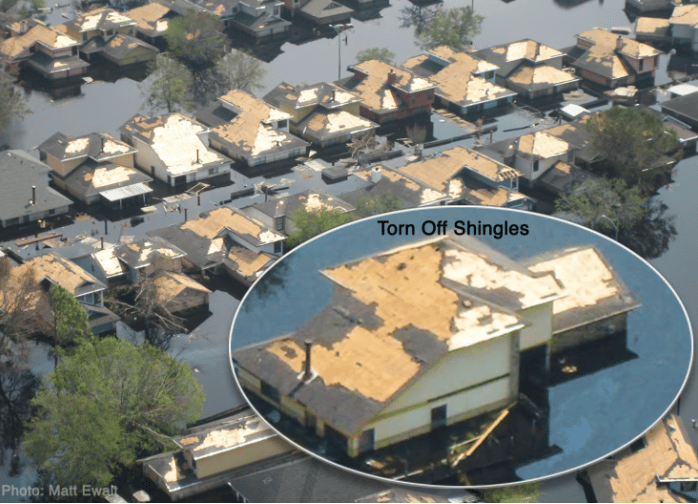
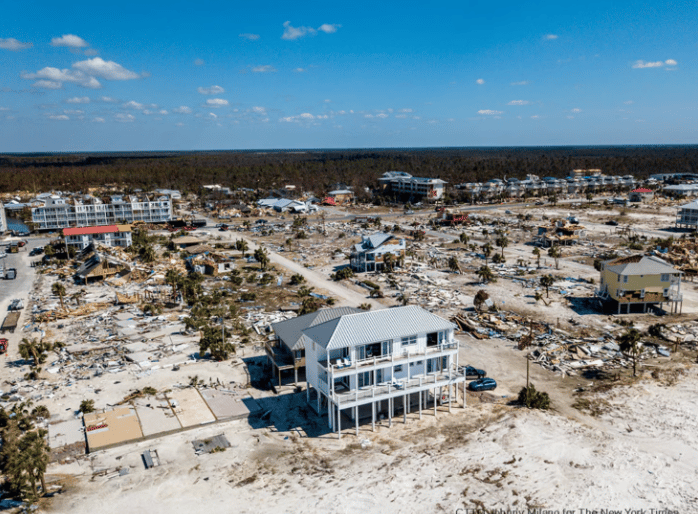
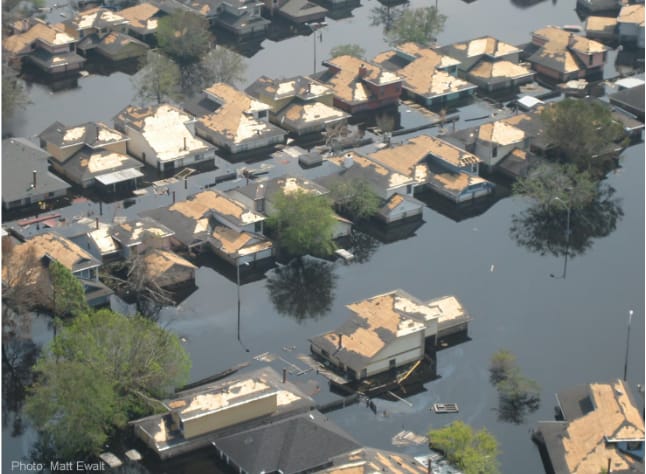
Short of moving your building or raising it up above flooding, the best approach to take to reduce storm, flooding and natural disaster losses is to simply use a proven coating to wind and waterproofthe surfaces in the path of destruction.
Tuesday, September 18, 2018
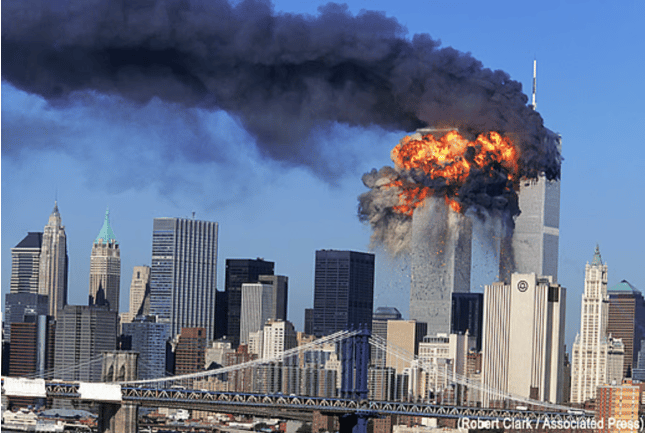
We recently passed the anniversary of 9-11-2001 tragedy of the attack on the Twin Towers in New York. I wanted to remind everyone that the effects of that fateful day are still being felt and especially by some of the heroes that were affected by the initial exposure and then the secondary exposure that took place during the cleanup. Some of those exposed were firefighters, police officers, EMTs (Emergency Medical Technician), construction workers, transit workers, cleanup workers, debris removal crews, truck drivers, nearby office workers, and Lower Manhattan residents.
Tuesday, August 21, 2018
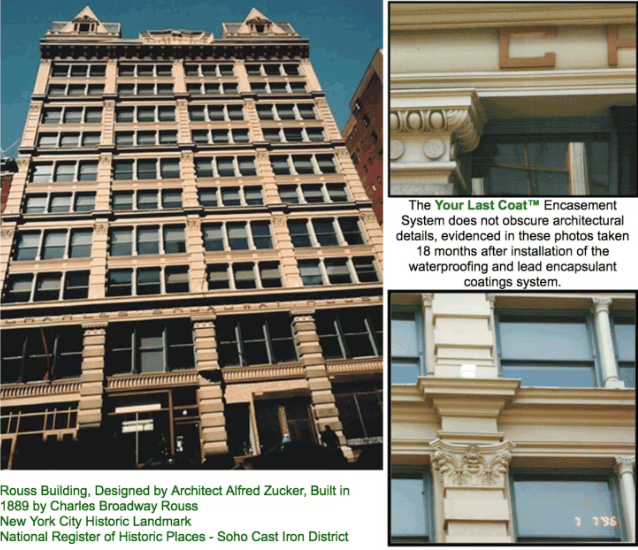
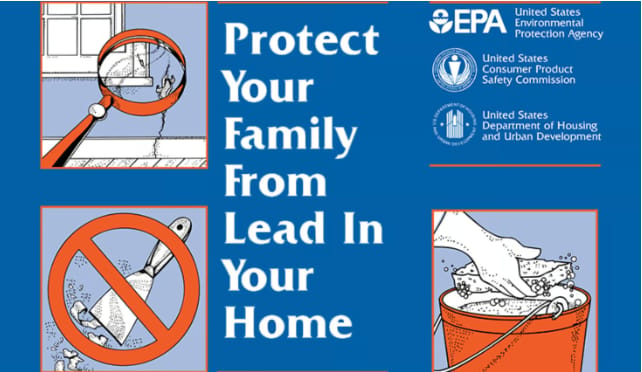
I discussed in a recent blog the importance of keeping the aesthetics of a historic building intact. Making sure that the look and overall presentation on a structure is preserved is very significant. This is especially true with landmark properties that have prominent and distinct features. Preservation can become very difficult when it entails obsolete building materials that contain hazardous materials that are typically removed and replaced. Three of the most common of hazardous materials is lead-based paint, asbestos and PCBs. In the USA, lead was used in paints up until 1978. It then was banned for its negative health effects, especially with children in their developing stages. PCBs, or polychlorinated biphenyls, were banned from paints, caulking and surface coatings in 1979 and asbestos was banned in 1974. All these bans were due to the negative health and environmental effects of these products.
Tuesday, July 17, 2018
Lead Paint Poisoning is Preventable Through Education and Action