Blogs Where Nature Meets Science & Coatings
"If All the Greedy People that Pollute can get Together & Show Strength in Unity – then Honest, Environmentalists Must Do the Same. You See – It’s as Simple As That.” George C. Keefe - ENCASEMENT Guy
Blogs Where Nature Meets Science & Coatings
"If All the Greedy People that Pollute can get Together & Show Strength in Unity – then Honest, Environmentalists Must Do the Same. You See – It’s as Simple As That.” George C. Keefe - ENCASEMENT Guy
Thursday, June 06, 2024
Listen and Learn: Dive into the Audio Version of Our Blog
Climate change is one of the most pressing issues of our time, with rising CO2 levels threatening ecosystems, weather patterns, and human societies.
One innovative solution gaining traction is Ocean Iron Fertilization (OIF), a process that has the potential to pull harmful CO2 from the atmosphere and safely sequester it.
In the episode I explain by understanding how OIF works and exploring its benefits, we can appreciate its potential to help restore our planet to pre-industrial CO2 levels.
Additionally, adopting eco-friendly products and green coatings can further our efforts in combating climate change.
How Ocean Iron Fertilization Works
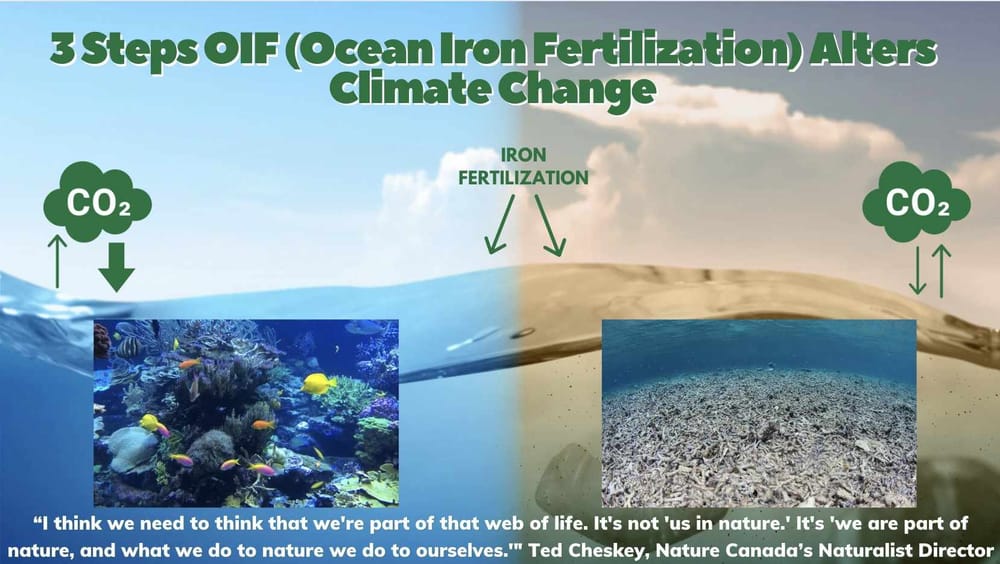
OIF involves adding iron to ocean waters to stimulate the growth of phytoplankton, microscopic plants that absorb CO2 during photosynthesis.
Phytoplankton are the foundation of the marine food web and play a crucial role in carbon cycling. When they grow in abundance, they not only provide food for marine life but also capture significant amounts of CO2 from the atmosphere.
The process works as follows:
• Iron Addition: Iron is introduced to iron-deficient ocean regions, often as iron sulfate. This nutrient is essential for phytoplankton growth but is limited in many parts of the ocean.
• Phytoplankton Bloom: With the sudden availability of iron, phytoplankton populations bloom.
This rapid increase in phytoplankton leads to a higher rate of CO2 absorption as they undergo photosynthesis.
• Carbon Sequestration: After absorbing CO2, phytoplankton eventually die and sink to the ocean floor. The carbon they have absorbed is thus transported from the surface waters to the deep ocean, where it can remain for centuries.
The Potential of OIF in Mitigating Climate Change
The concept of OIF is promising because it leverages natural processes to sequester CO2.
By enhancing the growth of phytoplankton, OIF could help reduce atmospheric CO2 levels, contributing to the mitigation of climate change.
Studies suggest that OIF could sequester significant amounts of CO2, potentially restoring atmospheric CO2 levels to those seen before the industrial revolution.
However, it is important to approach OIF with caution.
The ecological impacts of large-scale iron fertilization are not fully understood, and there are potential risks, such as harmful algal blooms or disruptions to marine ecosystems.
Therefore, thorough scientific research and carefully controlled pilot projects are essential to evaluate the feasibility and safety of OIF.
Complementary Actions: Eco-Friendly Products and Green Coatings
While OIF represents a large-scale geoengineering solution, individual and community actions also play a vital role in combating climate change.
One way to contribute is by using eco-friendly products and the right green coatings, which reduce environmental impact and carbon footprints.
Eco-friendly products are designed to minimize waste and pollution, often using sustainable materials and processes.
These products range from everyday items like biodegradable cleaning supplies to energy-efficient appliances.
By choosing such products, consumers can reduce their environmental impact and support companies that prioritize sustainability.
The right green coatings, on the other hand, offer a practical solution for industries and households looking to reduce energy consumption and emissions.
These coatings can be applied to buildings, and other structures to improve energy efficiency and reduce accelerated breakdown from weather attacks.
For example, the right, cool roof, green coatings reflect more sunlight and absorb less heat, reducing the need for air conditioning and lowering energy costs.
While at the same time giving long term defensive protection against stronger and more frequent storm events.
Moreover, some green coatings are non-toxic, biodegradable, water based, with zero to low VOC's(volatile organic compounds), are Class A fire rated, guaranteed, 20-year renewable service life cycles and have no negative environmental impact.
To Sum IT Up:
Ocean Iron Fertilization presents an intriguing and potentially effective method for reducing atmospheric CO2 levels and mitigating climate change.
However, it is not a standalone solution.
Complementary actions, such as the use of eco-friendly products and the right green coatings, are essential to creating a sustainable future.
By integrating large-scale innovations with everyday practices, we can collectively work towards restoring and saving our planet.
You can read more about this important subject in Peter Fiekowsky and Carole Douglis's consequential book: Climate Restoration - The Only Future That Will Sustain the Human Race.
“I think we need to think that we're part of that web of life. It's not 'us in nature.' It's 'we are part of nature, and what we do to nature we do to ourselves.'" Ted Cheskey, Nature Canada’s Naturalist Director
What are your questions?
We are always here to help and excited to answer them.
Contact us at +1 (800) 266-3982 , or send us an email at service@encasement.com and leave a comment below.
See other posts like this one:
Tuesday, November 17, 2026
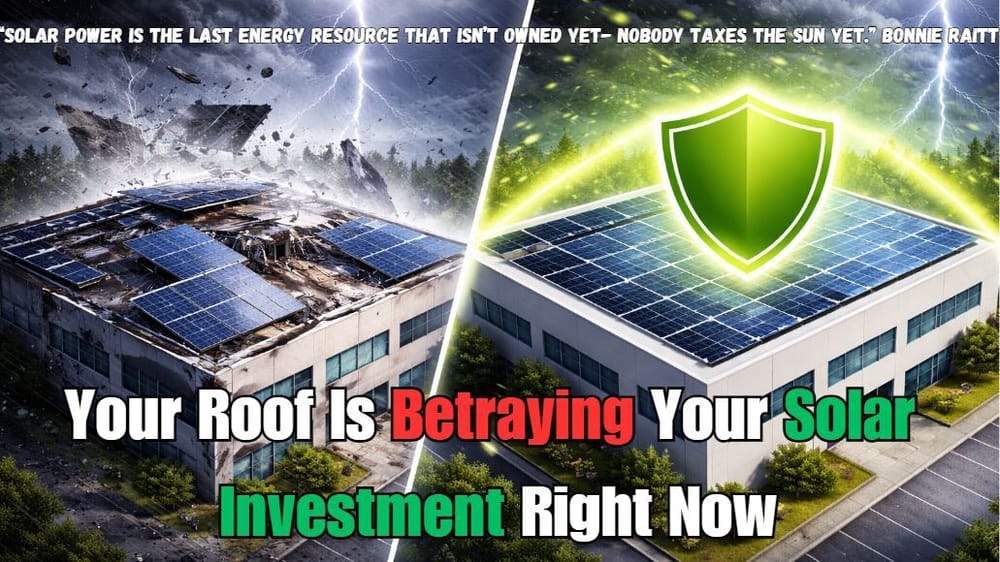
Solar can reduce dependence on volatile energy markets and turn rooftops into productive assets. But a rooftop solar system and the roof beneath it must be planned as one long-term system — because a clean-energy investment can become a costly maintenance problem if the roof, attachment points, and water-control details are not ready for decades of service.

Tuesday, November 10, 2026
The word "abatement" doesn't mean "rip it out." Understanding the real definition can save building owners tens of thousands of dollars -- and spare them years of unnecessary disruption. In my 50+ years in the field, I've watched this single misconception drive some of the most wasteful decisions in building management. It's time to set the record straight.
Tuesday, November 03, 2026
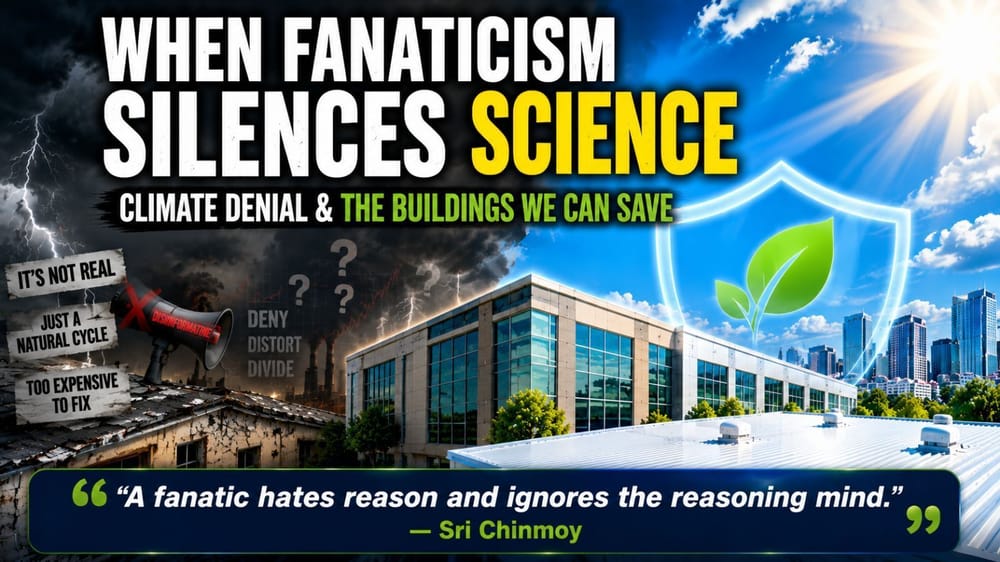
A quote, a warning, and a practical response — because when reason is under attack, doing the right thing becomes both a moral act and a market advantage.

Tuesday, October 27, 2026
The storms are not coming. They are already here. Climate science has spent decades warning us about intensifying heat, heavier rainfall, rising seas, stronger coastal hazards, and weather extremes that place aging buildings under stresses many of them were never designed to endure.

Tuesday, October 20, 2026
Less than 9% of the people applying protective coatings to buildings and structures in America are women — in a trade that requires no special strength, no tools a woman doesn't already know how to use, and no barriers that have anything to do with capability. That statistic isn't just surprising. From my experience, it represents one of the largest untapped professional opportunities in the country — and it's about to get even bigger.

Tuesday, October 13, 2026
The maintenance-treadmill coating industry has a dirty secret: your building's repeated failures aren't bad luck. They're the business model. Here's what 40+ years in the field taught me, and what Green ENCASEMENT Coatings do about it.

Tuesday, October 06, 2026
Ordinary paint can make a building look protected while heat, moisture, UV, wind, and seasonal movement keep attacking beneath the surface. Green ENCASEMENT Coatings change the protection strategy.
Tuesday, September 29, 2026
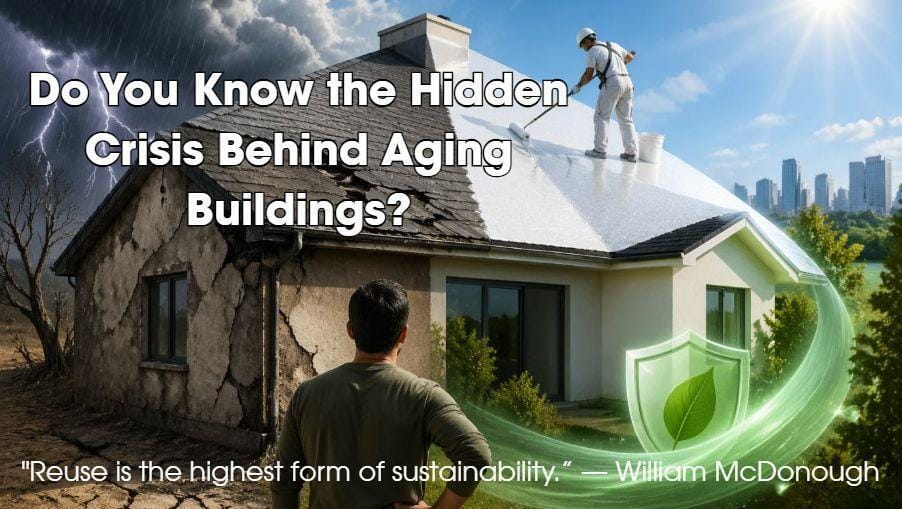
The Renewable Revolution: How Green ENCASEMENT Coatings Are Redefining Building Surfaces

Tuesday, September 22, 2026
History has already shown where buildings fail. The smarter strategy is to study those failures, strengthen the envelope before the next event, and preserve what can still be protected.
Tuesday, September 15, 2026
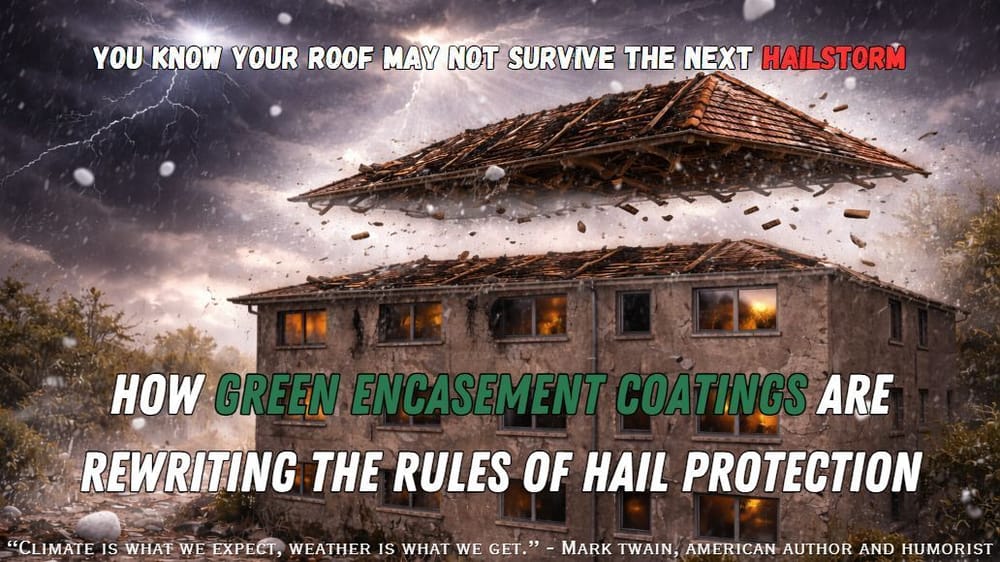
How Green ENCASEMENT Coatings are rewriting the rules of hail protection — before impact damage becomes a roof replacement problem.

Tuesday, September 08, 2026
Why Green ENCASEMENT Coatings can cost more at the beginning — and still cost far less over the life of your building.





Tuesday, August 04, 2026