Blogs Where Nature Meets Science & Coatings
"If All the Greedy People that Pollute can get Together & Show Strength in Unity – then Honest, Environmentalists Must Do the Same. You See – It’s as Simple As That.” George C. Keefe - ENCASEMENT Guy
Blogs Where Nature Meets Science & Coatings
"If All the Greedy People that Pollute can get Together & Show Strength in Unity – then Honest, Environmentalists Must Do the Same. You See – It’s as Simple As That.” George C. Keefe - ENCASEMENT Guy
Wednesday, January 10, 2024
Listen and Learn: Dive into the Audio Version of Our Blog
In the realm of fire safety, the significance of protective green coatings with a Class-A Fire Rating cannot be overstated.
To be a truly green coating is to not have any adverse environmental impacts, whether interior or exterior.
A coating with a Class A -fire rating is an important contributing factor to being totally green.
The development of green coatings with a Class A fire rating represents a revolutionary stride towards ensuring not only structural integrity but also the safety of occupants in buildings.
Unlike traditional coatings, these environmentally friendly alternatives don't support combustion, upholding stringent fire rating and building codes.
In this episode I jump into the world of green coatings with a Class-A Fire Rating and understand why they are necessary and stand as formidable guardians against flames.
1. The Essence of Class-A Fire Rating:
Class-A fire rating is the highest level of fire resistance a material can achieve.
It signifies that a material, in this case, a coating, exhibits excellent resistance to flame spread and heat release.
Green coatings with a Class-A fire rating go through rigorous testing to ensure their ability to withstand and mitigate the impact of fire, making them crucial for enhancing the overall fire safety of structures.
2. Non-Combustible Nature:
One of the primary characteristics that set green coatings apart is their non-combustible nature.
Unlike traditional coatings that may contribute to the spread of flames, these coatings act as a barrier against combustion.
This quality is particularly vital in preventing the rapid spread of fire, giving occupants valuable time to evacuate and emergency responders an opportunity to control the situation.
3. Adherence to Building Codes:
Building codes are in place to establish minimum safety standards for structures.
Green coatings with a Class A fire rating adhere to these codes, providing architects, builders, and property owners with peace of mind knowing that the coatings meet or exceed the stringent safety requirements.
Compliance with building codes is not only a legal necessity but also a moral responsibility to ensure the well-being of those who inhabit or utilize a structure.
4. Toxicity-Free Protection:
In the unfortunate event of a fire, the release of toxic fumes can pose a significant threat to human health.
Green coatings, in addition to their fire-resistant properties, do not release anything toxic when exposed to flames or heat.
This aspect is crucial for creating safer environments, as it reduces the risk of occupants inhaling harmful substances during a fire emergency.
5. Environmental Sustainability:
Beyond their fire-resistant attributes, green coatings contribute to environmental sustainability.
Typically formulated with low or zero volatile organic compounds (VOCs), these coatings minimize their impact on indoor air quality and reduce pollution.
As society places a growing emphasis on eco-friendly practices, green coatings align with the broader goal of creating sustainable, safe, and healthy living and working spaces.
6. Versatility in Application:
Green coatings with a Class A fire rating aren't limited to specific surfaces or environments.
Whether applied to walls, ceilings, or structural elements, these coatings offer versatile protection without compromising on their fire-resistant qualities.
This adaptability makes them suitable for a wide range of applications, from residential buildings to commercial and industrial structures.
To sum it up:
The rise of green coatings with a Class A fire rating marks a significant leap in fire safety technology.
Beyond their ability to resist combustion and adhere to stringent building codes, these coatings champion environmental sustainability and provide occupants with a layer of protection that extends beyond the physical structure.
As the demand for safer, greener buildings rises, the role of these coatings becomes increasingly indispensable, reinforcing their status as guardians against flames.
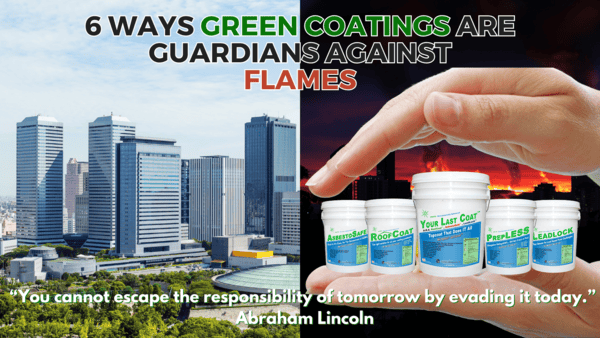
“You cannot escape the responsibility of tomorrow by evading it today.” Abraham Lincoln
What are your questions?
We are always here to help and excited to answer them.
Contact us at +1 (800) 266-3982 , or send us an email at service@encasement.com and leave a comment below.
See other posts like this one:
Friday, November 16, 2018
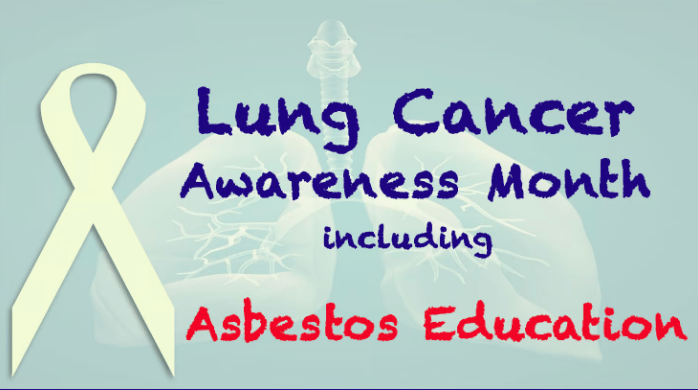
November is Lung Cancer Awareness Month including asbestos education, so this is a good time to raise awareness about preventing unnecessary exposure to asbestos that can cause lung cancer as well as contribute to other possible health concerns.
Wednesday, October 10, 2018
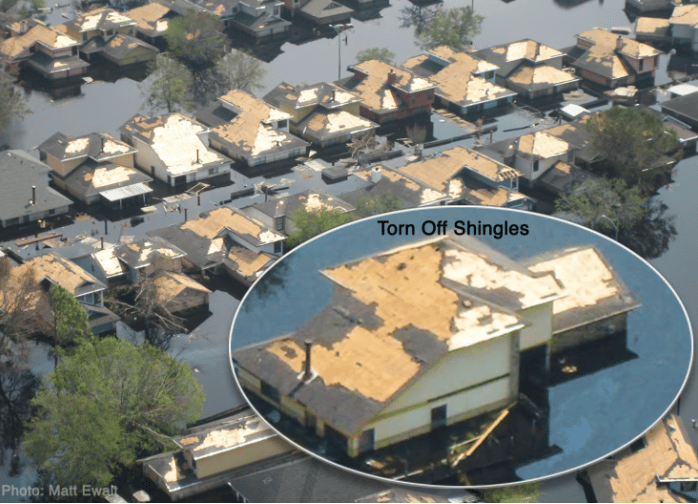
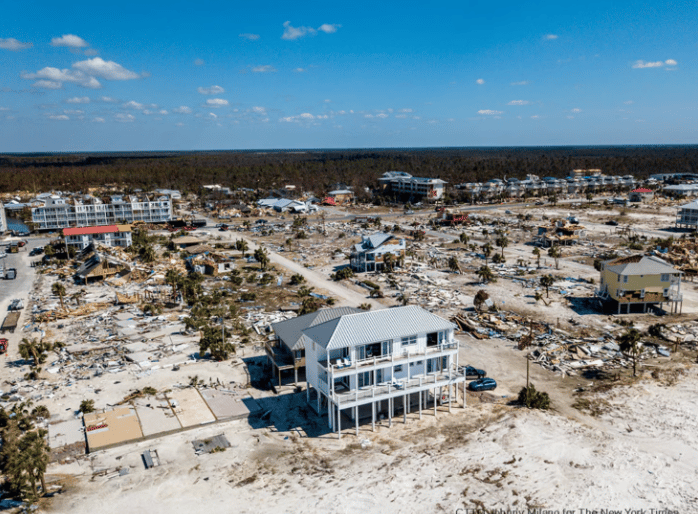
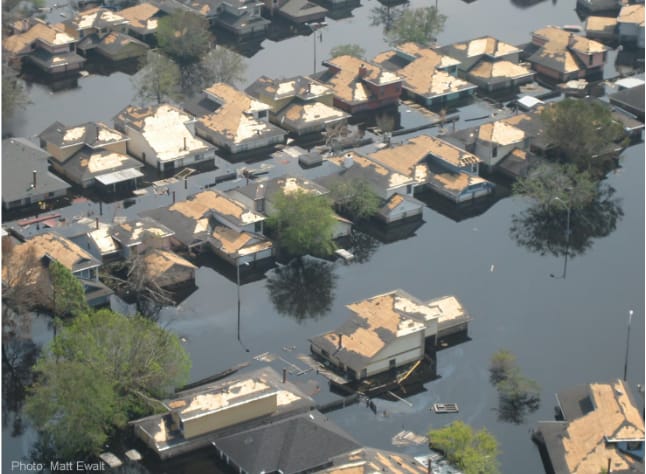
Short of moving your building or raising it up above flooding, the best approach to take to reduce storm, flooding and natural disaster losses is to simply use a proven coating to wind and waterproofthe surfaces in the path of destruction.
Tuesday, September 18, 2018
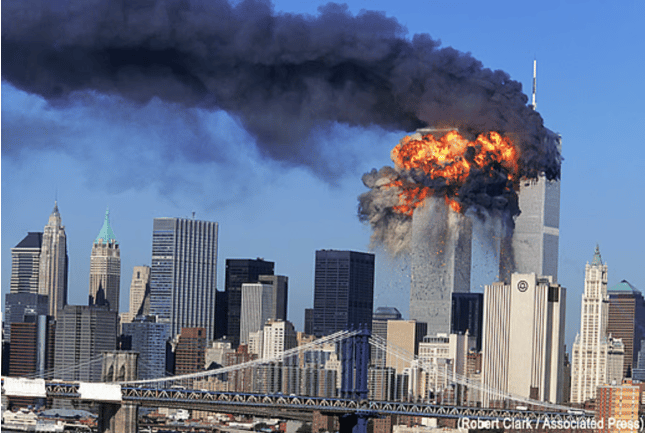
We recently passed the anniversary of 9-11-2001 tragedy of the attack on the Twin Towers in New York. I wanted to remind everyone that the effects of that fateful day are still being felt and especially by some of the heroes that were affected by the initial exposure and then the secondary exposure that took place during the cleanup. Some of those exposed were firefighters, police officers, EMTs (Emergency Medical Technician), construction workers, transit workers, cleanup workers, debris removal crews, truck drivers, nearby office workers, and Lower Manhattan residents.
Tuesday, August 21, 2018
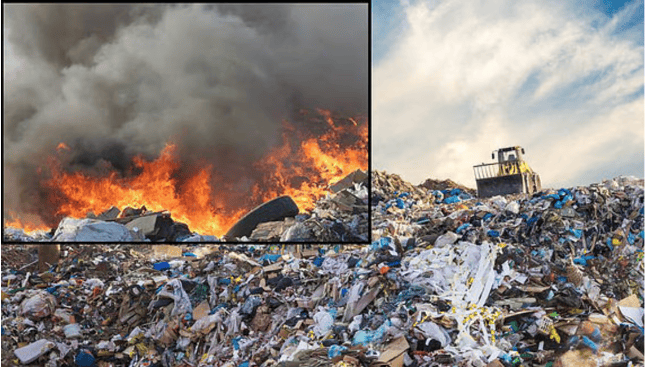
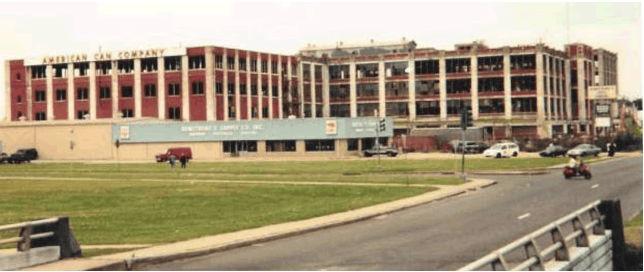
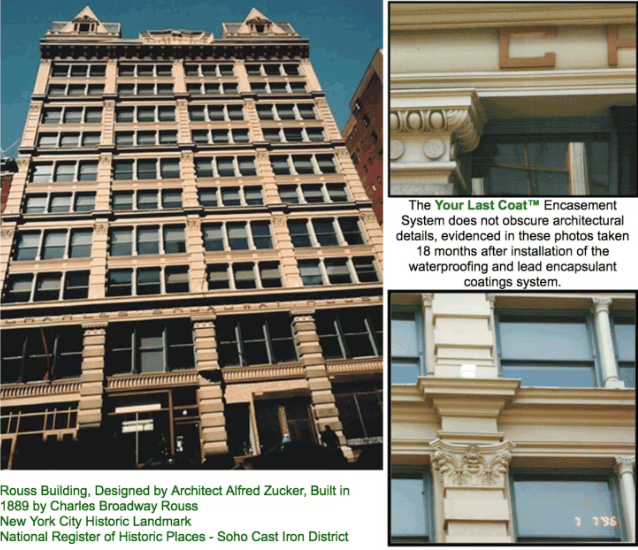
I discussed in a recent blog the importance of keeping the aesthetics of a historic building intact. Making sure that the look and overall presentation on a structure is preserved is very significant. This is especially true with landmark properties that have prominent and distinct features. Preservation can become very difficult when it entails obsolete building materials that contain hazardous materials that are typically removed and replaced. Three of the most common of hazardous materials is lead-based paint, asbestos and PCBs. In the USA, lead was used in paints up until 1978. It then was banned for its negative health effects, especially with children in their developing stages. PCBs, or polychlorinated biphenyls, were banned from paints, caulking and surface coatings in 1979 and asbestos was banned in 1974. All these bans were due to the negative health and environmental effects of these products.
Tuesday, July 17, 2018
Lead Paint Poisoning is Preventable Through Education and Action