Blogs Where Nature Meets Science & Coatings
"If All the Greedy People that Pollute can get Together & Show Strength in Unity – then Honest, Environmentalists Must Do the Same. You See – It’s as Simple As That.” George C. Keefe - ENCASEMENT Guy
Blogs Where Nature Meets Science & Coatings
"If All the Greedy People that Pollute can get Together & Show Strength in Unity – then Honest, Environmentalists Must Do the Same. You See – It’s as Simple As That.” George C. Keefe - ENCASEMENT Guy
Thursday, August 01, 2019
By: George C. Keefe
“If all the greedy polluters can band together to protect their interests, then honest environmentalists must do the same. It's as simple as that.”
Listen and Learn: Dive into the Audio Version of Our Blog
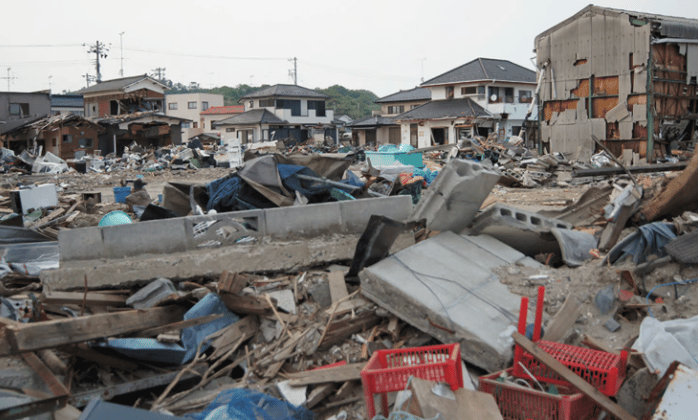
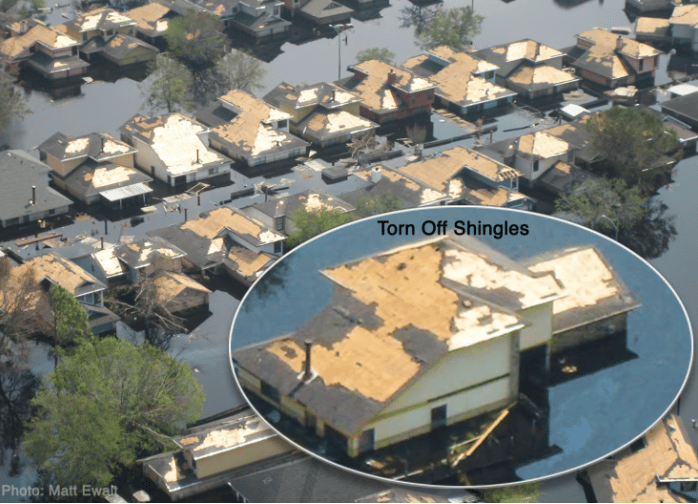
Flood waters, hurricanes, earthquakes, tropical storms, rising rivers, tsunamis, typhoons, tornados and wild fires can all leave toxic materials behind that can be harmful when they become airborne.
I’ve had calls with concerns about the exposure from residual contamination and the Inhalation of non-biological, solid contaminants after disasters and how they can be contained and controlled.
Very often there are many hazardous materials used in buildings such as asbestos, lead-based paint, heavy metals, etc.
They are useful and not a problem when intact and properly maintained.
But when disaster strikes, they are unavoidably released into the environment, adding to the unfortunate consequences of a disaster.
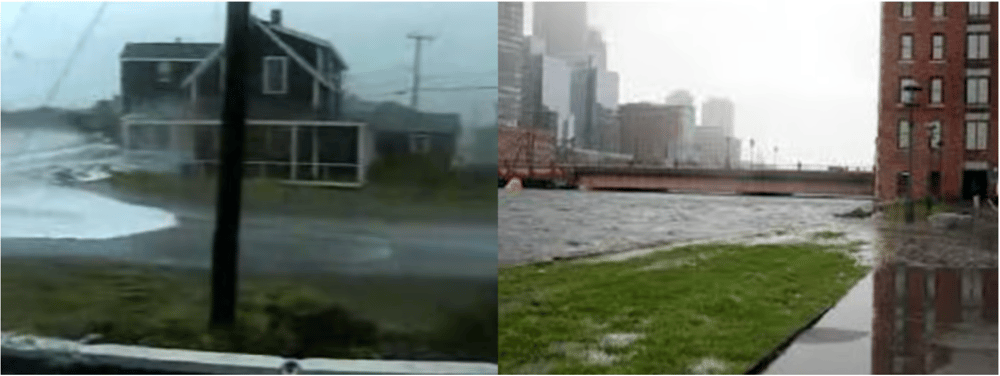
Category 3 floodwaters, known as blackwater, include grossly contaminated substances, such as raw sewage, heavy metals, asbestos, PCBs, pesticides, diesel fuel, toxigenic, pathogenic and other toxic harmful debris.
After floodwaters recede residual complex, toxic material can be left on surfaces and when dried can be released into the environment becoming airborne and easily inhaled.

Other disasters that don’t include water damage, such as tornados, earthquakes and wildfires can also release all kinds of dangerous toxins.
These harmful toxins are initially kicked up during the disaster and then they settle down after landing and can be rereleased during clean up causing harmful secondary exposures.
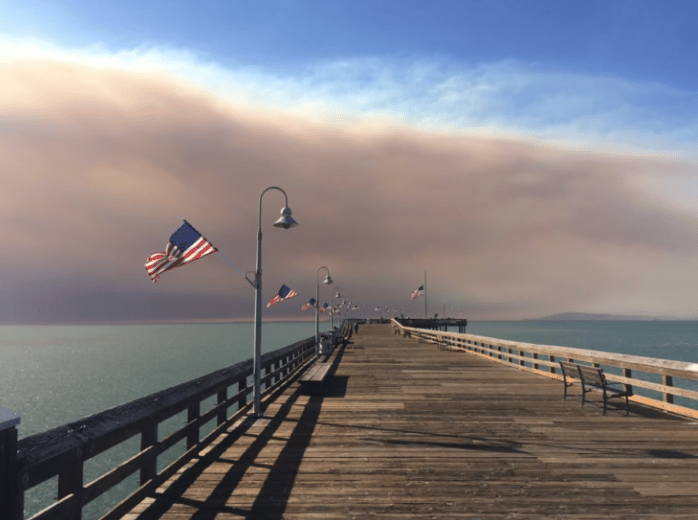
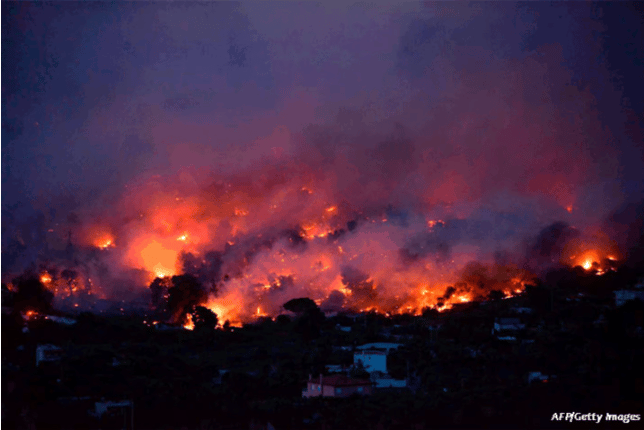
Wildfires leave neighborhoods covered in debris and ash.
This toxic debris and hazardous ash can contain potentially harmful levels of heavy metals which include antimony, chromium, arsenic, cadmium, copper, lead and zinc.
This assortment of hazardous debris can also contain electronic waste from computers, monitors, batteries and other toxic substances from, paints, polychlorinated biphenyls (PCBs) and asbestos.
Both water and non-water disasters are similar in that hazardous toxins can be released during those events and left behind to expose people especially during the cleanup.
The solutions are also similar in that all these hazards can be controlled and contained in much the same way.
As I continue to get questions about how to avoid this type of exposure, my response to these legitimate concerns is always the same.
Most of these environmental exposures from disasters can be controlled and contained with simple GEI (GLOBAL Encasement, Inc.) Green Coatings Encasement both before and during the cleanup.
Injuries and illnesses associated with secondary exposure from toxic residual debris can be reduced and avoided through proper cleanup and containment practices.
The first step in any cleanup operation is to evaluate the situation, contain and remove the waste, and then seal down the residual surface contaminants.
This includes concentrations of toxic debris from a mixed bag of products.
The standard process during cleanup is wetting the debris with water.
This minimizes inhalation and release of toxic dust that can become airborne and cause secondary exposure.
However, this process of wetting with straight water is good only until the water evaporates and the material dries out again.
A better way to handle this situation is by wetting that same harmful material with GEI’s MPE™.
MPE not only holds down that material while it is wet, but also holds it in place after the water evaporates and the MPE™ cures.
This allows clean up with less chance of toxic exposure and the rerelease into the environment of the hazardous debris.
This proven method of dust and solid hazardous material control with GEI’s MPE and other coatings is designed to minimize the potential impact to people and the community.
Whether you are removing solid hazardous materials or locking down residual contamination, the use of GEI’s Green Encasement Coatings can be beneficial and necessary for the cleanup process.
What are your questions?
We are always here to help and excited to answer them.
Contact us at +1 (800) 266-3982 , or send us an email at service@encasement.com and leave a comment below.
See other posts like this one:
Friday, November 16, 2018
November is Lung Cancer Awareness Month including asbestos education, so this is a good time to raise awareness about preventing unnecessary exposure to asbestos that can cause lung cancer as well as contribute to other possible health concerns.
Wednesday, October 10, 2018
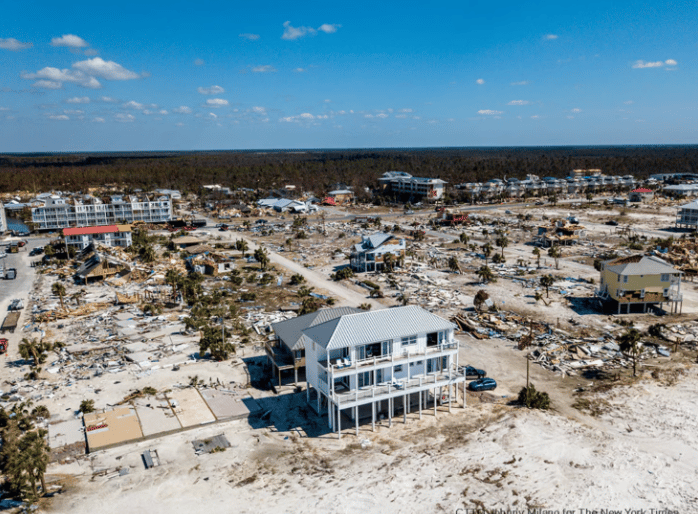
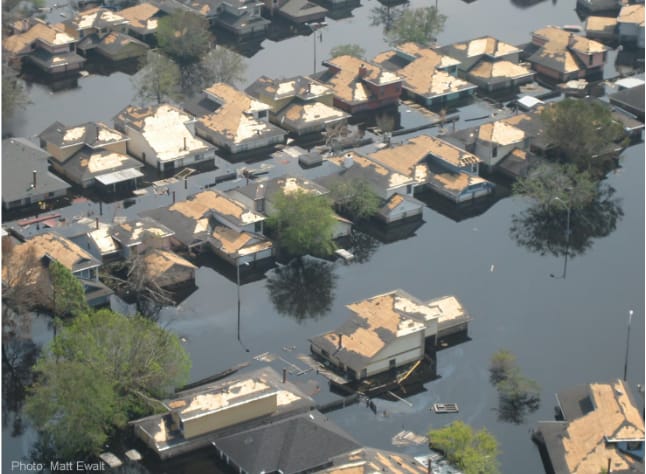
Short of moving your building or raising it up above flooding, the best approach to take to reduce storm, flooding and natural disaster losses is to simply use a proven coating to wind and waterproofthe surfaces in the path of destruction.
Tuesday, September 18, 2018
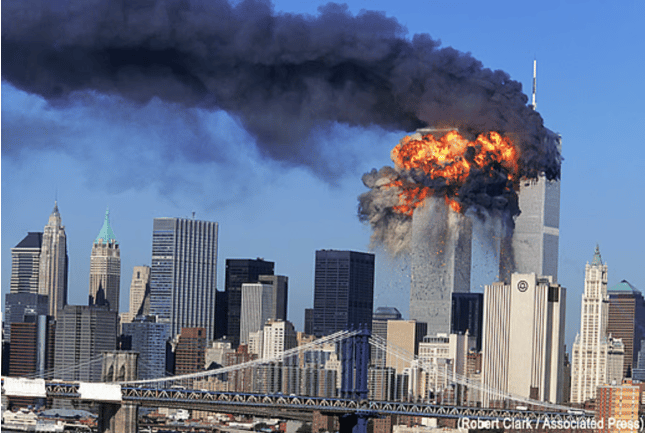
We recently passed the anniversary of 9-11-2001 tragedy of the attack on the Twin Towers in New York. I wanted to remind everyone that the effects of that fateful day are still being felt and especially by some of the heroes that were affected by the initial exposure and then the secondary exposure that took place during the cleanup. Some of those exposed were firefighters, police officers, EMTs (Emergency Medical Technician), construction workers, transit workers, cleanup workers, debris removal crews, truck drivers, nearby office workers, and Lower Manhattan residents.
Tuesday, August 21, 2018
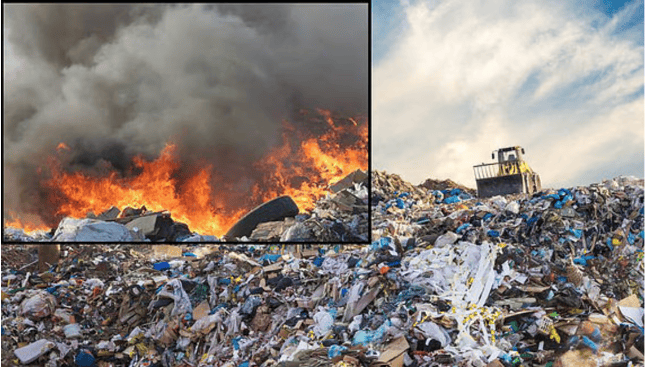
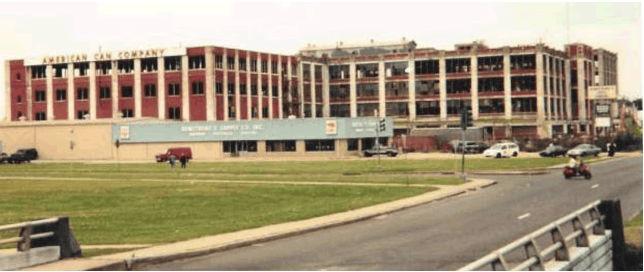
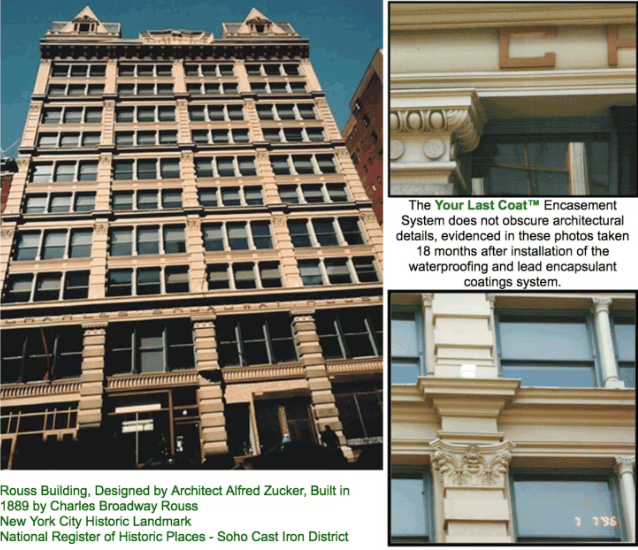
I discussed in a recent blog the importance of keeping the aesthetics of a historic building intact. Making sure that the look and overall presentation on a structure is preserved is very significant. This is especially true with landmark properties that have prominent and distinct features. Preservation can become very difficult when it entails obsolete building materials that contain hazardous materials that are typically removed and replaced. Three of the most common of hazardous materials is lead-based paint, asbestos and PCBs. In the USA, lead was used in paints up until 1978. It then was banned for its negative health effects, especially with children in their developing stages. PCBs, or polychlorinated biphenyls, were banned from paints, caulking and surface coatings in 1979 and asbestos was banned in 1974. All these bans were due to the negative health and environmental effects of these products.
Tuesday, July 17, 2018
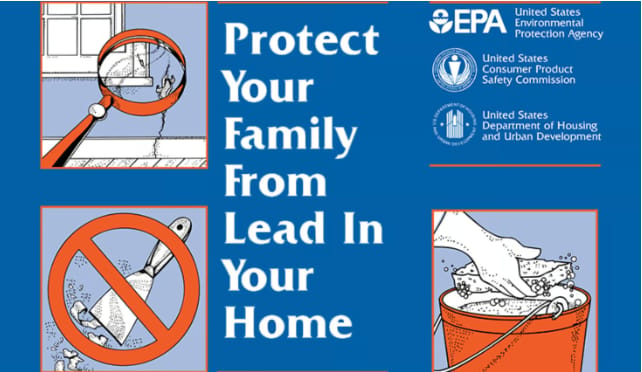
Lead Paint Poisoning is Preventable Through Education and Action