Blogs Where Nature Meets Science & Coatings
"If All the Greedy People that Pollute can get Together & Show Strength in Unity – then Honest, Environmentalists Must Do the Same. You See – It’s as Simple As That.” George C. Keefe - ENCASEMENT Guy
Blogs Where Nature Meets Science & Coatings
"If All the Greedy People that Pollute can get Together & Show Strength in Unity – then Honest, Environmentalists Must Do the Same. You See – It’s as Simple As That.” George C. Keefe - ENCASEMENT Guy
Thursday, November 21, 2024

By: George C. Keefe
“If all the greedy polluters can band together to protect their interests, then honest environmentalists must do the same. It's as simple as that.”
Listen and Learn: Dive into the Audio Version of Our Blog
Have you ever wondered what the world will look like for your grandchildren?
As we face increasingly extreme weather events and rising global temperatures, a powerful new movement is emerging that goes beyond merely slowing climate change.
In this episode I point out what Climate Restoration is and how it’s an ambitious approach to actively repair our planet's damaged systems – offering hope for returning our Earth to the stable, life-sustaining environment that allowed humanity to flourish.
Unlike traditional climate change mitigation strategies that focus solely on reducing emissions, climate restoration aims to reverse the damage already done.
Think of it as giving Earth a comprehensive healing treatment rather than just stopping the injury.
This innovative approach seeks to return atmospheric carbon dioxide to pre-industrial levels, rebuild damaged ecosystems, and restore natural climate patterns that have sustained life for millennia.
But why should we care about climate restoration when we're already struggling with mitigation and adaptation?
The answer lies in the stark reality that reducing emissions alone won't be enough.
Even if we stopped all greenhouse gas emissions today, we'd still face centuries of climate disruption from the carbon already in our atmosphere.
Climate restoration offers a proactive path forward, one that could help secure a livable planet for future generations.
The beauty of climate restoration lies in its comprehensive approach.
From developing carbon capture technologies to regenerating forests and restoring ocean ecosystems, every action contributes to healing our planet.
And here's where it gets exciting – we all can play a crucial role in this restoration journey, starting with the choices we make in our daily lives and businesses.
One significant yet often overlooked aspect of climate restoration involves the buildings where we live and work.
Traditional construction materials and protective coatings often contain harmful chemicals that contribute to environmental degradation and are not made to be long-term sustainable.
However, a revolution in green coating technology is changing this narrative.
The right eco-friendly protective coatings represent a perfect example of how climate restoration principles can be applied practically.
These innovative solutions not only protect our buildings but actively contribute to environmental healing.
The right modern green coatings are designed to:
- Reduce carbon emissions during manufacturing & installation
- Eliminate harmful volatile organic compounds (VOCs)
- Extend the lifespan of buildings, reducing resource consumption & waste generation
- Reflect solar radiation, decreasing energy needs for cooling
- Create healthier indoor environments for occupants
By choosing these environmentally conscious solutions, we're not just protecting our buildings – we're investing in our planet's future.
These green coatings form a crucial part of the climate restoration puzzle, offering a way to protect both our infrastructure and our environment simultaneously.
To Sum IT Up:
The connection between the right green coatings and climate restoration exemplifies how technological innovation can serve both practical needs and environmental goals.
When we encase buildings with the right eco-friendly protective solutions, we're not just preventing deterioration – we're actively participating in the larger mission of climate restoration.
As we face the challenges of climate change, every choice matters.
From the materials we use to protect our buildings to the daily decisions we make as consumers, we all have the power to contribute to climate restoration.
By embracing green technologies and sustainable practices, we're not just adapting to a changing world – we're helping to restore it to its natural balance.
The time for climate restoration is now, and it starts with conscious choices in every aspect of our lives, including how we protect and maintain our built environment.
Together, we can create a future where sustainable solutions like the right green coatings help pave the way toward a restored, healthier planet for generations to come.
“The world must come together to confront climate change. There is little scientific dispute that if we do nothing, we will face more drought, famine and mass displacement that will fuel more conflict for decades.” - Barack Obama - American Politician, 44th President of the United States
What are your questions?
We are always here to help and excited to answer them.
Contact us at +1 (800) 266-3982 , or send us an email at service@encasement.com and leave a comment below.
See other posts like this one:

Friday, November 16, 2018
November is Lung Cancer Awareness Month including asbestos education, so this is a good time to raise awareness about preventing unnecessary exposure to asbestos that can cause lung cancer as well as contribute to other possible health concerns.
Wednesday, October 10, 2018
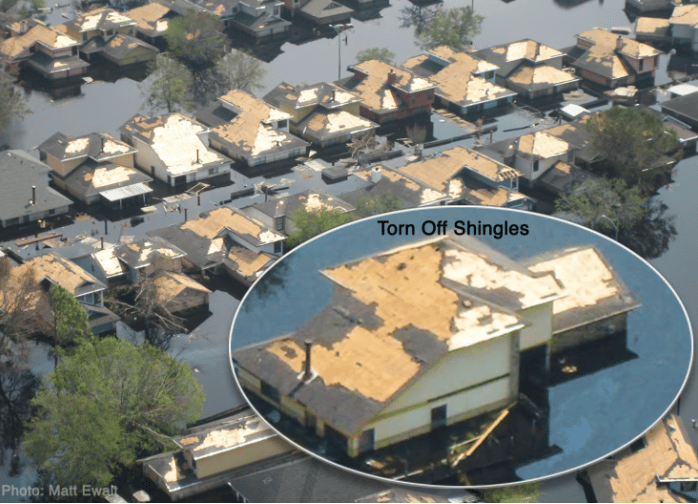
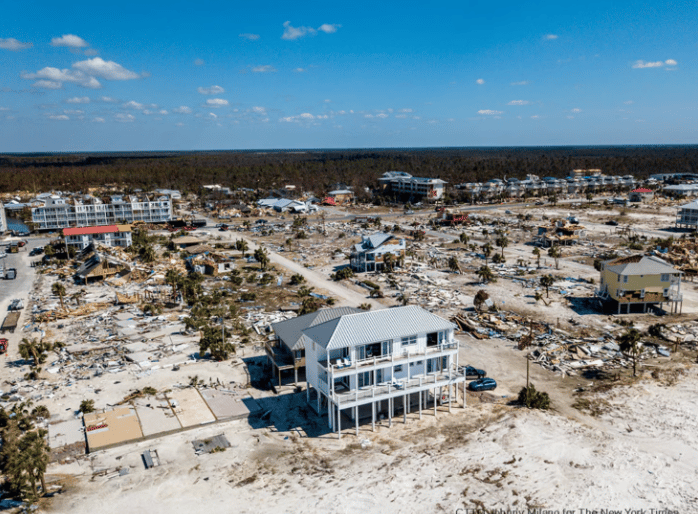
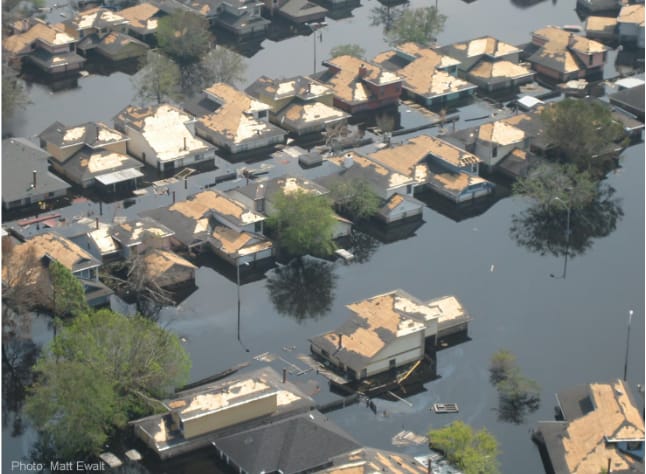
Short of moving your building or raising it up above flooding, the best approach to take to reduce storm, flooding and natural disaster losses is to simply use a proven coating to wind and waterproofthe surfaces in the path of destruction.

Tuesday, September 18, 2018
We recently passed the anniversary of 9-11-2001 tragedy of the attack on the Twin Towers in New York. I wanted to remind everyone that the effects of that fateful day are still being felt and especially by some of the heroes that were affected by the initial exposure and then the secondary exposure that took place during the cleanup. Some of those exposed were firefighters, police officers, EMTs (Emergency Medical Technician), construction workers, transit workers, cleanup workers, debris removal crews, truck drivers, nearby office workers, and Lower Manhattan residents.
Tuesday, August 21, 2018
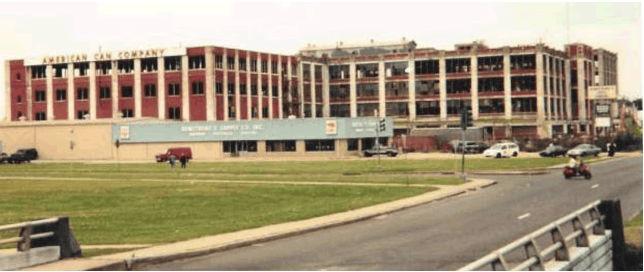
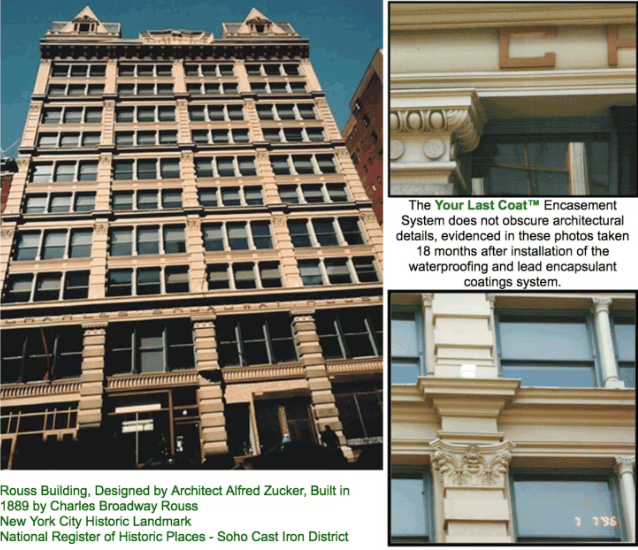
I discussed in a recent blog the importance of keeping the aesthetics of a historic building intact. Making sure that the look and overall presentation on a structure is preserved is very significant. This is especially true with landmark properties that have prominent and distinct features. Preservation can become very difficult when it entails obsolete building materials that contain hazardous materials that are typically removed and replaced. Three of the most common of hazardous materials is lead-based paint, asbestos and PCBs. In the USA, lead was used in paints up until 1978. It then was banned for its negative health effects, especially with children in their developing stages. PCBs, or polychlorinated biphenyls, were banned from paints, caulking and surface coatings in 1979 and asbestos was banned in 1974. All these bans were due to the negative health and environmental effects of these products.
Tuesday, July 17, 2018
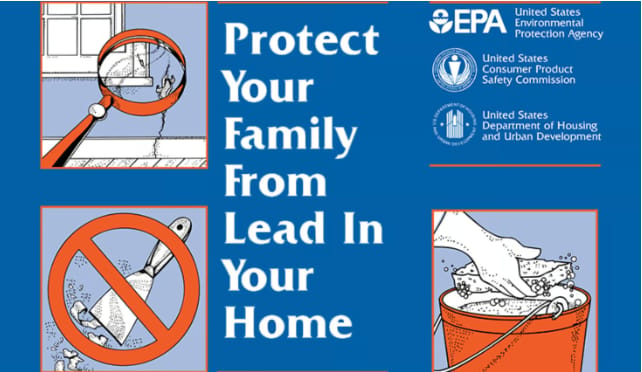
Lead Paint Poisoning is Preventable Through Education and Action