Blogs Where Nature Meets Science & Coatings
"If All the Greedy People that Pollute can get Together & Show Strength in Unity – then Honest, Environmentalists Must Do the Same. You See – It’s as Simple As That.” George C. Keefe - ENCASEMENT Guy
Blogs Where Nature Meets Science & Coatings
"If All the Greedy People that Pollute can get Together & Show Strength in Unity – then Honest, Environmentalists Must Do the Same. You See – It’s as Simple As That.” George C. Keefe - ENCASEMENT Guy
Wednesday, October 30, 2024
By: George C. Keefe
“If all the greedy polluters can band together to protect their interests, then honest environmentalists must do the same. It's as simple as that.”
Listen and Learn: Dive into the Audio Version of Our Blog
The stark reality of damaging weather from climate change is no longer a distant threat – it's knocking at our doorsteps, quite literally.
As extreme weather events intensify across the United States, millions of American buildings and homes face unprecedented risks that threaten not just our properties, but our very way of life.
In this episode I explain how the numbers are staggering, and they paint a picture that should concern every building owner, homeowner and real estate investor.
Consider this: $3.4 trillion worth of U.S. homes – representing 6.6% of all residential properties – currently sit in high-risk flood zones.
This isn't just about coastal properties anymore; changing weather patterns are creating flood risks in previously safe areas.
But flooding is just the beginning of our climate challenges.
The western United States faces an equally devastating threat: wildfires.
A shocking 5.5% of homes, valued at $3 trillion, are now classified as facing severe or extreme wildfire risk.
These aren't just statistics – they represent families whose dreams and investments could literally go up in smoke without proper protection.
Perhaps most alarming is the projection for hurricane-strength winds.
Within the next three decades, 18% of all buildings and homes across the country will be vulnerable to devastating wind damage.
This threat extends far beyond traditional coastal hurricane zones, as climate change creates more unpredictable and severe storm patterns.
The invisible threats are equally concerning.
Nine percent of homes, worth $6.6 billion, face severe or extreme risks from declining air quality.
This silent danger affects not just our buildings but our health and well-being.
Meanwhile, in 17 metropolitan areas, every single home faces risks from extreme heat – a truly sobering reality of our warming planet.
But amid these challenges, innovation and technology offer hope.
Enter the world of eco-friendly building solutions, particularly the right advanced green coatings.
These revolutionary products serve a dual purpose: protecting our structures while supporting environmental sustainability.
The right, long-lasting green coating systems act as a protective shield against multiple climate threats.
These environmentally conscious solutions can waterproof buildings against flooding, provide thermal protection against extreme heat, and create resistant barriers against wind damage.
With guaranteed, 20-year, renewable service cycles and being water-based, non-toxic, biodegradable, with zero to low VOC’s (volatile organic content) and Class-A Fire Rated they contribute to better air quality while protecting the structure.
What makes these solutions particularly remarkable is their alignment with environmental responsibility.
Unlike traditional protective materials that often contribute to carbon emissions and environmental degradation, the right green coatings are designed with the planet in mind.
They are solar/heat reflective and can create indoor passive cooling while reflecting heat away from surfaces and help reduce building energy consumption.
The connection between protecting our buildings, homes and protecting our planet has never been clearer.
By choosing eco-friendly protective solutions like the right green coatings, we're not just defending our properties against climate risks – we're actively participating in the solution to climate change.
These products represent a crucial step in breaking the cycle: protecting against climate change impacts while preventing further environmental damage.
To Sum IT Up:
As we face these mounting climate challenges, the choice becomes clear: we must adapt our buildings while remaining mindful of our environmental impact.
The right green coating encasement systems offer a pathway to resilience that doesn't compromise our commitment to planetary health.
It's time to embrace solutions that protect our homes, our families, and our future on this planet.
The battle against climate change requires action on multiple fronts.
While we work to reduce global emissions and reverse environmental damage, we must also protect our existing structures.
Through innovative green technologies like the right eco-friendly coatings, we can build resilience without adding to the problem – a crucial balance in our ongoing fight against the climate crisis.
Turn your wounds into wisdom." - Oprah Winfrey - Media Mogul
What are your questions?
We are always here to help and excited to answer them.
Contact us at +1 (800) 266-3982 , or send us an email at service@encasement.com and leave a comment below.
See other posts like this one:
Friday, November 16, 2018
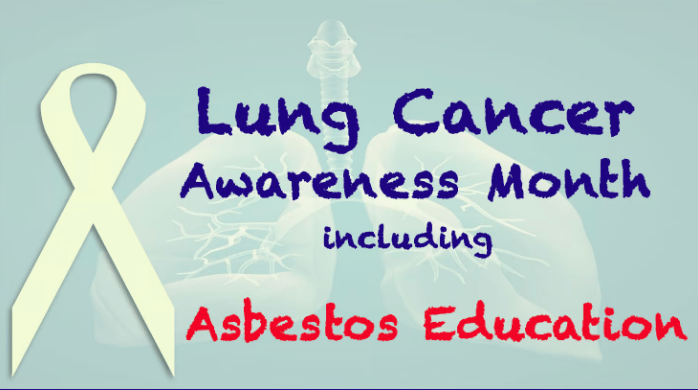
November is Lung Cancer Awareness Month including asbestos education, so this is a good time to raise awareness about preventing unnecessary exposure to asbestos that can cause lung cancer as well as contribute to other possible health concerns.
Wednesday, October 10, 2018
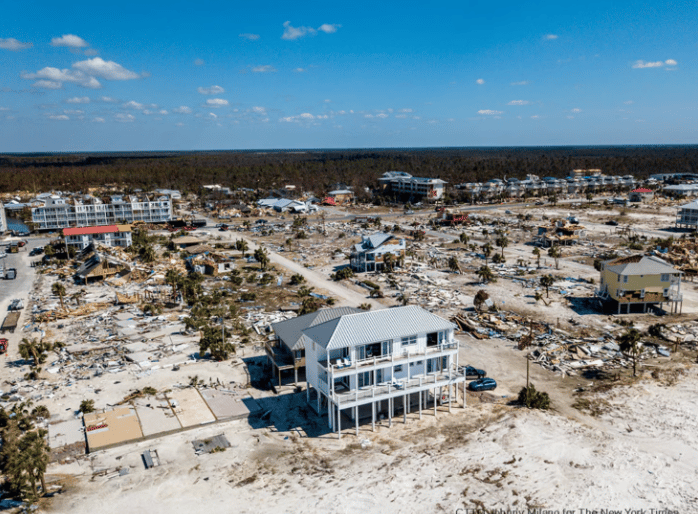
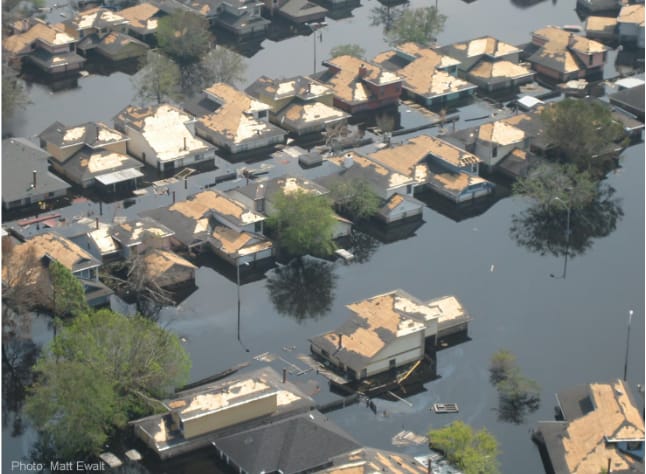
Short of moving your building or raising it up above flooding, the best approach to take to reduce storm, flooding and natural disaster losses is to simply use a proven coating to wind and waterproofthe surfaces in the path of destruction.
Tuesday, September 18, 2018
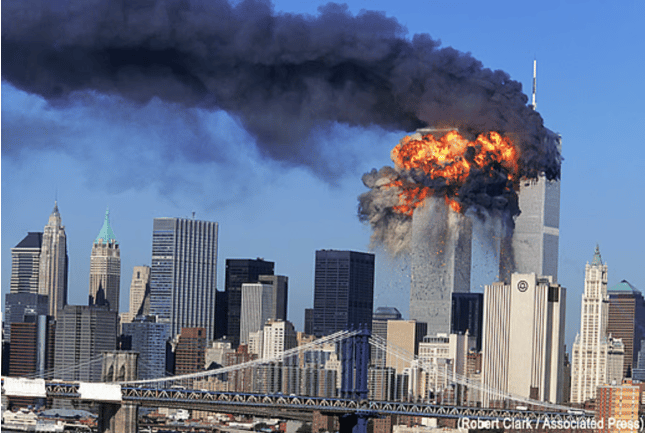
We recently passed the anniversary of 9-11-2001 tragedy of the attack on the Twin Towers in New York. I wanted to remind everyone that the effects of that fateful day are still being felt and especially by some of the heroes that were affected by the initial exposure and then the secondary exposure that took place during the cleanup. Some of those exposed were firefighters, police officers, EMTs (Emergency Medical Technician), construction workers, transit workers, cleanup workers, debris removal crews, truck drivers, nearby office workers, and Lower Manhattan residents.
Tuesday, August 21, 2018
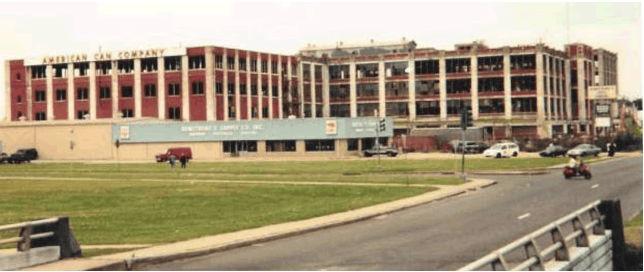
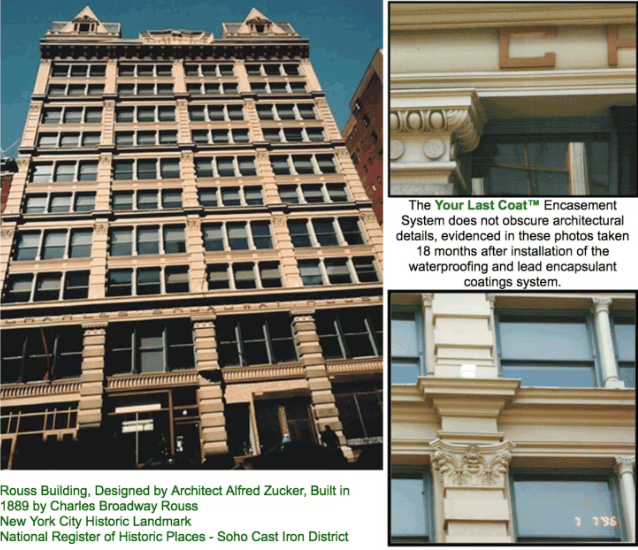
I discussed in a recent blog the importance of keeping the aesthetics of a historic building intact. Making sure that the look and overall presentation on a structure is preserved is very significant. This is especially true with landmark properties that have prominent and distinct features. Preservation can become very difficult when it entails obsolete building materials that contain hazardous materials that are typically removed and replaced. Three of the most common of hazardous materials is lead-based paint, asbestos and PCBs. In the USA, lead was used in paints up until 1978. It then was banned for its negative health effects, especially with children in their developing stages. PCBs, or polychlorinated biphenyls, were banned from paints, caulking and surface coatings in 1979 and asbestos was banned in 1974. All these bans were due to the negative health and environmental effects of these products.
Tuesday, July 17, 2018
Lead Paint Poisoning is Preventable Through Education and Action