Blogs Where Nature Meets Science & Coatings
"If All the Greedy People that Pollute can get Together & Show Strength in Unity – then Honest, Environmentalists Must Do the Same. You See – It’s as Simple As That.” George C. Keefe - ENCASEMENT Guy
Blogs Where Nature Meets Science & Coatings
"If All the Greedy People that Pollute can get Together & Show Strength in Unity – then Honest, Environmentalists Must Do the Same. You See – It’s as Simple As That.” George C. Keefe - ENCASEMENT Guy
Friday, November 29, 2024

By: George C. Keefe
“If all the greedy polluters can band together to protect their interests, then honest environmentalists must do the same. It's as simple as that.”
Listen and Learn: Dive into the Audio Version of Our Blog
In a world teetering on the edge of environmental transformation, we stand at a critical crossroads where every action counts, and expectations burn brighter than ever.
The journey to protect our planet's precious ecosystems is not just a challenge—it's an unprecedented opportunity to rewrite our collective environmental story.
Recent reports from the UN Environment Program and the International Union for Conservation of Nature reveal a stark landscape: merely 18 percent of land and 8 percent of ocean currently enjoy protected status.
In this episode I ask you to consider that while these numbers might initially seem discouraging, they actually represent an incredible canvas of potential—a breathtaking invitation to reimagine and rebuild our relationship with the natural world.
Consider the magnitude of what lies ahead: we need to protect additional land equivalent to the combined sizes of Brazil and Australia, alongside an ocean expanse larger than the Indian Ocean.
These aren't just statistics—they're a rallying cry for global conservation, a blueprint for planetary healing that calls upon every individual, community, and nation to participate.
But protection isn't just about setting aside land and sea. It's about meaningful, intentional stewardship.
Simply marking out an area isn't enough; we need robust, strategic management that breathes life into conservation efforts.
This requires innovative thinking, collaborative approaches, and a commitment to sustainable practices that extend far beyond traditional boundaries.
Funding remains a critical piece of this complex puzzle.
While progress has been challenging, it's important to recognize that every dollar invested in environmental protection is an investment in our collective future.
Each contribution, no matter how small, creates ripples of positive change that can transform entire ecosystems.
This is where the power of eco-friendly solutions becomes transformative.
Green technologies and sustainable products aren't just alternatives—they're essential bridges connecting human innovation with environmental preservation.
Take, for instance, advanced green coatings—seemingly simple technologies that play a profound role in protecting infrastructure while simultaneously reducing environmental impact.
The right green coatings represent more than just a protective layer for buildings; they're symbolic of our broader commitment to planetary health.
These innovative materials help mitigate climate change by reducing energy consumption, minimizing carbon footprints, and creating more resilient structures that can withstand increasingly unpredictable environmental conditions for the long haul ahead.
To Sum IT Up:
By choosing environmentally conscious products and supporting green technologies, we're not just protecting individual buildings—we're constructing a comprehensive shield for our planet.
Each eco-friendly choice is a statement, a vote for a more sustainable future where human progress and environmental preservation move in harmony.
The road ahead is challenging, but it's also incredibly exciting.
We're not just facing a climate crisis; we're pioneering a global renaissance of environmental stewardship.
Every protected acre, every sustainable innovation, every conscious choice brings us closer to a balanced, thriving planet.
Our mission is clear: transform protection from a passive concept to an active, dynamic force of global regeneration.
Together, we can turn these statistics into a powerful narrative of hope, resilience, and collective action.
The future is not something that happens to us—it's something we create, one thoughtful decision at a time.
“The most difficult thing is the decision to act, the rest is merely tenacity.” Amelia Earhart - American Aviation Pioneer
What are your questions?
We are always here to help and excited to answer them.
Contact us at +1 (800) 266-3982 , or send us an email at service@encasement.com and leave a comment below.
See other posts like this one:
Friday, November 16, 2018
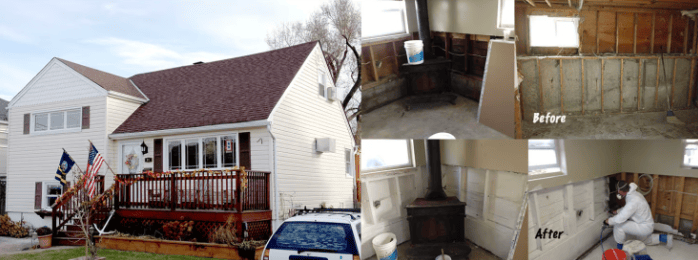
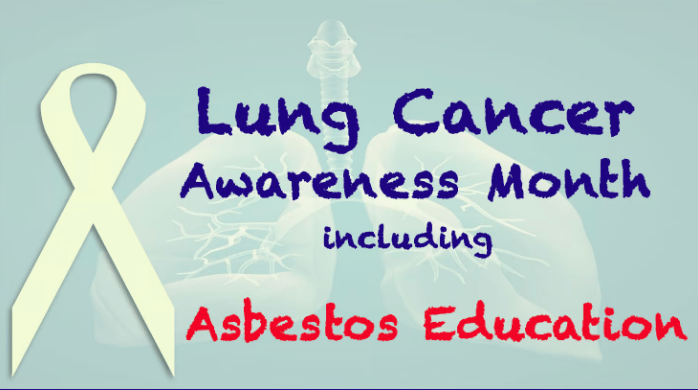
November is Lung Cancer Awareness Month including asbestos education, so this is a good time to raise awareness about preventing unnecessary exposure to asbestos that can cause lung cancer as well as contribute to other possible health concerns.
Wednesday, October 10, 2018
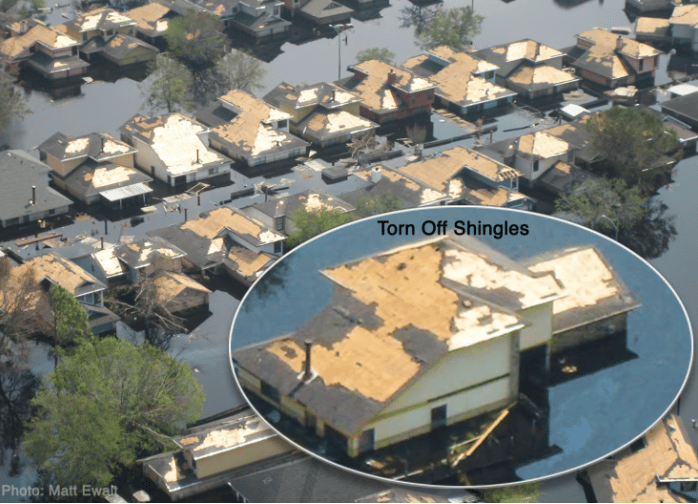
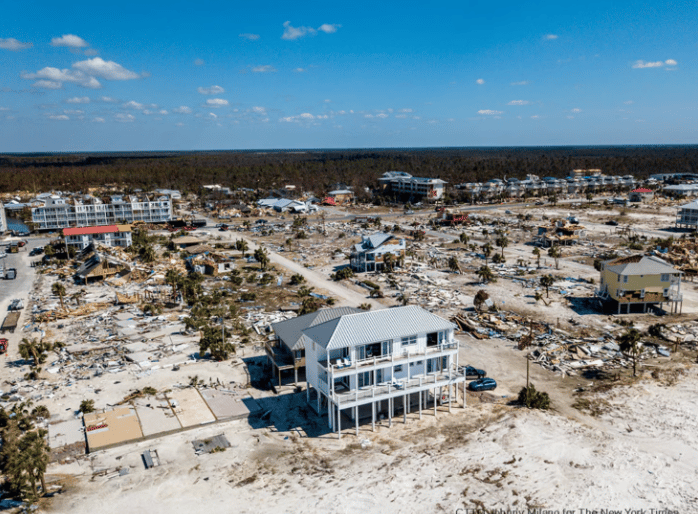
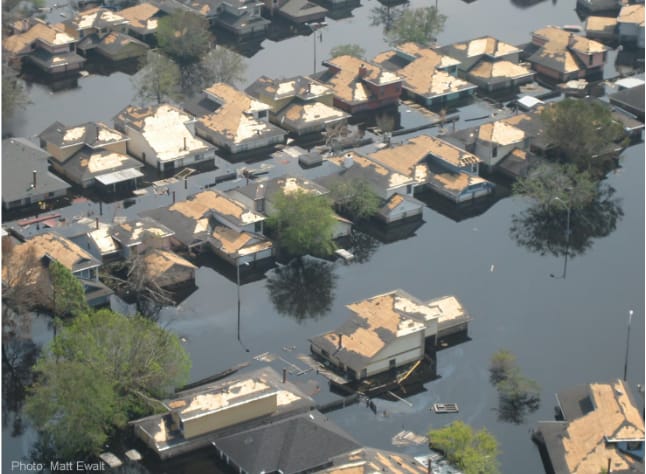
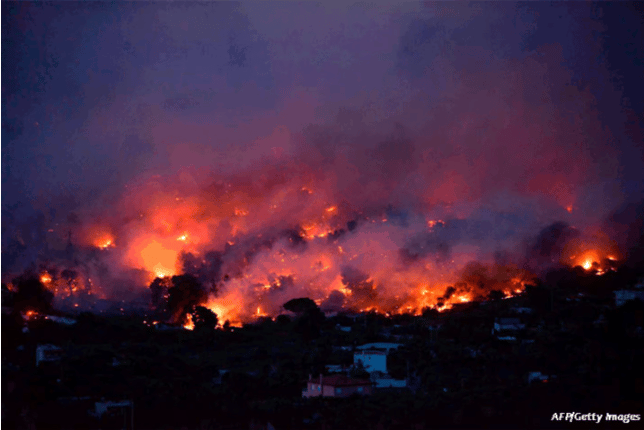
Short of moving your building or raising it up above flooding, the best approach to take to reduce storm, flooding and natural disaster losses is to simply use a proven coating to wind and waterproofthe surfaces in the path of destruction.
Tuesday, September 18, 2018
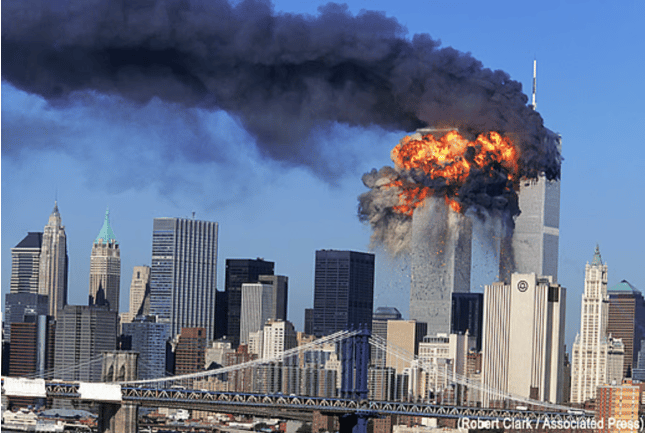
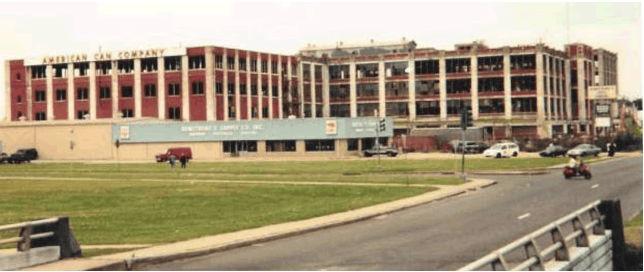
We recently passed the anniversary of 9-11-2001 tragedy of the attack on the Twin Towers in New York. I wanted to remind everyone that the effects of that fateful day are still being felt and especially by some of the heroes that were affected by the initial exposure and then the secondary exposure that took place during the cleanup. Some of those exposed were firefighters, police officers, EMTs (Emergency Medical Technician), construction workers, transit workers, cleanup workers, debris removal crews, truck drivers, nearby office workers, and Lower Manhattan residents.
Tuesday, August 21, 2018
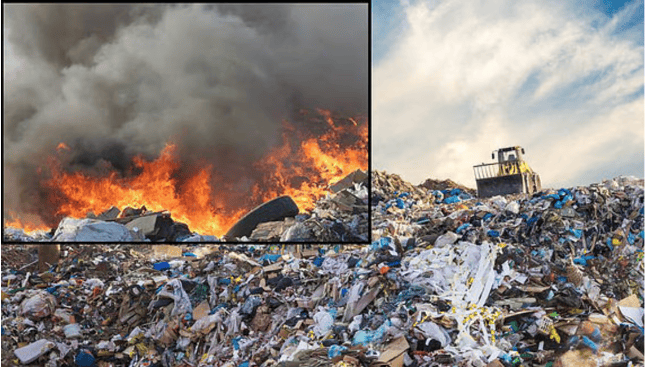
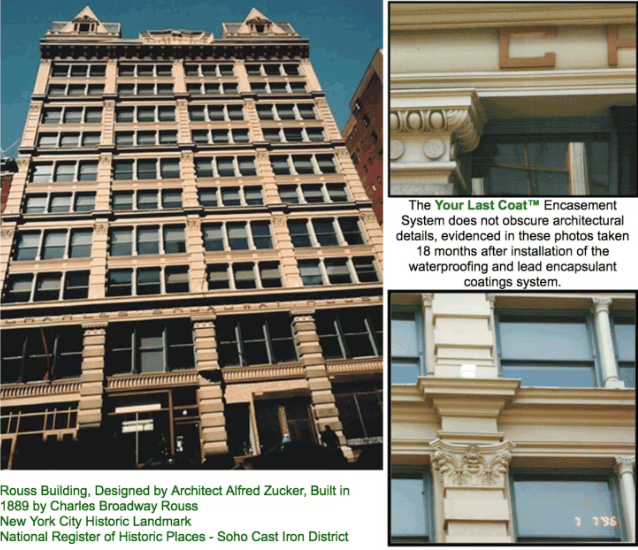
I discussed in a recent blog the importance of keeping the aesthetics of a historic building intact. Making sure that the look and overall presentation on a structure is preserved is very significant. This is especially true with landmark properties that have prominent and distinct features. Preservation can become very difficult when it entails obsolete building materials that contain hazardous materials that are typically removed and replaced. Three of the most common of hazardous materials is lead-based paint, asbestos and PCBs. In the USA, lead was used in paints up until 1978. It then was banned for its negative health effects, especially with children in their developing stages. PCBs, or polychlorinated biphenyls, were banned from paints, caulking and surface coatings in 1979 and asbestos was banned in 1974. All these bans were due to the negative health and environmental effects of these products.
Tuesday, July 17, 2018
Lead Paint Poisoning is Preventable Through Education and Action