Blogs Where Nature Meets Science & Coatings
"If All the Greedy People that Pollute can get Together & Show Strength in Unity – then Honest, Environmentalists Must Do the Same. You See – It’s as Simple As That.” George C. Keefe - ENCASEMENT Guy
Blogs Where Nature Meets Science & Coatings
"If All the Greedy People that Pollute can get Together & Show Strength in Unity – then Honest, Environmentalists Must Do the Same. You See – It’s as Simple As That.” George C. Keefe - ENCASEMENT Guy
Tuesday, January 07, 2025

By: George C. Keefe
“If all the greedy polluters can band together to protect their interests, then honest environmentalists must do the same. It's as simple as that.”
Listen and Learn: Dive into the Audio Version of Our Blog
The world is changing rapidly, and so are the energy systems that power our lives.
Fossil fuels—long considered the backbone of modern economies—are no longer the competitive force they once were.
The truth is stark: staying reliant on coal, oil, and natural gas comes with mounting costs.
These include not only rising prices and economic inefficiencies but also devastating environmental consequences that threaten the health of our planet and the people who call it home.
In this episode I emphasize that this isn't just a story of loss; it's a story of opportunity.
We stand at a pivotal moment in history—a window, although a narrow one, where bold choices can shape a brighter future for generations to come.
The True Cost of Fossil Fuels
For decades, fossil fuels dominated the global economy, driving industrial growth and innovation.
But that era is waning.
Today, fossil fuels are increasingly expensive to extract and transport, and the environmental toll is undeniable.
Rising sea levels, extreme weather events, and widespread ecological damage are directly linked to the burning of these fuels.
Add to this the spiraling healthcare costs from pollution-related illnesses, and it becomes clear: the price of fossil fuels extends far beyond your monthly energy bill.
Governments and businesses that cling to fossil fuels risk falling behind in a world that is shifting toward clean energy and sustainability.
Renewable energy sources such as wind, solar, and geothermal are not only cleaner but also becoming more affordable and efficient every year.
Countries investing in these technologies are creating jobs, stimulating economic growth, and securing energy independence—all while protecting the environment.
Seizing the Moment: Why Acting Now Matters
The challenge of climate change is immense, but so is the opportunity to solve it.
Scientists and environmental experts agree: the time to act is now.
Delaying action only compounds the problem, making it more expensive and difficult to address in the future.
The longer we wait, the narrower our window becomes for meaningful change.
But there’s good news.
People and industries around the world are stepping up to tackle the climate crisis head-on.
From innovative startups developing cutting-edge clean energy solutions to communities adopting greener practices, the momentum for change is unstoppable.
One key aspect of this transition involves reevaluating not only how we power our world but also how we build and protect it.
Green Coatings: A Powerful Ally in Climate Restoration
While reducing greenhouse gas emissions is essential, protecting existing structures and minimizing resource waste is equally critical.
This is where eco-friendly products like Green Coatings ENCASEMENT play a transformative role.
These advanced coatings are designed to safeguard buildings from environmental damage while extending their lifespan.
By encasing surfaces with protective, sustainable layers, these coatings prevent the need for frequent repairs or replacements, reducing waste and conserving resources.
Green coatings are more than just a practical solution—they are a symbol of what’s possible when innovation meets environmental responsibility.
By choosing eco-friendly building materials and products, we are not only protecting structures from the effects of a changing climate but also contributing to the larger effort to restore and sustain our planet.
Protecting People, Buildings, and the Planet
The transition to a sustainable future isn’t just about energy—it’s about rethinking how we interact with our environment at every level.
Using green coatings is a tangible way to align everyday choices with the broader fight against climate change.
These products protect the people who live and work in buildings, preserve the integrity of structures, and reduce environmental impact—all while playing a role in the global movement to restore the climate.
To Sum IT Up:
As we move forward, it’s important to remember that the choices we make today will shape the world of tomorrow.
By embracing sustainable solutions like renewable energy and green coatings, we can build a future where economies thrive, communities flourish, and the planet heals.
The future is bright—but only if we make it so.
Let’s work together to ensure a competitive, sustainable, and resilient economy for generations to come.
The time to act is now, and the tools to create change are already in our hands.
“The strongest governments on earth cannot clean up pollution by themselves. They must rely on each ordinary person, like you and me, on our choices, and on our will.” - Chai Jing - Chinese Journalist & Author.
What are your questions?
We are always here to help and excited to answer them.
Contact us at +1 (800) 266-3982 , or send us an email at service@encasement.com and leave a comment below.
See other posts like this one:


Friday, November 16, 2018
November is Lung Cancer Awareness Month including asbestos education, so this is a good time to raise awareness about preventing unnecessary exposure to asbestos that can cause lung cancer as well as contribute to other possible health concerns.

Wednesday, October 10, 2018
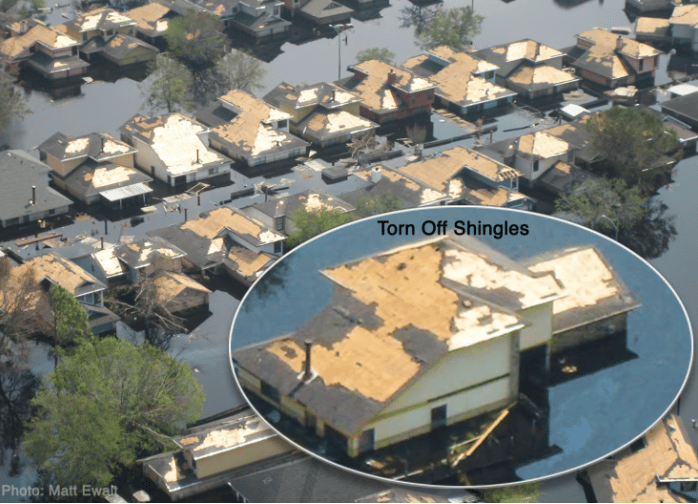
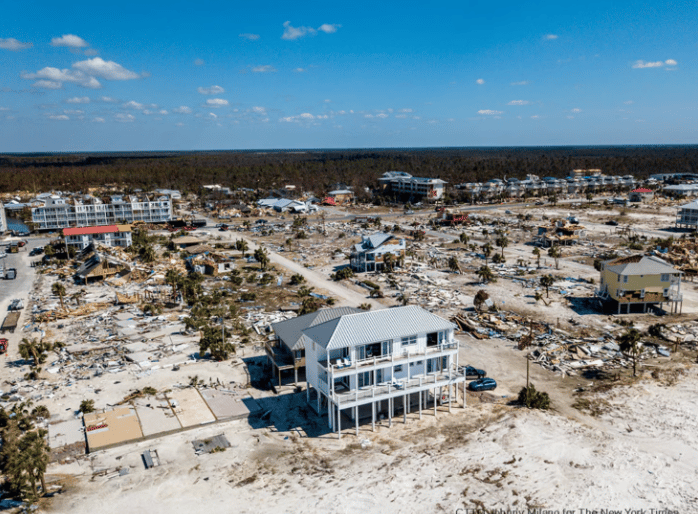
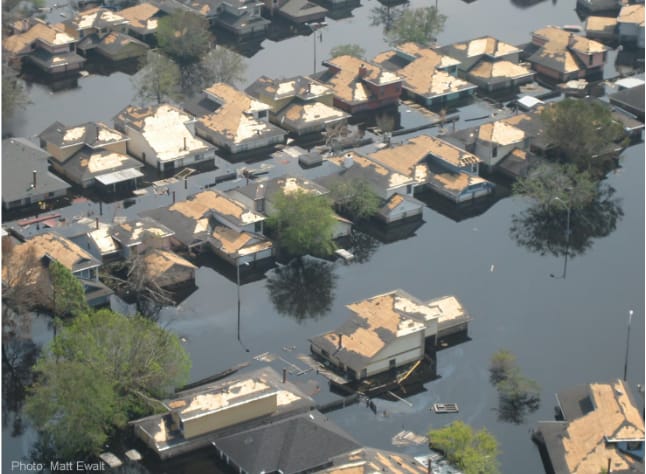
Short of moving your building or raising it up above flooding, the best approach to take to reduce storm, flooding and natural disaster losses is to simply use a proven coating to wind and waterproofthe surfaces in the path of destruction.

Tuesday, September 18, 2018
We recently passed the anniversary of 9-11-2001 tragedy of the attack on the Twin Towers in New York. I wanted to remind everyone that the effects of that fateful day are still being felt and especially by some of the heroes that were affected by the initial exposure and then the secondary exposure that took place during the cleanup. Some of those exposed were firefighters, police officers, EMTs (Emergency Medical Technician), construction workers, transit workers, cleanup workers, debris removal crews, truck drivers, nearby office workers, and Lower Manhattan residents.
Tuesday, August 21, 2018
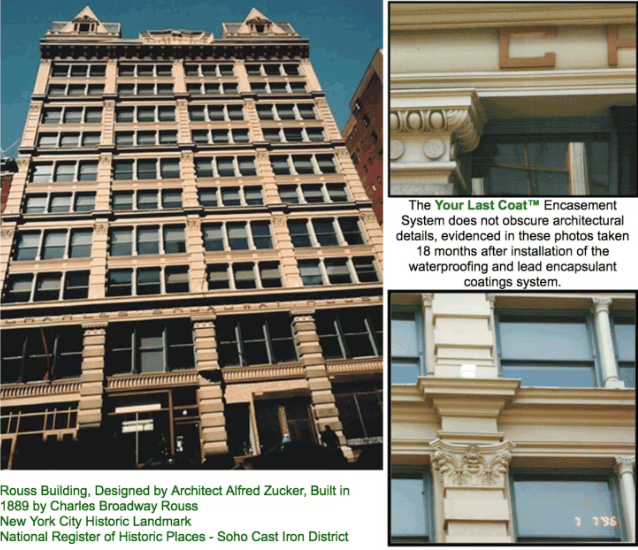
I discussed in a recent blog the importance of keeping the aesthetics of a historic building intact. Making sure that the look and overall presentation on a structure is preserved is very significant. This is especially true with landmark properties that have prominent and distinct features. Preservation can become very difficult when it entails obsolete building materials that contain hazardous materials that are typically removed and replaced. Three of the most common of hazardous materials is lead-based paint, asbestos and PCBs. In the USA, lead was used in paints up until 1978. It then was banned for its negative health effects, especially with children in their developing stages. PCBs, or polychlorinated biphenyls, were banned from paints, caulking and surface coatings in 1979 and asbestos was banned in 1974. All these bans were due to the negative health and environmental effects of these products.

Tuesday, July 17, 2018
Lead Paint Poisoning is Preventable Through Education and Action