Blogs Where Nature Meets Science & Coatings
"If All the Greedy People that Pollute can get Together & Show Strength in Unity – then Honest, Environmentalists Must Do the Same. You See – It’s as Simple As That.” George C. Keefe - ENCASEMENT Guy
Blogs Where Nature Meets Science & Coatings
"If All the Greedy People that Pollute can get Together & Show Strength in Unity – then Honest, Environmentalists Must Do the Same. You See – It’s as Simple As That.” George C. Keefe - ENCASEMENT Guy
Thursday, June 13, 2024
Listen and Learn: Dive into the Audio Version of Our Blog
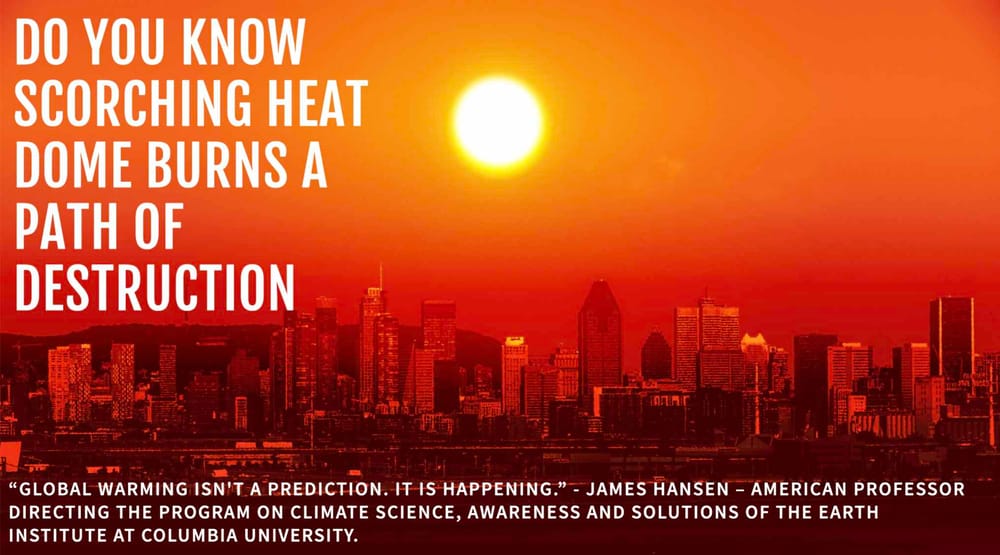
As summer's arrival ushers in a punishing heat dome, temperatures are skyrocketing to dangerous levels across the Western United States.
This first significant heat wave of the year is just the beginning of what's shaping up to be a brutally hot season exacerbated by climate change.
And the heat hasn't even peaked yet.
In this episode I draw attention to how forecasts show July-like highs of 20 to 25 degrees above normal in multiple states, likely shattering daily record highs for millions.
These temperatures won't just be uncomfortable – they'll be downright dangerous for anyone exposed without ability to cool off.
Worse, there will be no relief at night as the world continues warming.
People aren't the only ones at risk from this excessive heat.
Buildings and structures face an onslaught that can cause significant damage over time.
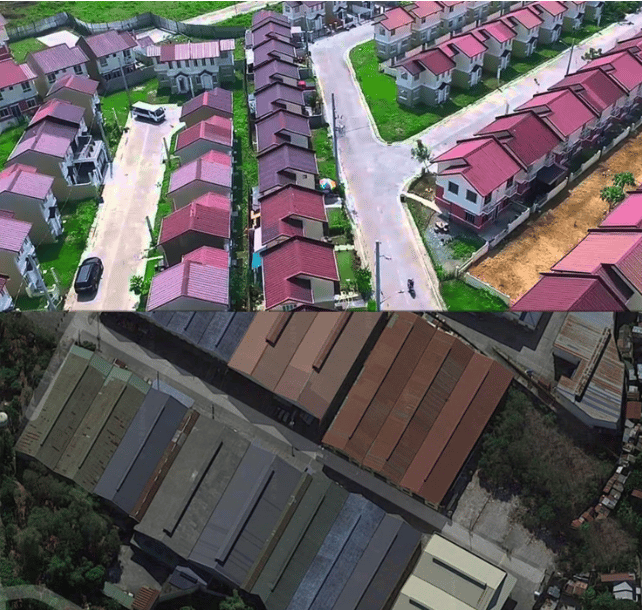
Prolonged heat and UV exposure breaks down roofing materials, causing them to deteriorate, crack, and leak.
Excessive thermal expansion and contraction can compromise the integrity of concrete, bricks, and other masonry.
Even metal components expand in the heat, putting stress on frames, joints, and fasteners.
Scorching temperatures quite literally bake the life out of many construction materials and buildings in general.
Asphalt road surfaces become soft and pliable.
Protective coatings like typical weak paints and sealants lose adhesion, peel, and flake away.
Plastic piping, vinyl siding, and rubber membranes harden, turn brittle and fail prematurely.
The combination of heat, UV, and thermal cycling (repeated heating and cooling of a surface) is brutal on buildings.
That's why it's so important to use the right long-term, defensive coatings to protect surfaces from this type of extreme weather.
Ultra-durable, long lasting, eco-friendly roof and wall coatings utilize the latest advancements to provide exceptional heat and UV resistance.
Quality heat-reflective formula actually help reduce thermal burden.
And because they last for decades without failure, they reduce maintenance costs and environmental impact.
Turning buildings and other surfaces solar reflective with the right green coatings creates a new opportunity to save money and lives by producing passive cooling and helps cut down on the overall Heat Island Effect.
To Sum IT Up:
As climate change continues making heat waves more frequent and intense, using the proper high-performance green building products is critical.
As summer kicks off, we're facing a punishing heat dome sending temperatures to dangerous levels.
This is the year's first major heat wave, with July-like highs soaring 20 to 25 degrees above normal across the Western states.
Expect several record highs and millions affected.
This extreme heat poses serious threats not just to our health but also to our buildings and infrastructure.
Vulnerable populations are at risk, and high temperatures are accelerating the wear and tear on materials, causing structural damage and increased energy strain.
But there's hope!
With the new opportunity of using eco-friendly solutions, we can protect our environment and our buildings.
Cool roof and thermal insulating coatings that are sustainable building materials can help mitigate these effects.
Investing in these proven protective solutions today helps preserve our structures for years to come while aligning with sustainable environmental practices.
When the heat is on, the right, high-quality green coatings have your back.
“Global warming isn't a prediction. It is happening.” - James Hansen – American Professor Directing the Program on Climate Science, Awareness and Solutions of the Earth Institute at Columbia University.
What are your questions?
We are always here to help and excited to answer them.
Contact us at +1 (800) 266-3982 , or send us an email at service@encasement.com and leave a comment below.
See other posts like this one:
Friday, November 16, 2018
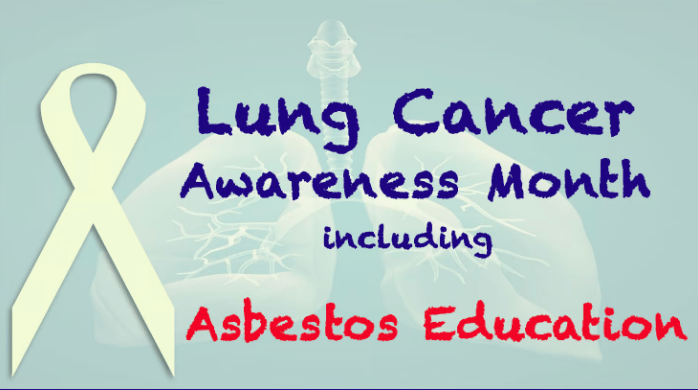
November is Lung Cancer Awareness Month including asbestos education, so this is a good time to raise awareness about preventing unnecessary exposure to asbestos that can cause lung cancer as well as contribute to other possible health concerns.
Wednesday, October 10, 2018
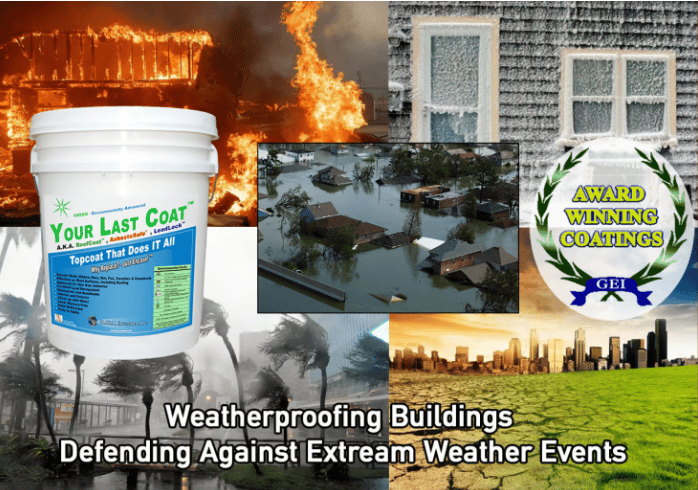
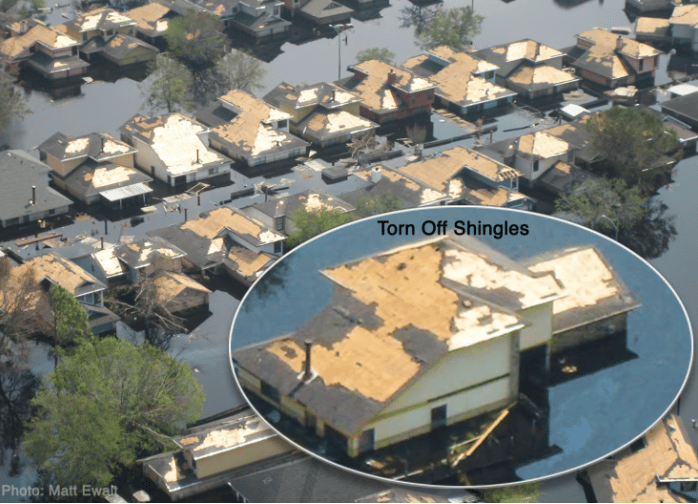
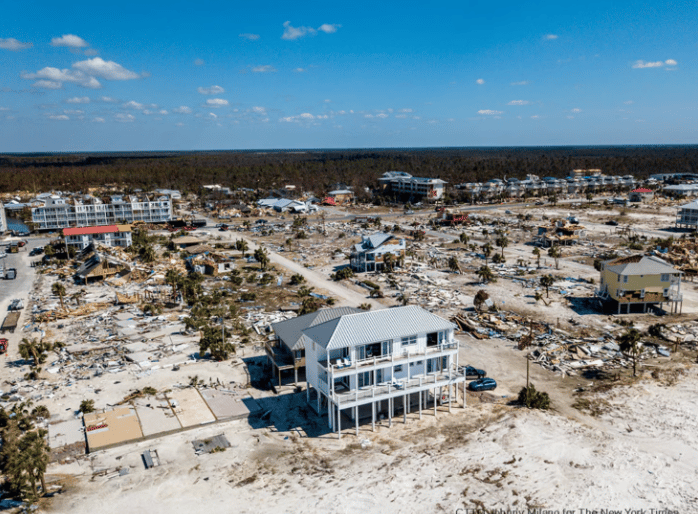
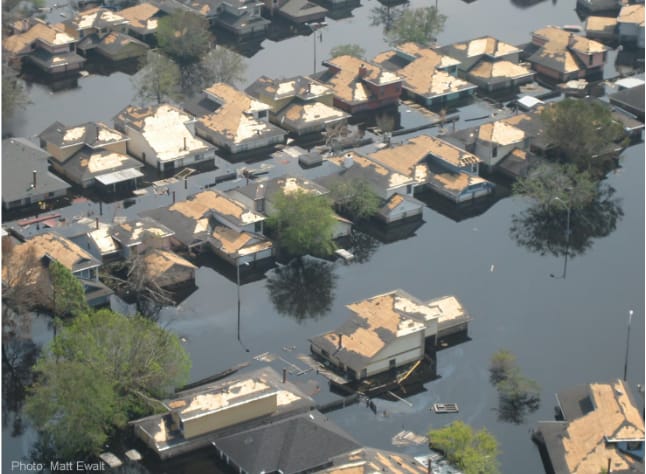
Short of moving your building or raising it up above flooding, the best approach to take to reduce storm, flooding and natural disaster losses is to simply use a proven coating to wind and waterproofthe surfaces in the path of destruction.
Tuesday, September 18, 2018
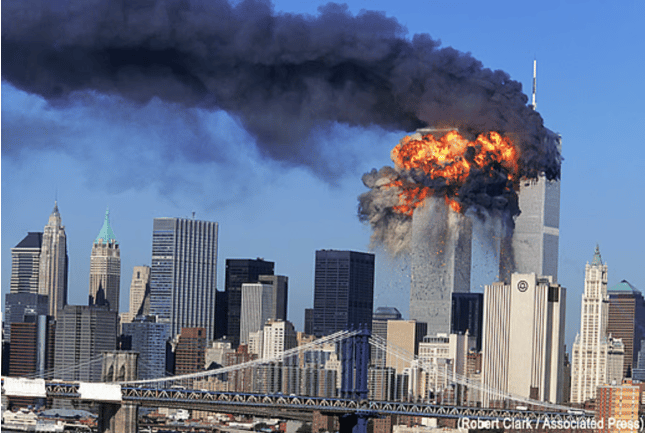
We recently passed the anniversary of 9-11-2001 tragedy of the attack on the Twin Towers in New York. I wanted to remind everyone that the effects of that fateful day are still being felt and especially by some of the heroes that were affected by the initial exposure and then the secondary exposure that took place during the cleanup. Some of those exposed were firefighters, police officers, EMTs (Emergency Medical Technician), construction workers, transit workers, cleanup workers, debris removal crews, truck drivers, nearby office workers, and Lower Manhattan residents.
Tuesday, August 21, 2018
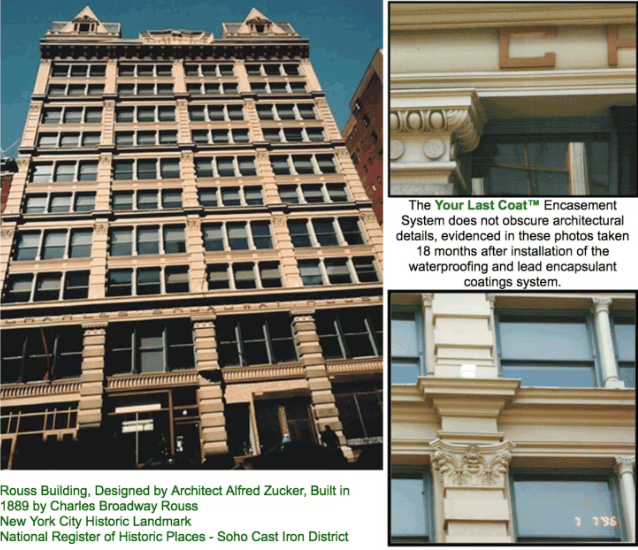
I discussed in a recent blog the importance of keeping the aesthetics of a historic building intact. Making sure that the look and overall presentation on a structure is preserved is very significant. This is especially true with landmark properties that have prominent and distinct features. Preservation can become very difficult when it entails obsolete building materials that contain hazardous materials that are typically removed and replaced. Three of the most common of hazardous materials is lead-based paint, asbestos and PCBs. In the USA, lead was used in paints up until 1978. It then was banned for its negative health effects, especially with children in their developing stages. PCBs, or polychlorinated biphenyls, were banned from paints, caulking and surface coatings in 1979 and asbestos was banned in 1974. All these bans were due to the negative health and environmental effects of these products.
Tuesday, July 17, 2018
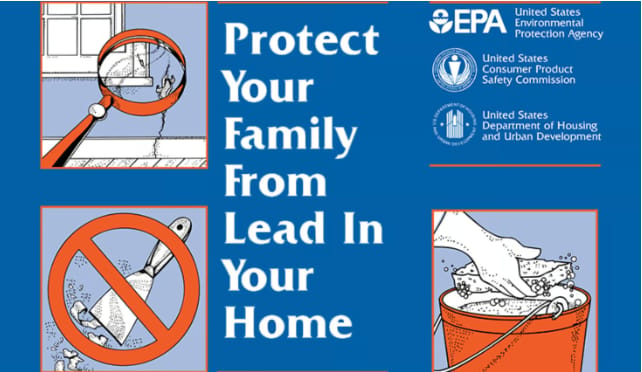
Lead Paint Poisoning is Preventable Through Education and Action