Blogs Where Nature Meets Science & Coatings
"If All the Greedy People that Pollute can get Together & Show Strength in Unity – then Honest, Environmentalists Must Do the Same. You See – It’s as Simple As That.” George C. Keefe - ENCASEMENT Guy
Blogs Where Nature Meets Science & Coatings
"If All the Greedy People that Pollute can get Together & Show Strength in Unity – then Honest, Environmentalists Must Do the Same. You See – It’s as Simple As That.” George C. Keefe - ENCASEMENT Guy
Tuesday, February 04, 2025
By: George C. Keefe
“If all the greedy polluters can band together to protect their interests, then honest environmentalists must do the same. It's as simple as that.”
In an era where climate change isn't just a distant threat but a daily reality, protecting our homes and buildings has never been more crucial.
As extreme weather events intensify and natural disasters become more frequent, many property owners feel overwhelmed and vulnerable.
In this episode I stress there's a simple coating solution with GEI (Global ENCASEMENT, Inc.) and it's greener than you might think.
For over three decades at GEI, we've witnessed firsthand how our innovative green coating ENCASEMENT technologies can transform vulnerable structures into resilient fortresses against climate challenges.
These aren't just ordinary paints – they're advanced defensive shields that stand guard against nature's increasingly unpredictable moods.
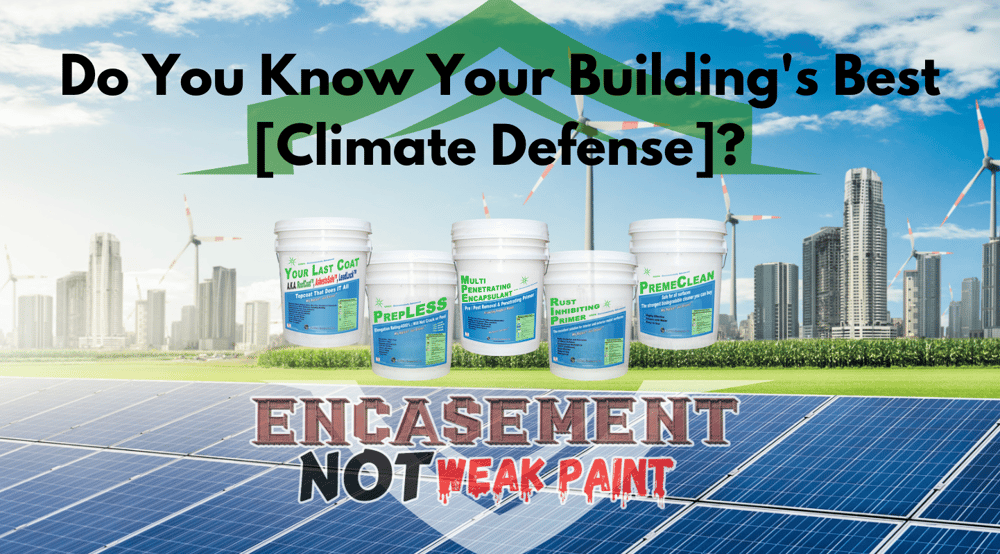
Maybe a good place for the banner “Not Paint – ENCASEMENT”
Think about your building as a suit of armor.
Every seam, joint, and surface represents a potential weakness that extreme weather can exploit.
Traditional building materials often leave these vulnerable points exposed, but our modern green coating solutions create an unbroken, protective barrier that covers every inch of your structure.
It's like giving your building a second skin – one that's specifically engineered to resist whatever mother nature throws its way.
The beauty of GEI ENCASEMENT coating solutions lies in their versatility and environmental consciousness.
Unlike traditional building protection methods that often involve tear-offs and replacements – creating tons of waste and environmental damage – these coatings work with your existing structure.
They're zero-VOC, water-based, and biodegradable, meaning you're not just protecting your property; you're also being a good steward of our planet.
But what makes these solutions truly revolutionary is their long-term impact.
With renewable warranties extending up to 20 years per cycle, these coatings aren't just a temporary fix – they're a lasting investment in your property's future.
They can save up to 75% compared to traditional removal and replacement methods, making them not just environmentally responsible but economically smart too.
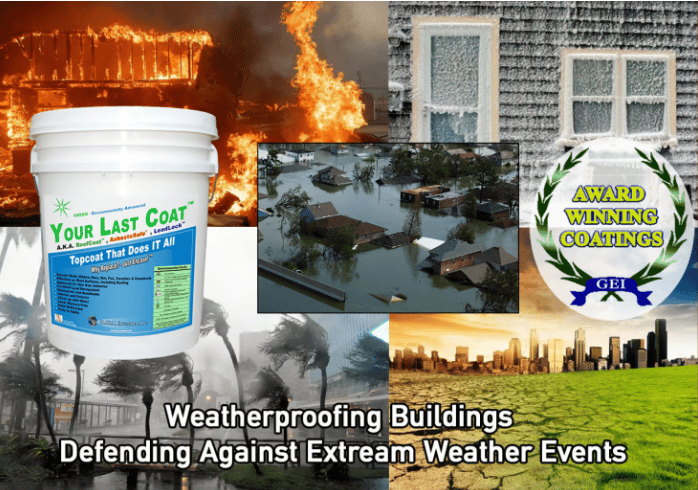
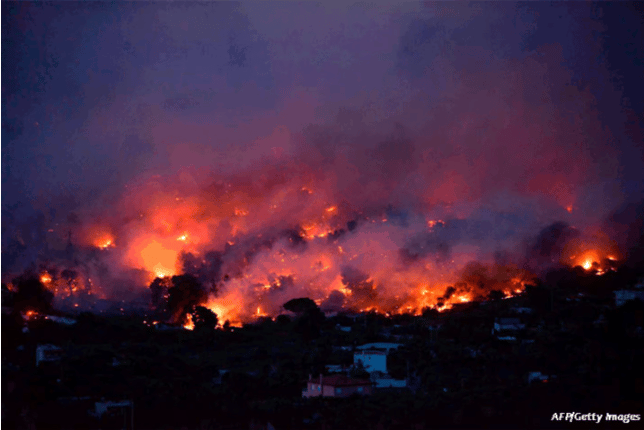
Consider the rising threats: stronger storms, intense heat waves, unprecedented flooding, and devastating wildfires.
Each of these challenges requires specific defensive measures.
Our protective green coating ENCASEMENT provide comprehensive protection against all these threats.
They create waterproof barriers that prevent flood damage, reflect solar radiation to reduce heat impact, and even help contain hazardous materials during disaster cleanup.
The technology behind these solutions is remarkable.
Through advanced cross-link bonding, these coatings create a seamless, monolithic membrane that adheres powerfully to various surfaces.
This means no weak points, no vulnerable seams, and no easy access for wind or water to cause damage.
It's like having an invisible shield that moves and flexes with your building while maintaining its protective properties.
For those concerned about our changing climate, taking action to protect your property isn't just about self-preservation – it's about being part of the solution.
By choosing green coating ENCASEMENT solutions, you're not only defending your investment but also contributing to a more sustainable future.
These coatings reduce waste, minimize environmental impact, and help buildings become more energy-efficient through their solar-reflective properties.
The time for action is now.
As we face increasing climate challenges, waiting to protect our properties isn't just risky – it's potentially costly.
The good news is that with our modern green coating technologies, we have the tools to face these challenges head-on.
It's not just about surviving climate change; it's about adapting and thriving in the face of it.
Remember, every building protected is a statement of hope and resilience.
It's a declaration that we're not powerless against climate change – we have the technology, the solutions, and the ability to protect what matters most to us while being mindful of our environmental impact.
Let GEI assist you in defending and protecting what you have!
Contact us Today at: +1-800-266-3982
Email: Service@ENCASEMENT.com
Website: www.ENCASEMENT.com
See other posts like this one:
Friday, November 16, 2018
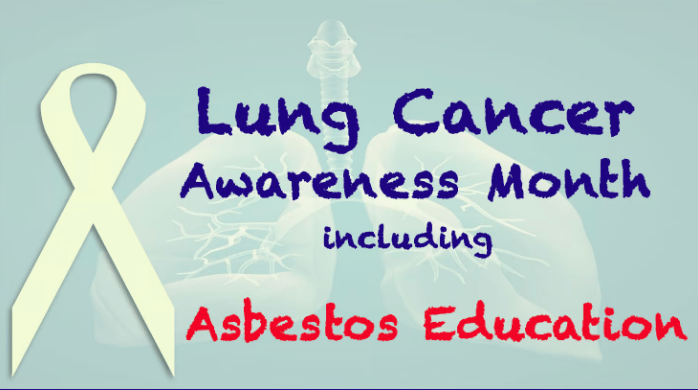
November is Lung Cancer Awareness Month including asbestos education, so this is a good time to raise awareness about preventing unnecessary exposure to asbestos that can cause lung cancer as well as contribute to other possible health concerns.
Wednesday, October 10, 2018
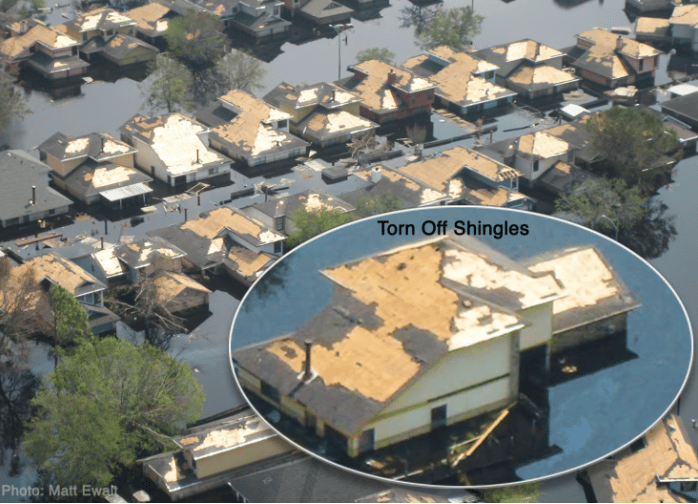
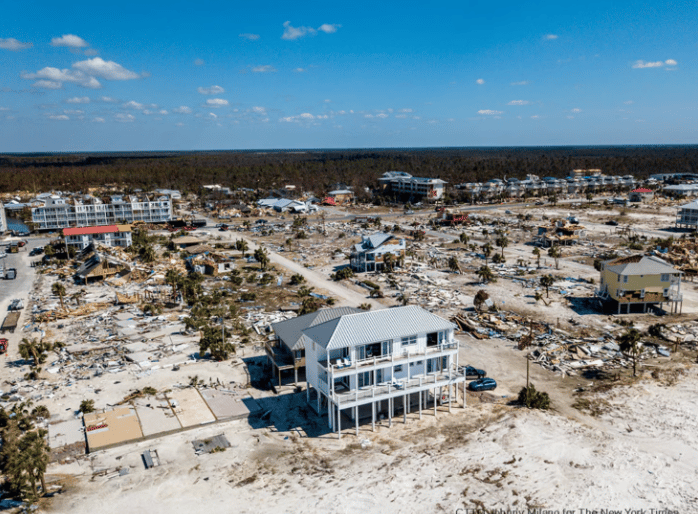
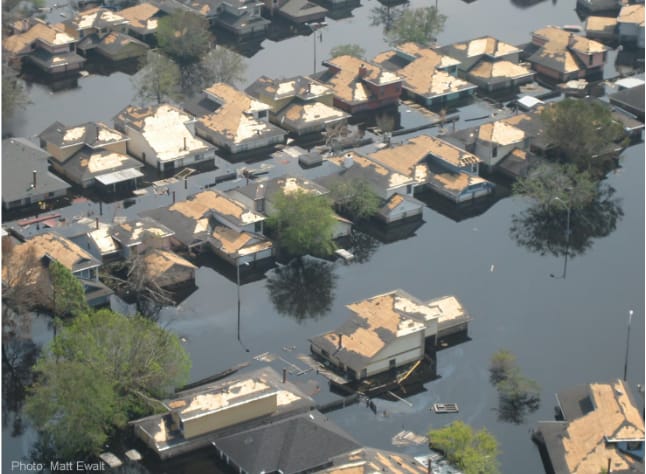
Short of moving your building or raising it up above flooding, the best approach to take to reduce storm, flooding and natural disaster losses is to simply use a proven coating to wind and waterproofthe surfaces in the path of destruction.

Tuesday, September 18, 2018
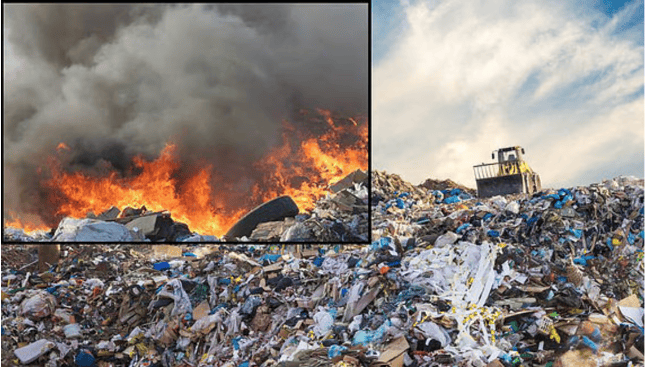
We recently passed the anniversary of 9-11-2001 tragedy of the attack on the Twin Towers in New York. I wanted to remind everyone that the effects of that fateful day are still being felt and especially by some of the heroes that were affected by the initial exposure and then the secondary exposure that took place during the cleanup. Some of those exposed were firefighters, police officers, EMTs (Emergency Medical Technician), construction workers, transit workers, cleanup workers, debris removal crews, truck drivers, nearby office workers, and Lower Manhattan residents.
Tuesday, August 21, 2018
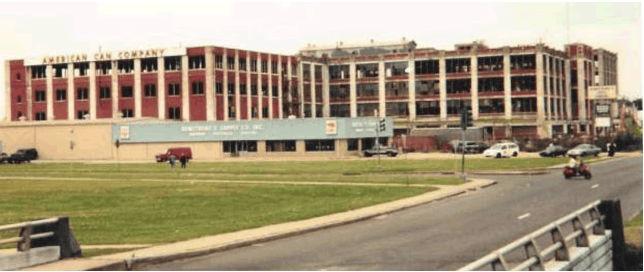
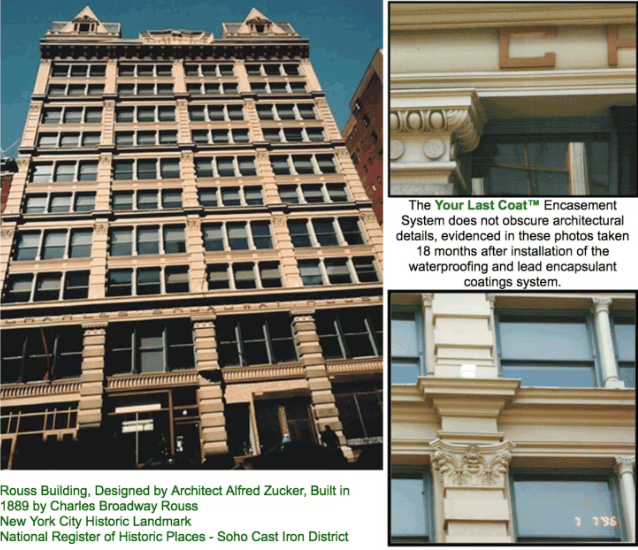
I discussed in a recent blog the importance of keeping the aesthetics of a historic building intact. Making sure that the look and overall presentation on a structure is preserved is very significant. This is especially true with landmark properties that have prominent and distinct features. Preservation can become very difficult when it entails obsolete building materials that contain hazardous materials that are typically removed and replaced. Three of the most common of hazardous materials is lead-based paint, asbestos and PCBs. In the USA, lead was used in paints up until 1978. It then was banned for its negative health effects, especially with children in their developing stages. PCBs, or polychlorinated biphenyls, were banned from paints, caulking and surface coatings in 1979 and asbestos was banned in 1974. All these bans were due to the negative health and environmental effects of these products.
Tuesday, July 17, 2018
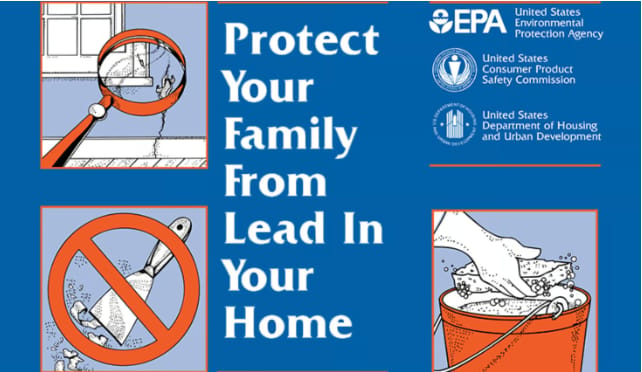
Lead Paint Poisoning is Preventable Through Education and Action