
Blogs Where Nature Meets Science & Coatings
"If All the Greedy People that Pollute can get Together & Show Strength in Unity – then Honest, Environmentalists Must Do the Same. You See – It’s as Simple As That.” George C. Keefe - ENCASEMENT Guy
Blogs Where Nature Meets Science & Coatings
"If All the Greedy People that Pollute can get Together & Show Strength in Unity – then Honest, Environmentalists Must Do the Same. You See – It’s as Simple As That.” George C. Keefe - ENCASEMENT Guy
Monday, October 14, 2024
By: George C. Keefe
“If all the greedy polluters can band together to protect their interests, then honest environmentalists must do the same. It's as simple as that.”
Listen and Learn: Dive into the Audio Version of Our Blog
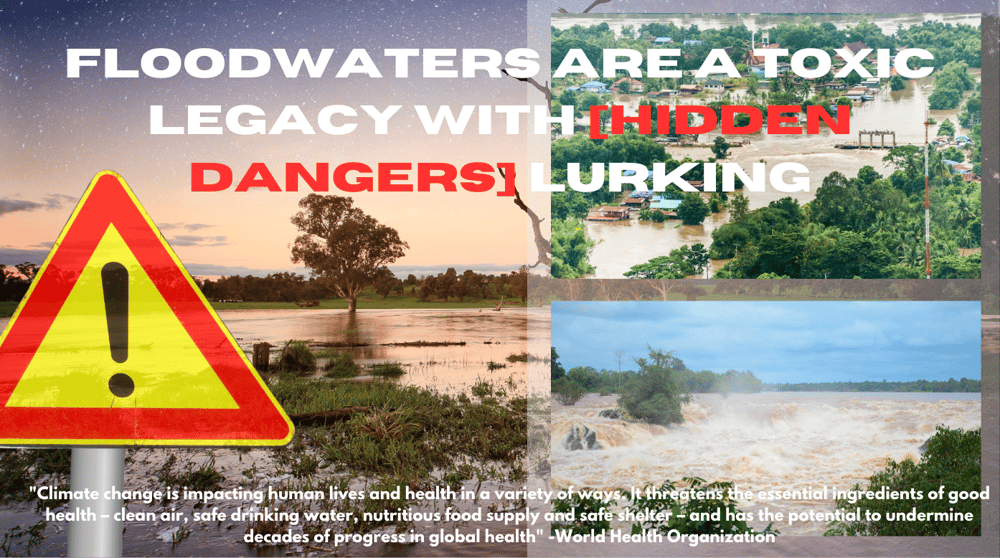
When the waters recede after a devastating flood or hurricane, a silent threat remains.
The seemingly harmless mud and debris left behind hide a toxic cocktail that poses significant risks to human health and the environment.
In this episode I highlight this unseen danger, known as secondary exposure, something I've personally experienced and how it can persist long after the initial disaster has passed.
Floodwaters are indiscriminate in what they collect and carry.
As they surge through communities, they mix with raw sewage, industrial chemicals, and countless other pollutants.
The destructive force of these waters also pulverizes solid hazardous materials, breaking them down into fine particles that become part of this toxic soup.
As the land dries out, it may appear that the danger has passed.
However, this is far from the truth.
The contaminated surfaces left behind by floodwaters become a source of ongoing pollution.
As they dry, these surfaces release toxic particles into the air, soil, and surrounding environment.
This process can continue for extended periods, creating a long-term health hazard for residents and recovery workers alike.
The risks associated with this secondary exposure are significant and varied.
Inhaling or coming into contact with these toxic particles can lead to a range of health issues, from respiratory problems and skin irritations to more severe long-term effects.
Children, the elderly, and those with pre-existing health conditions are particularly vulnerable to these hidden dangers.
Addressing this issue requires a comprehensive approach to post-flood cleanup and restoration.
Simply moving or disposing of contaminated debris without proper precautions can further spread the contamination.
Instead, experts recommend implementing a "lockdown" procedure to manage surface contaminants before handling or relocating affected materials.
For surfaces that will be reused, such as walls or other structural elements, thorough cleaning is essential.
However, cleaning alone may not be sufficient.
Any residual particulates should be locked in place to prevent future release.
This is where innovative, eco-friendly solutions come into play.
The right green coatings and encasement technologies offer a promising solution to this complex problem.
These products are designed to seal in contaminants, preventing their release into the environment while also being safe for human contact.
By choosing eco-friendly options, we can address the immediate health concerns while also considering the broader environmental impact.
The use of the long-term green coatings in post-flood restoration aligns with the growing awareness of climate change and the need for sustainable practices.
These products not only protect people and buildings from the immediate dangers of flood-related contamination but also contribute to long-term environmental health.
As we face the realities of a changing climate, with predictions of more frequent and severe flooding events, the importance of such solutions cannot be overstated.
By incorporating green technologies into our disaster response and recovery efforts, we can create a more resilient and sustainable approach to dealing with the aftermath of floods and hurricanes.
The connection between flood contamination, eco-friendly restoration practices, and the broader climate crisis is clear.
Each flood event serves as a stark reminder of the interconnectedness of our environment and the need for holistic solutions that protect both human health and the planet.
As we move forward, it's crucial that we not only focus on immediate disaster response but also on long-term strategies that address the hidden dangers left behind by floodwaters.
By embracing the right green technologies and sustainable practices, we can turn the challenge of post-flood restoration into an opportunity for environmental stewardship.
To Sum IT Up:
The toxic legacy of floodwaters presents a complex challenge that requires innovative solutions.
By recognizing the hidden dangers and adopting eco-friendly approaches to containment and restoration, we can protect our communities, our buildings, and our planet.
As we face an uncertain climate future, these green solutions offer a path forward that addresses immediate health concerns while contributing to the broader fight against climate change.
"Climate change is impacting human lives and health in a variety of ways. It threatens the essential ingredients of good health – clean air, safe drinking water, nutritious food supply and safe shelter – and has the potential to undermine decades of progress in global health" -World Health Organization
What are your questions?
We are always here to help and excited to answer them.
Contact us at +1 (800) 266-3982 , or send us an email at service@encasement.com and leave a comment below.
See other posts like this one:

Tuesday, November 17, 2026
Solar can reduce dependence on volatile energy markets and turn rooftops into productive assets. But a rooftop solar system and the roof beneath it must be planned as one long-term system — because a clean-energy investment can become a costly maintenance problem if the roof, attachment points, and water-control details are not ready for decades of service.

Tuesday, November 10, 2026
The word "abatement" doesn't mean "rip it out." Understanding the real definition can save building owners tens of thousands of dollars -- and spare them years of unnecessary disruption. In my 50+ years in the field, I've watched this single misconception drive some of the most wasteful decisions in building management. It's time to set the record straight.
Tuesday, November 03, 2026
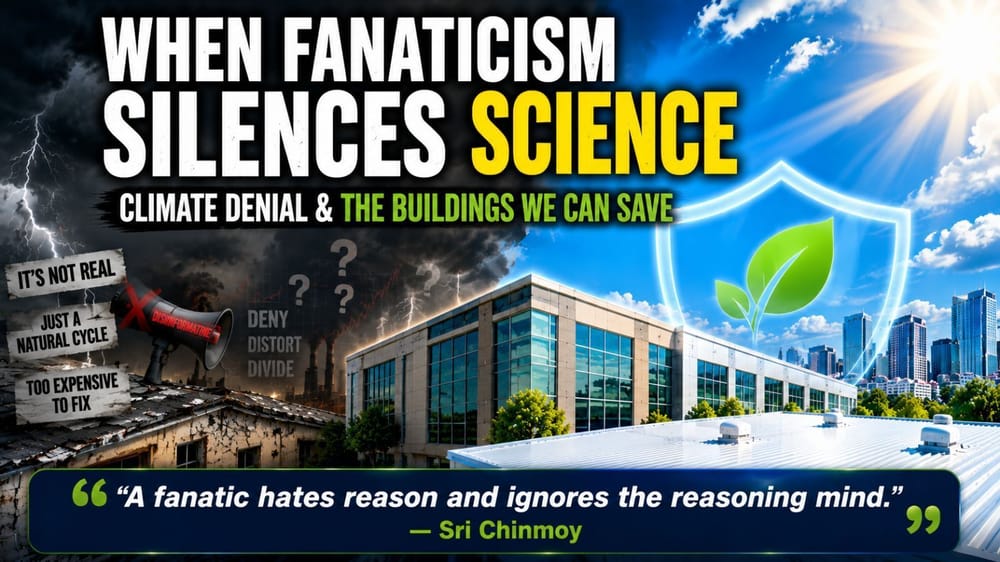
A quote, a warning, and a practical response — because when reason is under attack, doing the right thing becomes both a moral act and a market advantage.

Tuesday, October 27, 2026
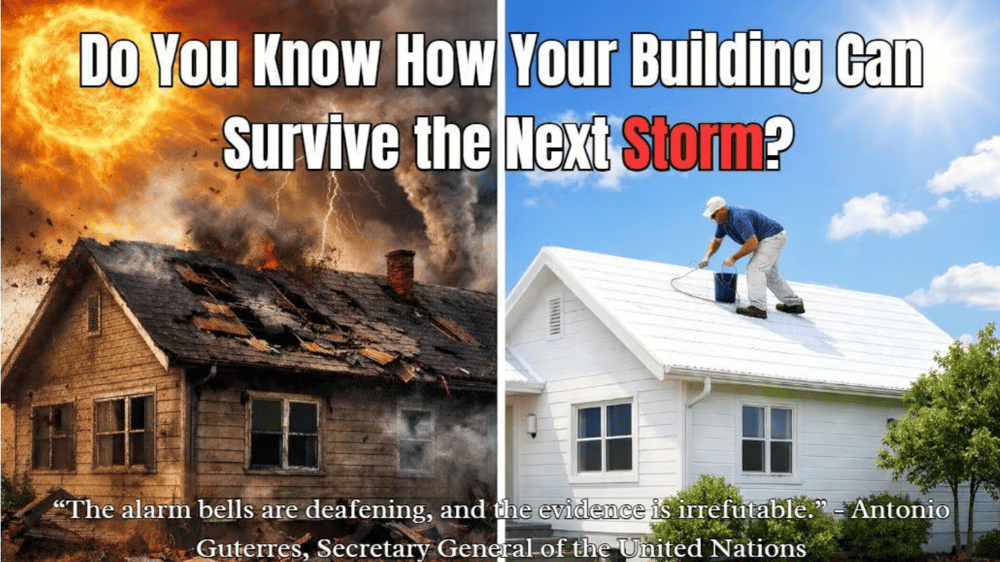
The storms are not coming. They are already here. Climate science has spent decades warning us about intensifying heat, heavier rainfall, rising seas, stronger coastal hazards, and weather extremes that place aging buildings under stresses many of them were never designed to endure.

Tuesday, October 20, 2026
Less than 9% of the people applying protective coatings to buildings and structures in America are women — in a trade that requires no special strength, no tools a woman doesn't already know how to use, and no barriers that have anything to do with capability. That statistic isn't just surprising. From my experience, it represents one of the largest untapped professional opportunities in the country — and it's about to get even bigger.

Tuesday, October 13, 2026
The maintenance-treadmill coating industry has a dirty secret: your building's repeated failures aren't bad luck. They're the business model. Here's what 40+ years in the field taught me, and what Green ENCASEMENT Coatings do about it.

Tuesday, October 06, 2026
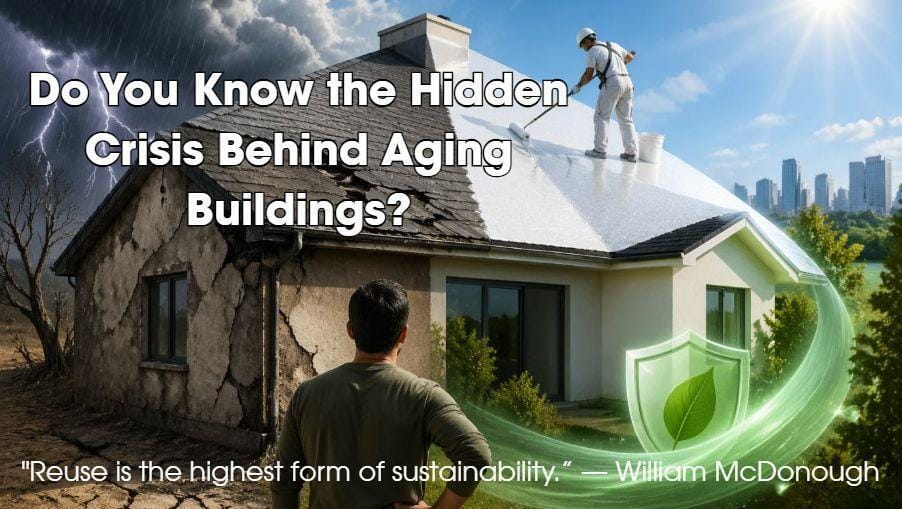
Ordinary paint can make a building look protected while heat, moisture, UV, wind, and seasonal movement keep attacking beneath the surface. Green ENCASEMENT Coatings change the protection strategy.
Tuesday, September 29, 2026
The Renewable Revolution: How Green ENCASEMENT Coatings Are Redefining Building Surfaces

Tuesday, September 22, 2026
History has already shown where buildings fail. The smarter strategy is to study those failures, strengthen the envelope before the next event, and preserve what can still be protected.
Tuesday, September 15, 2026
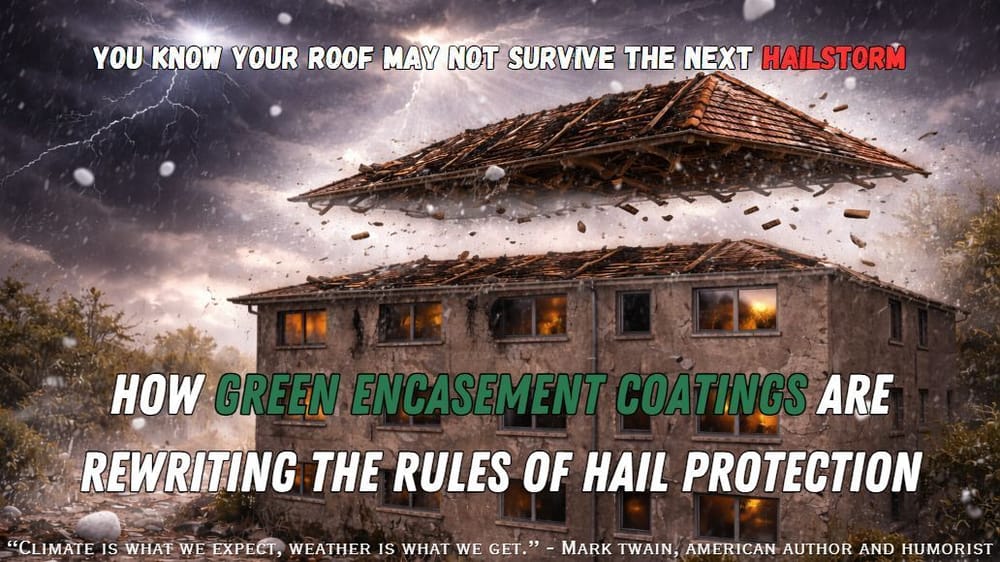
How Green ENCASEMENT Coatings are rewriting the rules of hail protection — before impact damage becomes a roof replacement problem.

Tuesday, September 08, 2026
Why Green ENCASEMENT Coatings can cost more at the beginning — and still cost far less over the life of your building.




Tuesday, August 04, 2026