Blogs Where Nature Meets Science & Coatings
"If All the Greedy People that Pollute can get Together & Show Strength in Unity – then Honest, Environmentalists Must Do the Same. You See – It’s as Simple As That.” George C. Keefe - ENCASEMENT Guy
Blogs Where Nature Meets Science & Coatings
"If All the Greedy People that Pollute can get Together & Show Strength in Unity – then Honest, Environmentalists Must Do the Same. You See – It’s as Simple As That.” George C. Keefe - ENCASEMENT Guy
Monday, March 19, 2018
Listen and Learn: Dive into the Audio Version of Our Blog
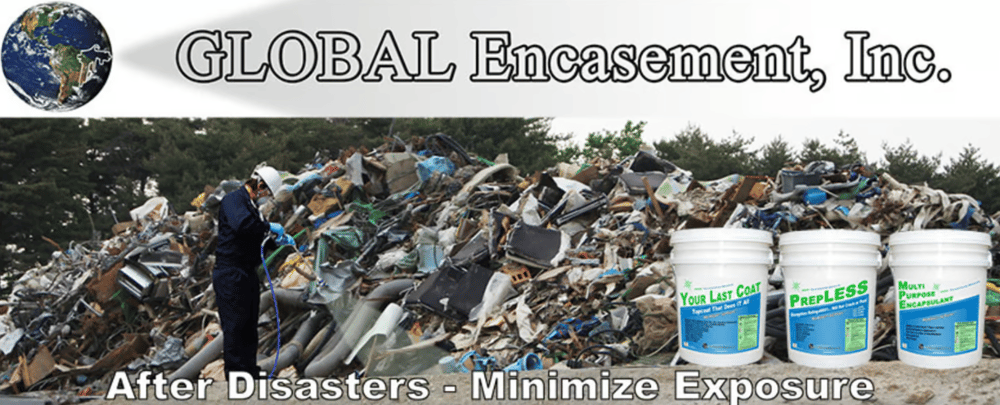
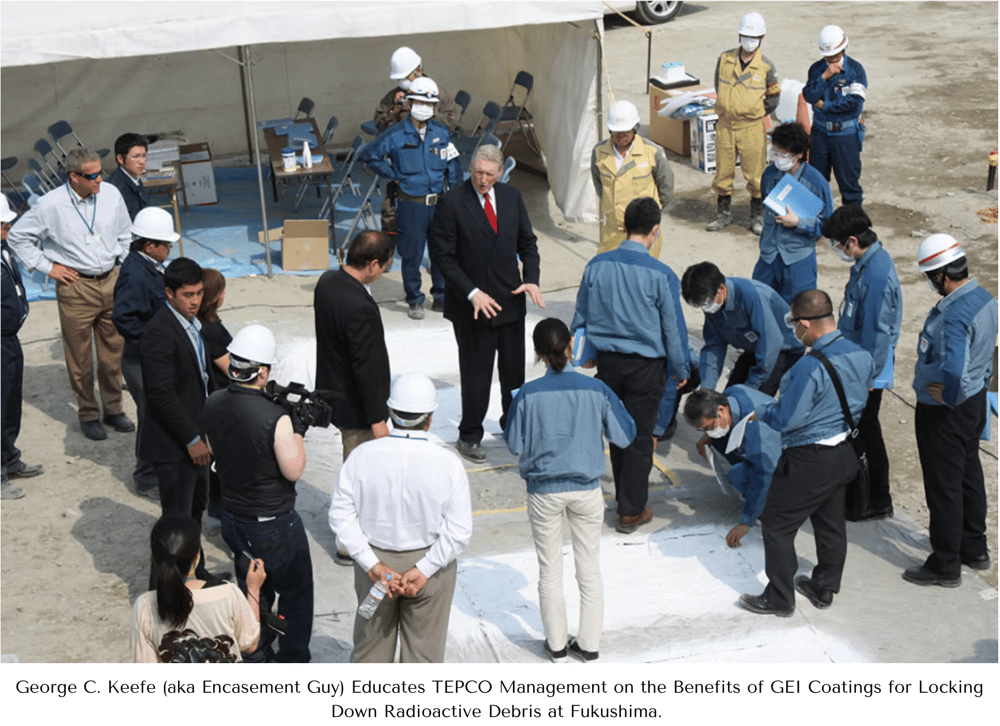
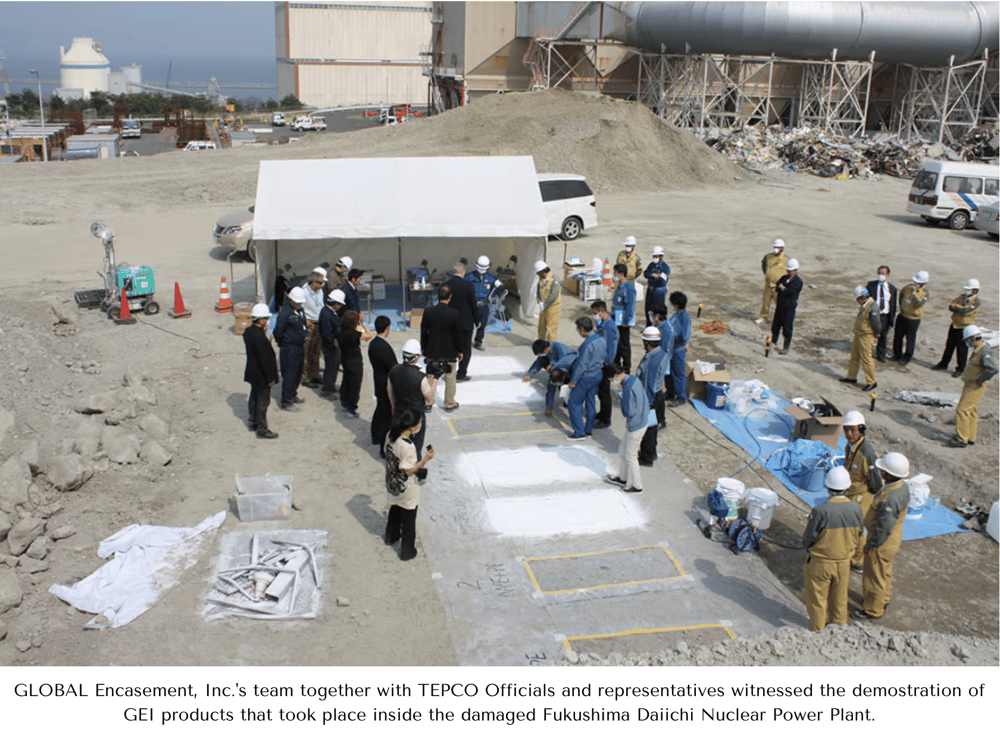
7 years ago, after the monstrous tsunami wave stuck and receded, it left behind massive quantities of contaminated debris that needed to be dealt with. I was brought in to make recommendations on how to help do that.
Last week, I wrote about myself and some incredible individuals that offered their expertise to assist in the containment and clean up of toxic debris left behind from the tsunami.
This week, I’m going to continue the discussion addressing the concerns of the coatings being chosen and how they were answered.
The first concern was making sure the coatings themselves would do what they needed to do by helping contain the debris and stopping it from being released into the environment.
It also needed to help hold the material in place until it could be removed, transported and properly disposed of.
For this, the coatings needed to be easily applied with excellent adhesion and flexibility to be able to take extreme movement while staying intact.
The next important point was the Green aspects of the coatings and their environmental impacts.
The last thing anyone wanted were coatings that would cause any environmental damage or add to the already stressed circumstances.
So having them green and clean, water-based, low VOC’s, non-toxic and biodegradable was of paramount importance.

Making claims about the chosen coatings wasn’t good enough.
All assertions being made needed to be backed up with extensive testing completed by accredited and independent laboratories that would be accepted on the international stage.
Notably, one of the tests that had been preformed years before and became extremely important was the UPPIT Test, a Pittsburgh Protocol.
This important testing was showed that when the coatings got into a fire or was burned, nothing toxic would be released.
This was especially important for them since incinerating some of the debris was part of the disposal process and no one wanted extra toxic material adding to the already huge environmental impact.
So the three important features that proved GEI’s (GLOBAL Encasement, Inc.’s) coatings were going to be an optimal green solution for this complicated situation were that they demonstrated their physical characteristics, green properties and that these qualities were backed up by accredited, third party laboratory testing.
The onsite demonstration evidently showed the coating capabilities, and the presentation of the extensive testing and approvals was confirmation of their important and useful characteristics.
See other posts like this one:

Friday, November 16, 2018
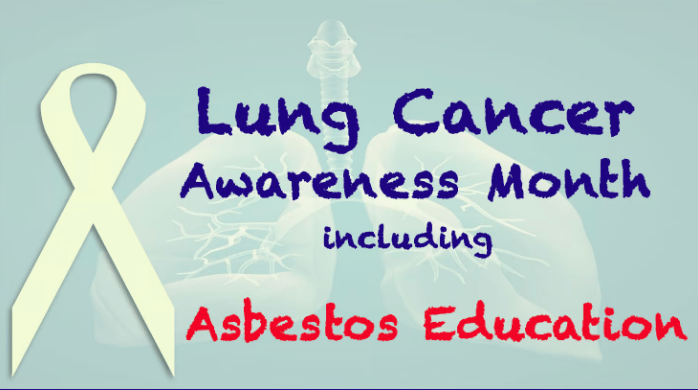
November is Lung Cancer Awareness Month including asbestos education, so this is a good time to raise awareness about preventing unnecessary exposure to asbestos that can cause lung cancer as well as contribute to other possible health concerns.


Wednesday, October 10, 2018
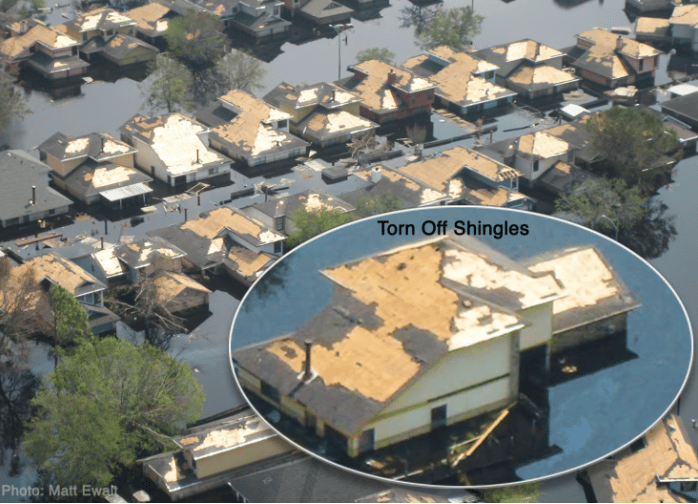
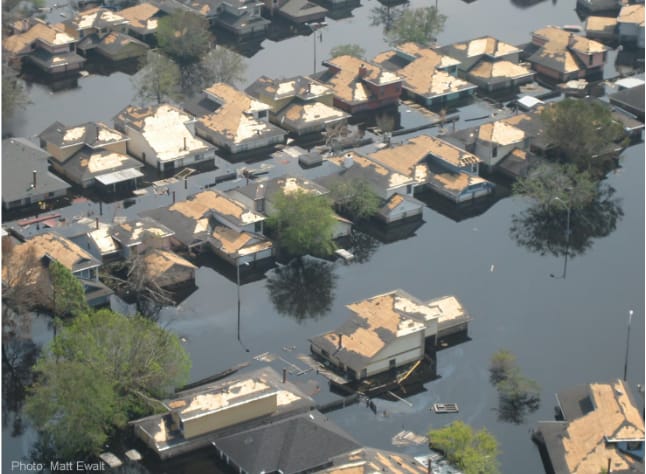
Short of moving your building or raising it up above flooding, the best approach to take to reduce storm, flooding and natural disaster losses is to simply use a proven coating to wind and waterproofthe surfaces in the path of destruction.

Tuesday, September 18, 2018
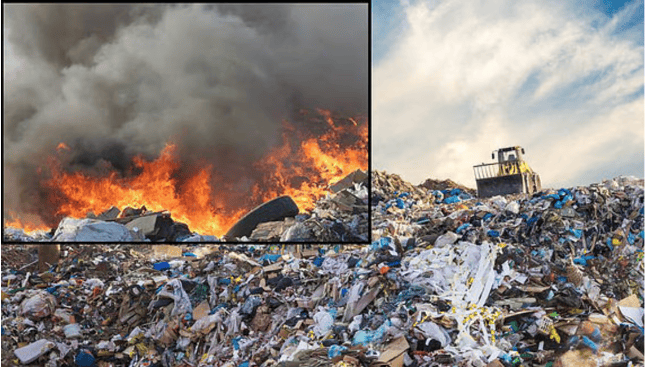
We recently passed the anniversary of 9-11-2001 tragedy of the attack on the Twin Towers in New York. I wanted to remind everyone that the effects of that fateful day are still being felt and especially by some of the heroes that were affected by the initial exposure and then the secondary exposure that took place during the cleanup. Some of those exposed were firefighters, police officers, EMTs (Emergency Medical Technician), construction workers, transit workers, cleanup workers, debris removal crews, truck drivers, nearby office workers, and Lower Manhattan residents.
Tuesday, August 21, 2018
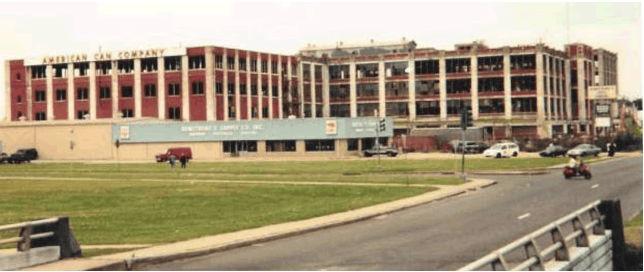
I discussed in a recent blog the importance of keeping the aesthetics of a historic building intact. Making sure that the look and overall presentation on a structure is preserved is very significant. This is especially true with landmark properties that have prominent and distinct features. Preservation can become very difficult when it entails obsolete building materials that contain hazardous materials that are typically removed and replaced. Three of the most common of hazardous materials is lead-based paint, asbestos and PCBs. In the USA, lead was used in paints up until 1978. It then was banned for its negative health effects, especially with children in their developing stages. PCBs, or polychlorinated biphenyls, were banned from paints, caulking and surface coatings in 1979 and asbestos was banned in 1974. All these bans were due to the negative health and environmental effects of these products.

Tuesday, July 17, 2018
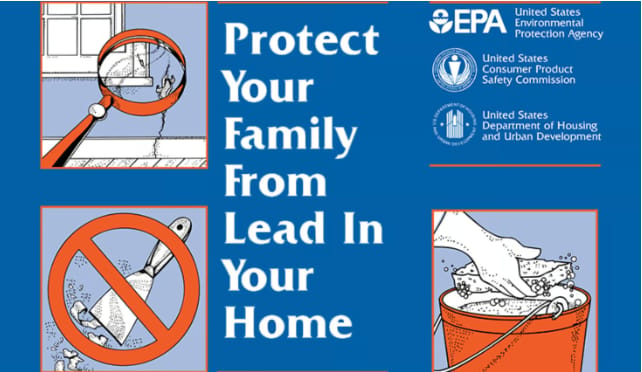
Lead Paint Poisoning is Preventable Through Education and Action