Blogs Where Nature Meets Science & Coatings
"If All the Greedy People that Pollute can get Together & Show Strength in Unity – then Honest, Environmentalists Must Do the Same. You See – It’s as Simple As That.” George C. Keefe - ENCASEMENT Guy
Blogs Where Nature Meets Science & Coatings
"If All the Greedy People that Pollute can get Together & Show Strength in Unity – then Honest, Environmentalists Must Do the Same. You See – It’s as Simple As That.” George C. Keefe - ENCASEMENT Guy
Sunday, March 25, 2018
Listen and Learn: Dive into the Audio Version of Our Blog
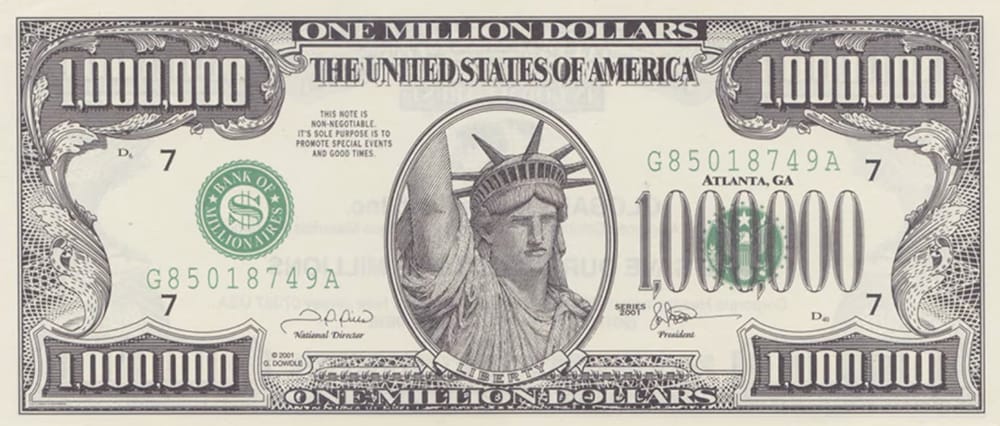
For years, I've been handing out a mock, pretend, $1,000,000-bill that looks real enough at first glance. It always gets people’s attention. The backside of the bill has our company information and in bold letters the saying "We $ave our Cu$tomer$ Million$.”
On more than one occasion, I’ve been asked exactly how do we save our customers money? So here I am, spelling out some of the ways money can be saved using Green Coatings Encasement with GEI (GLOBAL Encasement, Inc.’s) coatings. The following points, along with saving the environment, make Green Coatings Encasement a practical and socially responsible decision.
Restoring Surfaces and Protecting Buildings
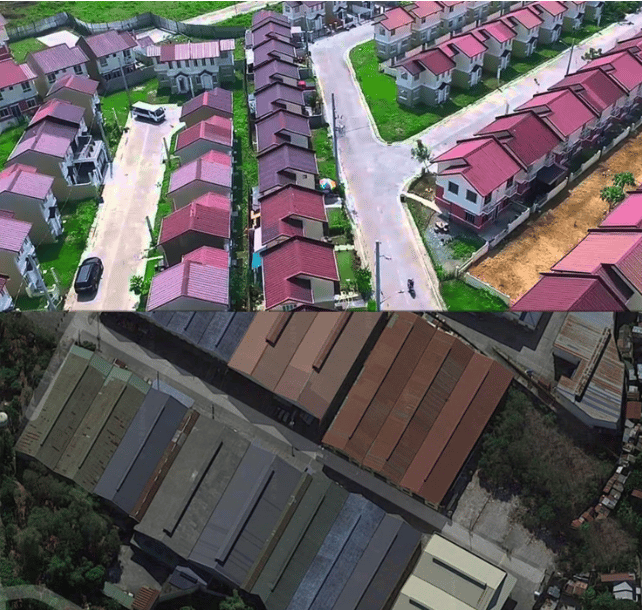
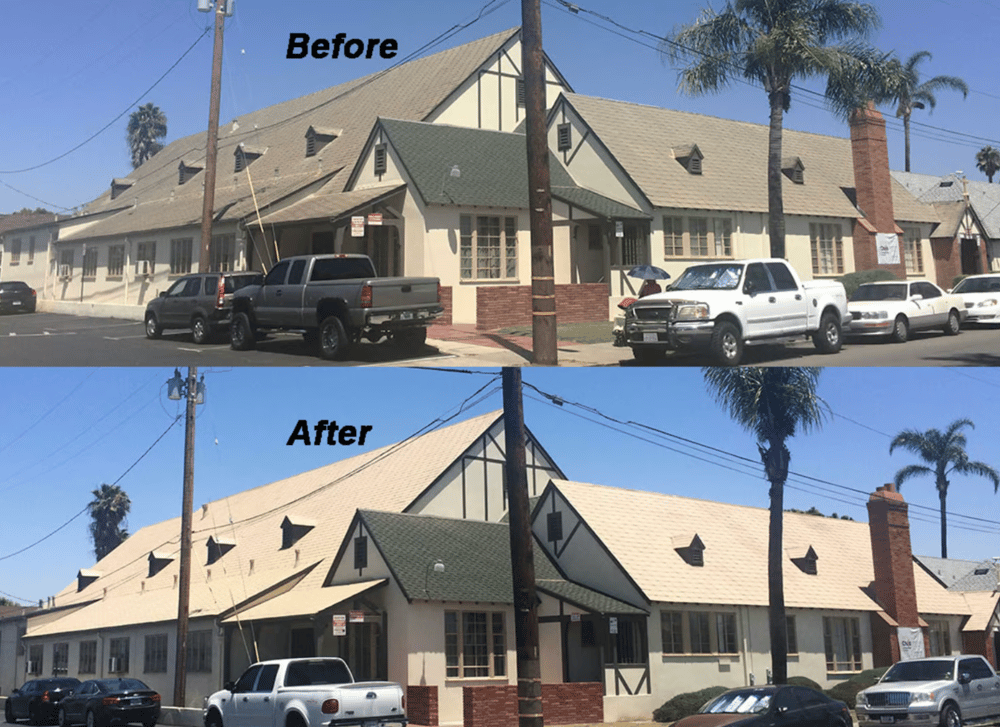
You can restore your buildings and surfaces, including roofs, instead of costly removal, which goes hand in hand with disposal and replacement.
20 Year Warranted Green Coatings
Typical paints have a 3 to 5-year service cycle. With a 20-year life cycle, you avoid reapplying 4 to 7 times more thereby saving on the labor and additional materials.
Non Disruptive and Non Invasive.
There is no building downtime that causes loss of production profit. There are no expensive relocation fees for people and building contents.
In-Place Management of Hazardous Materials such as Asbestos, Lead-Based Paint, PCB’s
The average direct savings of in-place management over removal, disposal and replacement ranges from 50 to 75%. Documented savings reached up to 94%. For every dollar saved on direct cost, there could be another dollar saved on indirect cost.
Reduced Insurance Costs
Many insurance companies offer “Loss Mitigation Credit.” A Loss Mitigation Credit reduces insurance rates for taking proactive defensive measures, averting losses and future insurance claims. By protecting your property and making it more storm-resistant, you help keep the property safe during severe weather.
No Expensive Generation, Transportation & Storage of Harmful & Unwanted Costly Waste
Creating Solar Reflective Surfaces
Solar reflective surfaces, especially roofing, help prevent excessive energy use.
Sealing Buildings to Avoid Wasteful Energy Loss
Building restoration reduces the need for new construction stock, raw materials and natural resources.
Creating Sustainable Surfaces Preventing Premature Breakdown
Chemical, impact and abuse-resistance defends buildings against attack.
All these points save money that can be better spent in more worthy investments.
What are your questions?
We are always here to help and excited to answer them.
Contact us at +1 (800) 266-3982 , or send us an email at service@encasement.com and leave a comment below.
See other posts like this one:
Friday, November 16, 2018
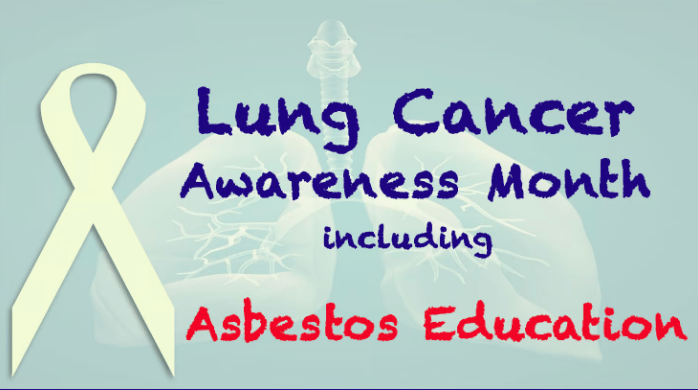
November is Lung Cancer Awareness Month including asbestos education, so this is a good time to raise awareness about preventing unnecessary exposure to asbestos that can cause lung cancer as well as contribute to other possible health concerns.
Wednesday, October 10, 2018
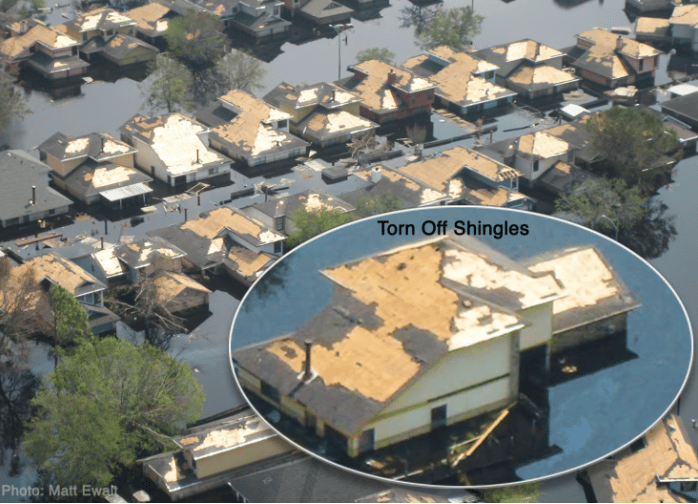
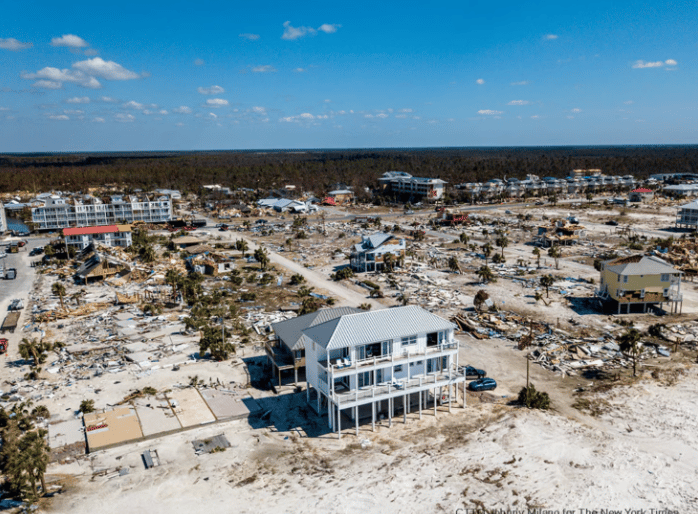
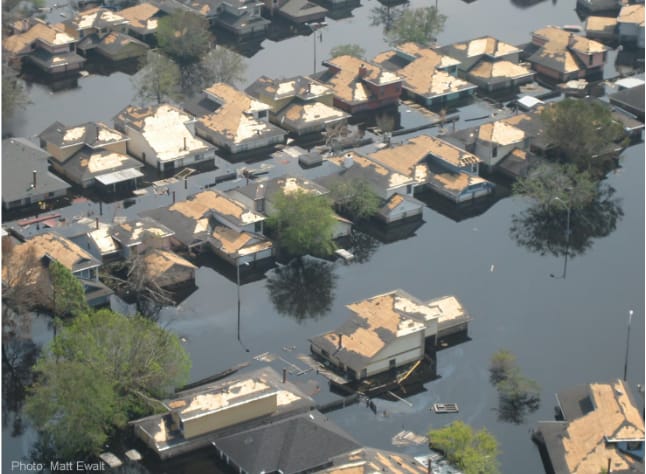
Short of moving your building or raising it up above flooding, the best approach to take to reduce storm, flooding and natural disaster losses is to simply use a proven coating to wind and waterproofthe surfaces in the path of destruction.
Tuesday, September 18, 2018
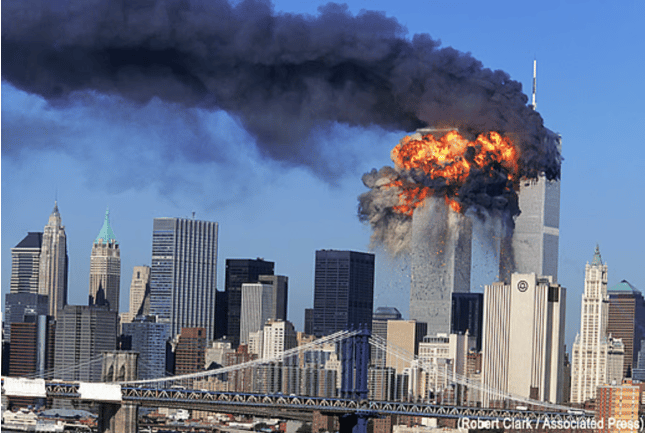
We recently passed the anniversary of 9-11-2001 tragedy of the attack on the Twin Towers in New York. I wanted to remind everyone that the effects of that fateful day are still being felt and especially by some of the heroes that were affected by the initial exposure and then the secondary exposure that took place during the cleanup. Some of those exposed were firefighters, police officers, EMTs (Emergency Medical Technician), construction workers, transit workers, cleanup workers, debris removal crews, truck drivers, nearby office workers, and Lower Manhattan residents.
Tuesday, August 21, 2018
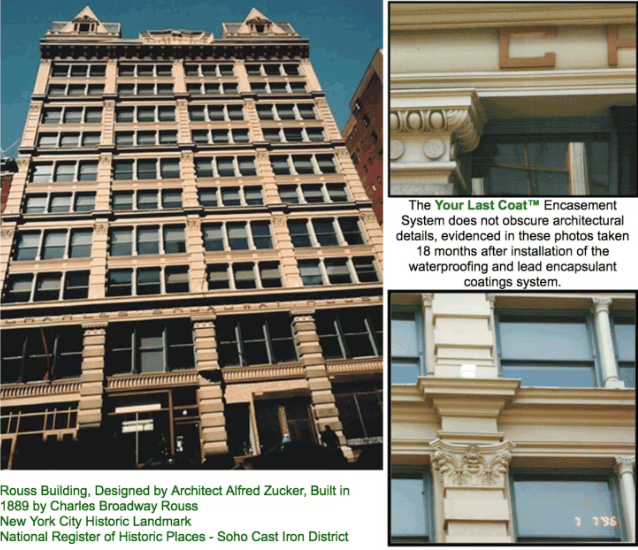
I discussed in a recent blog the importance of keeping the aesthetics of a historic building intact. Making sure that the look and overall presentation on a structure is preserved is very significant. This is especially true with landmark properties that have prominent and distinct features. Preservation can become very difficult when it entails obsolete building materials that contain hazardous materials that are typically removed and replaced. Three of the most common of hazardous materials is lead-based paint, asbestos and PCBs. In the USA, lead was used in paints up until 1978. It then was banned for its negative health effects, especially with children in their developing stages. PCBs, or polychlorinated biphenyls, were banned from paints, caulking and surface coatings in 1979 and asbestos was banned in 1974. All these bans were due to the negative health and environmental effects of these products.
Tuesday, July 17, 2018
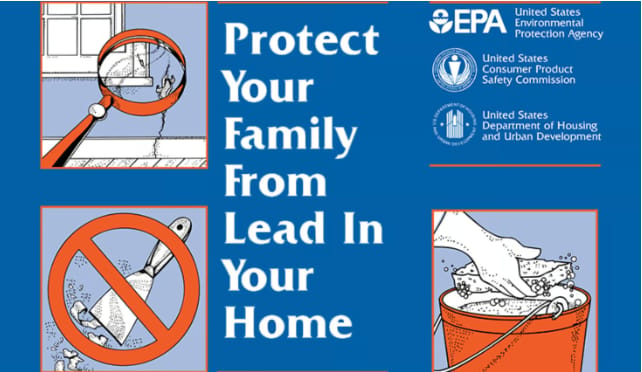
Lead Paint Poisoning is Preventable Through Education and Action