Blogs Where Nature Meets Science & Coatings
"If All the Greedy People that Pollute can get Together & Show Strength in Unity – then Honest, Environmentalists Must Do the Same. You See – It’s as Simple As That.” George C. Keefe - ENCASEMENT Guy
Blogs Where Nature Meets Science & Coatings
"If All the Greedy People that Pollute can get Together & Show Strength in Unity – then Honest, Environmentalists Must Do the Same. You See – It’s as Simple As That.” George C. Keefe - ENCASEMENT Guy
Tuesday, March 10, 2026
By: George Keefe
"If all the greedy polluters can band together to protect their interests, then honest environmentalists must do the same. It's as simple as that.
Listen and Learn: Dive into the Audio Version of Our Blog
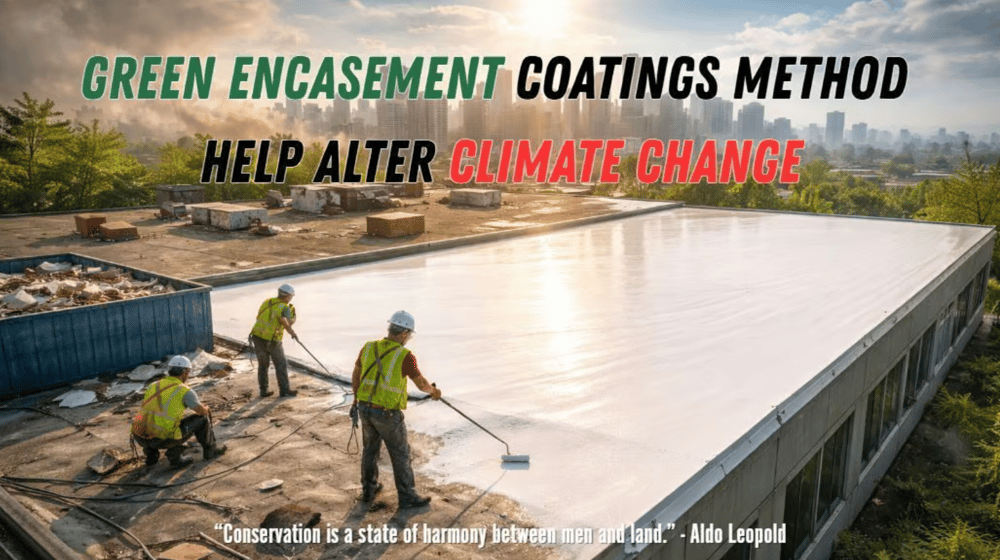
The methodology of Green Encasement Coatings used on buildings & structures can help save the planet.
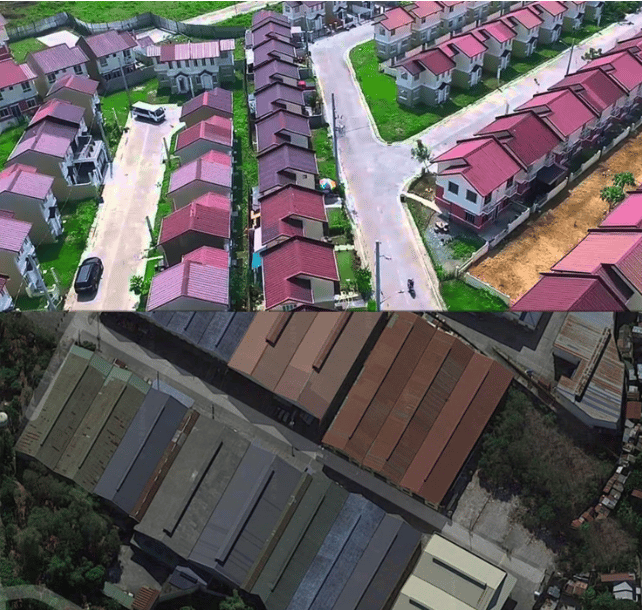
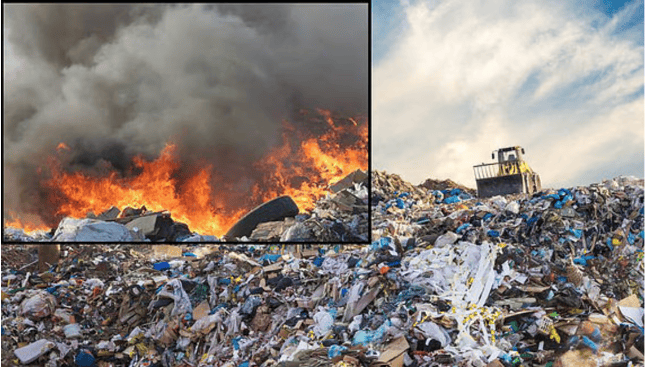
Right now, millions of tons of perfectly salvageable building materials are being torn off structures, hauled to landfills, and replaced — generating massive amounts of harmful waste, burning fossil fuels in transport, and releasing carbon emissions that are quietly accelerating the climate crisis we all share.
Every shingle removed, every panel discarded, every surface stripped and replaced represents a loss we simply can no longer afford.
In this episode, I bring to light the empowering truth: there is a smarter, greener, and proven way forward — and it's already in your hands.
Green Encasement Coatings are fundamentally changing how we think about long-lasting building protection, resource conservation, and our collective responsibility to slow and reverse climate change.
This isn't just a product classification — it's a three-dimensional methodology that answers one of construction's most destructive habits: the unnecessary remove-and-replace cycle.
The Real Cost Nobody Is Talking About
The building industry has quietly become one of the world's most significant contributors to environmental harm.
And while this unnecessary waste breaks down in landfills it can give off toxic debris into surrounding areas and communities for sometimes hundreds of years.
The generate-transport-dump cycle of construction and demolition waste pumps greenhouse gases into our atmosphere at every stage — from demolition crews ripping off still-structurally-sound surfaces, especially roofs to the diesel trucks hauling debris to overwhelmed landfills, to the industrial manufacturing of brand-new replacement materials.
All of that precious natural resources extracted, processed, shipped, and wasted.
All of that irreplaceable carbon budget spent — on buildings that didn't need replacing in the first place.
If we lose this window to change how we build and protect, the climate consequences will compound in ways that no future generation will be able to undo.
A Logical Methodology That Changes Everything
Green Encasement Coatings work on a simple but revolutionary principle: protect what already exists rather than discard and restart.
Applied with standard brushes, rollers, or airless sprayers, these water-based, zero-to-minimal VOC formulations bond at the molecular level to virtually any surface — concrete, metal, wood, masonry — creating a seamless, fully adhered, waterproof and breathable protective membrane that can last 20 years or more with renewable service cycles.
That longevity is the climate solution hiding in plain sight.
When one protective application replaces five or more conventional repaints — and eliminates the demolition waste of a full material replacement — the reduction in carbon emissions, landfill waste, and resource extraction is profound and immediate.
No seams.
No fasteners.
No failure points.
No landfill runs.
Reflecting Heat, Reversing Harm
The climate benefit goes even further.
Formulated in light colors, Green Encasement Coatings harness advanced solar reflectivity technology that can reduce rooftop surface temperatures by up to 80°F — actively countering the urban heat island effect that drives up city temperatures by 5 to 15 degrees.
When buildings become reflective rather than heat-absorbing, cooling energy demand drops by 15 to 40%, directly reducing fossil fuel consumption and greenhouse gas emissions.
This is reflected/albedo enhancement — a recognized climate intervention strategy — applied at the scale of everyday buildings.
Every protected roof becomes a small but meaningful contribution to global temperature moderation.
Multiply that across thousands of buildings, and the cumulative impact is genuinely transformational.
To Sum IT Up:
We still have time, but only if we act.
The science is clear, the methodology is proven, and the tools required are already in local contractors' hands.
What we cannot afford is to keep doing what we've always done — tearing out, trucking off, and starting over — while the planet pays the price.
Green Encasement Coatings give every property owner, building manager, and contractor the power to make a choice that protects their building and the climate it depends on.
This is sustainable building protection that works with nature, extends the life of our built environment, and keeps precious natural resources exactly where they belong — in use, not in a landfill.
The window is open.
The solution exists.
The only question is whether we'll use it before that window closes.
“Conservation is a state of harmony between men and land.” -Aldo Leopold
See other posts like this one:
Friday, November 16, 2018
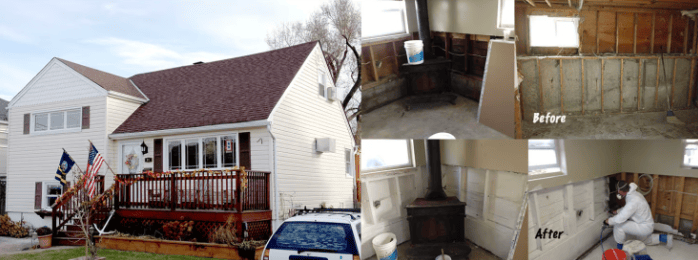
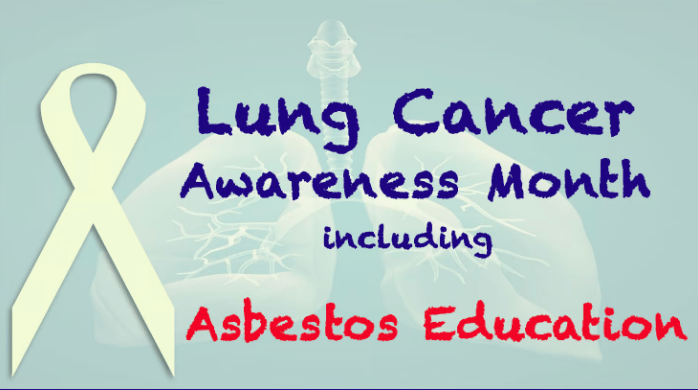
November is Lung Cancer Awareness Month including asbestos education, so this is a good time to raise awareness about preventing unnecessary exposure to asbestos that can cause lung cancer as well as contribute to other possible health concerns.
Wednesday, October 10, 2018
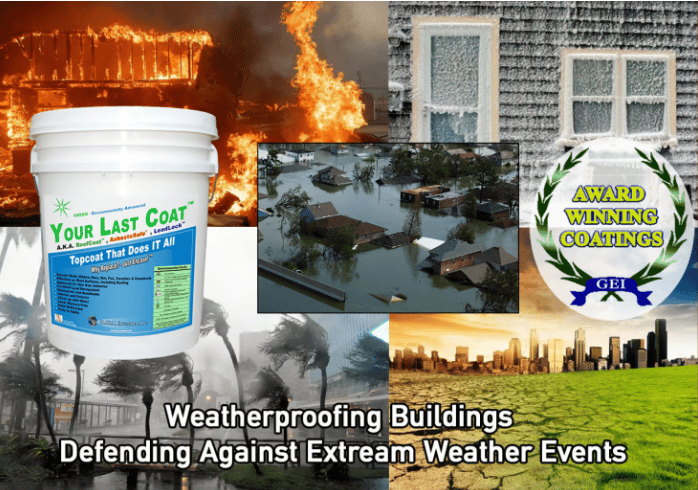
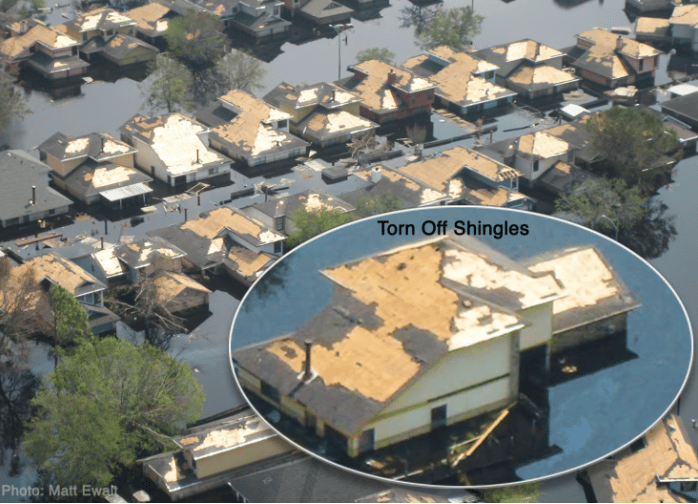
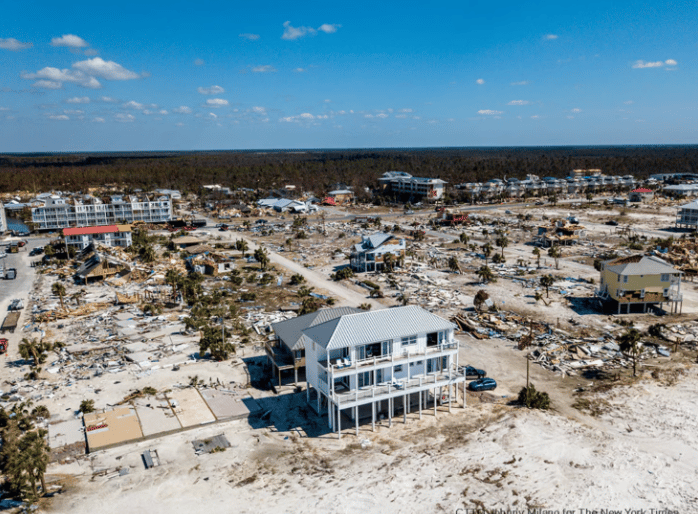
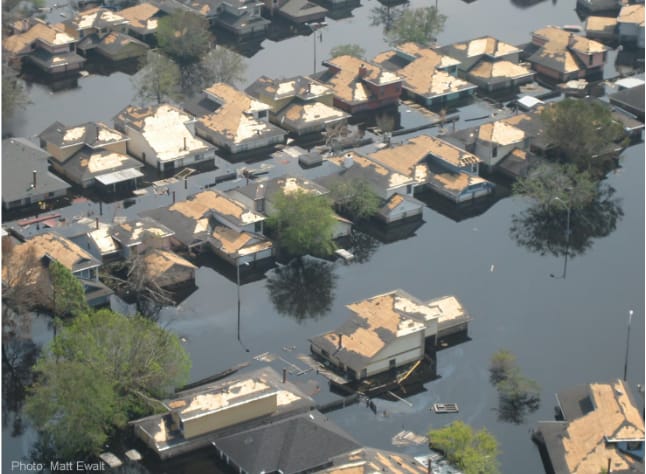
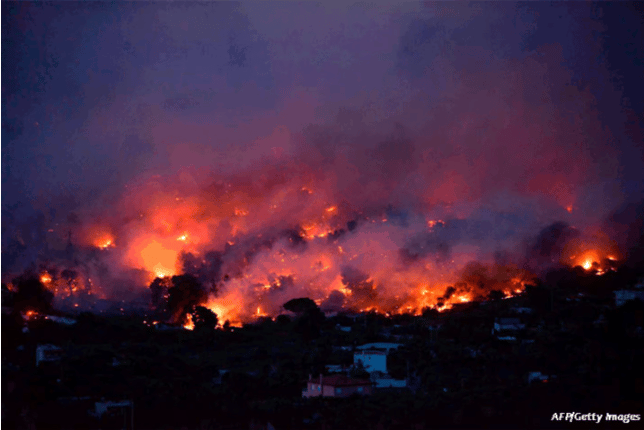
Short of moving your building or raising it up above flooding, the best approach to take to reduce storm, flooding and natural disaster losses is to simply use a proven coating to wind and waterproofthe surfaces in the path of destruction.
Tuesday, September 18, 2018
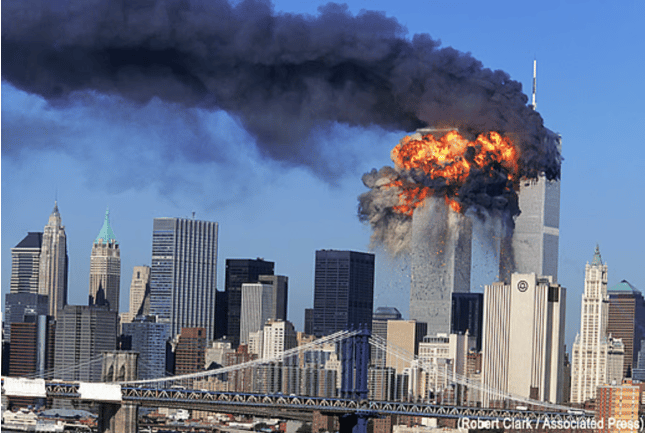
We recently passed the anniversary of 9-11-2001 tragedy of the attack on the Twin Towers in New York. I wanted to remind everyone that the effects of that fateful day are still being felt and especially by some of the heroes that were affected by the initial exposure and then the secondary exposure that took place during the cleanup. Some of those exposed were firefighters, police officers, EMTs (Emergency Medical Technician), construction workers, transit workers, cleanup workers, debris removal crews, truck drivers, nearby office workers, and Lower Manhattan residents.
Tuesday, August 21, 2018
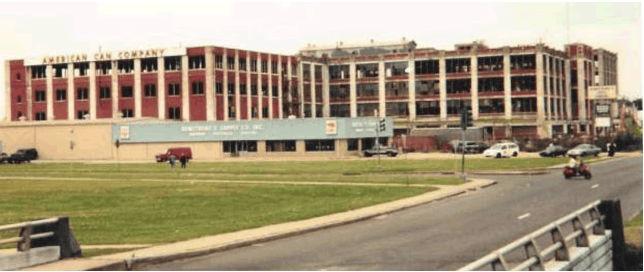
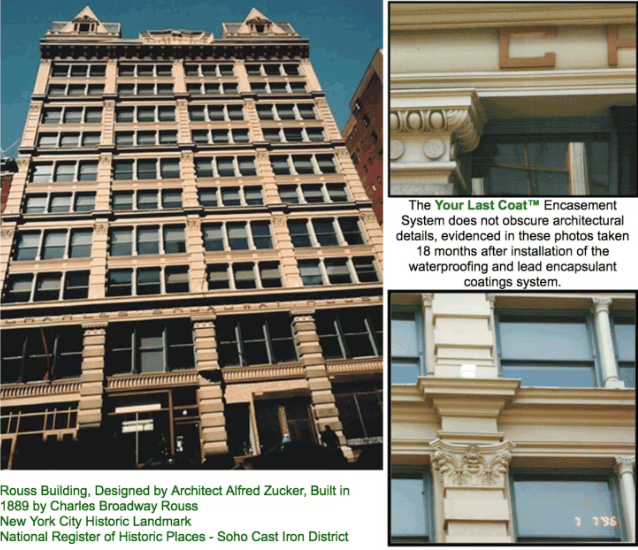
I discussed in a recent blog the importance of keeping the aesthetics of a historic building intact. Making sure that the look and overall presentation on a structure is preserved is very significant. This is especially true with landmark properties that have prominent and distinct features. Preservation can become very difficult when it entails obsolete building materials that contain hazardous materials that are typically removed and replaced. Three of the most common of hazardous materials is lead-based paint, asbestos and PCBs. In the USA, lead was used in paints up until 1978. It then was banned for its negative health effects, especially with children in their developing stages. PCBs, or polychlorinated biphenyls, were banned from paints, caulking and surface coatings in 1979 and asbestos was banned in 1974. All these bans were due to the negative health and environmental effects of these products.
Tuesday, July 17, 2018
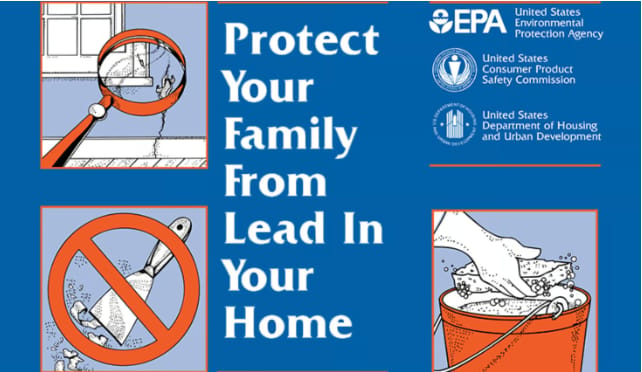
Lead Paint Poisoning is Preventable Through Education and Action