Blogs Where Nature Meets Science & Coatings
"If All the Greedy People that Pollute can get Together & Show Strength in Unity – then Honest, Environmentalists Must Do the Same. You See – It’s as Simple As That.” George C. Keefe - ENCASEMENT Guy
Blogs Where Nature Meets Science & Coatings
"If All the Greedy People that Pollute can get Together & Show Strength in Unity – then Honest, Environmentalists Must Do the Same. You See – It’s as Simple As That.” George C. Keefe - ENCASEMENT Guy
Friday, March 15, 2024

Listen and Learn: Dive into the Audio Version of Our Blog
The haunting echoes of the 9/11/2001 terrorist attacks on the Twin Towers in New York City reverberated across the globe, serving as a grim reminder of the fragility of human life and the devastating impact of disaster.
The attacks caused the collapse of the twin towers releasing vast amounts of toxic debris.
In this episode I’m uncovering how the release of this hazardous debris into the surrounding areas was bad enough but making matters worse, proper clean up controls were not put in place or exercised to help minimize exposure to the brave, first responders and clean-up workers.
To this day many are still feeling and suffering the consequences.
Yet, as the world grappled with the aftermath of this tragedy, another crisis was unfolding on the shores of Fukushima, Japan - one that would once again thrust the importance of safe clean-up practices into the spotlight.
In March 2011, the Fukushima Daiichi nuclear power plant was rocked by a catastrophic meltdown following a powerful earthquake and tsunami.
As Japan scrambled to contain the fallout and prevent further catastrophe, the parallels to the 9/11 clean-up efforts were undeniable.
Once again, brave responders and volunteers found themselves on the frontlines, battling not only the physical destruction wrought by nature but also the invisible threat of secondary exposure to hazardous materials.
As the years passed, studies began to emerge, painting a grim picture of the long-term health consequences faced by those involved in both the 9/11, Ground Zero and Fukushima clean-up efforts.
Much like their counterparts in New York City, responders in Japan experienced elevated rates of respiratory illnesses, cancer, and other debilitating conditions - all linked to exposure to hazardous material contaminants.
The tragic irony of these parallel crises cannot be ignored.
In both cases, the urgency to restore normalcy and reduce further harm led to rushed, often unsafe clean-up practices, ultimately magnifying the risks faced by those on the frontlines.
Yet, amidst the devastation, there is hope - the realization that we have the power to prevent such tragedies from recurring.
The lessons learned from Ground Zero and Fukushima serve as a clear and loud call for change.
We must prioritize safety and sustainability in all aspects of disaster response and recovery, from the immediate aftermath to long-term remediation efforts.
This means moving from the use of everyday clothing and paper dust masks which are typically used cleaning up disaster debris into defensive practices of wearing disposable paper, Tyvek suits and half face respirators with proper filters.
And in the worst conditions using full face, powered air personal respirators and decontamination showers.
This not only ensures the clean-up workers safety and protection but also prevents workers carrying toxic substances off-site on their clothing and exposing others outside the clean-up zone, which can include their families and loved ones.
This also means embracing innovative solutions like the right green coatings, which offer a safer, more effective alternative to traditional clean-up methods.
By first locking down, securing, and controlling hazardous materials with the simple application of the right green coatings prior to handling or moving it, we can minimize the risk of secondary exposure and its devastating consequences.
The right green coatings from GEI (Global ENCASEMENT, Inc.) were used in a limited capacity at both Ground Zero and Fukushima, which controlled exposure to workers and the surrounding environment in areas they were applied.
Here Are the Education Points
•Learn from the tragedies of 9/11 and Fukushima: prioritize safe clean-up practices.
•Parallel between 9/11 and Fukushima clean-up efforts underscores the need for safer solutions.
•Secondary exposure after disasters like 9/11 and Fukushima poses significant health risks.
•The right green coatings offer a simple yet effective way to lock down hazardous materials.
•Safer clean-up techniques like the right green coatings can prevent future harm and protect responders.
To Sum It Up
Whether it's asbestos-laden debris in Lower Manhattan or toxic debris containing radioactive contamination in Fukushima, the principles remain the same - prioritize human health, protect the environment, and prevent future harm.
As we reflect on the legacies of 9/11 and Fukushima, let us not dwell on the tragedies themselves but rather on the lessons they impart.
Let us honor the sacrifice of those who bravely responded in the face of unimaginable adversity by committing ourselves to a future where disasters are met with intelligent decisions, resilience, compassion, and above all, a steadfast dedication to safety.
Together, we can build a world where tragedies like Ground Zero and Fukushima are never repeated, and where every community has the tools and knowledge to recover, rebuild, and thrive.
“There are no greater treasures than the highest human qualities such as compassion, courage and hope. Not even tragic accident or disaster can destroy such treasures of the heart.” - Daisaku Ikeda - Japanese Buddhist Philosopher, Educator, Author, & Poet
What are your questions?
We are always here to help and excited to answer them.
Contact us at +1 (800) 266-3982 , or send us an email at service@encasement.com and leave a comment below.
See other posts like this one:

Friday, September 01, 2023
Climate change has emerged as one of the most pressing challenges of our time, significantly impacting the planet's ecosystems, weather patterns, and overall well-being of both human and non-human inhabitants.

Thursday, August 31, 2023
In a world increasingly focused on sustainability, industries across the board are seeking ways to align their practices with environmentally conscious initiatives.

Wednesday, August 30, 2023
Wildfires, with their fierce intensity and destructive force, leave behind a scarred landscape that extends beyond the immediate flames.
Tuesday, August 29, 2023
The aftermath of a wildfire is a haunting reminder of nature's destructive power.
Monday, August 28, 2023
In recent years, the world has witnessed an alarming increase in the frequency and intensity of wildfires.

Monday, August 21, 2023
The Importance of the Roofing Revolution: Advancements and Applications
Friday, August 18, 2023
With a guiding light decision this was a huge week for the environment and environmentalists alike.
Wednesday, August 16, 2023
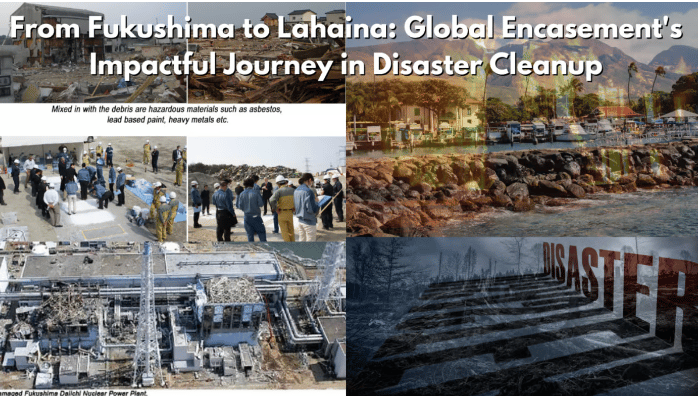
In times of crisis, the power of innovation and collaboration becomes most evident. A remarkable illustration of this lies in the journey of myself and GEI (Global Encasement, Inc.), a 30 year, trailblazing manufacturer of high-performance, popular coatings that lock down and seal hazardous materials.
Monday, August 14, 2023
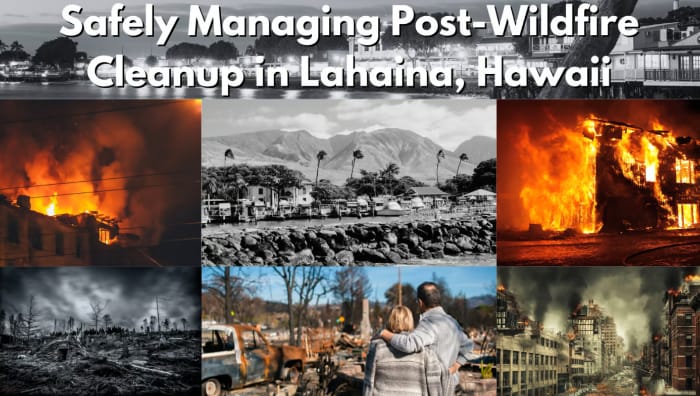
The aftermath of the recent wildfires in Lahaina, Hawaii, has left behind not only charred landscapes but also a potential environmental hazard that may need containment and control.

Monday, August 07, 2023
Integrating Solar Reflective Surfaces and Environmental Coatings: Driving Sustainable Surfaces for the Future

Wednesday, July 19, 2023
The Importance of the Health Connection of Solar Reflective Surfaces on People, Buildings, and the Planet

Monday, July 17, 2023
As the global demand for energy continues to rise, the need for sustainable and energy-efficient cooling solutions becomes increasingly important.
Monday, July 10, 2023
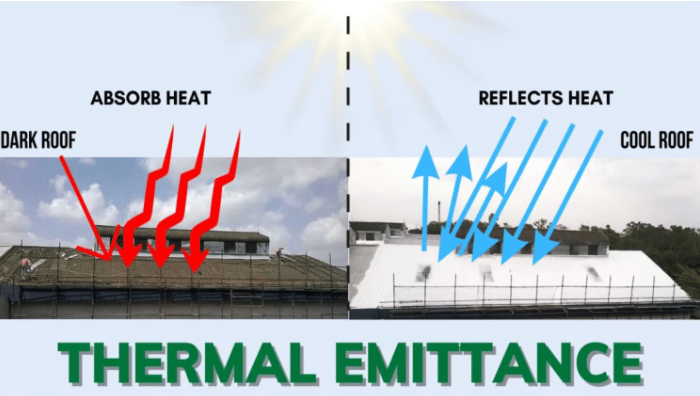
Unleashing the Power of Thermal Emittance
Monday, July 03, 2023
The Importance of Understanding the Heat Island Effect (HI)

Monday, June 26, 2023
In an era where climate change and its detrimental effects are becoming increasingly evident, finding sustainable solutions is crucial.