Blogs Where Nature Meets Science & Coatings
"If All the Greedy People that Pollute can get Together & Show Strength in Unity – then Honest, Environmentalists Must Do the Same. You See – It’s as Simple As That.” George C. Keefe - ENCASEMENT Guy
Blogs Where Nature Meets Science & Coatings
"If All the Greedy People that Pollute can get Together & Show Strength in Unity – then Honest, Environmentalists Must Do the Same. You See – It’s as Simple As That.” George C. Keefe - ENCASEMENT Guy
Friday, March 15, 2024

Listen and Learn: Dive into the Audio Version of Our Blog
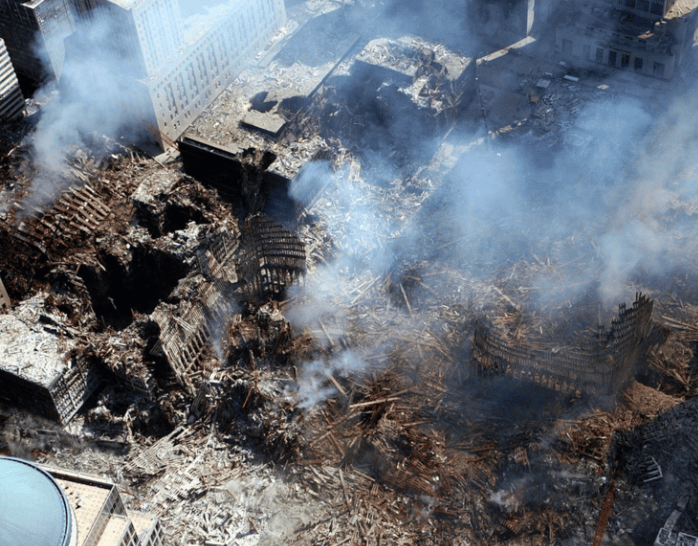
The haunting echoes of the 9/11/2001 terrorist attacks on the Twin Towers in New York City reverberated across the globe, serving as a grim reminder of the fragility of human life and the devastating impact of disaster.
The attacks caused the collapse of the twin towers releasing vast amounts of toxic debris.
In this episode I’m uncovering how the release of this hazardous debris into the surrounding areas was bad enough but making matters worse, proper clean up controls were not put in place or exercised to help minimize exposure to the brave, first responders and clean-up workers.
To this day many are still feeling and suffering the consequences.
Yet, as the world grappled with the aftermath of this tragedy, another crisis was unfolding on the shores of Fukushima, Japan - one that would once again thrust the importance of safe clean-up practices into the spotlight.
In March 2011, the Fukushima Daiichi nuclear power plant was rocked by a catastrophic meltdown following a powerful earthquake and tsunami.
As Japan scrambled to contain the fallout and prevent further catastrophe, the parallels to the 9/11 clean-up efforts were undeniable.
Once again, brave responders and volunteers found themselves on the frontlines, battling not only the physical destruction wrought by nature but also the invisible threat of secondary exposure to hazardous materials.
As the years passed, studies began to emerge, painting a grim picture of the long-term health consequences faced by those involved in both the 9/11, Ground Zero and Fukushima clean-up efforts.
Much like their counterparts in New York City, responders in Japan experienced elevated rates of respiratory illnesses, cancer, and other debilitating conditions - all linked to exposure to hazardous material contaminants.
The tragic irony of these parallel crises cannot be ignored.
In both cases, the urgency to restore normalcy and reduce further harm led to rushed, often unsafe clean-up practices, ultimately magnifying the risks faced by those on the frontlines.
Yet, amidst the devastation, there is hope - the realization that we have the power to prevent such tragedies from recurring.
The lessons learned from Ground Zero and Fukushima serve as a clear and loud call for change.
We must prioritize safety and sustainability in all aspects of disaster response and recovery, from the immediate aftermath to long-term remediation efforts.
This means moving from the use of everyday clothing and paper dust masks which are typically used cleaning up disaster debris into defensive practices of wearing disposable paper, Tyvek suits and half face respirators with proper filters.
And in the worst conditions using full face, powered air personal respirators and decontamination showers.
This not only ensures the clean-up workers safety and protection but also prevents workers carrying toxic substances off-site on their clothing and exposing others outside the clean-up zone, which can include their families and loved ones.
This also means embracing innovative solutions like the right green coatings, which offer a safer, more effective alternative to traditional clean-up methods.
By first locking down, securing, and controlling hazardous materials with the simple application of the right green coatings prior to handling or moving it, we can minimize the risk of secondary exposure and its devastating consequences.
The right green coatings from GEI (Global ENCASEMENT, Inc.) were used in a limited capacity at both Ground Zero and Fukushima, which controlled exposure to workers and the surrounding environment in areas they were applied.
Here Are the Education Points
•Learn from the tragedies of 9/11 and Fukushima: prioritize safe clean-up practices.
•Parallel between 9/11 and Fukushima clean-up efforts underscores the need for safer solutions.
•Secondary exposure after disasters like 9/11 and Fukushima poses significant health risks.
•The right green coatings offer a simple yet effective way to lock down hazardous materials.
•Safer clean-up techniques like the right green coatings can prevent future harm and protect responders.
To Sum It Up
Whether it's asbestos-laden debris in Lower Manhattan or toxic debris containing radioactive contamination in Fukushima, the principles remain the same - prioritize human health, protect the environment, and prevent future harm.
As we reflect on the legacies of 9/11 and Fukushima, let us not dwell on the tragedies themselves but rather on the lessons they impart.
Let us honor the sacrifice of those who bravely responded in the face of unimaginable adversity by committing ourselves to a future where disasters are met with intelligent decisions, resilience, compassion, and above all, a steadfast dedication to safety.
Together, we can build a world where tragedies like Ground Zero and Fukushima are never repeated, and where every community has the tools and knowledge to recover, rebuild, and thrive.
“There are no greater treasures than the highest human qualities such as compassion, courage and hope. Not even tragic accident or disaster can destroy such treasures of the heart.” - Daisaku Ikeda - Japanese Buddhist Philosopher, Educator, Author, & Poet
What are your questions?
We are always here to help and excited to answer them.
Contact us at +1 (800) 266-3982 , or send us an email at service@encasement.com and leave a comment below.
See other posts like this one:
Thursday, July 30, 2020
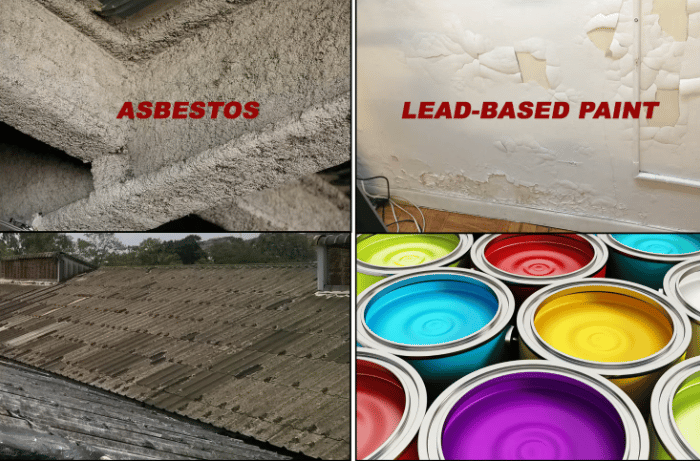
Asbestos and lead-based paint – you know them well. They lurk in older schools, housing complexes, military installations and other buildings, waiting silently to inflict disease and sometimes death on their occupants. Today, asbestos-containing materials (ACM) are found in over 700,000 buildings in the United States, and loose, flaking, or peeling lead-based paint (LBP) is present in more than 72 million United States homes, schools, and other buildings constructed before 1978.
Tuesday, May 12, 2020
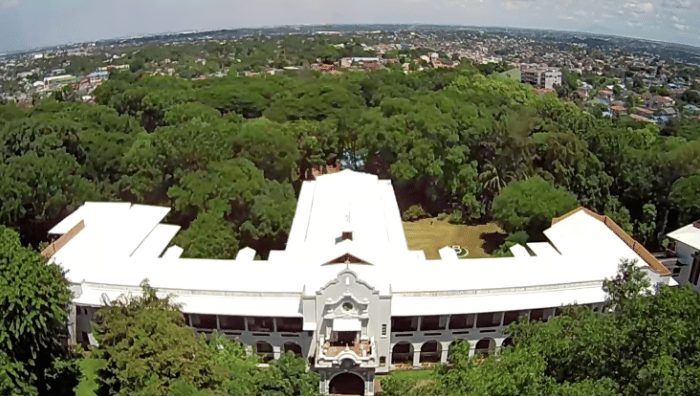
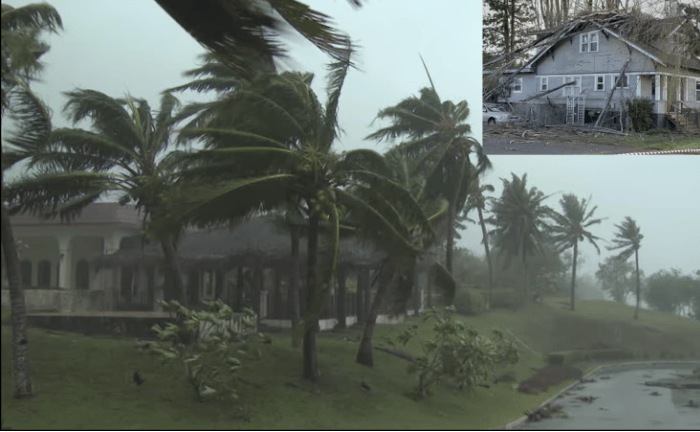
Every year damaging winds accompany hurricanes, typhoons and other strong wind events that leave a trail of destruction. Building and home owners are left with devastating huge building repairs and replacement costs. Some of these buildings can be salvaged and made stronger, defending against the next storm. Others are a complete write-off. It’s not unusual in all the destruction to see a building or house left standing with its roof and walls intact. This is usually a structure that is wind-resistant and better prepared to defend against a strong weather onslaught.

Wednesday, April 22, 2020
The first time I heard about Earth Day was when I was in the eighth grade and my well admired and clever science teacher opened up a discussion on the cons of earth day stating it was some sort of liberal nonsense and a hoax. This agitated most of the class.

Tuesday, April 14, 2020
Sustainable architecture is all about making sure that the buildings we get to live and work in do not have a negative impact on the environment.

Wednesday, March 25, 2020
I think we all agree that it’s so important to minimize the spread of germs. That is one of the most significant and preventative measures we can take.

Thursday, March 19, 2020
Do You Know Why the Right Protective Green Coating Resembles our Largest Organ? The right protective coating can protect all parts of a building just like the skin protects all parts of a body. Both are the first line of defense and without them both our bodies and buildings would be naked eventually causing a complete breakdown. Our largest organ, the skin on the outside of our bodies protects our muscles, organs, bones and brain from infections, sunlight, temperature extremes and other threats. The same is true with the right coating that covers the outside of a building protecting occupants and the structure itself. It prevents the deterioration of interior building components such as heating and cooling apparatus, plumbing, electric and furnishings.

Wednesday, February 19, 2020
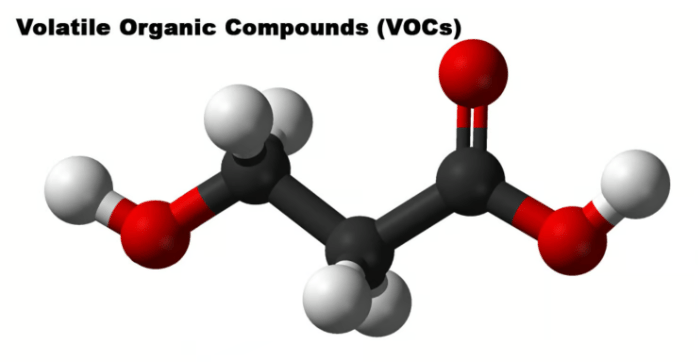
The true cost of a paint or coating is not just the price per gallon/liter. There are direct and indirect costs to consider.
Monday, February 03, 2020
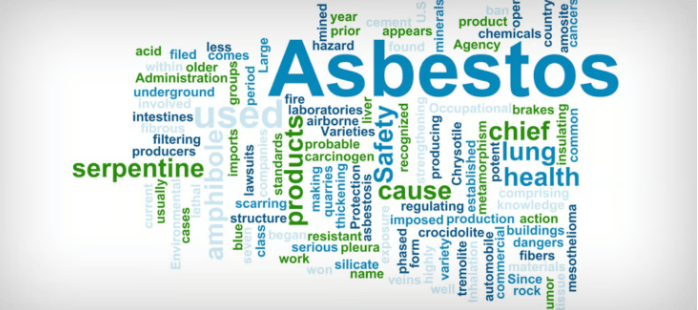
As I travel and work internationally, I encounter different aspects and opinions on asbestos. It has a long background of use in all types of situations and still widely used in building materials. To date, it is still mined and incorporated into many products in several countries. It is controversial at best. My goal is always to try and enlighten and not frighten about some of its uses and misconceptions. The fact is that as much as it is opposed and even outlawed in some parts of the world, it is still mined, exported and used in many others.
Friday, January 03, 2020
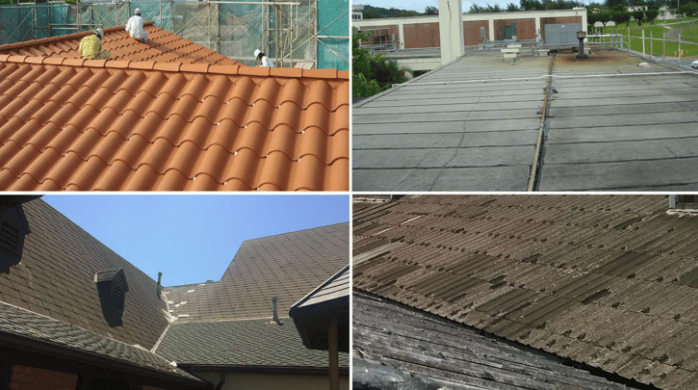
As I’ve studied the issues of what building components are the main culprits of polluting our environment of both soil and water along with generating the most waste, I’ve found that roofing can be a leading offender. This also includes air pollution if the roofing contains asbestos. Asbestos is a large content of many roofs and wall surfaces worldwide and its microscopic fibers are continually released into the environment as it breaks down.

Thursday, December 12, 2019
As I travel internationally and educate many on how to simply deal with solid hazardous materials and safely contain them with green coatings I’m always amazed how differently countries look at situations with building products and how to handle them.
Friday, November 29, 2019
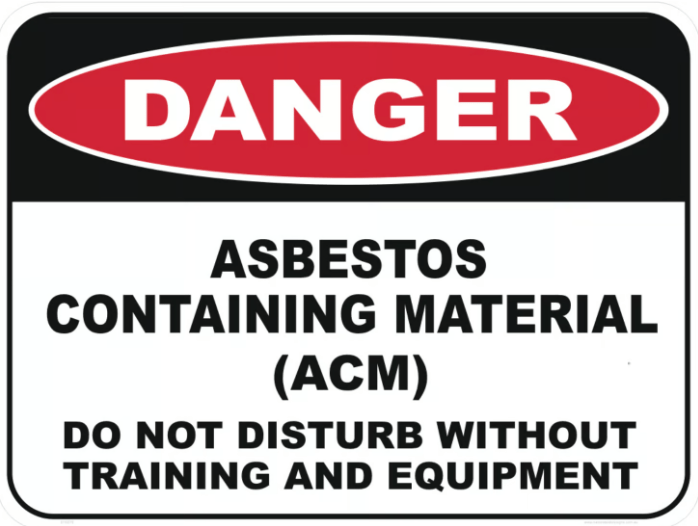
Asbestos – The three options when addressing asbestos in building materials are: first, full blown removal; second, do nothing and leave it alone; and the third, in-place management.