Blogs Where Nature Meets Science & Coatings
"If All the Greedy People that Pollute can get Together & Show Strength in Unity – then Honest, Environmentalists Must Do the Same. You See – It’s as Simple As That.” George C. Keefe - ENCASEMENT Guy
Blogs Where Nature Meets Science & Coatings
"If All the Greedy People that Pollute can get Together & Show Strength in Unity – then Honest, Environmentalists Must Do the Same. You See – It’s as Simple As That.” George C. Keefe - ENCASEMENT Guy
Friday, September 20, 2024

By: George C. Keefe
Note: The Author is an Environmentalist, Green Coatings Enthusiast, Advisor, Contractor, Consultant, Vegan, Blogger, Podcaster. Protecting the Health of People & Planet. CEO & Founder at Global ENCASEMENT, Inc., Restoration & Management vs Removal & Replacement. Why Replace – Just Encase!
Listen and Learn: Dive into the Audio Version of Our Blog
In the heart of Paterson, New Jersey, a silent menace lurked within the walls of the historic Passaic County Courthouse Annex.
Flaking lead-based paint threatened not only the building's structural integrity but also the health of its occupants.
In this episode I tell the story of how an innovative solution breathed new life into a cherished landmark, offering lessons for historical preservation and environmental protection worldwide.
As part of Passaic County's ambitious program to restore and revitalize its parks and landmark buildings, the Courthouse Annex renovation project faced a formidable opponent: widespread lead-based paint contamination.
The toxic coating covered interior wood, brick, metal surfaces, ceilings, and trusses.
Years of neglect had left these surfaces flaking, peeling, and chalking, releasing harmful particles into the air.
The result was a textbook case of sick building syndrome.
Occupants complained of poor air quality, and the once-grand structure seemed to wheeze with every passing day.
County officials knew they needed more than just a quick fix; they required a long-term solution that would not only encase the lead-based paint but also reverse the declining air quality.
Passaic County's requirements for the renovation were as ambitious as they were necessary:
• Green and Super Compliant Zero VOC Coatings
• Non-Toxic and Cost-Effective Application
• Minimal Surface Preparation
• Ability to Lock Down Lead-Based Paint
• Certified Lead Encapsulant
• 20-Year Warranty
• Long-term Lead Encasement Solution
Finding a product that could check all these boxes seemed like searching for a unicorn in a haystack.
That is, until Global ENCASEMENT, Inc. (GEI) entered the picture.
GEI's innovative system design, featuring PrepLESS Primer and LeadLock TopCoat, emerged as the perfect antidote to the Courthouse Annex's ailments.
Here's how this dynamic duo transformed the space:
• PrepLESS Primer: With an astounding adhesive quality of 10,000 lbs per square foot, this primer effectively sealed in the flaking, peeling, and chalking lead-based paint. It created a robust foundation for the encapsulation process.
• LeadLock TopCoat: Applied over the primer, this specialized coating formed the final barrier against lead contamination. Together, these products created an aesthetically pleasing, durable, and seamless monolithic membrane.
The GEI system's unique ability to minimize surface preparation was a game-changer.
It significantly reduced the generation of hazardous waste, making the renovation process itself more environmentally friendly.
The 20-year system warranty provided the long-term assurance that county officials were looking for, offering a cost-effective solution that would stand the test of time.
Beyond Lead: Protecting People, Buildings, and the Planet
The success of the Passaic County Courthouse Annex project illustrates a broader truth: the choice of building materials and renovation techniques has far-reaching implications for human health and environmental sustainability.
By opting for green coatings and encasement solutions, we're not just protecting individual buildings; we're contributing to the fight against climate change.
These innovative products:
• Reduce the need for demolition and reconstruction, lowering carbon emissions associated with new construction.
• Minimize the release of toxic substances into the environment during renovation.
• Improve indoor air quality, reducing the energy needed for ventilation and air purification.
• Extend the lifespan of existing structures, conserving resources and reducing waste.
As we face the growing challenges of climate change, solutions like those provided by Global Encasement, Inc. offer a blueprint for sustainable historical preservation.
They demonstrate that with the right approach, we can honor our architectural heritage while embracing a greener future.
The transformation of the Passaic County Courthouse Annex stands as a testament to human ingenuity in the face of complex challenges.
By addressing the lead paint issue with cutting-edge encasement technology, the project not only preserved a piece of New Jersey's history but also created a healthier environment for its occupants.
To Sum IT Up:
As we look to the future of historical preservation and building renovation, the lessons learned from this project are invaluable.
The right green coatings and encasement solutions offer a way to breathe new life into our aging infrastructure while protecting the health of people and the planet.
In the end, the story of the Courthouse Annex reminds us that with innovative thinking and the right tools, we can turn toxic legacies into timeless treasures, ensuring that the buildings of our past have a place in our sustainable future.
"Is it not cruel to let our city die by degrees, stripped of all her proud monuments, until there will be nothing left of all her history and beauty to inspire our children. If they are not inspired by the past of our city, where will they find the strength to fight for her future?" - Jacqueline "Jackie" Kennedy Onassis - American Writer, Book Editor, Socialite, First Lady, Wife of President John F. Kennedy
What are your questions?
We are always here to help and excited to answer them.
Contact us at +1 (800) 266-3982 , or send us an email at service@encasement.com and leave a comment below.
See other posts like this one:



Friday, November 16, 2018
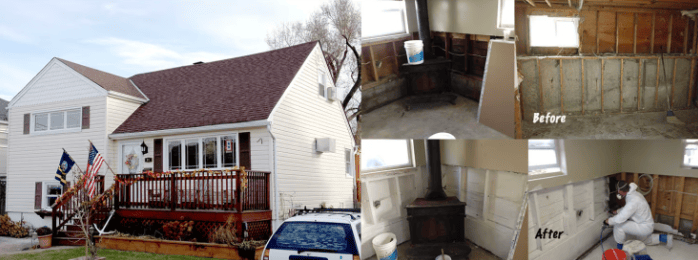
November is Lung Cancer Awareness Month including asbestos education, so this is a good time to raise awareness about preventing unnecessary exposure to asbestos that can cause lung cancer as well as contribute to other possible health concerns.

Wednesday, October 10, 2018
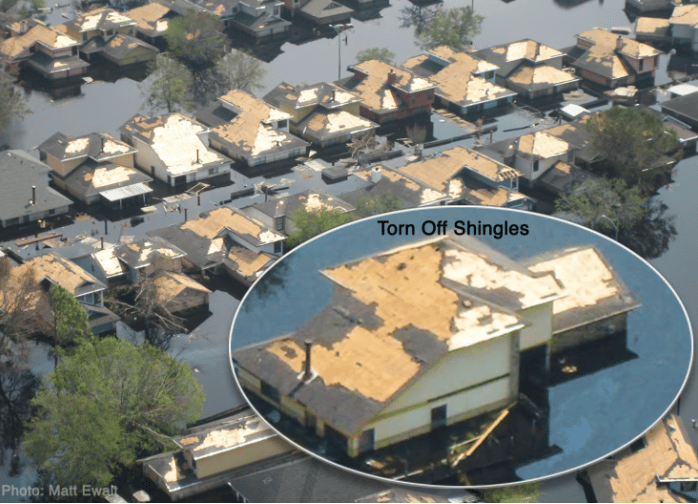
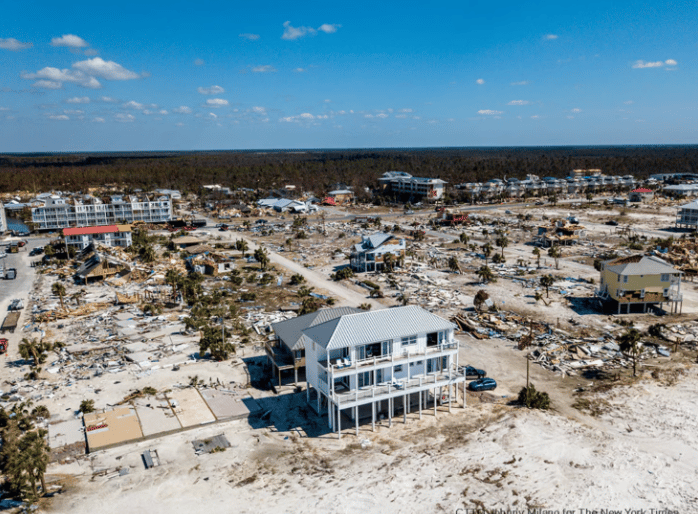
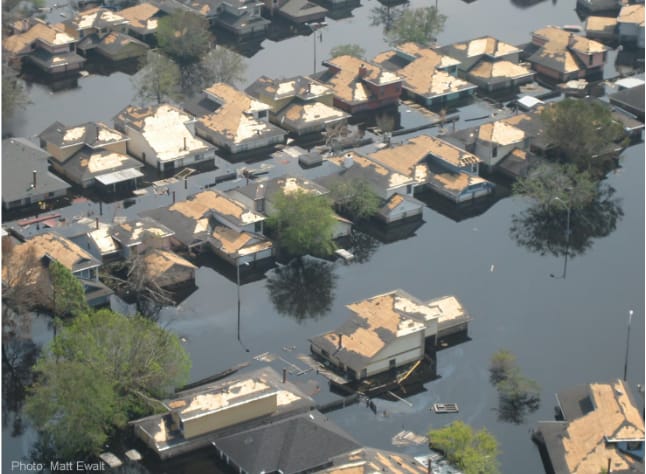
Short of moving your building or raising it up above flooding, the best approach to take to reduce storm, flooding and natural disaster losses is to simply use a proven coating to wind and waterproofthe surfaces in the path of destruction.

Tuesday, September 18, 2018
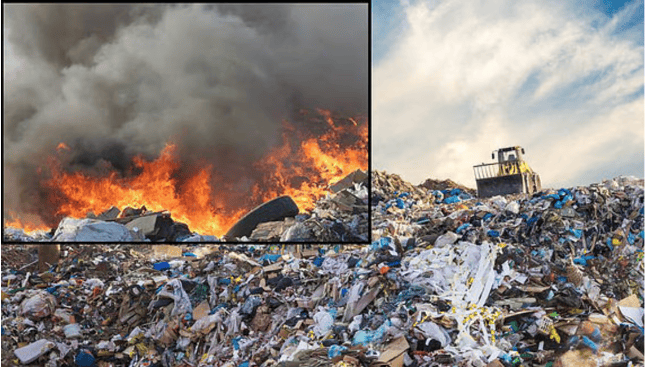
We recently passed the anniversary of 9-11-2001 tragedy of the attack on the Twin Towers in New York. I wanted to remind everyone that the effects of that fateful day are still being felt and especially by some of the heroes that were affected by the initial exposure and then the secondary exposure that took place during the cleanup. Some of those exposed were firefighters, police officers, EMTs (Emergency Medical Technician), construction workers, transit workers, cleanup workers, debris removal crews, truck drivers, nearby office workers, and Lower Manhattan residents.
Tuesday, August 21, 2018
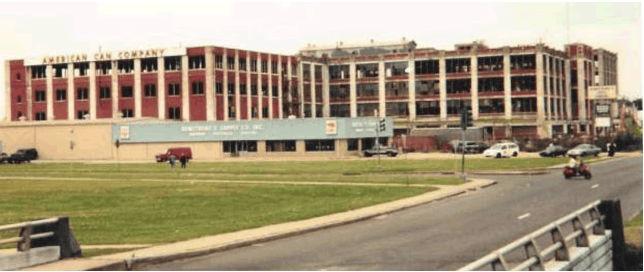
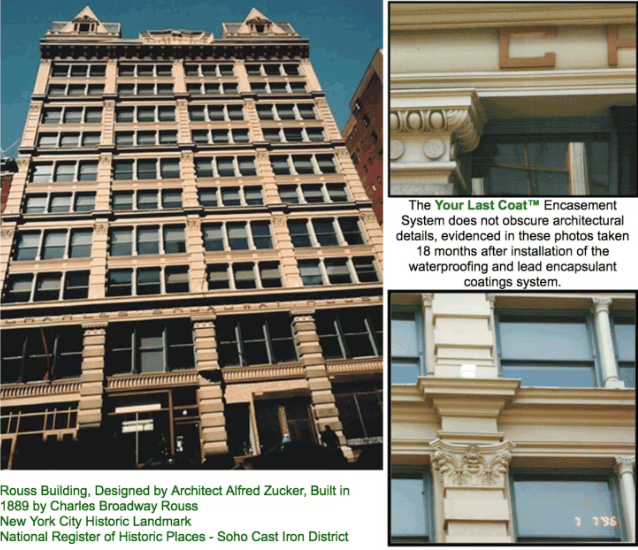
I discussed in a recent blog the importance of keeping the aesthetics of a historic building intact. Making sure that the look and overall presentation on a structure is preserved is very significant. This is especially true with landmark properties that have prominent and distinct features. Preservation can become very difficult when it entails obsolete building materials that contain hazardous materials that are typically removed and replaced. Three of the most common of hazardous materials is lead-based paint, asbestos and PCBs. In the USA, lead was used in paints up until 1978. It then was banned for its negative health effects, especially with children in their developing stages. PCBs, or polychlorinated biphenyls, were banned from paints, caulking and surface coatings in 1979 and asbestos was banned in 1974. All these bans were due to the negative health and environmental effects of these products.

Tuesday, July 17, 2018
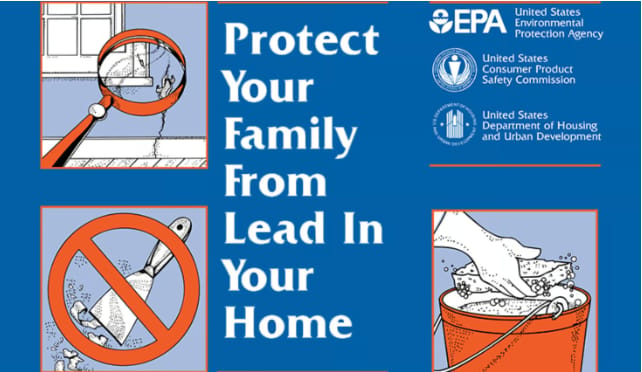
Lead Paint Poisoning is Preventable Through Education and Action