Blogs Where Nature Meets Science & Coatings
"If All the Greedy People that Pollute can get Together & Show Strength in Unity – then Honest, Environmentalists Must Do the Same. You See – It’s as Simple As That.” George C. Keefe - ENCASEMENT Guy
Blogs Where Nature Meets Science & Coatings
"If All the Greedy People that Pollute can get Together & Show Strength in Unity – then Honest, Environmentalists Must Do the Same. You See – It’s as Simple As That.” George C. Keefe - ENCASEMENT Guy
Thursday, July 26, 2018
By: George C. Keefe
Note: The Author is an Environmentalist, Green Coatings Enthusiast, Advisor, Contractor, Consultant, Vegan, Blogger, Podcaster. Protecting the Health of People & Planet. CEO & Founder at Global ENCASEMENT, Inc., Restoration & Management vs Removal & Replacement. Why Replace – Just Encase!
Listen and Learn: Dive into the Audio Version of Our Blog
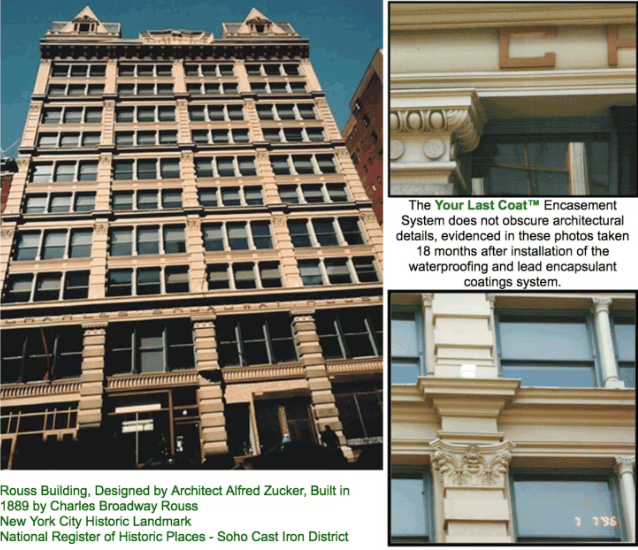
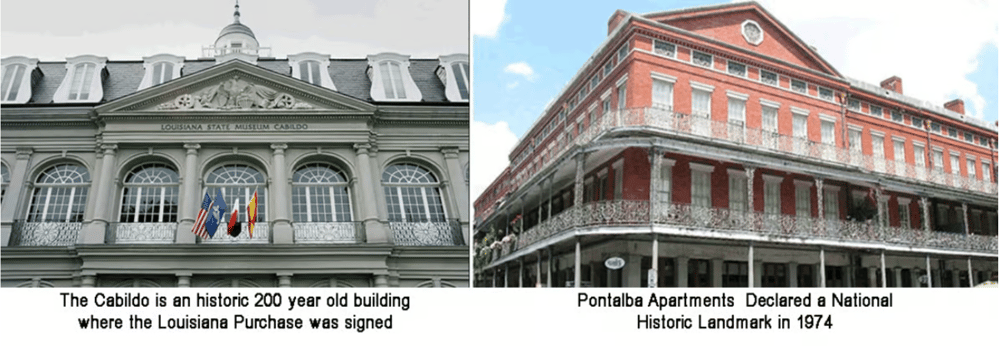
One of my favorite projects to do all over the world and a passion for me is defending historic properties against time and the elements, especially ones with landmark status.
Oftentimes, the building itself is physically unremarkable, although some event of historical importance that occurred in that building makes it significant and justifies it being preserved and classified as Historic.
The classification of a building to historical status can include the signing of a significant document, well-known or famous occupants, where they may have made a noteworthy contribution.
Sometimes the building is preserved because it doesn’t look like any other buildings in the surrounding areas.
Or that they have survived for a long period of time through historic events such churches, schools, town halls or elaborately decorated private homes.
Green Coating Encasement with GEI (GLOBAL Encasement, Inc.) can insure that these buildings are safely preserved so their original character is never erased.
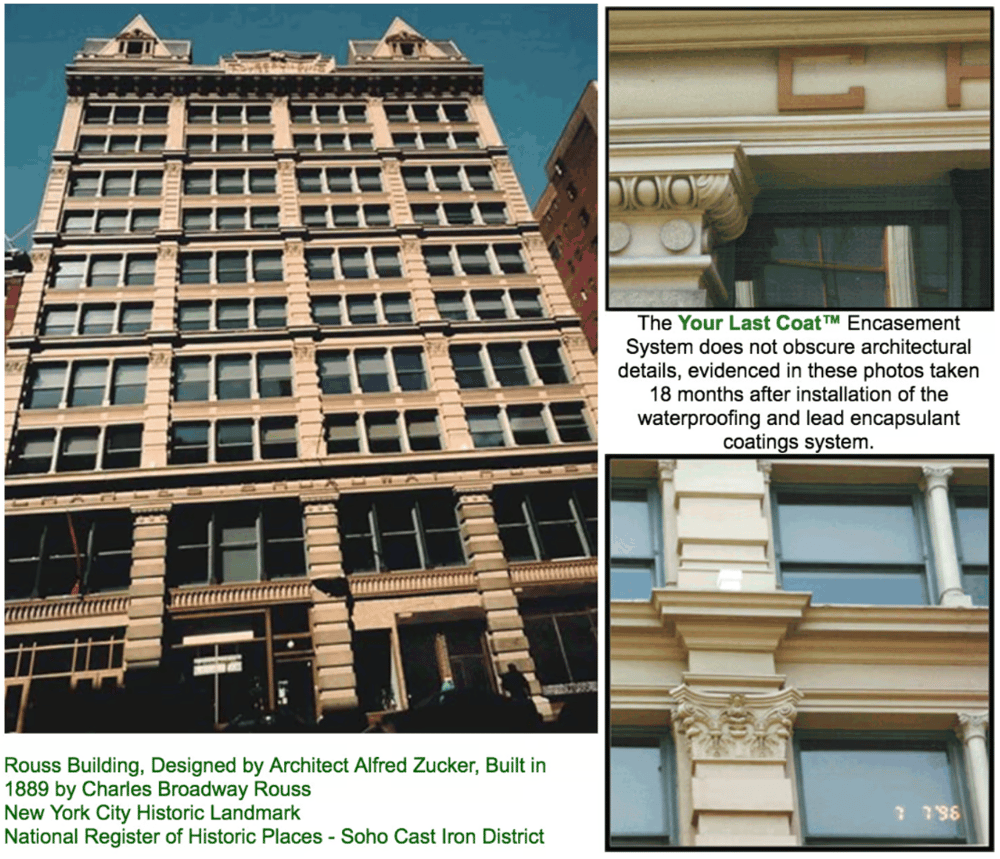
As time goes on, I become more and more involved with properties that are architectural masterpieces.
These true works of art need specific attention, making sure that they are protected while maintaining their architectural and historic significance.
Part of this is designing the right coating solution on a case-by-case basis.
One has to take into account many factors, such as local climate, the potential attack from aggressive storms, constant shifting of extreme heat and cold, historical ornamentation, decoration, trimming, colors and client goals.
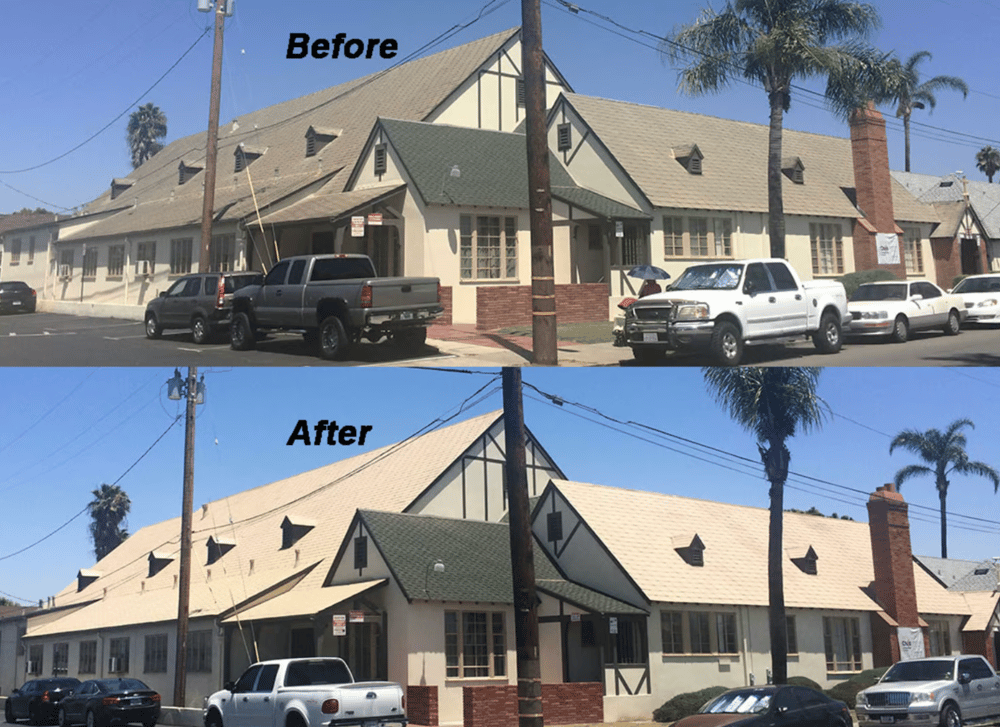
Some of these buildings are made with materials that are no longer used or produced, as with certain types of roofing shingles.
To remove and replace these materials can completely change the building aesthetics and overall appearance.
That is why it is important to take the approach of preserving and maintaining all these materials with a green coating system that protects while also being sustainable and renewable.
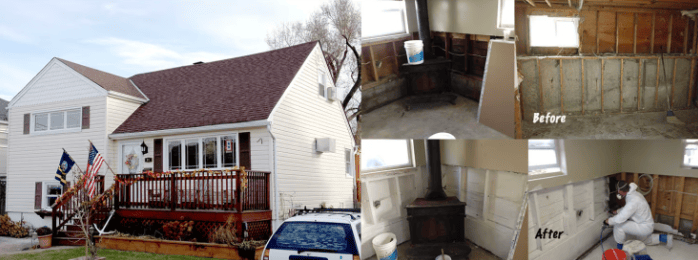
Historical preservation can also include dealing with surfaces that contain solid hazardous materials, such as Lead-Based Paint, Asbestos and PCBs (polychlorinated biphenyls).
These materials can be safely in-placed managed, while maintaining the historic look and integrity of the structure and not altering surfaces using invasive/damaging methods.
This is especially important instead of the usual practice of destructively removing and replacing these hazardous materials.
I thoroughly enjoy coming up with the proper coating system that defends all these properties against time and the elements, with the added benefit of learning about their historical significance and the people and organizations that occupied them and their contribution to society.
Learn more about defending and preserving buildings and their appearance with GEI’s Green Coating Encasement here: www.encasement.com
What are your questions?
We are always here to help and excited to answer them.
Contact us at +1 (800) 266-3982 , or send us an email at service@encasement.com and leave a comment below.
See other posts like this one:
Friday, November 16, 2018
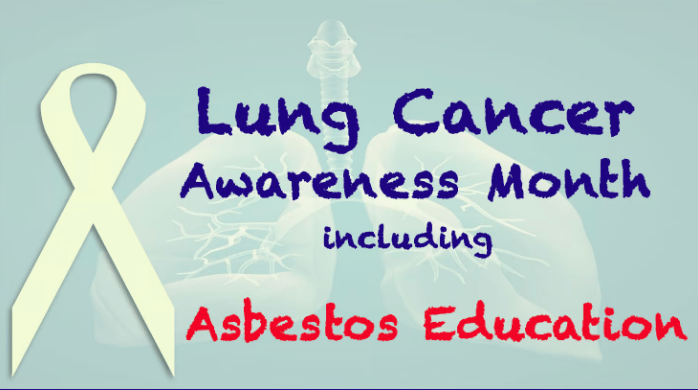
November is Lung Cancer Awareness Month including asbestos education, so this is a good time to raise awareness about preventing unnecessary exposure to asbestos that can cause lung cancer as well as contribute to other possible health concerns.
Wednesday, October 10, 2018
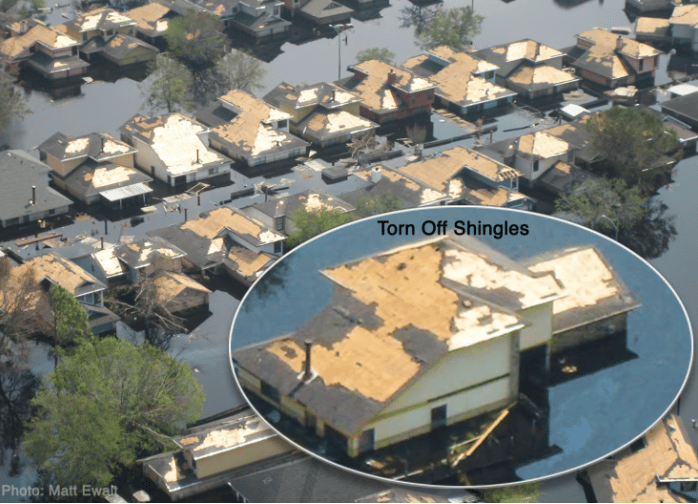
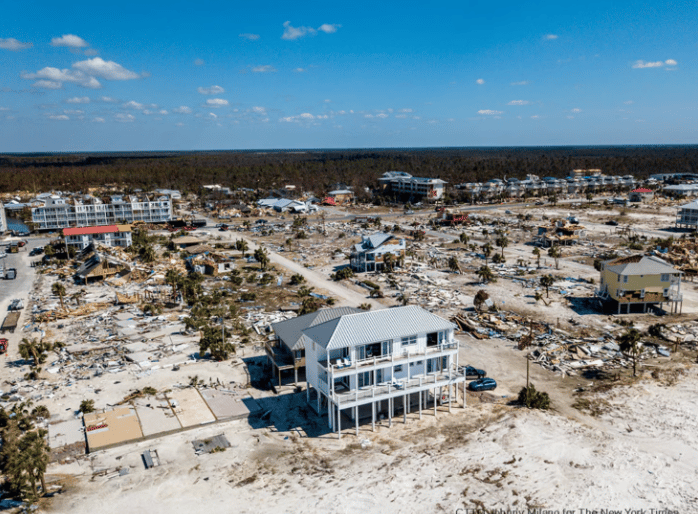
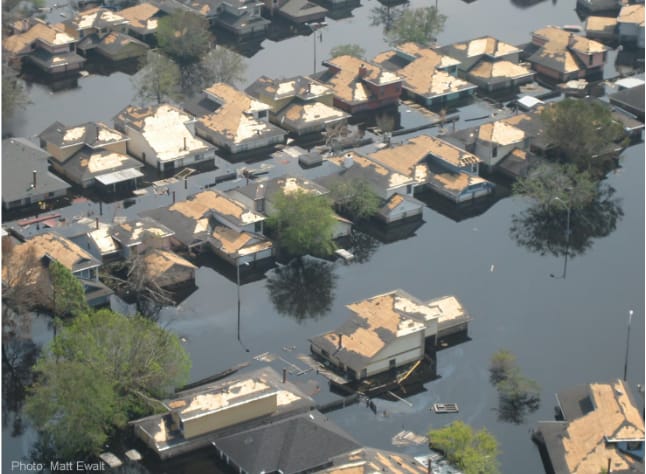
Short of moving your building or raising it up above flooding, the best approach to take to reduce storm, flooding and natural disaster losses is to simply use a proven coating to wind and waterproofthe surfaces in the path of destruction.
Tuesday, September 18, 2018
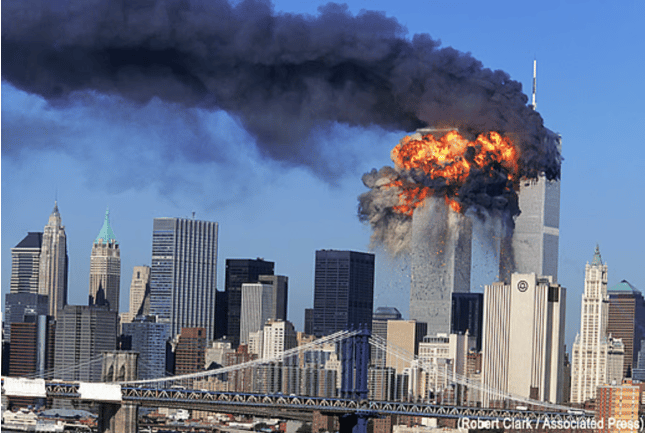
We recently passed the anniversary of 9-11-2001 tragedy of the attack on the Twin Towers in New York. I wanted to remind everyone that the effects of that fateful day are still being felt and especially by some of the heroes that were affected by the initial exposure and then the secondary exposure that took place during the cleanup. Some of those exposed were firefighters, police officers, EMTs (Emergency Medical Technician), construction workers, transit workers, cleanup workers, debris removal crews, truck drivers, nearby office workers, and Lower Manhattan residents.
Tuesday, August 21, 2018
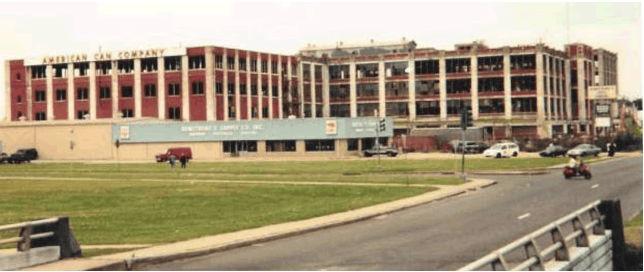
I discussed in a recent blog the importance of keeping the aesthetics of a historic building intact. Making sure that the look and overall presentation on a structure is preserved is very significant. This is especially true with landmark properties that have prominent and distinct features. Preservation can become very difficult when it entails obsolete building materials that contain hazardous materials that are typically removed and replaced. Three of the most common of hazardous materials is lead-based paint, asbestos and PCBs. In the USA, lead was used in paints up until 1978. It then was banned for its negative health effects, especially with children in their developing stages. PCBs, or polychlorinated biphenyls, were banned from paints, caulking and surface coatings in 1979 and asbestos was banned in 1974. All these bans were due to the negative health and environmental effects of these products.
Tuesday, July 17, 2018
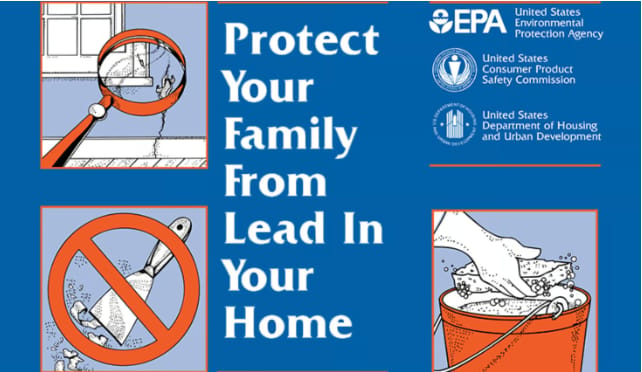
Lead Paint Poisoning is Preventable Through Education and Action