Blogs Where Nature Meets Science & Coatings
"If All the Greedy People that Pollute can get Together & Show Strength in Unity – then Honest, Environmentalists Must Do the Same. You See – It’s as Simple As That.” George C. Keefe - ENCASEMENT Guy
Blogs Where Nature Meets Science & Coatings
"If All the Greedy People that Pollute can get Together & Show Strength in Unity – then Honest, Environmentalists Must Do the Same. You See – It’s as Simple As That.” George C. Keefe - ENCASEMENT Guy
Tuesday, January 27, 2026
By: George Keefe
"If all the greedy polluters can band together to protect their interests, then honest environmentalists must do the same. It's as simple as that.
Listen and Learn: Dive into the Audio Version of Our Blog
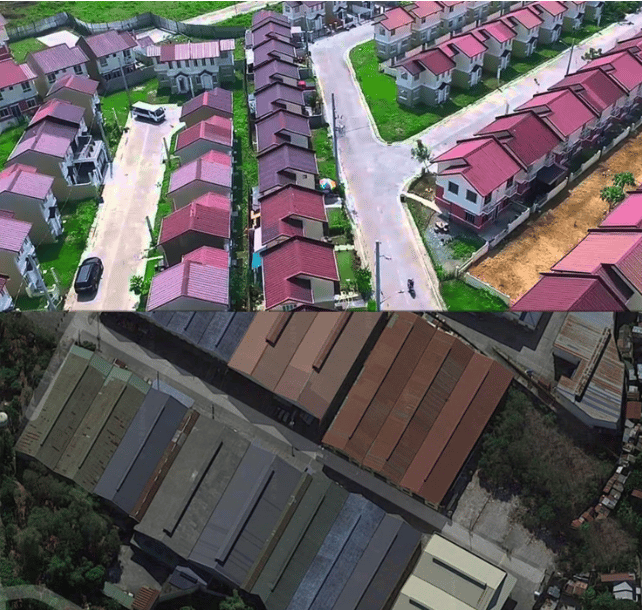
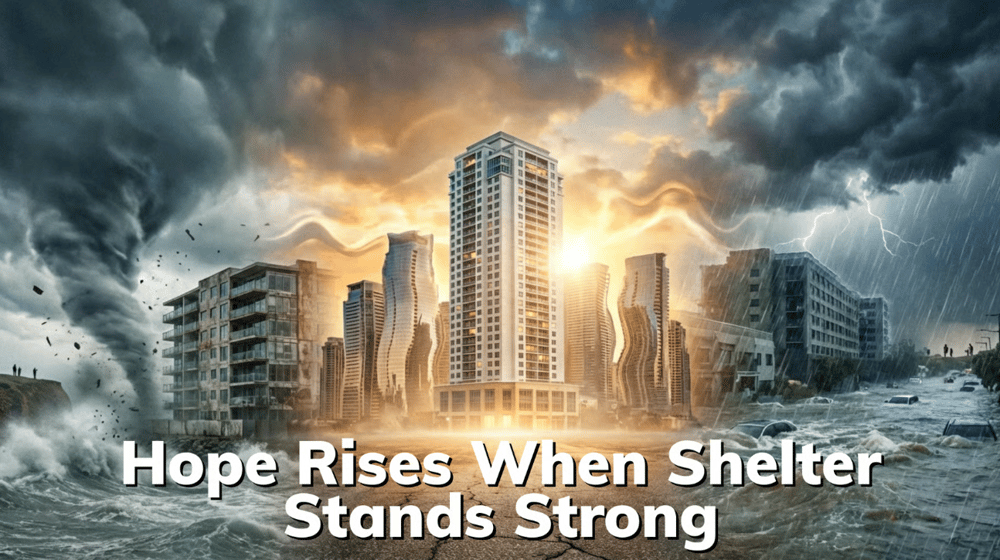
Across continents, communities face an unsettling reality: extreme weather no longer arrives as an occasional visitor but as a relentless force reshaping daily life.
From typhoons battering coastal villages in Southeast Asia to unprecedented heatwaves scorching European neighborhoods, the threat is universal and growing.
For millions living in aging buildings with deteriorating exteriors, each storm season brings genuine fear—not just of discomfort, but of losing the fundamental protection every family deserves.
The problem extends beyond individual hardship.
Governments worldwide recognize that vulnerable infrastructure creates cascading crises: displaced populations, strained emergency services, and communities struggling to rebuild repeatedly.
Older structures, once sufficient against typical weather patterns, now stand exposed against winds that tear at weakened surfaces and rains that penetrate every crack.
Constant ultraviolet bombardment and extreme heat accelerate deterioration, turning what were minor maintenance issues into structural vulnerabilities.
The fear of loss—of homes, stability, and safety—weighs heavily on families who've invested everything into shelters that can no longer adequately protect them.
Traditional repair methods offer temporary relief but fall short of addressing the fundamental challenge.
Replacing entire building exteriors remains financially impossible for most households and governments facing this crisis at scale.
What communities desperately need is simple reinforcement that doesn't require specialized skills or prohibitive costs—solutions that restore aging surfaces while providing superior, long-lasting protection against nature's intensifying assault.
Enter green ENCASEMENT coating technology, a methodology transforming how we protect vulnerable structures.
This three-dimensional solution addresses the crisis through its very name and nature.
"Green" signifies environmental responsibility—formulations that are non-toxic, biodegradable and zero VOC’s that are designed without harmful chemicals, reducing ecological impact while safeguarding human health.
Also designed solar reflective to help reduce the overall heat island effect as well as keeping interior temperatures lower, saving energy and money.
In our climate-challenged world, protection shouldn't compound environmental problems; it should harmonize with sustainable practices that communities can embrace without compromise.
"ENCASEMENT" describes the methodology's protective power.
Unlike conventional paints that merely coat surfaces, ENCASEMENT technology creates comprehensive barriers that completely envelop and reinforce deteriorated exteriors.
This isn't superficial coverage—it's structural strengthening that transforms weak, porous surfaces into resilient shields capable of withstanding severe weather events season after season.
"Coatings" reveals the remarkable accessibility of this solution.
Application requires only simple painting tools that local workers already possess and understand.
No specialized equipment, no complex training, no construction crews needed.
Yet these coatings perform extraordinarily: flowing into gaps, cracks, and crevices that brushes and rollers cannot reach, they bridge separations and create seamless, complete seals across entire surfaces.
Perhaps most remarkably, green ENCASEMENT coatings accommodate the natural dynamics of buildings.
Structures expand in heat, contract in cold, and flex during storms—movements that crack rigid protective layers.
These advanced coatings move with buildings, maintaining protective integrity through temperature fluctuations and structural shifts that would compromise conventional treatments.
Communities implementing green ENCASEMENT coatings discover renewed confidence.
The elderly couple whose home survived three generations suddenly has protection for three more.
The school sheltering neighborhood children during storms becomes genuinely safe again.
The fear of loss transforms into hope for resilience.
When weather grows more extreme, our solutions must grow more intelligent.
Green ENCASEMENT coatings represent precisely this evolution—accessible protection that's environmentally conscious, structurally robust, and remarkably simple to apply, restoring not just buildings, but the security and optimism communities deserve.
See other posts like this one:
Friday, November 16, 2018
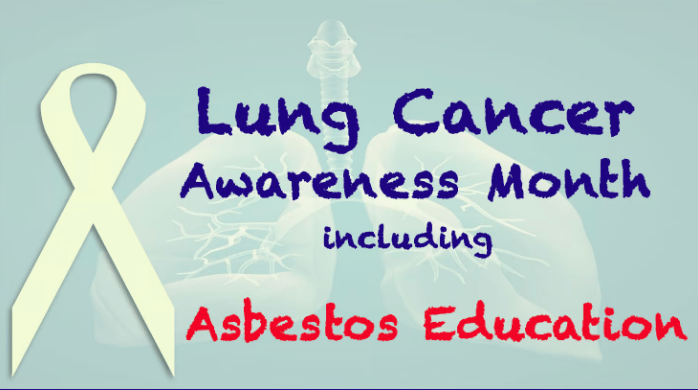
November is Lung Cancer Awareness Month including asbestos education, so this is a good time to raise awareness about preventing unnecessary exposure to asbestos that can cause lung cancer as well as contribute to other possible health concerns.
Wednesday, October 10, 2018
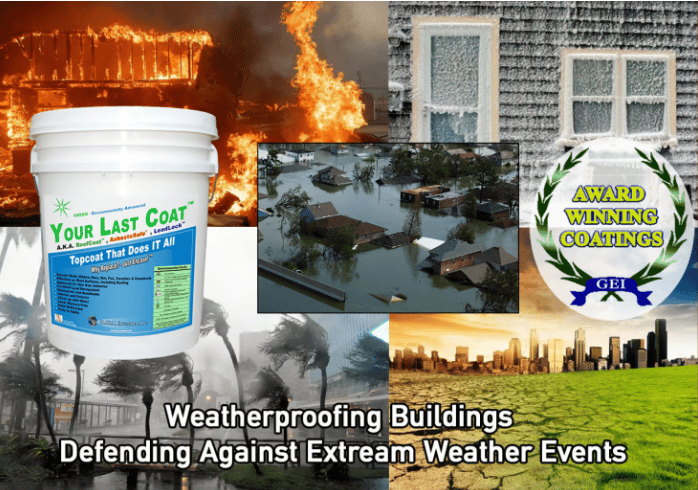
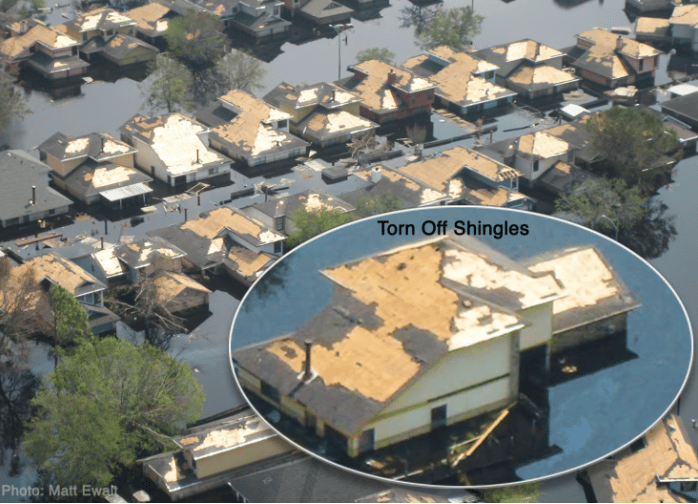
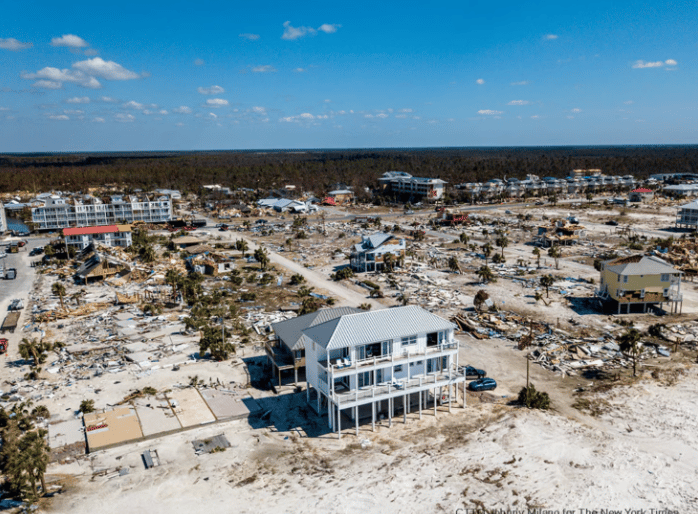
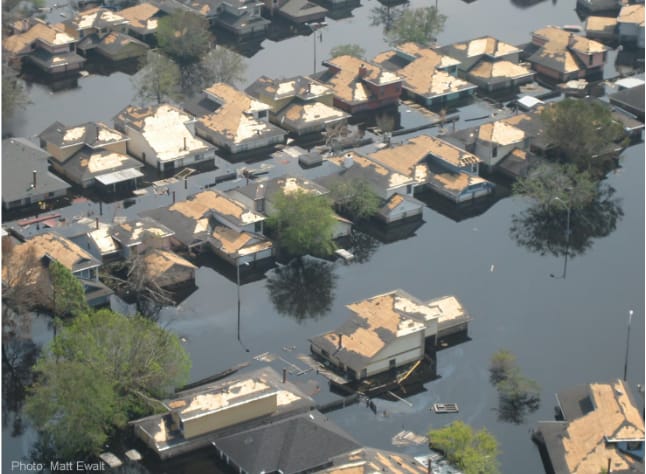
Short of moving your building or raising it up above flooding, the best approach to take to reduce storm, flooding and natural disaster losses is to simply use a proven coating to wind and waterproofthe surfaces in the path of destruction.
Tuesday, September 18, 2018
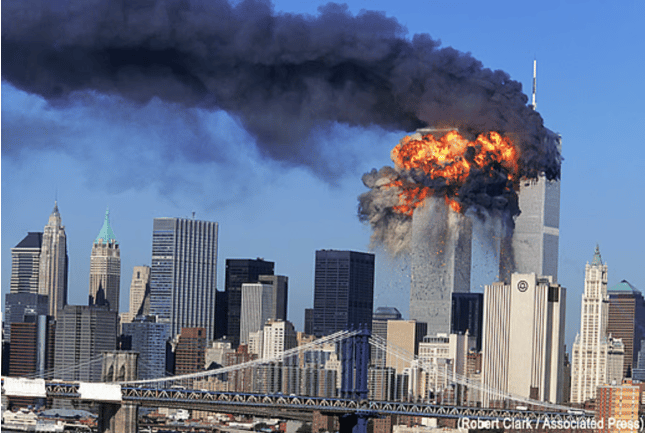
We recently passed the anniversary of 9-11-2001 tragedy of the attack on the Twin Towers in New York. I wanted to remind everyone that the effects of that fateful day are still being felt and especially by some of the heroes that were affected by the initial exposure and then the secondary exposure that took place during the cleanup. Some of those exposed were firefighters, police officers, EMTs (Emergency Medical Technician), construction workers, transit workers, cleanup workers, debris removal crews, truck drivers, nearby office workers, and Lower Manhattan residents.
Tuesday, August 21, 2018
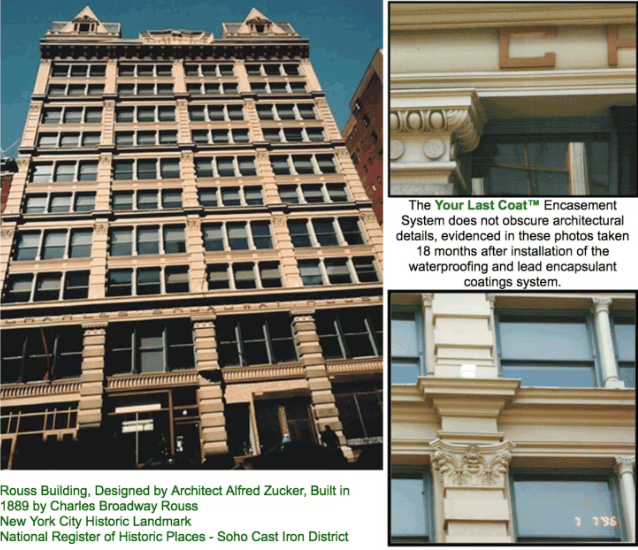
I discussed in a recent blog the importance of keeping the aesthetics of a historic building intact. Making sure that the look and overall presentation on a structure is preserved is very significant. This is especially true with landmark properties that have prominent and distinct features. Preservation can become very difficult when it entails obsolete building materials that contain hazardous materials that are typically removed and replaced. Three of the most common of hazardous materials is lead-based paint, asbestos and PCBs. In the USA, lead was used in paints up until 1978. It then was banned for its negative health effects, especially with children in their developing stages. PCBs, or polychlorinated biphenyls, were banned from paints, caulking and surface coatings in 1979 and asbestos was banned in 1974. All these bans were due to the negative health and environmental effects of these products.
Tuesday, July 17, 2018
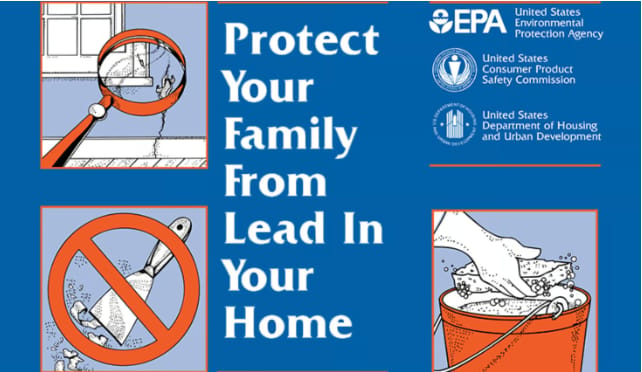
Lead Paint Poisoning is Preventable Through Education and Action