Blogs Where Nature Meets Science & Coatings
"If All the Greedy People that Pollute can get Together & Show Strength in Unity – then Honest, Environmentalists Must Do the Same. You See – It’s as Simple As That.” George C. Keefe - ENCASEMENT Guy
Blogs Where Nature Meets Science & Coatings
"If All the Greedy People that Pollute can get Together & Show Strength in Unity – then Honest, Environmentalists Must Do the Same. You See – It’s as Simple As That.” George C. Keefe - ENCASEMENT Guy
Monday, March 04, 2024

Listen and Learn: Dive into the Audio Version of Our Blog
In a world plagued by environmental break-down and the looming threat of climate change, the need for transformative action has never been more urgent.
Enter the circular economy – a new opportunity and model that promises not only to safeguard our planet but also to redefine our approach to production and consumption.
At its core, the circular economy embodies the principles of sustainability by promoting resource sharing, reuse, repair, refurbishment, and recycling.
It's an ideal shift away from the outdated and harmful 'take-make-dispose' mentality towards a more natural system that prioritizes longevity and efficiency.
And as we confront the challenges posed by climate change, the adoption of circular principles becomes not just desirable but imperative.
Nowhere is the potential of the circular economy more evident than in the realm of construction and infrastructure.
Buildings, the backbone of our urban landscapes, are notorious for their resource-intensive nature and significant environmental footprint.
However, by embracing circularity in construction practices and eco-friendly products, we can unlock a great number of benefits.
Consider the role of eco-friendly products and the right, long-term green coatings in this equation.
By choosing sustainable materials and the right long term, green coatings that prioritize environmental responsibility, we not only enhance the durability, longevity and resilience of structures but also minimize their ecological impact.
From roofs to facades, the application of the right, long term, protective green coatings is a proactive step towards prolonging the lifespan of buildings while reducing waste and emissions.
These defensive coatings can seriously extend the life cycle of a building and its parts.
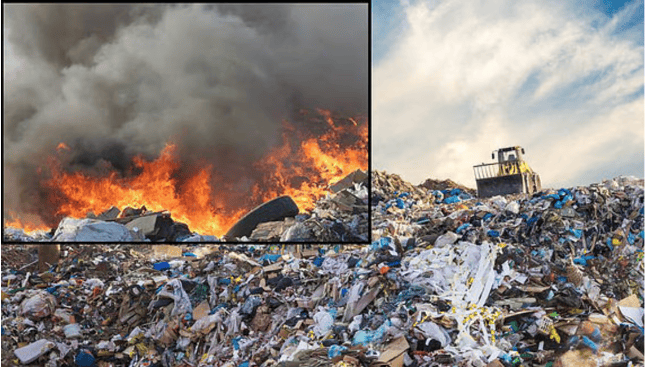
This helps prevent their unnecessary removal and replacement, minimizing the generation of excessive waste into our overflowing landfills and can greatly contribute to a circular economy.
Moreover, the circular economy offers a holistic approach that extends beyond mere environmental considerations.
It's about safeguarding not only our planet but also the well-being of communities and individuals.
By transitioning towards circularity, we create a more fair-minded and prosperous future for all.
Picture a world where resources are utilized efficiently, waste is minimized, and everyone benefits – from manufacturers to consumers, from businesses to households.
The circular economy promises precisely that.
It's a blueprint for a sustainable society where economic prosperity goes hand in hand with environmental stewardship.
However, achieving this vision requires concerted effort and collective action.
Governments, businesses, and individuals must collaborate to dismantle existing barriers and drive systemic change.
Policies that encourage circular practices, investments in innovation, and public awareness campaigns are crucial steps towards realizing the full potential of the circular economy.
To Sum It Up:
The transition towards a circular economy isn't just an environmental necessity – it's a moral obligation and an economic opportunity.
By embracing circular principles in construction, promoting eco-friendly practices, encasing structures for the long-term with the right green coatings, and fostering a culture of sustainability, we can build a brighter future for generations to come.
It's time to embark on this game changing journey towards a world where environmental protection, economic prosperity, and social equity go hand in hand.
“There is no such thing as ‘away’. When we throw anything away it must go somewhere.” – Annie Leonard, Proponent of Sustainability
What are your questions?
We are always here to help and excited to answer them.
Contact us at +1 (800) 266-3982 , or send us an email at service@encasement.com and leave a comment below.
See other posts like this one:


Friday, November 16, 2018
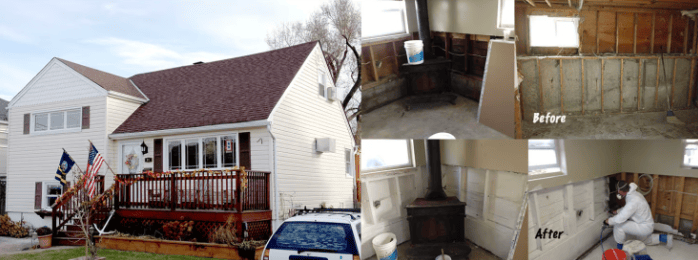
November is Lung Cancer Awareness Month including asbestos education, so this is a good time to raise awareness about preventing unnecessary exposure to asbestos that can cause lung cancer as well as contribute to other possible health concerns.
Wednesday, October 10, 2018
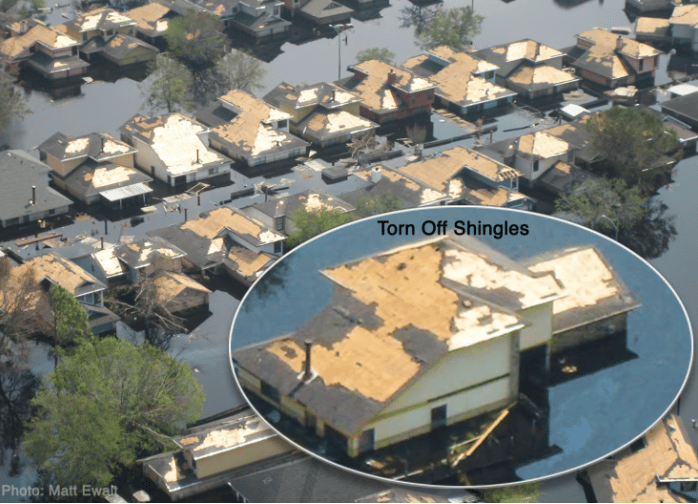
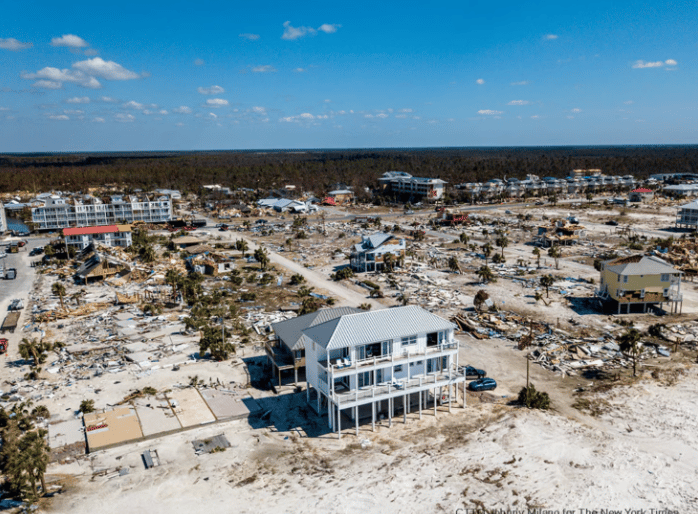
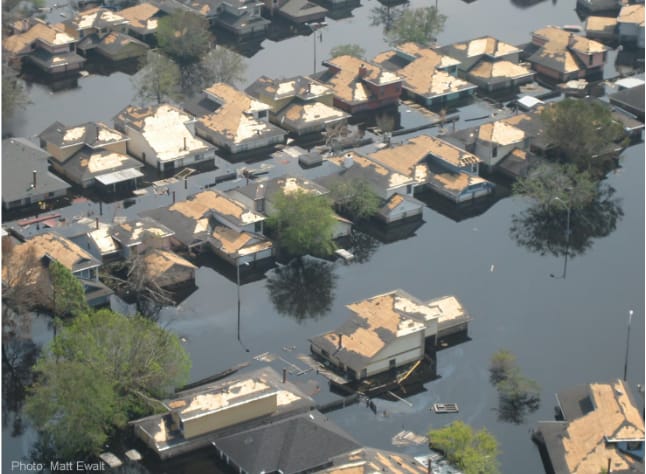
Short of moving your building or raising it up above flooding, the best approach to take to reduce storm, flooding and natural disaster losses is to simply use a proven coating to wind and waterproofthe surfaces in the path of destruction.

Tuesday, September 18, 2018
We recently passed the anniversary of 9-11-2001 tragedy of the attack on the Twin Towers in New York. I wanted to remind everyone that the effects of that fateful day are still being felt and especially by some of the heroes that were affected by the initial exposure and then the secondary exposure that took place during the cleanup. Some of those exposed were firefighters, police officers, EMTs (Emergency Medical Technician), construction workers, transit workers, cleanup workers, debris removal crews, truck drivers, nearby office workers, and Lower Manhattan residents.
Tuesday, August 21, 2018
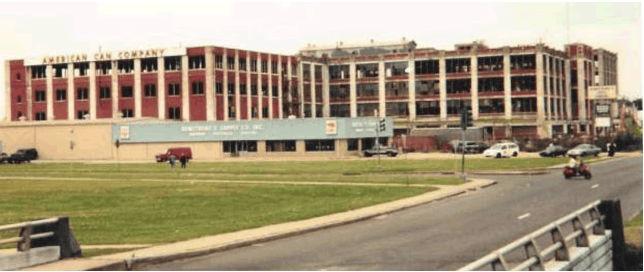
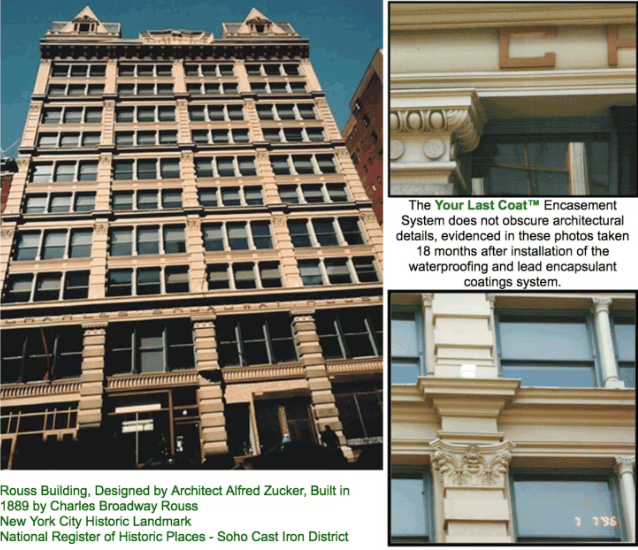
I discussed in a recent blog the importance of keeping the aesthetics of a historic building intact. Making sure that the look and overall presentation on a structure is preserved is very significant. This is especially true with landmark properties that have prominent and distinct features. Preservation can become very difficult when it entails obsolete building materials that contain hazardous materials that are typically removed and replaced. Three of the most common of hazardous materials is lead-based paint, asbestos and PCBs. In the USA, lead was used in paints up until 1978. It then was banned for its negative health effects, especially with children in their developing stages. PCBs, or polychlorinated biphenyls, were banned from paints, caulking and surface coatings in 1979 and asbestos was banned in 1974. All these bans were due to the negative health and environmental effects of these products.
Tuesday, July 17, 2018
Lead Paint Poisoning is Preventable Through Education and Action