Blogs Where Nature Meets Science & Coatings
"If All the Greedy People that Pollute can get Together & Show Strength in Unity – then Honest, Environmentalists Must Do the Same. You See – It’s as Simple As That.” George C. Keefe - ENCASEMENT Guy
Blogs Where Nature Meets Science & Coatings
"If All the Greedy People that Pollute can get Together & Show Strength in Unity – then Honest, Environmentalists Must Do the Same. You See – It’s as Simple As That.” George C. Keefe - ENCASEMENT Guy
Thursday, March 28, 2024

Listen and Learn: Dive into the Audio Version of Our Blog
In a world where environmental degradation and climate change loom large, the call for transformative action echoes louder than ever.
In this episode I'm again highlighting the circular economy—a groundbreaking model poised to not only shield our planet but also reshape our approach to production and consumption.
At its essence, the circular economy champions sustainability by advocating for resource sharing, reuse, repair, refurbishment, and recycling.
It signifies a departure from the linear 'take-make-dispose' mindset towards a regenerative system focused on longevity and efficiency.
Amidst the climate crisis, embracing circular principles is not just desirable but essential.
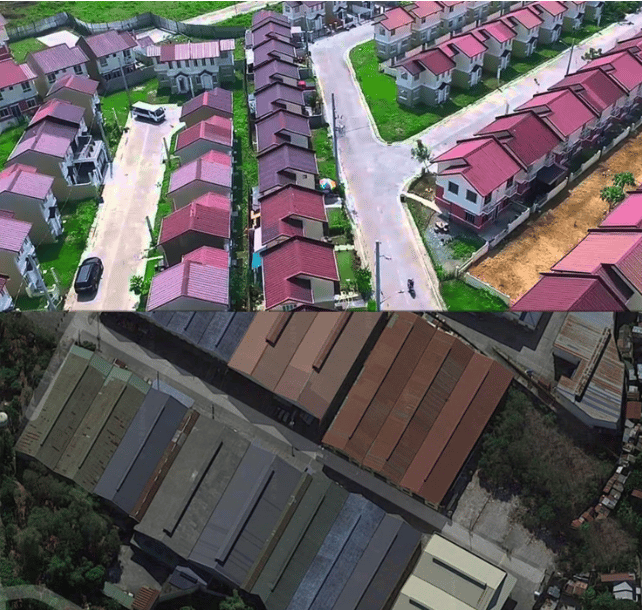
Roofing and infrastructure stand as prime examples where the circular economy can thrive.
Roofing is one of the largest offenders in the remove and replacement sector of our buildings.
It is the most waste generated on a reoccurring basis than any other building component during a building's service life cycle.
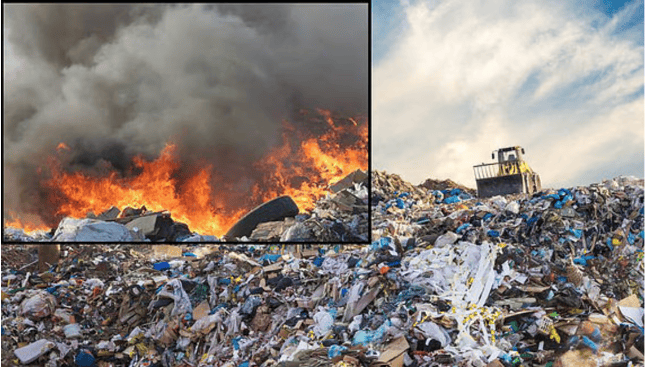
All the waste generated must be transported and stored in overflowing landfills.
Once there it starts to break down and release harmful CO2 emissions.
Studies show that certain roofing materials can take 200 to 300 years to fully breakdown and in that period of time they are releasing harmful and toxic materials into our air, waterways, groundwater and surrounding land areas.
Most of this can be prevented by simply and easily restoring these roofs, sometimes to even better than the original with the new opportunity of the right green coatings encasement.
Traditionally resource-intensive, buildings can undergo a transformation with circular construction practices.
Imagine the impact of eco-friendly products and the right, long-term green coatings in this domain.
By selecting sustainable materials and long-lasting, defensive coatings that prioritize environmental responsibility, we bolster structures durability while curbing their ecological footprint.
This circular economy's influence transcends environmental concerns.
It's about safeguarding communities and individuals alongside our planet.
Transitioning to circularity ensures a fairer, more prosperous future for all stakeholders—from manufacturers to consumers, businesses to households.
Picture a world where resources are utilized efficiently, waste is minimized, and everyone benefits.
The circular economy offers precisely that promise.
However, achieving this vision demands collective effort.
Governments, businesses, and individuals must unite to dismantle barriers and propel systemic change.
Policies incentivizing circular practices, investment in innovation, and public awareness are pivotal steps toward unlocking circular economy's full potential.
To Sum It Up
Transitioning to a circular economy isn't just a necessity—it's a moral and economic imperative.
Embracing circular principles in roofing restoration, promoting, long-term, eco-friendly, encasement products, and fostering sustainability culture pave the way for a brighter future.
Let's embark on this transformative journey toward a world where environmental protection, economic prosperity, and social equity harmoniously coexist.
“I hold a vision of this blue green planet, safe and in balance. At the end of the Fossil Fuel Era, we are emerging to a new reality. We are ready to make the next leap – as momentous as abolishing slavery or giving women the vote.” - Elizabeth May - Canadian Politician, Environmentalist, Author & Activist
What are your questions?
We are always here to help and excited to answer them.
Contact us at +1 (800) 266-3982 , or send us an email at service@encasement.com and leave a comment below.
See other posts like this one:

Friday, November 16, 2018
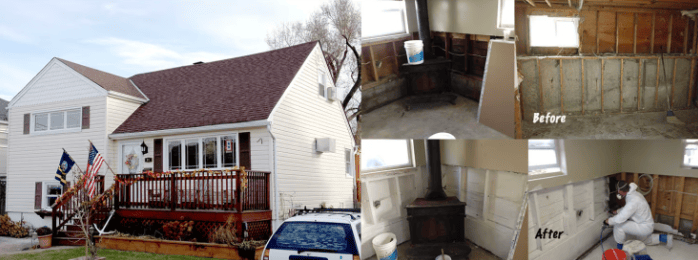
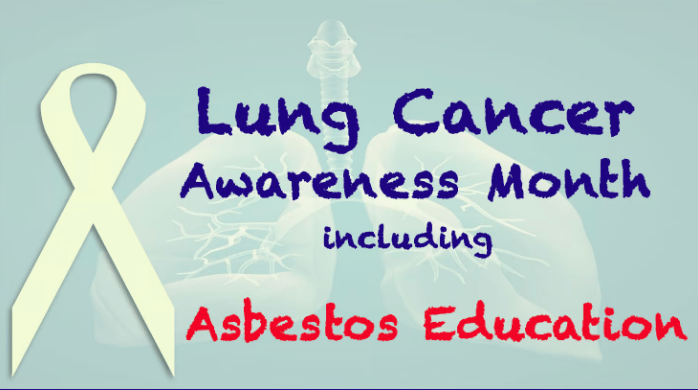
November is Lung Cancer Awareness Month including asbestos education, so this is a good time to raise awareness about preventing unnecessary exposure to asbestos that can cause lung cancer as well as contribute to other possible health concerns.
Wednesday, October 10, 2018
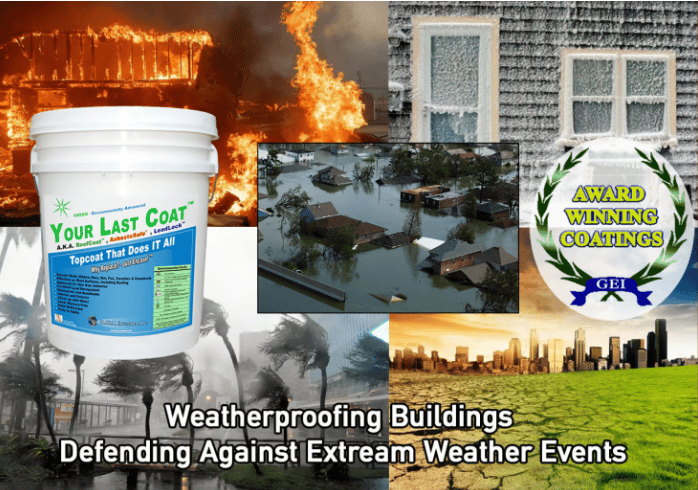
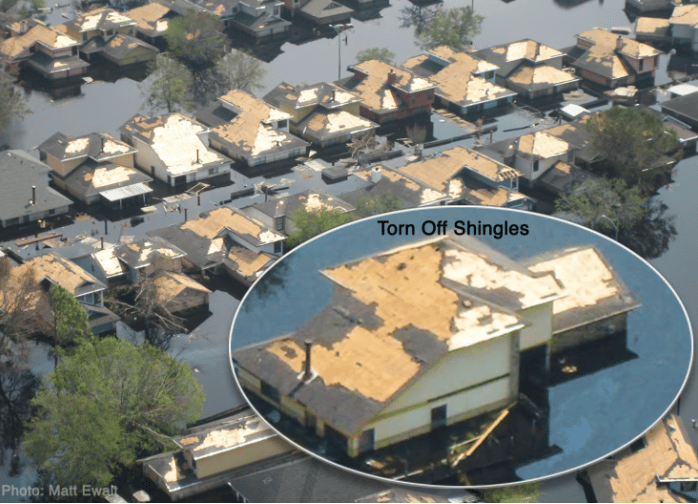
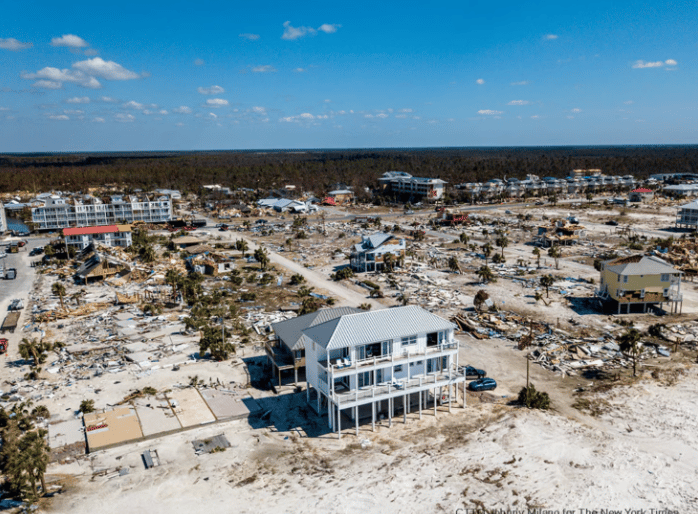
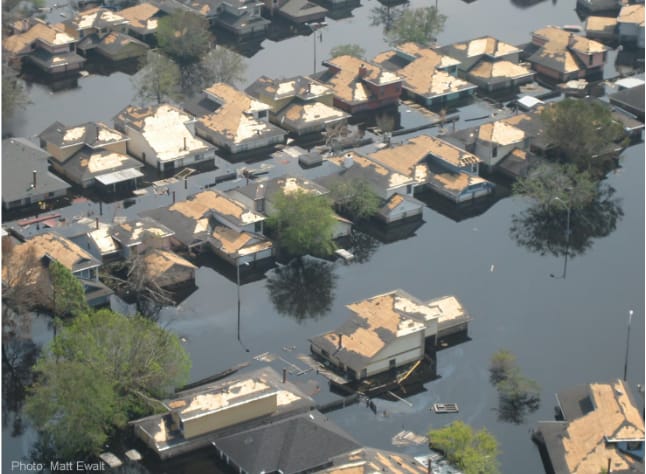
Short of moving your building or raising it up above flooding, the best approach to take to reduce storm, flooding and natural disaster losses is to simply use a proven coating to wind and waterproofthe surfaces in the path of destruction.

Tuesday, September 18, 2018
We recently passed the anniversary of 9-11-2001 tragedy of the attack on the Twin Towers in New York. I wanted to remind everyone that the effects of that fateful day are still being felt and especially by some of the heroes that were affected by the initial exposure and then the secondary exposure that took place during the cleanup. Some of those exposed were firefighters, police officers, EMTs (Emergency Medical Technician), construction workers, transit workers, cleanup workers, debris removal crews, truck drivers, nearby office workers, and Lower Manhattan residents.
Tuesday, August 21, 2018
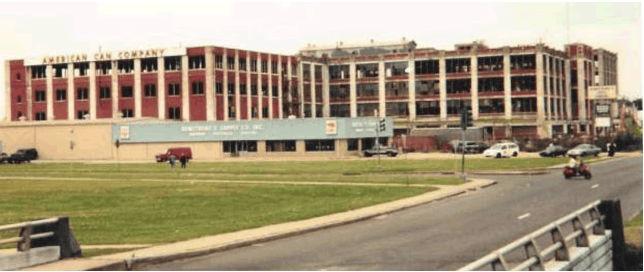
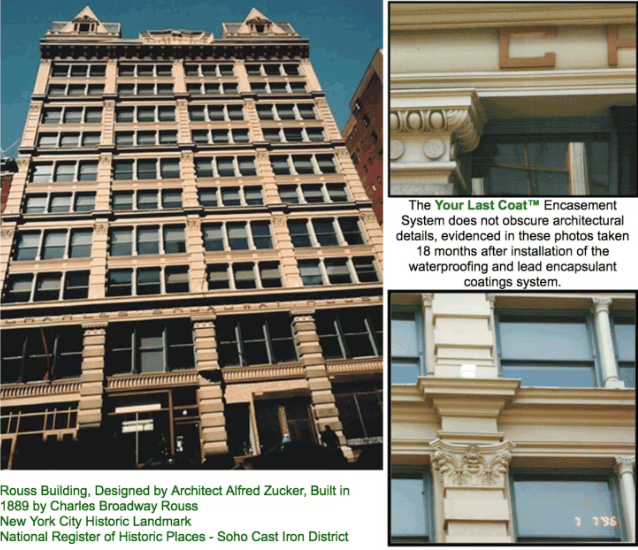
I discussed in a recent blog the importance of keeping the aesthetics of a historic building intact. Making sure that the look and overall presentation on a structure is preserved is very significant. This is especially true with landmark properties that have prominent and distinct features. Preservation can become very difficult when it entails obsolete building materials that contain hazardous materials that are typically removed and replaced. Three of the most common of hazardous materials is lead-based paint, asbestos and PCBs. In the USA, lead was used in paints up until 1978. It then was banned for its negative health effects, especially with children in their developing stages. PCBs, or polychlorinated biphenyls, were banned from paints, caulking and surface coatings in 1979 and asbestos was banned in 1974. All these bans were due to the negative health and environmental effects of these products.
Tuesday, July 17, 2018
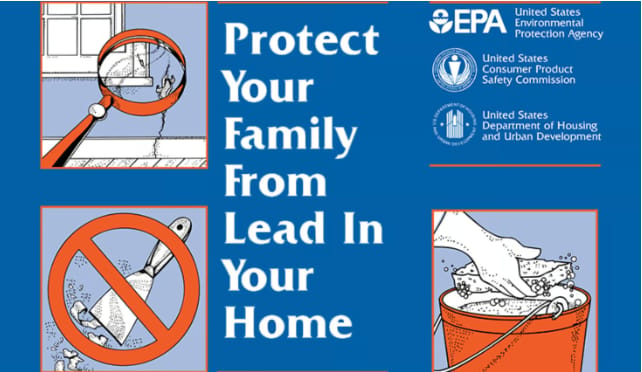
Lead Paint Poisoning is Preventable Through Education and Action