Blogs Where Nature Meets Science & Coatings
"If All the Greedy People that Pollute can get Together & Show Strength in Unity – then Honest, Environmentalists Must Do the Same. You See – It’s as Simple As That.” George C. Keefe - ENCASEMENT Guy
Blogs Where Nature Meets Science & Coatings
"If All the Greedy People that Pollute can get Together & Show Strength in Unity – then Honest, Environmentalists Must Do the Same. You See – It’s as Simple As That.” George C. Keefe - ENCASEMENT Guy
Thursday, March 07, 2024

Listen and Learn: Dive into the Audio Version of Our Blog
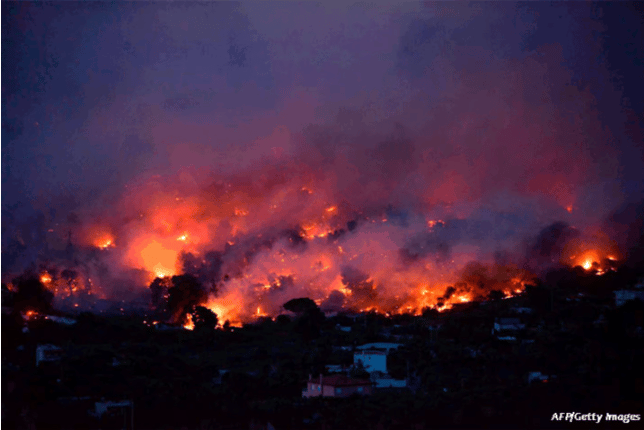
Living through a growing climate crisis, we've started to experience freak storms like none we had ever seen before.
Systems seemingly materialized out of nowhere, with typically advanced warning systems failing us.
Sometimes not knowing it’s coming until it is right on top of us - greeted by 500 strikes of lightning per minute, thunder, and rain viciously loud and the sky resembling a firework display with no pauses.
The impacts of these events are devastating, often destroying buildings and homes.
Unpredictable events like this are quickly becoming the norm, where even small events mean big losses.
In this episode I point out how we are living through some of the repercussions of climate change, and it is simply no longer enough for architecture to be beautifully passive.
In the face of these looming new realities, we need to create architecture that genuinely performs, and that includes simply fortifying and reinforcing existing buildings, structures and homes for our changing climate reality.
They have to be robust enough to survive the harsh temperaments, including wind-driven missiles when the wind is blowing at incredible force against a building, home or structure.
The process of integrating a simple strategy is not just about the compound effect of these easy solutions, but more about its holistic performance in concert with the environment.
It also involves the right, flexible green coatings to withstand the Earth moving and shaking beneath the buildings they are protecting, moving with those structures, ensuring safe environmental solutions.
Testing and design are crucial for making structures more resilient as we prepare for harsher weather.
Ultimately, this allows people to better shelter in place with a sense of confidence, knowing that their buildings and homes are fortified against the unpredictable forces of climate change.
In this era of increasing climate uncertainty, the use of eco-friendly products and the right powerful, long-term green coatings play a pivotal role in designing climate-resilient buildings.
These materials not only contribute to the sustainability of our environment but also enhance the durability and longevity of structures against extreme weather events.
By integrating the right green coatings encasement into architectural design, we can ease the risks posed by climate change and create spaces that prioritize both functionality and environmental responsibility.
From reinforced foundations to strong, long-term, weather-resistant, green coatings, every aspect of building design must be carefully considered to ensure resilience in the face of climate challenges.
By prioritizing eco-friendly solutions and innovative technologies, we can pave the way for a more sustainable future, where our built environment can withstand the unpredictable forces of nature with confidence and strength.
To Sum It Up:
As we face the realities of a burgeoning climate crisis, it's essential to design buildings that can withstand the unpredictable forces of nature.
From freak storms to hurricanes, we're experiencing unprecedented weather events that demand a new approach to architecture.
By integrating eco-friendly products and green coatings, we can create climate-resilient buildings that prioritize both functionality and environmental responsibility.
Let's simply fortify our structures and prepare for the challenges ahead!
“Climate change is the Everest of all problems, the thorniest challenge facing humankind.” - Lewis Gordon Pugh - British-South African Endurance Swimmer & Ocean Advocate.
What are your questions?
We are always here to help and excited to answer them.
Contact us at +1 (800) 266-3982 , or send us an email at service@encasement.com and leave a comment below.
See other posts like this one:
Friday, November 16, 2018
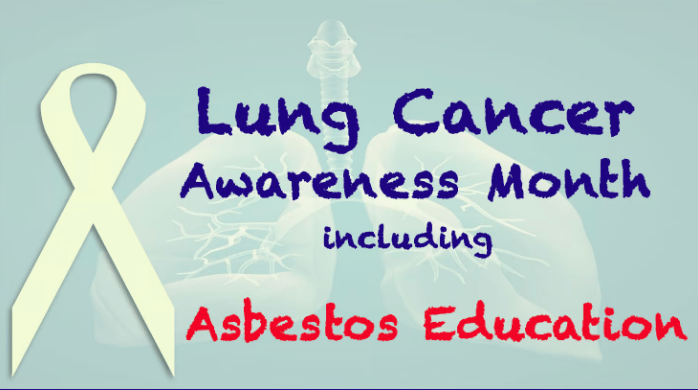
November is Lung Cancer Awareness Month including asbestos education, so this is a good time to raise awareness about preventing unnecessary exposure to asbestos that can cause lung cancer as well as contribute to other possible health concerns.

Wednesday, October 10, 2018
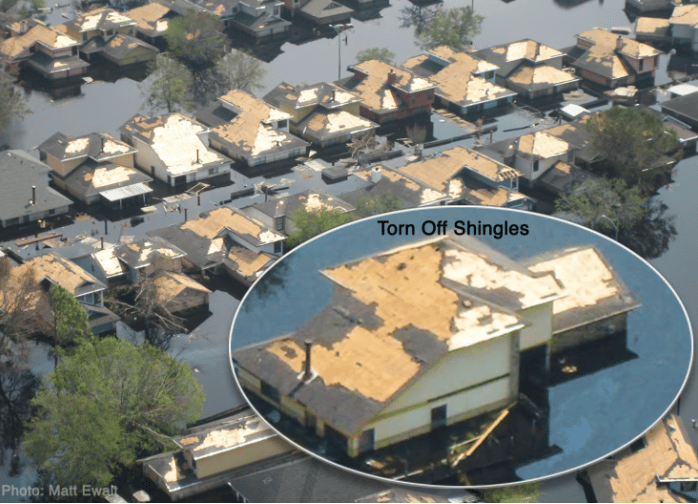
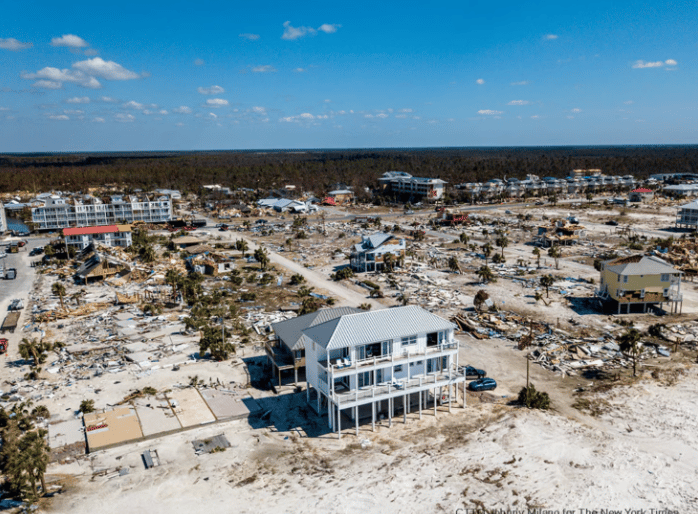
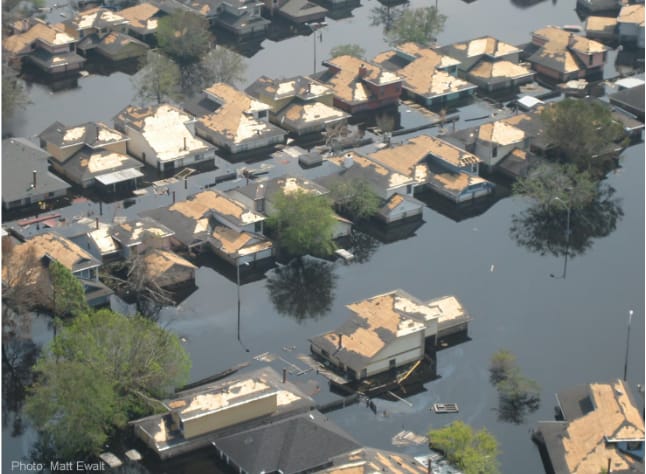
Short of moving your building or raising it up above flooding, the best approach to take to reduce storm, flooding and natural disaster losses is to simply use a proven coating to wind and waterproofthe surfaces in the path of destruction.

Tuesday, September 18, 2018
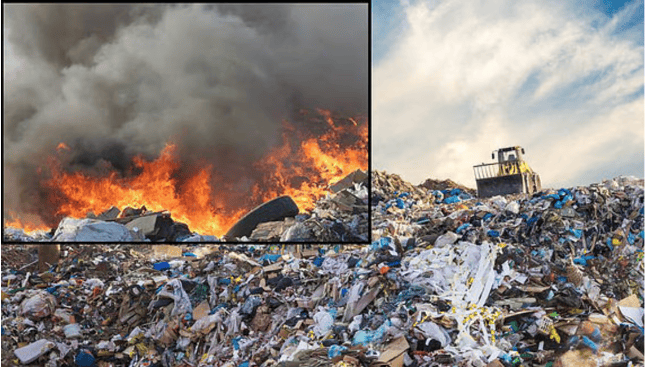
We recently passed the anniversary of 9-11-2001 tragedy of the attack on the Twin Towers in New York. I wanted to remind everyone that the effects of that fateful day are still being felt and especially by some of the heroes that were affected by the initial exposure and then the secondary exposure that took place during the cleanup. Some of those exposed were firefighters, police officers, EMTs (Emergency Medical Technician), construction workers, transit workers, cleanup workers, debris removal crews, truck drivers, nearby office workers, and Lower Manhattan residents.
Tuesday, August 21, 2018
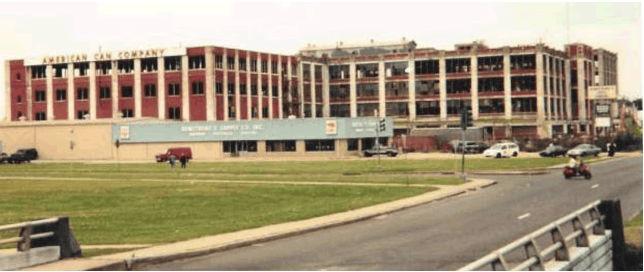
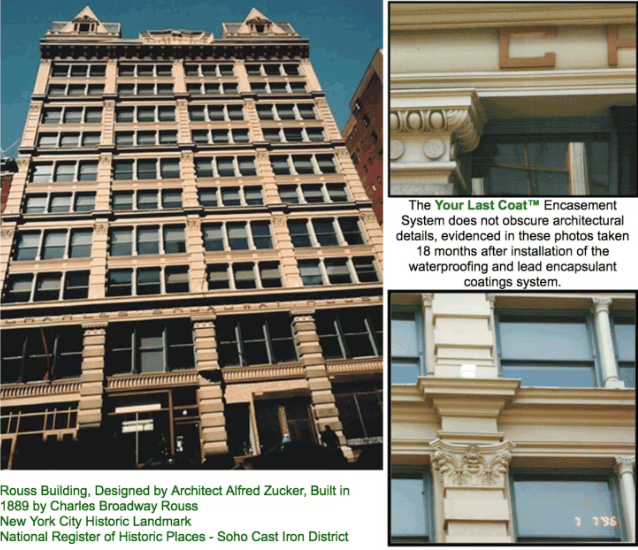
I discussed in a recent blog the importance of keeping the aesthetics of a historic building intact. Making sure that the look and overall presentation on a structure is preserved is very significant. This is especially true with landmark properties that have prominent and distinct features. Preservation can become very difficult when it entails obsolete building materials that contain hazardous materials that are typically removed and replaced. Three of the most common of hazardous materials is lead-based paint, asbestos and PCBs. In the USA, lead was used in paints up until 1978. It then was banned for its negative health effects, especially with children in their developing stages. PCBs, or polychlorinated biphenyls, were banned from paints, caulking and surface coatings in 1979 and asbestos was banned in 1974. All these bans were due to the negative health and environmental effects of these products.
Tuesday, July 17, 2018
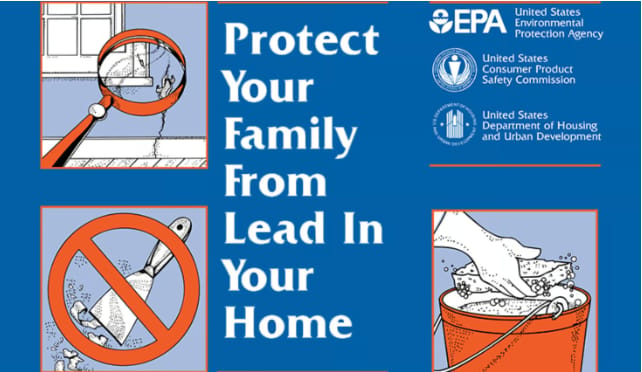
Lead Paint Poisoning is Preventable Through Education and Action