Blogs Where Nature Meets Science & Coatings
"If All the Greedy People that Pollute can get Together & Show Strength in Unity – then Honest, Environmentalists Must Do the Same. You See – It’s as Simple As That.” George C. Keefe - ENCASEMENT Guy
Blogs Where Nature Meets Science & Coatings
"If All the Greedy People that Pollute can get Together & Show Strength in Unity – then Honest, Environmentalists Must Do the Same. You See – It’s as Simple As That.” George C. Keefe - ENCASEMENT Guy
Friday, March 29, 2024
Listen and Learn: Dive into the Audio Version of Our Blog
In the face of escalating climate change threats, the imperative to protect our planet and its inhabitants has never been more pressing.
As "Weather Kids" sounds the alarm on the climate crisis, it's crucial to explore innovative solutions that not only mitigate environmental damage but also safeguard communities and infrastructure.
Enter the transformative potential and new opportunity of the right green coatings encasement—a cornerstone of sustainable building practices that holds the key to a resilient future.
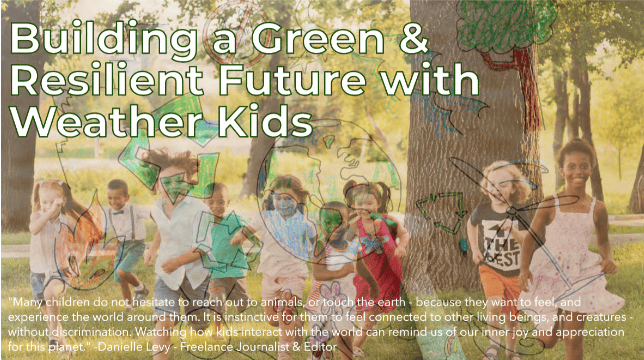
At its core, the "Weather Kids" campaign highlights the far-reaching impacts of climate change, particularly on vulnerable populations like children.
From extreme weather events to rising temperatures, the consequences are stark and undeniable.
However, amidst the grim projections, there's optimism —a call to action that transcends individual efforts and embraces collective responsibility.
Green coatings encasement emerges as a pivotal tool in this fight against climate change.
By integrating long-term sustainable materials and practices into building design and construction, we can fortify structures against the ravages of a warming world.
From heat & weather-resistant coatings to eco-friendly solutions, these not only enhance building durability but also reduce energy consumption, lower the generation of waste, prevent overuse of natural resources and minimize carbon emissions.
The interconnectedness of climate change, building resilience, and green coatings encasement cannot be overstated.
As temperatures soar and weather patterns become increasingly severe and erratic, the need for sustainable building solutions becomes more urgent than ever.
The right green coatings encasement offer a multifaceted approach to protecting both people and buildings, mitigating risks and fostering a more sustainable built environment.
But the benefits extend beyond mere structural integrity.
By embracing green coatings encasement, we're also taking strides towards safeguarding the planet itself.
Traditional building materials often contribute to environmental degradation through resource depletion and pollution.
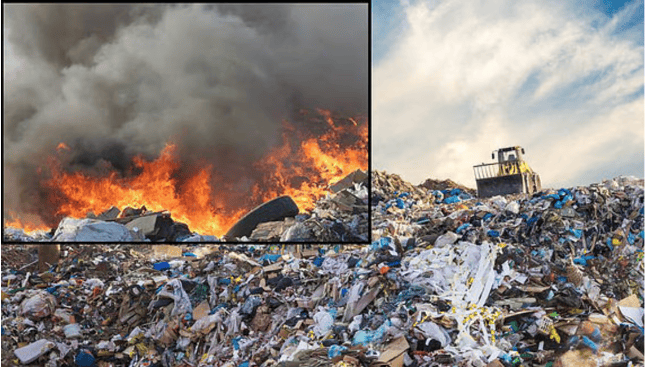
This is especially true with the generation, transportation and storage of harmful construction waste.
In contrast, the right, long-term green coatings leverage renewable resources and minimize ecological footprint, aligning with broader efforts to combat climate change.
Moreover, the right green coatings play a crucial role in enhancing indoor air quality—a consideration that's especially pertinent in light of climate change-related health risks.
By reducing volatile organic compounds (VOCs) and other harmful emissions, these coatings create healthier living and working environments, fostering well-being amidst environmental uncertainty.
As champions of sustainability, we recognize the symbiotic relationship between climate action, building resilience, and the right green coatings encasement.
By embracing these solutions, we're not only fortifying our infrastructure but also safeguarding the well-being of future generations.
Information Points:
•Climate Awareness: "Weather Kids" campaign raises awareness about climate change's impact on children and communities globally.
•Building Resilience: Green coatings encasement offers sustainable solutions to protect buildings and people against climate-related risks.
•Environmental Impact: By embracing the right green coatings, we minimize environmental degradation and contribute to climate mitigation efforts.
•Health Benefits: Green coatings improve indoor air quality, promoting healthier living and working environments amidst climate uncertainty.
•Collective Action: Together, we can combat climate change, build resilience, and foster sustainability through innovative solutions like green coatings encasement.
As we reflect on the profound implications of "Weather Kids" and the imperative to combat climate change, consider the pivotal role that green coatings encasement can play in shaping a more resilient and sustainable future.
The "Weather Kids" campaign underscores the urgent need for action, highlighting the impact on our children and communities.
Discover how the right green coatings encasement can protect buildings and people while minimizing environmental impact.
Together, let's harness the power of innovation to protect our planet, our communities, and the generations to come.
"Many children do not hesitate to reach out to animals, or touch the earth - because they want to feel, and experience the world around them. It is instinctive for them to feel connected to other living beings, and creatures - without discrimination. Watching how kids interact with the world can remind us of our inner joy and appreciation for this planet." - Danielle Levy - Freelance Journalist & Editor
What are your questions?
We are always here to help and excited to answer them.
Contact us at +1 (800) 266-3982 , or send us an email at service@encasement.com and leave a comment below.
See other posts like this one:
Friday, November 16, 2018
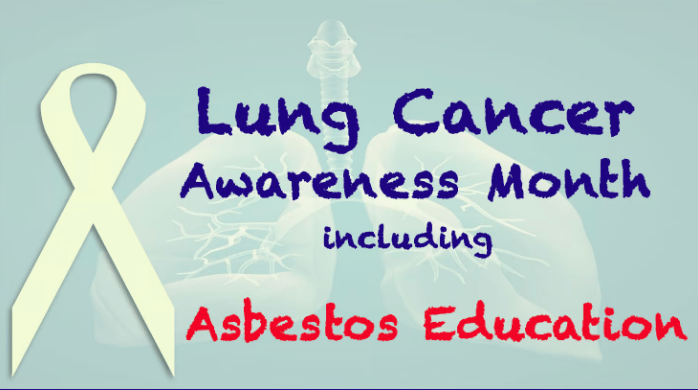
November is Lung Cancer Awareness Month including asbestos education, so this is a good time to raise awareness about preventing unnecessary exposure to asbestos that can cause lung cancer as well as contribute to other possible health concerns.
Wednesday, October 10, 2018
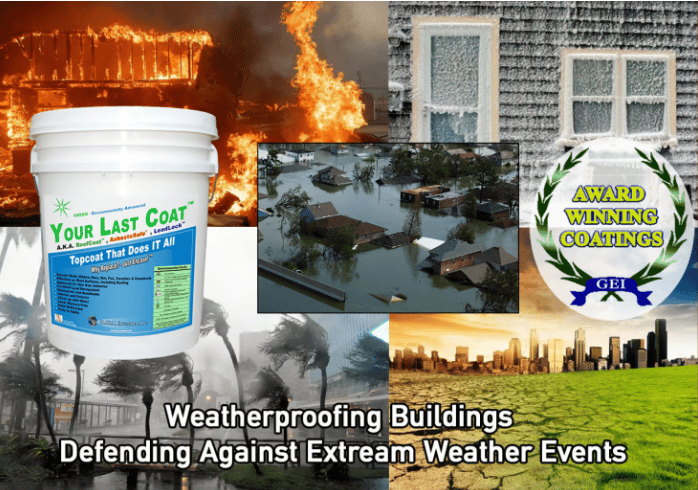
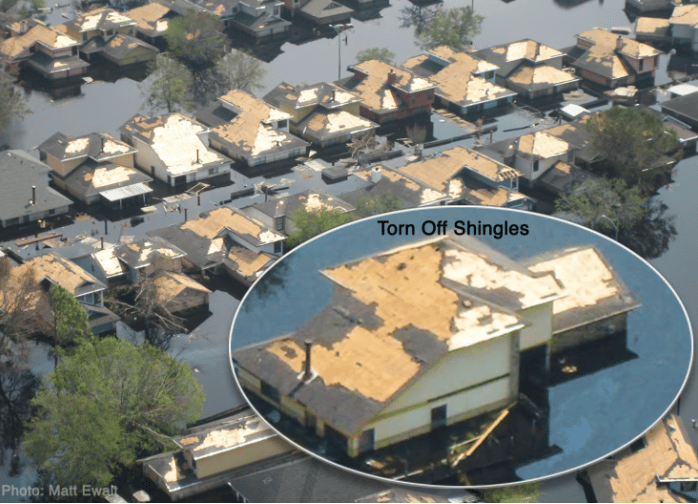
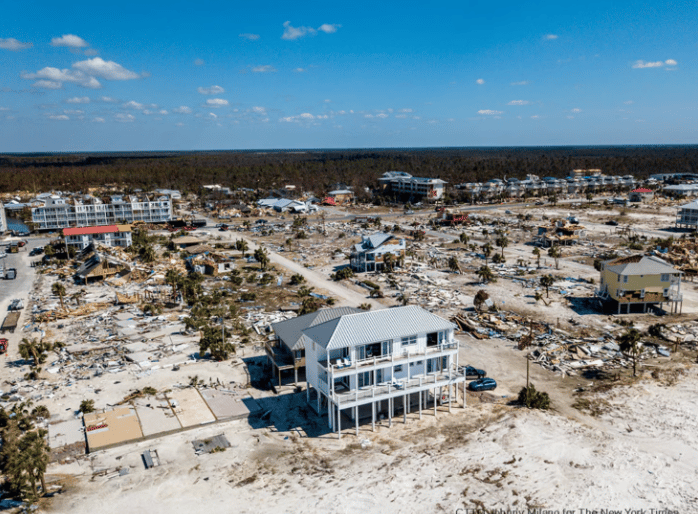
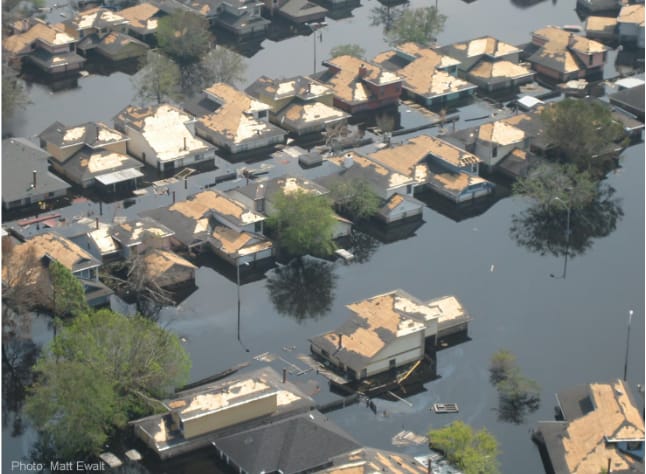
Short of moving your building or raising it up above flooding, the best approach to take to reduce storm, flooding and natural disaster losses is to simply use a proven coating to wind and waterproofthe surfaces in the path of destruction.
Tuesday, September 18, 2018
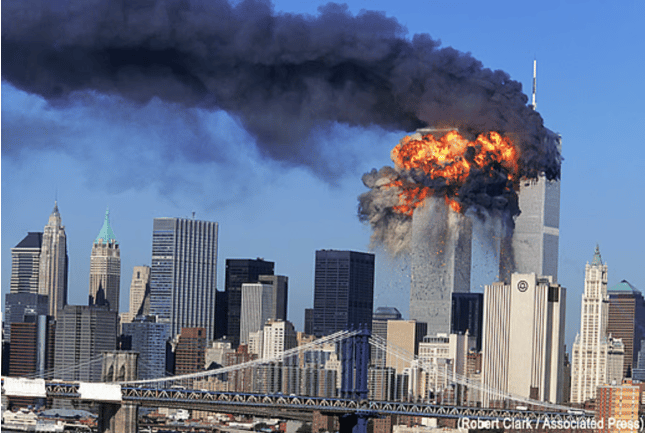
We recently passed the anniversary of 9-11-2001 tragedy of the attack on the Twin Towers in New York. I wanted to remind everyone that the effects of that fateful day are still being felt and especially by some of the heroes that were affected by the initial exposure and then the secondary exposure that took place during the cleanup. Some of those exposed were firefighters, police officers, EMTs (Emergency Medical Technician), construction workers, transit workers, cleanup workers, debris removal crews, truck drivers, nearby office workers, and Lower Manhattan residents.
Tuesday, August 21, 2018
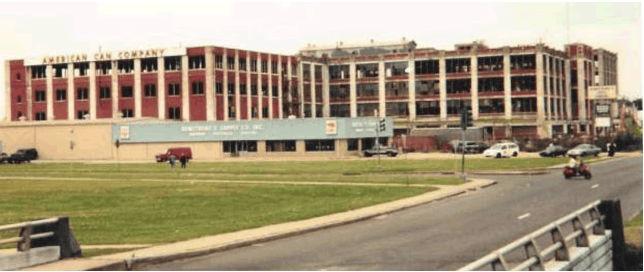
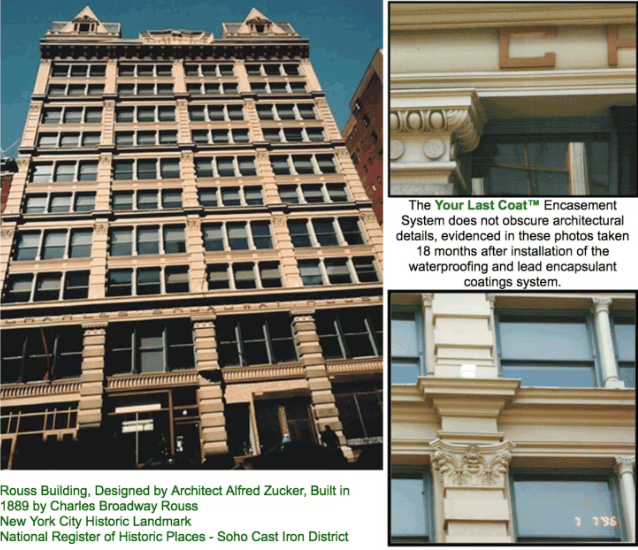
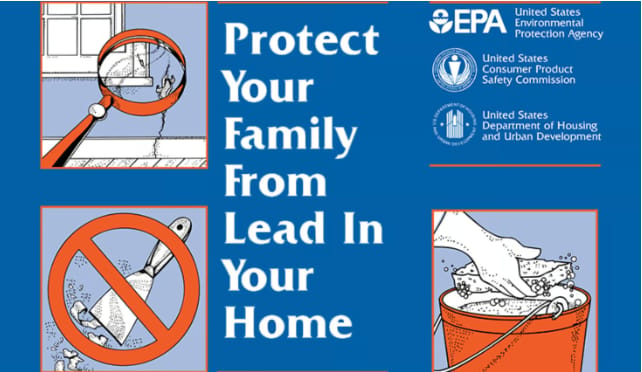
I discussed in a recent blog the importance of keeping the aesthetics of a historic building intact. Making sure that the look and overall presentation on a structure is preserved is very significant. This is especially true with landmark properties that have prominent and distinct features. Preservation can become very difficult when it entails obsolete building materials that contain hazardous materials that are typically removed and replaced. Three of the most common of hazardous materials is lead-based paint, asbestos and PCBs. In the USA, lead was used in paints up until 1978. It then was banned for its negative health effects, especially with children in their developing stages. PCBs, or polychlorinated biphenyls, were banned from paints, caulking and surface coatings in 1979 and asbestos was banned in 1974. All these bans were due to the negative health and environmental effects of these products.
Tuesday, July 17, 2018
Lead Paint Poisoning is Preventable Through Education and Action