Blogs Where Nature Meets Science & Coatings
"If All the Greedy People that Pollute can get Together & Show Strength in Unity – then Honest, Environmentalists Must Do the Same. You See – It’s as Simple As That.” George C. Keefe - ENCASEMENT Guy
Blogs Where Nature Meets Science & Coatings
"If All the Greedy People that Pollute can get Together & Show Strength in Unity – then Honest, Environmentalists Must Do the Same. You See – It’s as Simple As That.” George C. Keefe - ENCASEMENT Guy
Thursday, July 30, 2020
Asbestos and lead-based paint – you know them well. They lurk in older schools, housing complexes, military installations and other buildings, waiting silently to inflict disease and sometimes death on their occupants. Today, asbestos-containing materials (ACM) are found in over 700,000 buildings in the United States, and loose, flaking, or peeling lead-based paint (LBP) is present in more than 72 million United States homes, schools, and other buildings constructed before 1978.
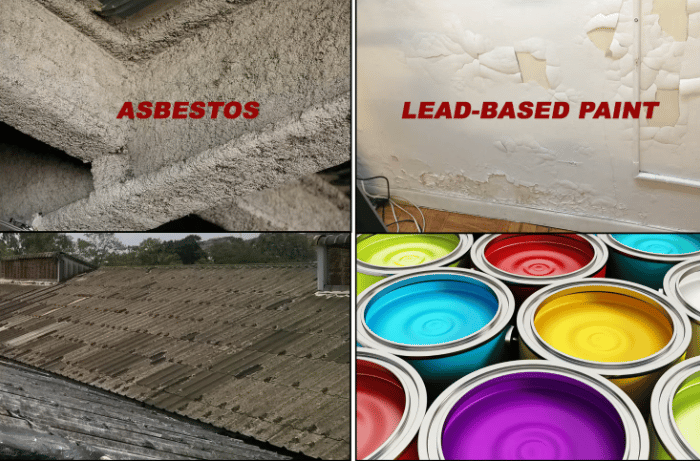
These are minuscule numbers compared to what is out there on a worldwide scale. Even if we stopped producing these questionable products today, which is not happening, it would take several lifetimes to even dent removing it all from our lives. So with these facts, there is only one method that works to protect people from the downsides of these prominent building materials and that is to simply, safely manage them in place.
A better way of managing hazardous materials in-place
Most experts now believe that "management-in-place" of these hazardous materials is the best abatement solution – far less costly and with fewer associated risks than removal and replacement.
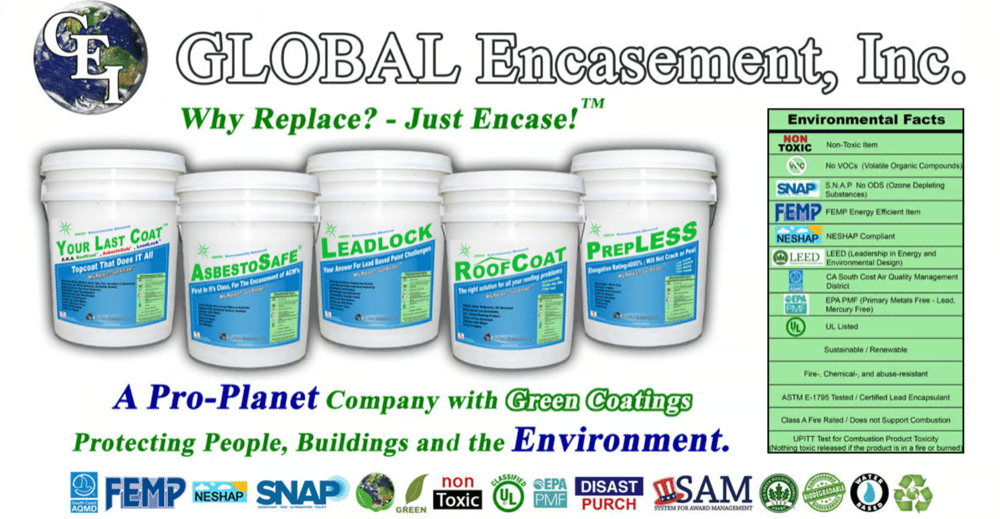
No company today provides safer, more cost-effective, and longer-lasting encasement solutions than GEI (GLOBAL Encasement, Inc). After over a quarter of a century, GEI is a technology leader in the field of protective, defensive coatings for hazardous materials. The company's AsbestoSafe®, LeadLock™, Your Last Coat™ and RoofCoat™ protective-coating products solve environmental problems at far less cost than other abatement methods without creating additional concerns during the abatement action. AsbestoSafe®, LeadLock™, Your Last Coat™ and RoofCoat™ are non-toxic, water based, and fire resistant. They are also environmentally sound, thoroughly tested, and can be covered by a 20-year limited warranty.
A protective jacket that safely seals hazards in-place
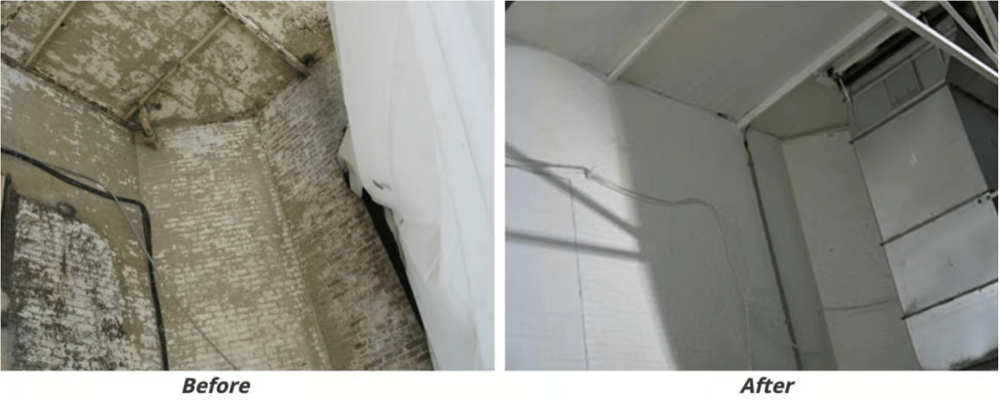
GEI’s abatement coatings safely seal and enclose hazardous materials for long-term, in-place management. Unlike board or other enclosure methods, a fluid applied encasement system is fully adhered, bonding and sealing the hazardous material in-place behind a protective jacket that is air-tight, seamless, waterproof, non-chalking, fire, impact, and seismic resistant. In addition to being extremely cost-effective, these GEI encasement abatement systems are also environmentally sound in ways that protect occupants, reduce hazardous wastes, conserve energy through added insulation qualities, and preserve natural wood resources.
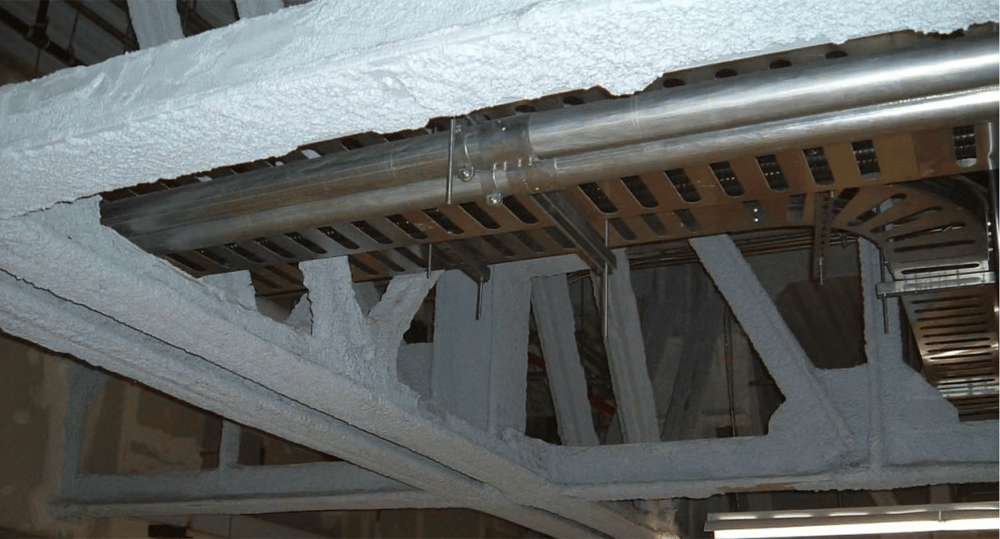
GEI Systems: Your best abatement investment
In today's abatement procedures, where most work occurs within occupied buildings, encasement is a better investment than removal or enclosure. It can save from 50% to 75% in direct abatement costs; it can virtually eliminate the expense and hassle of relocation because encasement can often be done after-hours; and it can reduce downtime since abated units can be reoccupied quickly with no concern for toxic fumes. It is a non-invasive technique with nondisruptive procedures.
In fact, the argument for encasement as an abatement solution grows stronger every year. In the handbook “Managing Asbestos In Place”, the U.S. Environmental Protection Agency (EPA) has included "spray applied enclosures, also known as encasement" as an acceptable asbestos abatement management method. Our research indicates that over 70% of the asbestos originally installed in buildings is being managed-in-place today.
Using encasement systems over lead-based paint, the U.S. Department of Housing can abate two to five times more housing units at the same cost as removal, disposal and replacement. Those are just direct removal expenses and don’t cover indirect costs of relocation of personnel and contents, the generation of hazardous waste or include overall housing downtime. All of which can be avoided with the simple application GEI coatings.
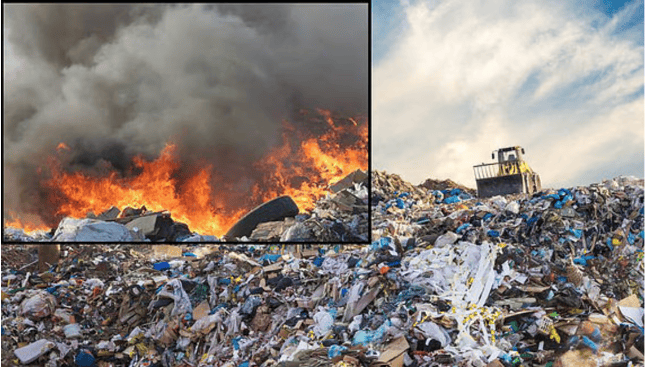
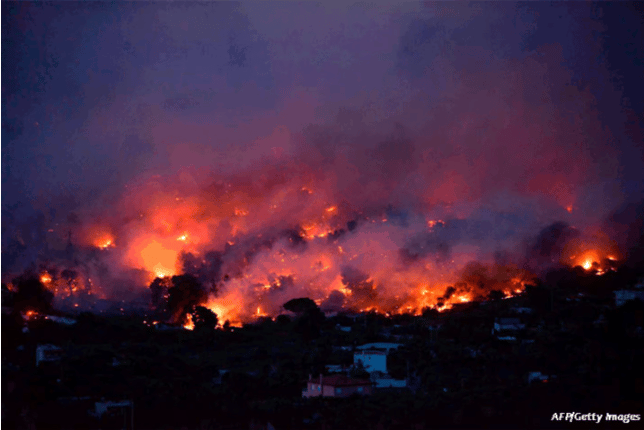
Asbestos & lead-based paint are not the only solid hazardous materials in older buildings that can inflict damage. PCBs (Polychlorinated biphenyls) are another dangerous material that were used and still present in those aging buildings. They also continue to break down and can be released into the environment. In addition, other building components and household items that are normally safe when hit with destructive weather and other ruinous events can change, turning toxic and be released into the environment. All these can be controlled with GEI products.
To learn more about these and other associated issues contact me at: https://encasementguy.com/hire-encasement-guy-consulting-contracting
See other posts like this one:
Friday, November 16, 2018
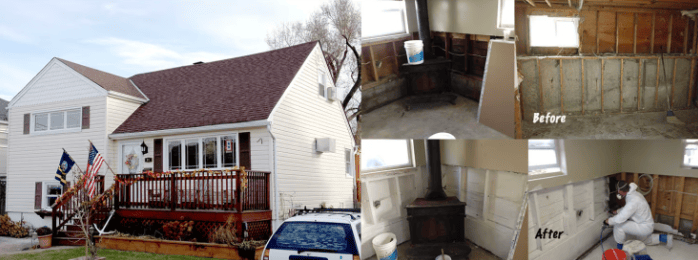
November is Lung Cancer Awareness Month including asbestos education, so this is a good time to raise awareness about preventing unnecessary exposure to asbestos that can cause lung cancer as well as contribute to other possible health concerns.

Wednesday, October 10, 2018
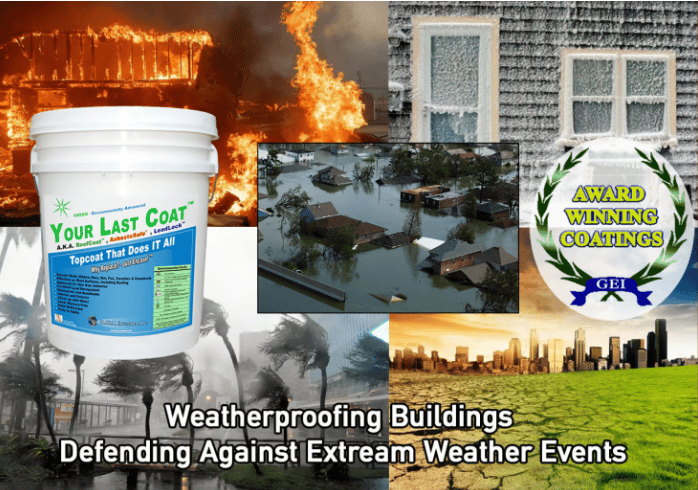
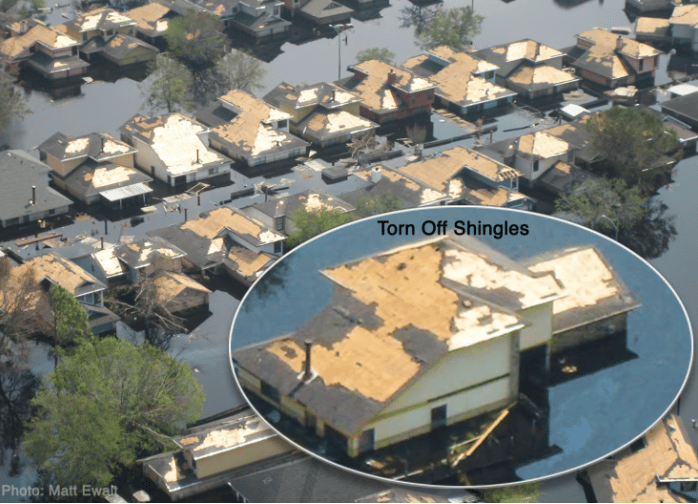
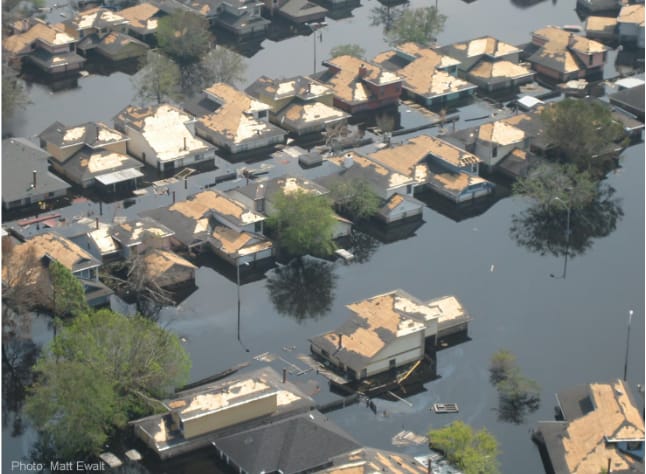
Short of moving your building or raising it up above flooding, the best approach to take to reduce storm, flooding and natural disaster losses is to simply use a proven coating to wind and waterproofthe surfaces in the path of destruction.

Tuesday, September 18, 2018
We recently passed the anniversary of 9-11-2001 tragedy of the attack on the Twin Towers in New York. I wanted to remind everyone that the effects of that fateful day are still being felt and especially by some of the heroes that were affected by the initial exposure and then the secondary exposure that took place during the cleanup. Some of those exposed were firefighters, police officers, EMTs (Emergency Medical Technician), construction workers, transit workers, cleanup workers, debris removal crews, truck drivers, nearby office workers, and Lower Manhattan residents.
Tuesday, August 21, 2018
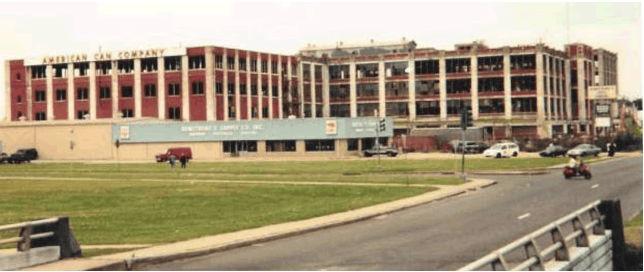
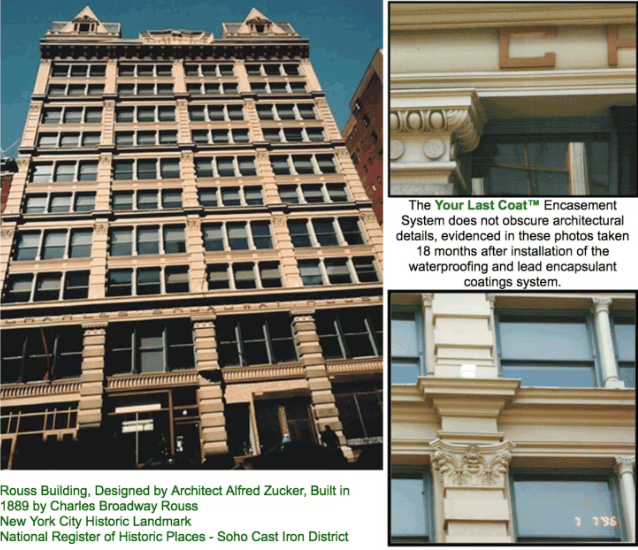
I discussed in a recent blog the importance of keeping the aesthetics of a historic building intact. Making sure that the look and overall presentation on a structure is preserved is very significant. This is especially true with landmark properties that have prominent and distinct features. Preservation can become very difficult when it entails obsolete building materials that contain hazardous materials that are typically removed and replaced. Three of the most common of hazardous materials is lead-based paint, asbestos and PCBs. In the USA, lead was used in paints up until 1978. It then was banned for its negative health effects, especially with children in their developing stages. PCBs, or polychlorinated biphenyls, were banned from paints, caulking and surface coatings in 1979 and asbestos was banned in 1974. All these bans were due to the negative health and environmental effects of these products.
Tuesday, July 17, 2018
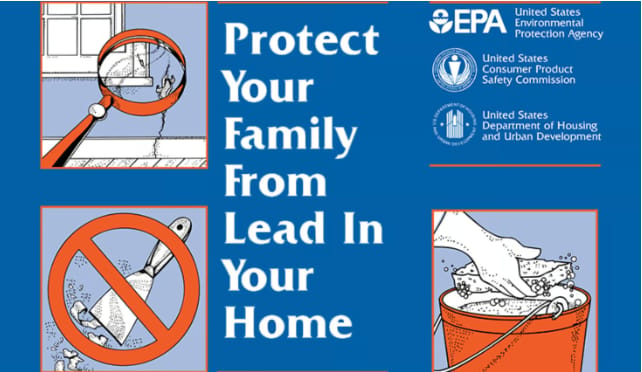
Lead Paint Poisoning is Preventable Through Education and Action