
Blogs Where Nature Meets Science & Coatings
"If All the Greedy People that Pollute can get Together & Show Strength in Unity – then Honest, Environmentalists Must Do the Same. You See – It’s as Simple As That.” George C. Keefe - ENCASEMENT Guy
Blogs Where Nature Meets Science & Coatings
"If All the Greedy People that Pollute can get Together & Show Strength in Unity – then Honest, Environmentalists Must Do the Same. You See – It’s as Simple As That.” George C. Keefe - ENCASEMENT Guy
Monday, October 02, 2023
As the Big Apple (one of my home towns) grapples with yet another devastating storm, it's become abundantly clear that the city's preparations for extreme weather events are falling short.
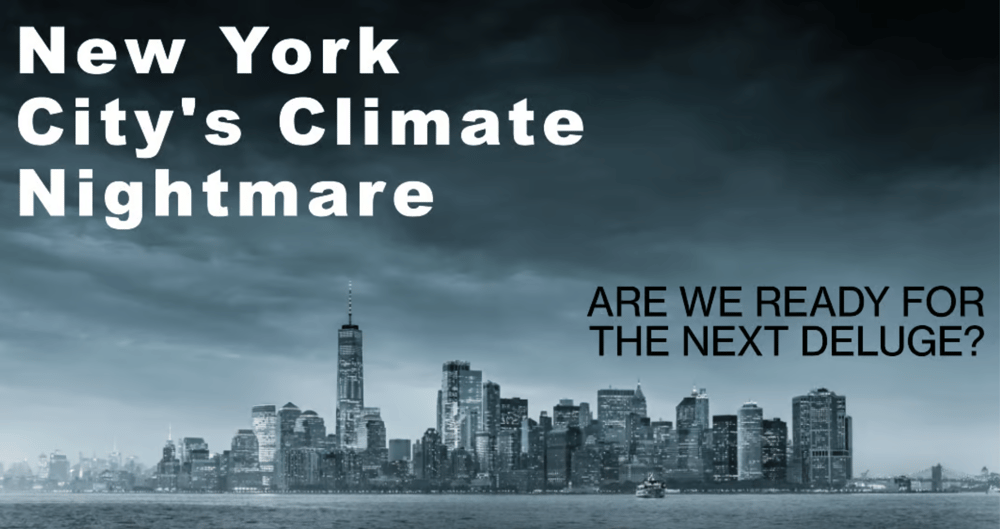
A warmer atmosphere, laden with moisture, has wreaked havoc on New York's aging infrastructure, leaving streets transformed into torrents and subways submerged.
The recent deludge, just two years after the remnants of Hurricane Ida took a deadly toll, has underscored the urgent need for climate resilience.
In the wake of this latest crisis, the question looms large: Is New York City prepared for the next deluge?
It seems clear that the city is exposed.
The recent storm that dumped over 7 inches of rain in less than 24 hours laid bare the vulnerability of New York City's aging infrastructure to the intensifying impacts of climate change.
The rapid urbanization and outdated infrastructure have left the city ill-equipped to handle modern storms.
As a result, streets were transformed into fast-moving rivers, subway travel ground to a halt, and underground transit stations became submerged.
Climate change is making extreme weather events like these more frequent and severe.
The warming atmosphere can hold and deliver more moisture, leading to heavy rainfall rates of up to 2.5 inches per hour in some areas.
Flash flooding became a common sight, with roads closed, cars submerged, and city buses trapped.
More than a decade after Hurricane Sandy shook New York City, officials find themselves still grappling with the challenges of climate resilience.
The lessons learned from Sandy prompted discussions about bolstering the city's defenses, yet it appears that progress has been slow.
There has been an urgent and intensified call to action.
Joseph Kane, an infrastructure expert at the Brookings Institute, warns that it's high time for New York City and its leaders to face the harsh reality.
The climate is becoming more extreme and unpredictable, demanding significant investment.
Waiting until disaster strikes is often too little, too late and never a good tactic.
Unfortunately, personally I’m seeing this same approach play out in some of the more vulnerable parts of the world.
The recent storm serves as a poignant reminder that climate change isn't just a looming threat; it's here, and it's wreaking havoc on our cities.
New York City's resilience is being put to the test, and the question remains: Are we ready for the next deluge?
As the city navigates its way through these turbulent times, the need for proactive climate action has never been more evident.
“I want you to act as if the house is on fire, because it is.” Greta Thunberg
“If All the Greedy People that Pollute can get Together & Show Strength in Unity – then Honest, Environmentalists Must Do the Same. You See – It’s as Simple As That.” George C. Keefe - ENCASEMENT Guy
See other posts like this one:
Tuesday, November 17, 2026
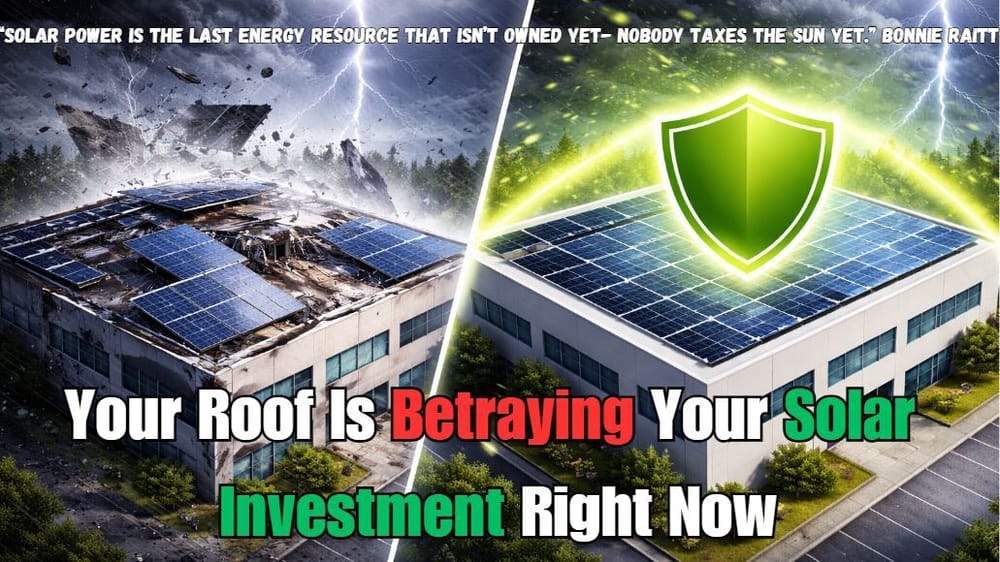
Solar can reduce dependence on volatile energy markets and turn rooftops into productive assets. But a rooftop solar system and the roof beneath it must be planned as one long-term system — because a clean-energy investment can become a costly maintenance problem if the roof, attachment points, and water-control details are not ready for decades of service.

Tuesday, November 10, 2026
The word "abatement" doesn't mean "rip it out." Understanding the real definition can save building owners tens of thousands of dollars -- and spare them years of unnecessary disruption. In my 50+ years in the field, I've watched this single misconception drive some of the most wasteful decisions in building management. It's time to set the record straight.
Tuesday, November 03, 2026
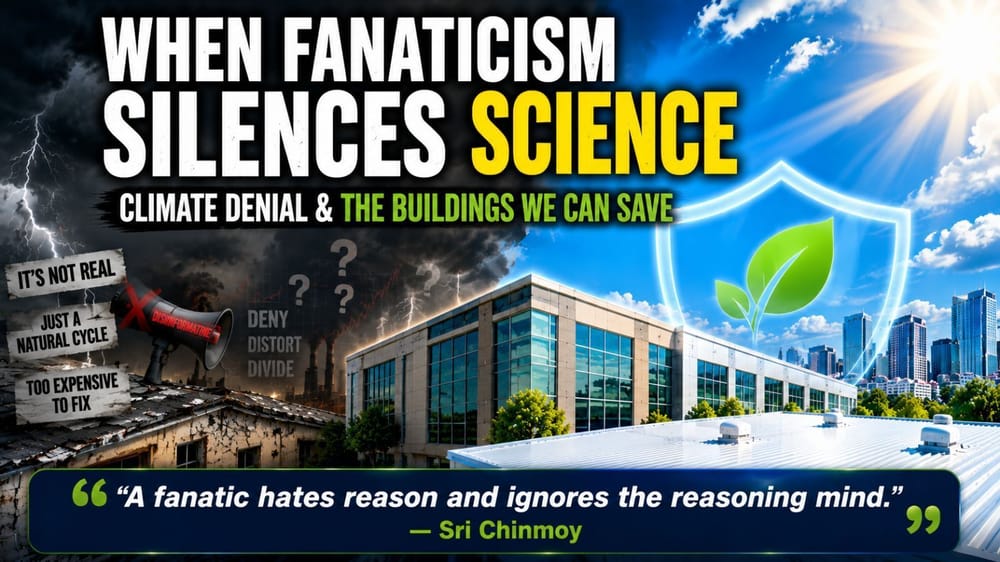
A quote, a warning, and a practical response — because when reason is under attack, doing the right thing becomes both a moral act and a market advantage.

Tuesday, October 27, 2026
The storms are not coming. They are already here. Climate science has spent decades warning us about intensifying heat, heavier rainfall, rising seas, stronger coastal hazards, and weather extremes that place aging buildings under stresses many of them were never designed to endure.

Tuesday, October 20, 2026
Less than 9% of the people applying protective coatings to buildings and structures in America are women — in a trade that requires no special strength, no tools a woman doesn't already know how to use, and no barriers that have anything to do with capability. That statistic isn't just surprising. From my experience, it represents one of the largest untapped professional opportunities in the country — and it's about to get even bigger.

Tuesday, October 13, 2026
The maintenance-treadmill coating industry has a dirty secret: your building's repeated failures aren't bad luck. They're the business model. Here's what 40+ years in the field taught me, and what Green ENCASEMENT Coatings do about it.

Tuesday, October 06, 2026
Ordinary paint can make a building look protected while heat, moisture, UV, wind, and seasonal movement keep attacking beneath the surface. Green ENCASEMENT Coatings change the protection strategy.
Tuesday, September 29, 2026
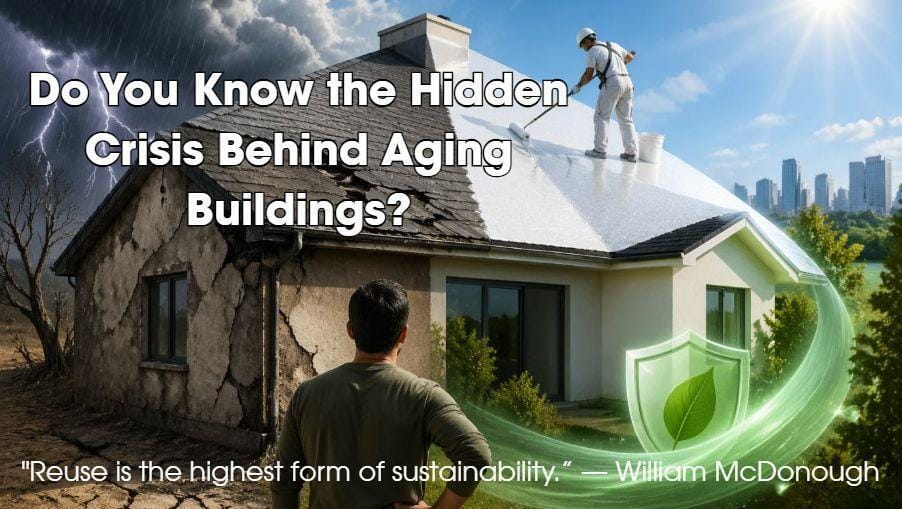
The Renewable Revolution: How Green ENCASEMENT Coatings Are Redefining Building Surfaces

Tuesday, September 22, 2026
History has already shown where buildings fail. The smarter strategy is to study those failures, strengthen the envelope before the next event, and preserve what can still be protected.
Tuesday, September 15, 2026
How Green ENCASEMENT Coatings are rewriting the rules of hail protection — before impact damage becomes a roof replacement problem.

Tuesday, September 08, 2026
Why Green ENCASEMENT Coatings can cost more at the beginning — and still cost far less over the life of your building.




Tuesday, August 04, 2026