Blogs Where Nature Meets Science & Coatings
"If All the Greedy People that Pollute can get Together & Show Strength in Unity – then Honest, Environmentalists Must Do the Same. You See – It’s as Simple As That.” George C. Keefe - ENCASEMENT Guy
Blogs Where Nature Meets Science & Coatings
"If All the Greedy People that Pollute can get Together & Show Strength in Unity – then Honest, Environmentalists Must Do the Same. You See – It’s as Simple As That.” George C. Keefe - ENCASEMENT Guy
Tuesday, August 07, 2018
Listen and Learn: Dive into the Audio Version of Our Blog
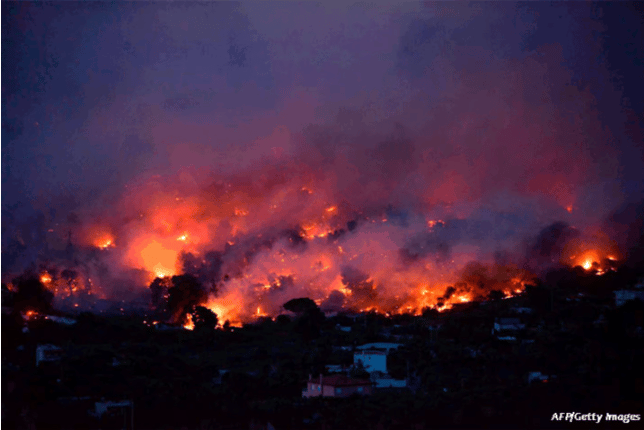
91 people were killed recently in Greece as wildfire swept the country.
In the USA, there are at least 18 active fires burning through California alone.
The deadly Mendocino Complex Fire itself has burned over 283,800 acres and grew about 80% in 4 days becoming the largest fire in state history, while the Carr fire has destroyed over 1,000 homes.
With wildfires raging out of control across the US & around the world, I feel it’s important to again emphasize that these fires leave behind toxic ash and hazardous material the needs to be safely dealt with.
The lost lives, destroyed lands and demolished homes have devastated the lives of so many which is terrible enough.
But there is an underlying fact that the danger can continue long after the flames go out.
Homes and buildings that have been destroyed by fires leave behind extremely toxic ash and hazardous debris that can cause harm and damage to those that are tackling the clean up and living close by.
But why is this so?
The toxic debris and hazardous ash can potentially contain harmful levels of heavy metals, which include antimony, chromium, arsenic, cadmium, copper, lead and zinc.
This assortment of hazardous debris can also contain electronic waste from computers, monitors, batteries and other toxic substances from, paints, polychlorinated biphenyls (PCBs) and asbestos.
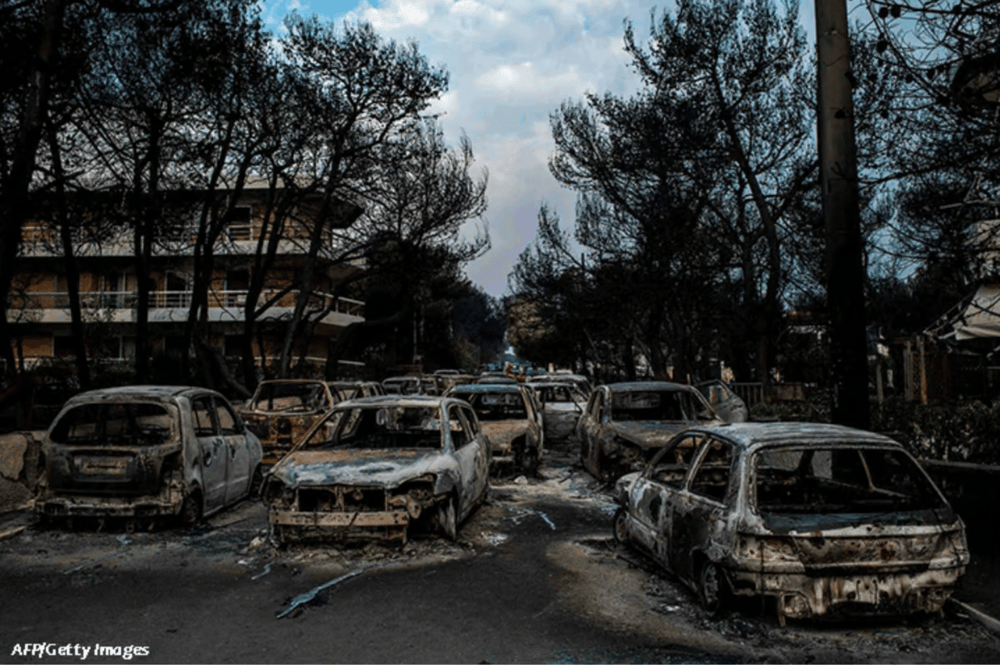
After the fires are extinguished, the leftover toxic debris can create a direct exposure to those that are sifting through, handling the ash and living in the surrounding areas.
Hence, it is important to make sure this hazardous ash is contained and controlled as much as possible.
This can be accomplished by first properly wetting down and controlling the offending material with the right product and then properly handling it during the clean up and removal, thereby minimizing and helping prevent the possibility of unnecessary exposure to individuals and entire neighborhoods.
What are your questions?
We are always here to help and excited to answer them.
Contact us at +1 (800) 266-3982 , or send us an email at service@encasement.com and leave a comment below.
See other posts like this one:

Tuesday, November 17, 2026
Solar can reduce dependence on volatile energy markets and turn rooftops into productive assets. But a rooftop solar system and the roof beneath it must be planned as one long-term system — because a clean-energy investment can become a costly maintenance problem if the roof, attachment points, and water-control details are not ready for decades of service.

Tuesday, November 10, 2026
The word "abatement" doesn't mean "rip it out." Understanding the real definition can save building owners tens of thousands of dollars -- and spare them years of unnecessary disruption. In my 50+ years in the field, I've watched this single misconception drive some of the most wasteful decisions in building management. It's time to set the record straight.

Tuesday, November 03, 2026
A quote, a warning, and a practical response — because when reason is under attack, doing the right thing becomes both a moral act and a market advantage.

Tuesday, October 27, 2026
The storms are not coming. They are already here. Climate science has spent decades warning us about intensifying heat, heavier rainfall, rising seas, stronger coastal hazards, and weather extremes that place aging buildings under stresses many of them were never designed to endure.

Tuesday, October 20, 2026
Less than 9% of the people applying protective coatings to buildings and structures in America are women — in a trade that requires no special strength, no tools a woman doesn't already know how to use, and no barriers that have anything to do with capability. That statistic isn't just surprising. From my experience, it represents one of the largest untapped professional opportunities in the country — and it's about to get even bigger.

Tuesday, October 13, 2026
The maintenance-treadmill coating industry has a dirty secret: your building's repeated failures aren't bad luck. They're the business model. Here's what 40+ years in the field taught me, and what Green ENCASEMENT Coatings do about it.

Tuesday, October 06, 2026
Ordinary paint can make a building look protected while heat, moisture, UV, wind, and seasonal movement keep attacking beneath the surface. Green ENCASEMENT Coatings change the protection strategy.
Tuesday, September 29, 2026
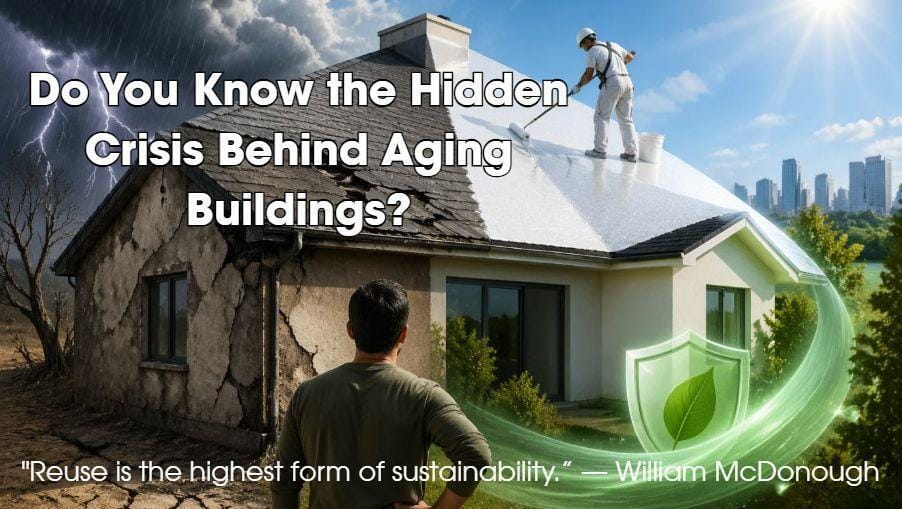
The Renewable Revolution: How Green ENCASEMENT Coatings Are Redefining Building Surfaces

Tuesday, September 22, 2026
History has already shown where buildings fail. The smarter strategy is to study those failures, strengthen the envelope before the next event, and preserve what can still be protected.
Tuesday, September 15, 2026
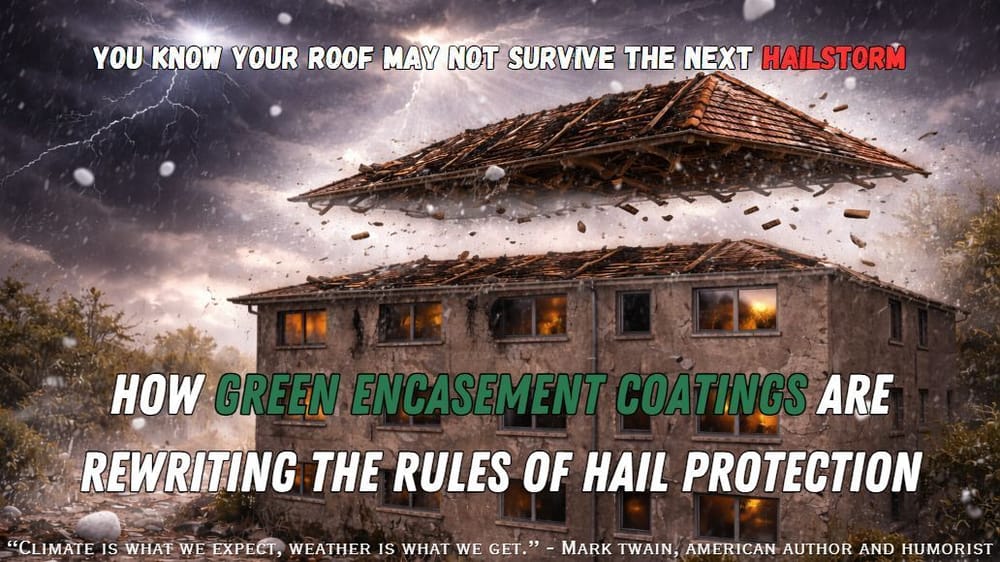
How Green ENCASEMENT Coatings are rewriting the rules of hail protection — before impact damage becomes a roof replacement problem.

Tuesday, September 08, 2026
Why Green ENCASEMENT Coatings can cost more at the beginning — and still cost far less over the life of your building.





Tuesday, August 04, 2026