Blogs Where Nature Meets Science & Coatings
"If All the Greedy People that Pollute can get Together & Show Strength in Unity – then Honest, Environmentalists Must Do the Same. You See – It’s as Simple As That.” George C. Keefe - ENCASEMENT Guy
Blogs Where Nature Meets Science & Coatings
"If All the Greedy People that Pollute can get Together & Show Strength in Unity – then Honest, Environmentalists Must Do the Same. You See – It’s as Simple As That.” George C. Keefe - ENCASEMENT Guy
Thursday, January 24, 2019
By: George C. Keefe
Note: The Author is an Environmentalist, Green Coatings Enthusiast, Contractor, Consultant, Vegan, Blogger, Podcaster. Protecting the Health of People & Planet. CEO & Founder at Global ENCASEMENT, Inc., Restoration & Management vs Removal & Replacement. Why Replace – Just Encase!
Listen and Learn: Dive into the Audio Version of Our Blog
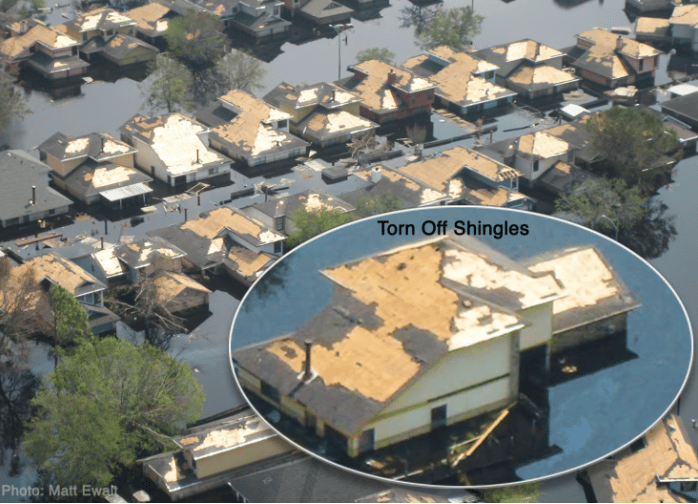
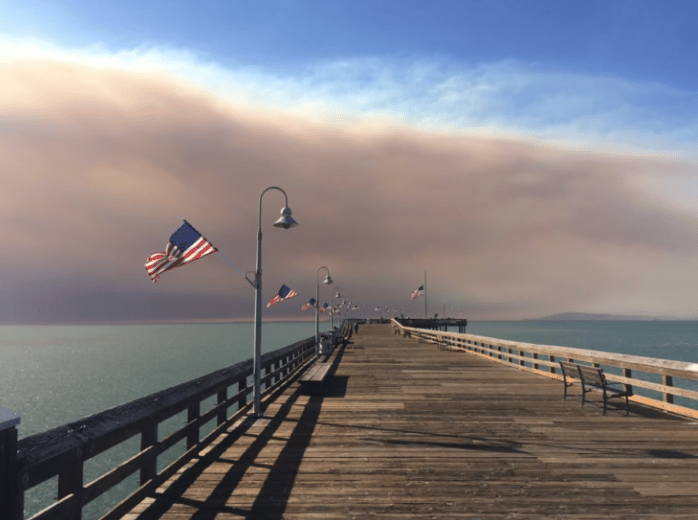
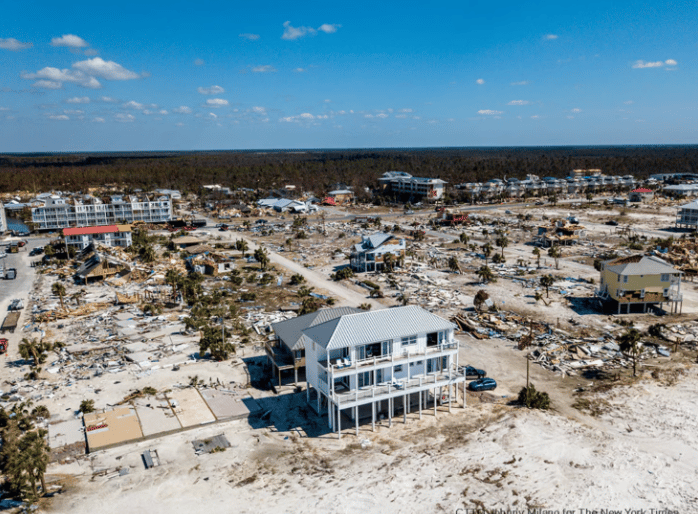
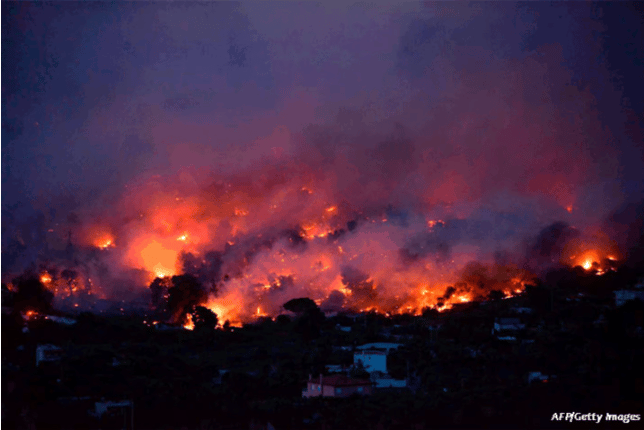
After devastating fires, floods and other disasters rebuilds that take place especially in areas that may be susceptible to future damage need improved building codes and construction standards that better protect properties against future disasters.
I’ve done much research on the best way to move forward with rebuilds after recent disasters.
I’ve continued to work with some industry experts that have added to my education on the whole subject improving rebuilds being completed with fire resistant wood framing and exteriors that are waterproof and Class A fire resistant.
These are the two areas that we need to focus and concentrate on to protect structures and their contents.
The first line of defense is the exterior surfaces that must be fire resistant and weather/waterproof.
Proactive measures need to be taken to protect and defend your properties against fire and floods by rebuilding with new and improved technologies and defending existing properties with those same updated technologies.
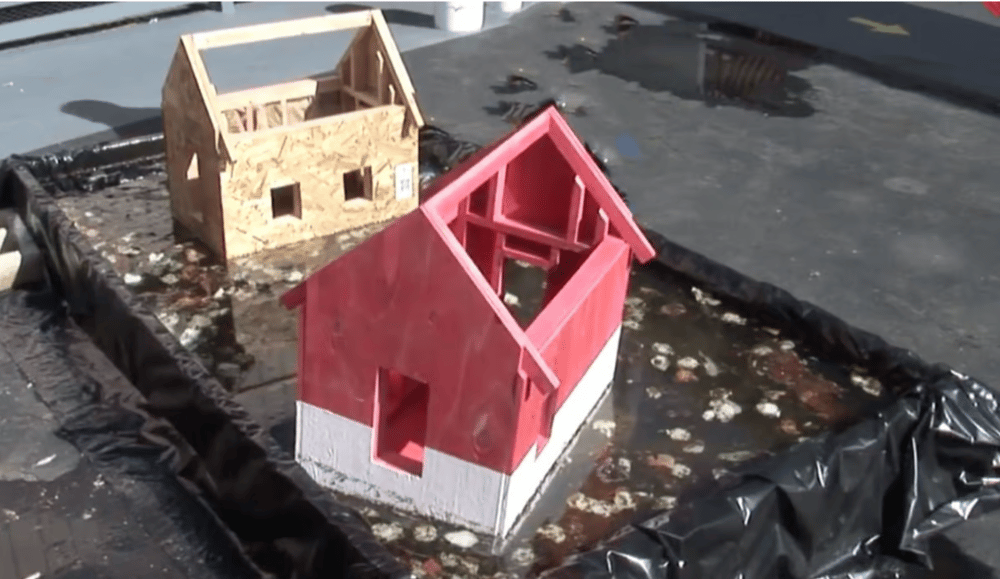
New homes and buildings along with existing structures must be made as waterproof as a boat.
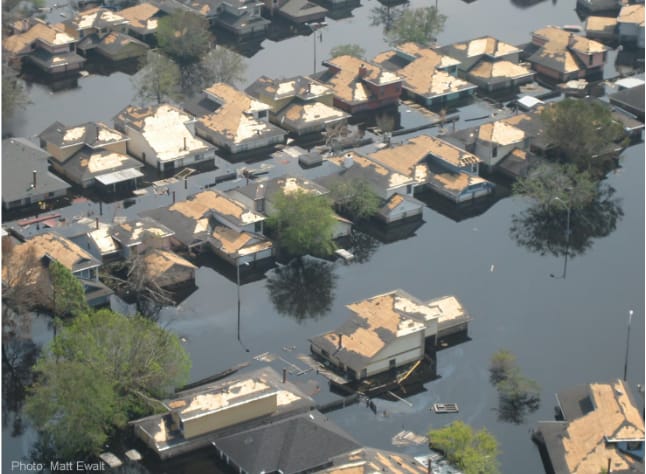
That means turning surfaces that are normally porous and susceptible to absorbing moisture especially during heavy weather events and rising waters through flooding into a waterproof defense.
Most new buildings are designed to stop water penetration and moisture absorption with wall fabrics.
These sheets come on rolls, are attached with staples and not fully adhered to the surface.
They are designed to protect against falling rain and not rising water.
Seeing how these wall fabrics are not fluid applied and fully adhered to the surface they are meant to protect they allow rising water from flooding to easily penetrate them.
They also allow other things to simply get underneath and through them, such as insects and rodents.
When new construction starts especially for rebuilds all the building lumber needs to be treated with a material that turns it fire resistant and in addition all the exterior surfaces need to be coated with a product that creates a waterproof, seamless membrane at the very least up to the lowest window sills.
GLOBAL Encasement Inc.’s Green, Underwriters Laboratories Listed Top Coats can easily accomplish the waterproofing and can turn exterior surfaces Class A fire resistant: https://www.encasement.com/products-green-coatings
The best product I have found that can turn combustible wood framing fire resistant is from M-Fire Mighty Fire Breaker https://www.mightyfirebreaker.com/index.html.
They have a GreenGuard, registered flame resistant product that is the best wild fire defense for all wood framed buildings.
What are your questions?
We are always here to help and excited to answer them.
Contact us at +1 (800) 266-3982 , or send us an email at service@encasement.com and leave a comment below.
See other posts like this one:
Friday, November 16, 2018
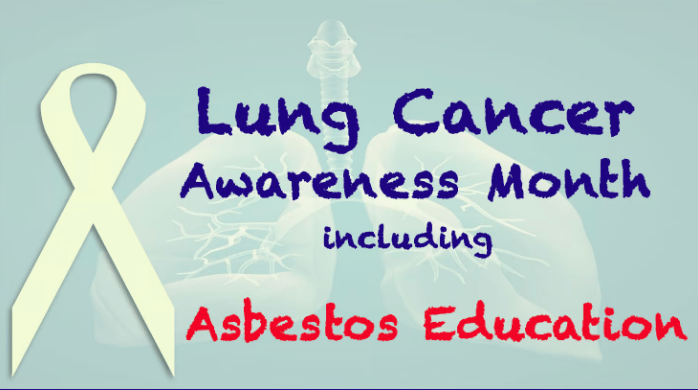
November is Lung Cancer Awareness Month including asbestos education, so this is a good time to raise awareness about preventing unnecessary exposure to asbestos that can cause lung cancer as well as contribute to other possible health concerns.
Wednesday, October 10, 2018
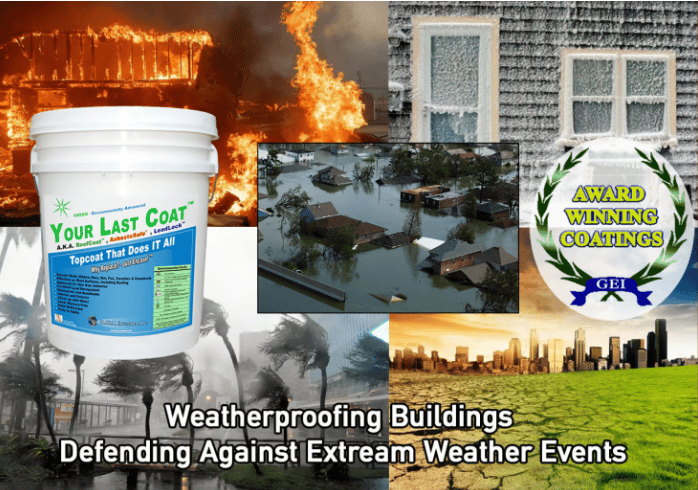
Short of moving your building or raising it up above flooding, the best approach to take to reduce storm, flooding and natural disaster losses is to simply use a proven coating to wind and waterproofthe surfaces in the path of destruction.
Tuesday, September 18, 2018
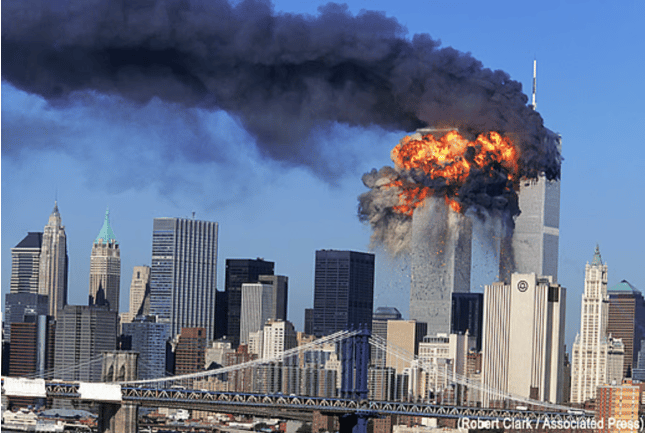
We recently passed the anniversary of 9-11-2001 tragedy of the attack on the Twin Towers in New York. I wanted to remind everyone that the effects of that fateful day are still being felt and especially by some of the heroes that were affected by the initial exposure and then the secondary exposure that took place during the cleanup. Some of those exposed were firefighters, police officers, EMTs (Emergency Medical Technician), construction workers, transit workers, cleanup workers, debris removal crews, truck drivers, nearby office workers, and Lower Manhattan residents.
Tuesday, August 21, 2018
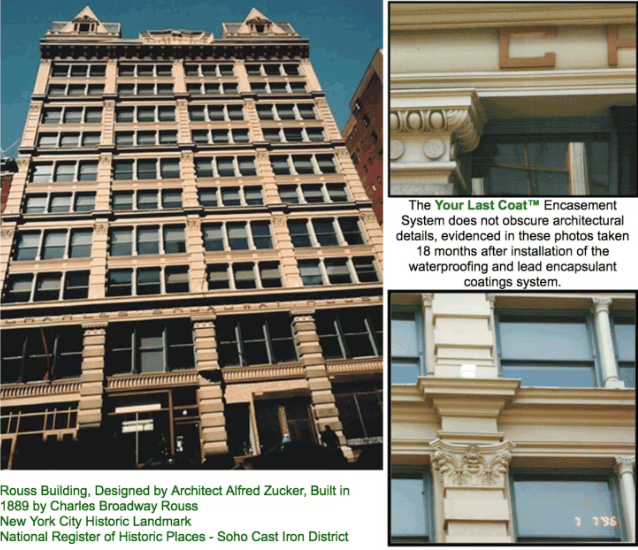
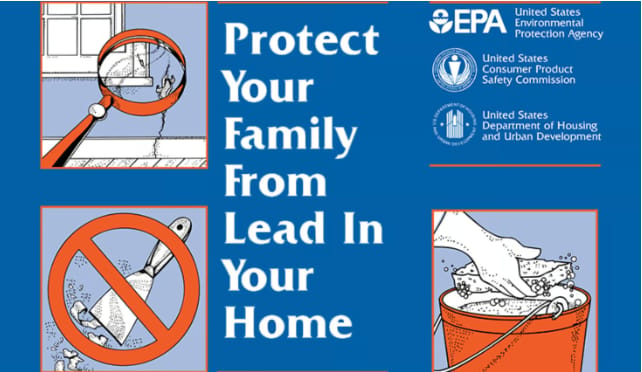
I discussed in a recent blog the importance of keeping the aesthetics of a historic building intact. Making sure that the look and overall presentation on a structure is preserved is very significant. This is especially true with landmark properties that have prominent and distinct features. Preservation can become very difficult when it entails obsolete building materials that contain hazardous materials that are typically removed and replaced. Three of the most common of hazardous materials is lead-based paint, asbestos and PCBs. In the USA, lead was used in paints up until 1978. It then was banned for its negative health effects, especially with children in their developing stages. PCBs, or polychlorinated biphenyls, were banned from paints, caulking and surface coatings in 1979 and asbestos was banned in 1974. All these bans were due to the negative health and environmental effects of these products.
Tuesday, July 17, 2018
Lead Paint Poisoning is Preventable Through Education and Action