Blogs Where Nature Meets Science & Coatings
"If All the Greedy People that Pollute can get Together & Show Strength in Unity – then Honest, Environmentalists Must Do the Same. You See – It’s as Simple As That.” George C. Keefe - ENCASEMENT Guy
Blogs Where Nature Meets Science & Coatings
"If All the Greedy People that Pollute can get Together & Show Strength in Unity – then Honest, Environmentalists Must Do the Same. You See – It’s as Simple As That.” George C. Keefe - ENCASEMENT Guy
Tuesday, April 02, 2024
Listen and Learn: Dive into the Audio Version of Our Blog
When it comes to asbestos, the mere mention of its presence can send shivers down the spine of building owners, homeowners and property managers alike.
Its reputation as a silent killer, lurking within and on our buildings, has instilled fear and urgency for removal in many.
However, what if I told you that there's another side to this story?
After over 40 years of work in the asbestos industry being trained as a certified project designer for solid hazardous materials and encountering asbestos on projects all over the world I've learned a few things.
What if leaving asbestos in place could actually hold several advantages over the daunting task and expense of removal and replacement?
In this episode I bring to light and uncover the lesser-known benefits of keeping asbestos untouched.
1. Financial Prudence over Panic:
The decision to remove asbestos is often driven by fear rather than logic.
However, opting to leave it untouched can be a financially wise choice.
The costs associated with asbestos removal can skyrocket, especially in older buildings where asbestos is more prevalent or in remote locations.
By choosing to leave it in place, property owners can avoid hefty expenses, thereby freeing up resources for other better investments and essential maintenance or upgrades.
2. Minimal Disruption, Maximum Peace of Mind:
Asbestos removal is not only expensive but also disruptive.
It can entail extensive renovations, displacing occupants, and disrupting daily operations in commercial settings causing production and profit loss.
Conversely, leaving asbestos undisturbed ensures continuity.
There's no need to upend your life or business operations for a problem that may not pose an immediate threat if left undisturbed.
3. Preserving Structural Integrity:
Surprisingly, asbestos-containing materials (ACMs) were often chosen for their durability and fire-resistant properties.
In some cases, removing these materials can compromise the structural integrity of the building.
Leaving asbestos untouched preserves the original construction, ensuring the building remains stable and secure for years to come.
4. Maintaining Historical Authenticity:
For older buildings or heritage sites, asbestos may be an integral part of their historical fabric.
Removing it could strip away a piece of their authenticity.
By opting to leave it in place, property owners can maintain the historical integrity of the structure while still adhering to safety protocols to minimize risks.
5. Environmental Considerations:
The process of asbestos removal isn't just a financial and logistical burden; it also carries environmental implications.
Disposing of asbestos-containing materials requires specialized handling and disposal methods to prevent contamination.
By leaving asbestos untouched, property owners can reduce their environmental footprint and minimize the generation of hazardous waste.
6. Risk Mitigation Through In-Place Management:
Rather than resorting to complete removal, another option is to in-place manage the asbestos with the right green coatings.
This process involves sealing and encasing the asbestos-containing materials to prevent the release of fibers into the air.
When done correctly, simple in-place management with the right green coatings can effectively remove the risks associated with asbestos without the need for costly removal and replacement.
The knee-jerk reaction to remove asbestos at the first sign of its presence may not always be the most prudent course of action.
While safety should always be a top priority, it's essential to weigh the pros and cons carefully on a case by case basis.
Leaving asbestos untouched can offer financial, practical, and even environmental benefits that shouldn't be overlooked.
Before succumbing to panic-driven removal plans, consider consulting with experts to explore all available options.
After all, sometimes the best solution is to let sleeping asbestos lie.
“Over the long term, the future is decided by optimists.” - Kevin Kelly - Writer, Photographer, Conservationist
What are your questions?
We are always here to help and excited to answer them.
Contact us at +1 (800) 266-3982 , or send us an email at service@encasement.com and leave a comment below.
See other posts like this one:



Friday, November 16, 2018
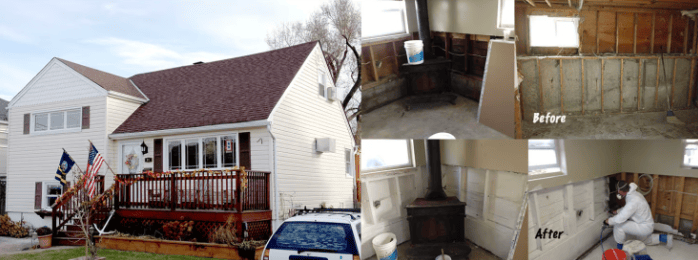
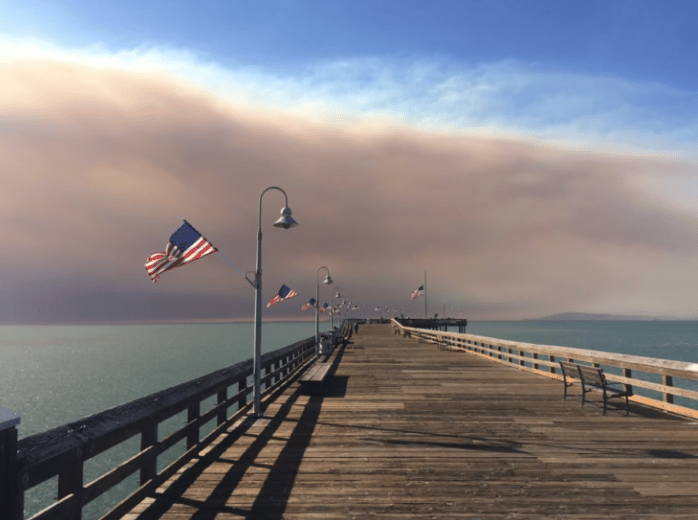
November is Lung Cancer Awareness Month including asbestos education, so this is a good time to raise awareness about preventing unnecessary exposure to asbestos that can cause lung cancer as well as contribute to other possible health concerns.

Wednesday, October 10, 2018
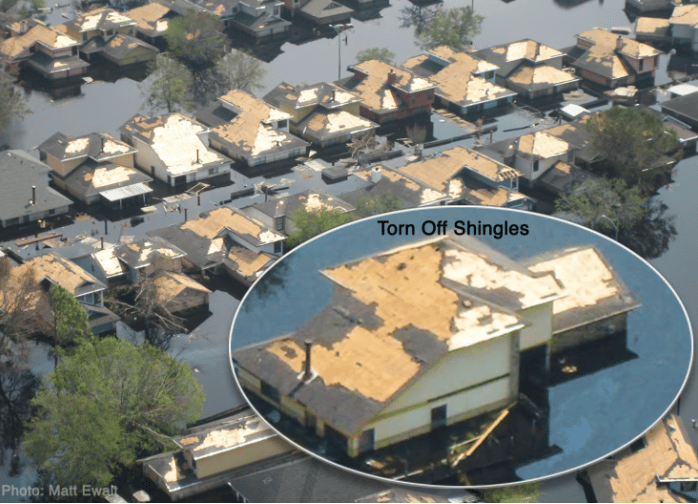
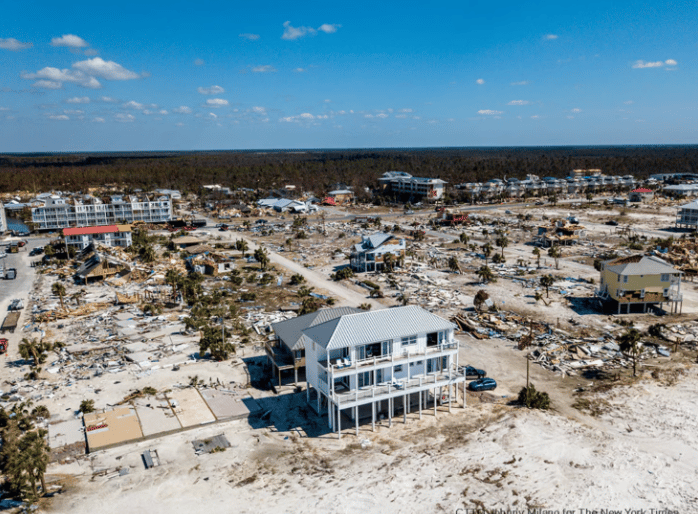
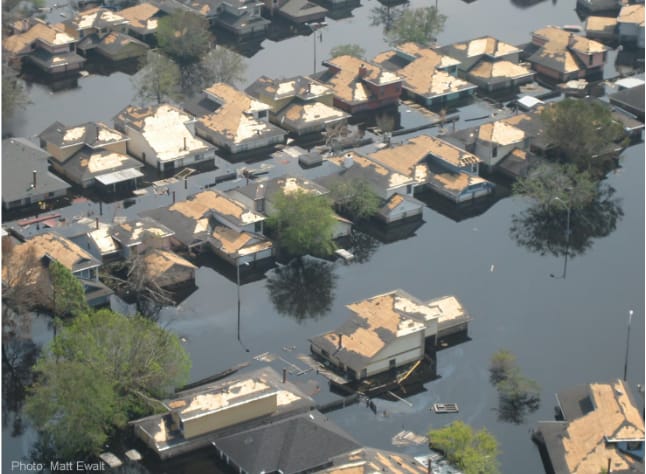
Short of moving your building or raising it up above flooding, the best approach to take to reduce storm, flooding and natural disaster losses is to simply use a proven coating to wind and waterproofthe surfaces in the path of destruction.

Tuesday, September 18, 2018
We recently passed the anniversary of 9-11-2001 tragedy of the attack on the Twin Towers in New York. I wanted to remind everyone that the effects of that fateful day are still being felt and especially by some of the heroes that were affected by the initial exposure and then the secondary exposure that took place during the cleanup. Some of those exposed were firefighters, police officers, EMTs (Emergency Medical Technician), construction workers, transit workers, cleanup workers, debris removal crews, truck drivers, nearby office workers, and Lower Manhattan residents.
Tuesday, August 21, 2018
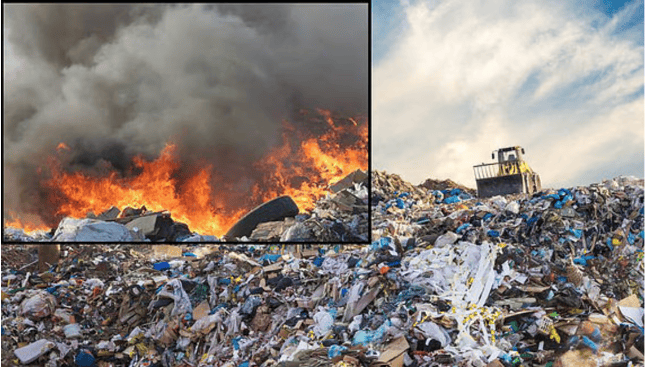
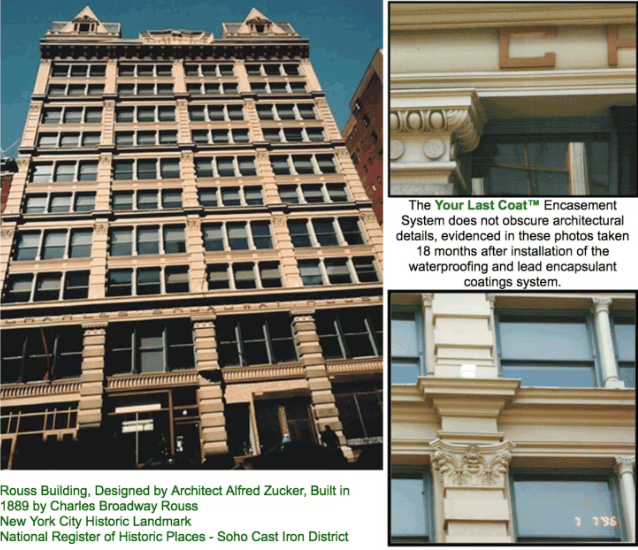
I discussed in a recent blog the importance of keeping the aesthetics of a historic building intact. Making sure that the look and overall presentation on a structure is preserved is very significant. This is especially true with landmark properties that have prominent and distinct features. Preservation can become very difficult when it entails obsolete building materials that contain hazardous materials that are typically removed and replaced. Three of the most common of hazardous materials is lead-based paint, asbestos and PCBs. In the USA, lead was used in paints up until 1978. It then was banned for its negative health effects, especially with children in their developing stages. PCBs, or polychlorinated biphenyls, were banned from paints, caulking and surface coatings in 1979 and asbestos was banned in 1974. All these bans were due to the negative health and environmental effects of these products.
Tuesday, July 17, 2018
Lead Paint Poisoning is Preventable Through Education and Action