Blogs Where Nature Meets Science & Coatings
"If All the Greedy People that Pollute can get Together & Show Strength in Unity – then Honest, Environmentalists Must Do the Same. You See – It’s as Simple As That.” George C. Keefe - ENCASEMENT Guy
Blogs Where Nature Meets Science & Coatings
"If All the Greedy People that Pollute can get Together & Show Strength in Unity – then Honest, Environmentalists Must Do the Same. You See – It’s as Simple As That.” George C. Keefe - ENCASEMENT Guy
Wednesday, February 21, 2024
Listen and Learn: Dive into the Audio Version of Our Blog
The relentless assault of atmospheric rivers upon Southern California seems unyielding.
Once again, buildings are besieged, lives disrupted, and landscapes transformed into scenes of chaos.
Amidst this turmoil, the urgency to fortify our properties against such brutal onslaughts becomes paramount.
But how can we protect our homes and buildings effectively while also safeguarding the environment?
In this episode I'm going to again bring to light how the answer lies in embracing the power of the right, cost saving, green coatings.
The recent atmospheric river has again ravaged California, leaving a trail of destruction in its wake.
California is not the only place that is suffering from climate change and severe attacks from weather.
This is taking place all over the world.
From relentless rainfall to ferocious winds, the elements spare nothing in their path.
Buildings, once sturdy, succumbed to the relentless assault, their defenses breached by the force of nature.
Yet, amidst the chaos, there is hope.
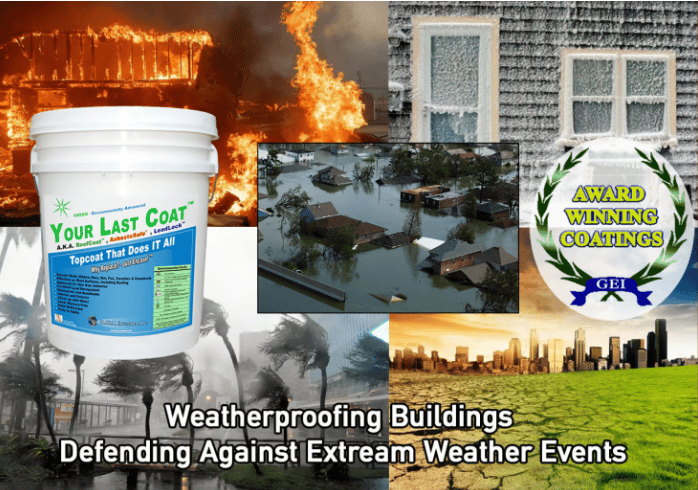
By simply fortifying our properties with the right green coatings, we can bolster their resilience against extreme weather events.
These easily applied coatings act as a shield, sealing structures against water infiltration and wind damage.
With a seamless, continuous membrane enveloping our buildings, there are no weak points for nature to exploit.
As flood watches stretch across the coast and thunderstorms threaten to unleash further havoc, the importance of proactive measures becomes glaringly apparent.
Governor Gavin Newsom's activation of the State Operations Center underscores the severity of the situation, highlighting the need for coordinated response efforts.
But what exactly are atmospheric rivers, and why are they becoming increasingly destructive?
These highways of concentrated water vapor, fueled by climate change, pose a significant threat to vulnerable regions.
As moisture levels rise, so too do the stakes, leaving communities grappling with the aftermath of historic flooding.
In the face of such challenges, the significance of the right green coatings cannot be overstated.
Not only do they save money by offering long-term protection for our buildings, but they also contribute to broader environmental goals.
By choosing cost saving, eco-friendly solutions, we not only economically defend our properties but also preserve the planet for future generations.
The road ahead may be fraught with uncertainty, but with the right tools at our disposal, we can navigate it with confidence.
As we confront the realities of a changing climate, let us embrace sustainable practices that empower us to weather any storm.
In the battle against nature's fury, the right, cost saving, green coating encasement emerge as the new opportunity, our allies, offering strength, long-term resilience, and a beam of hope for a brighter, more sustainable future.
“For most of history, man has had to fight nature to survive; in this century he is beginning to realize that, in order to survive, he must protect it.” —Jacques-Yves Cousteau
What are your questions?
We are always here to help and excited to answer them.
Contact us at +1 (800) 266-3982 , or send us an email at service@encasement.com and leave a comment below.
See other posts like this one:
Friday, November 16, 2018
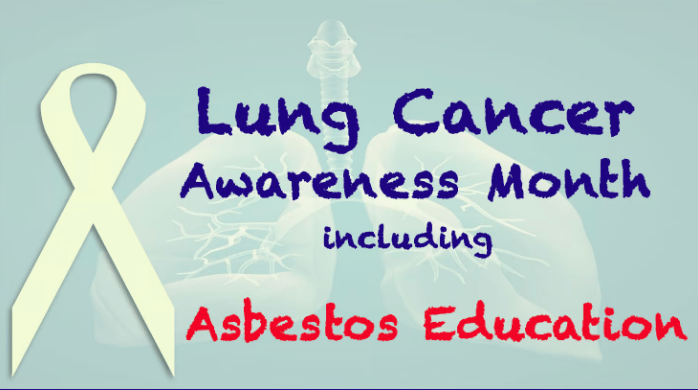
November is Lung Cancer Awareness Month including asbestos education, so this is a good time to raise awareness about preventing unnecessary exposure to asbestos that can cause lung cancer as well as contribute to other possible health concerns.
Wednesday, October 10, 2018
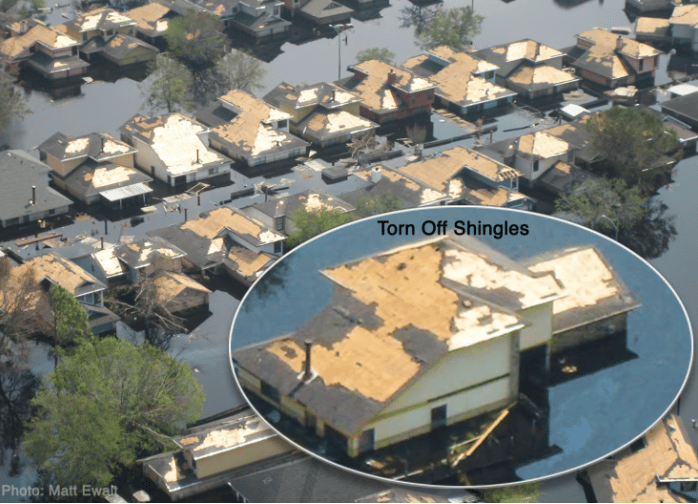
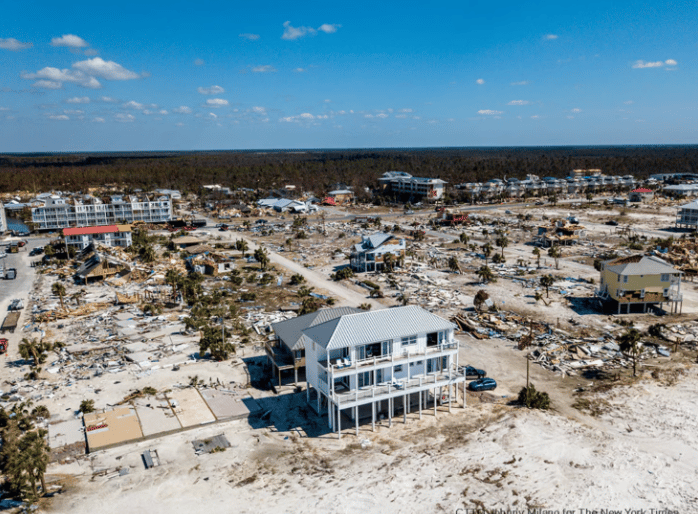
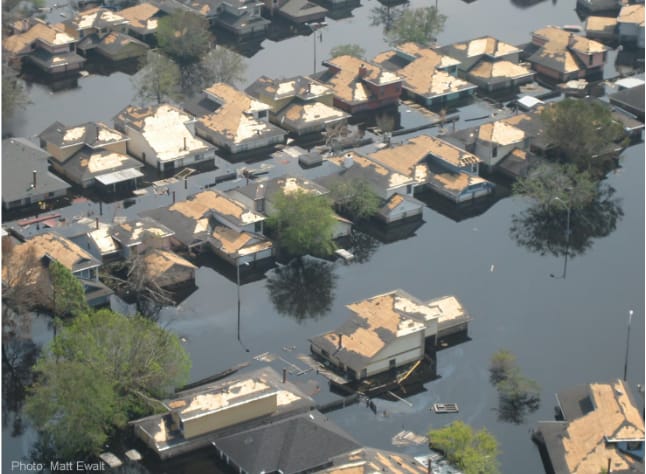
Short of moving your building or raising it up above flooding, the best approach to take to reduce storm, flooding and natural disaster losses is to simply use a proven coating to wind and waterproofthe surfaces in the path of destruction.
Tuesday, September 18, 2018
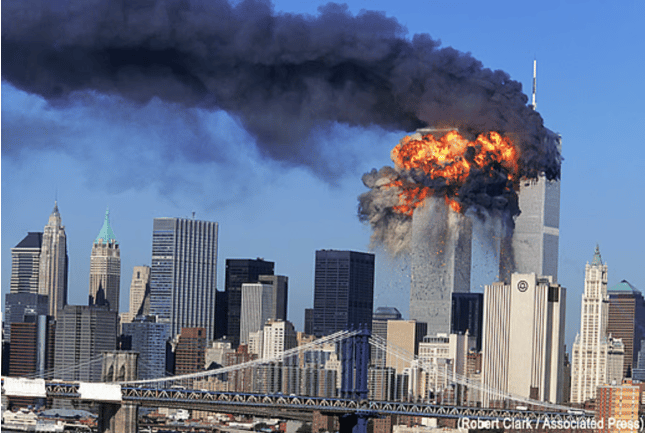
We recently passed the anniversary of 9-11-2001 tragedy of the attack on the Twin Towers in New York. I wanted to remind everyone that the effects of that fateful day are still being felt and especially by some of the heroes that were affected by the initial exposure and then the secondary exposure that took place during the cleanup. Some of those exposed were firefighters, police officers, EMTs (Emergency Medical Technician), construction workers, transit workers, cleanup workers, debris removal crews, truck drivers, nearby office workers, and Lower Manhattan residents.
Tuesday, August 21, 2018
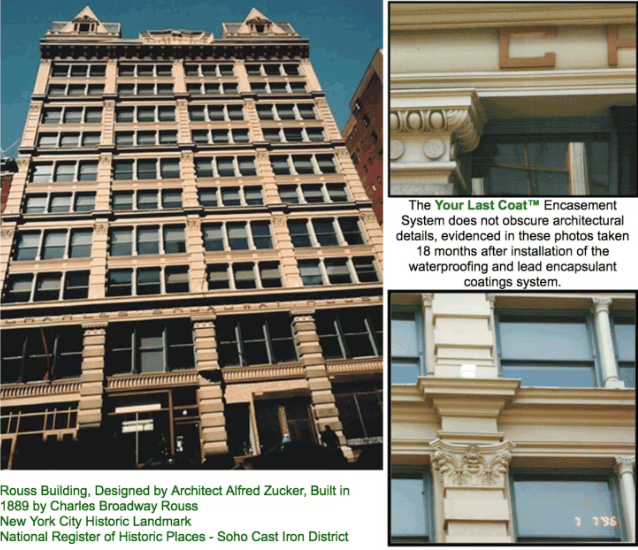
I discussed in a recent blog the importance of keeping the aesthetics of a historic building intact. Making sure that the look and overall presentation on a structure is preserved is very significant. This is especially true with landmark properties that have prominent and distinct features. Preservation can become very difficult when it entails obsolete building materials that contain hazardous materials that are typically removed and replaced. Three of the most common of hazardous materials is lead-based paint, asbestos and PCBs. In the USA, lead was used in paints up until 1978. It then was banned for its negative health effects, especially with children in their developing stages. PCBs, or polychlorinated biphenyls, were banned from paints, caulking and surface coatings in 1979 and asbestos was banned in 1974. All these bans were due to the negative health and environmental effects of these products.
Tuesday, July 17, 2018
Lead Paint Poisoning is Preventable Through Education and Action