Blogs Where Nature Meets Science & Coatings
"If All the Greedy People that Pollute can get Together & Show Strength in Unity – then Honest, Environmentalists Must Do the Same. You See – It’s as Simple As That.” George C. Keefe - ENCASEMENT Guy
Blogs Where Nature Meets Science & Coatings
"If All the Greedy People that Pollute can get Together & Show Strength in Unity – then Honest, Environmentalists Must Do the Same. You See – It’s as Simple As That.” George C. Keefe - ENCASEMENT Guy
Thursday, February 26, 2026
By: George Keefe
"If all the greedy polluters can band together to protect their interests, then honest environmentalists must do the same. It's as simple as that.
Listen and Learn: Dive into the Audio Version of Our Blog
The clock is ticking & what we lose if sustainability stalls now
While the Trump administration rolls back decades of climate policy, savvy CEOs are refusing to blink — and the businesses left waiting on government permission to go green are quietly bleeding market share, investor confidence, and their most talented employees.
The real question isn't whether Washington will protect the planet.
It's whether your business can afford to be left behind while competitors race ahead.
The Policy Rollbacks Are Real — But So Is the Market
Since returning to the White House, Trump has moved aggressively to dismantle Biden-era climate regulations, withdrawing the U.S. from the Paris Agreement (again), gutting EPA emissions standards, and slashing green energy incentives.
To some, it looks like a green light to put sustainability on the backburner.
That's a dangerous miscalculation.
Corporate leaders at some of the world's largest companies aren't waiting for Washington.
Microsoft, Apple, Google, Walmart, and hundreds of mid-market firms are doubling down on their net-zero pledges — not because they're idealists, but because they understand something critical: the market has already moved, with or without the government.
What CEOs Know That You Might Be Missing
The fear driving boardroom conversations right now isn't fear of regulation — it's fear of irrelevance.
Consumers are voting with their wallets.
Studies consistently show that over 70% of buyers, especially Millennials and Gen Z, prefer brands that demonstrate a genuine commitment to sustainability.
Shelf space, loyalty, and repeat purchases are quietly migrating toward companies with verifiable green credentials.
Every quarter a business delays its sustainability strategy is a quarter that a competitor consolidates that consumer base permanently.
Investors are moving, too.
ESG (Environmental, Social, and Governance) assets under management globally have surpassed $40 trillion.
Institutional investors — pension funds, sovereign wealth funds, major asset managers — are embedding sustainability criteria into capital allocation decisions.
Companies without credible climate strategies are increasingly facing higher borrowing costs, lower valuations, and exclusion from major indices.
The financial penalty for inaction is compounding silently, year over year.
And talent?
Top-tier professionals are turning down high-paying roles at companies with no sustainability vision.
In a tight labor market, purpose-driven culture is no longer a "nice to have" — it's a recruitment and retention weapon.
The CEOs Who Refuse to Flinch
Rather than retreating, a growing group of business leaders are accelerating.
They're launching sustainable product lines, investing in circular supply chains, and marketing their green commitments as core brand identity — not an add-on.
Why?
Because they know that today's voluntary leadership is tomorrow's competitive moat.
The companies building sustainable infrastructure right now, while others hesitate, will be the ones who own the customer, own the shelf, and own the narrative when — not if — regulations tighten again.
The window to lead, rather than scramble to catch up, is closing faster than most executives realize.
To Sum IT Up:
The cost of waiting is one we can't afford.
Trump's foolish climate rollbacks may slow federal policy for now, but they cannot reverse global market forces, international trade standards, or consumer expectations.
The European Union's Carbon Border Adjustment Mechanism alone will penalize non-compliant exporters regardless of what Washington decides.
The businesses that treat this political moment as permission to pause will wake up in three to five years facing a brutal catch-up sprint — against competitors who never stopped running.
Sustainability isn't just good ethics anymore.
It's survival strategy.
The CEOs who understand that aren't losing sleep over Washington.
They're too busy building the future — and capturing the market you're leaving on the table.
Don't wait for policy to protect your position.
The green economy isn't coming — it's already here.
“Destroying rainforest for economic gain is like burning a Renaissance painting to cook a meal.” - E. O. Wilson - American Biologist, Naturalist, & Writer
See other posts like this one:


Friday, November 16, 2018
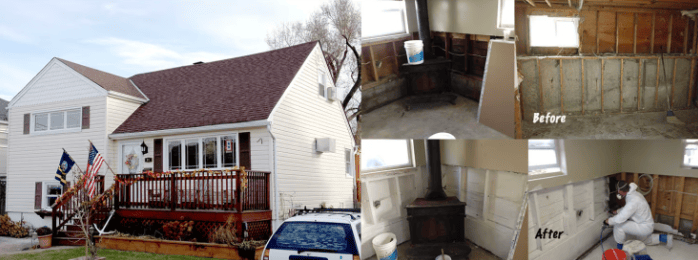
November is Lung Cancer Awareness Month including asbestos education, so this is a good time to raise awareness about preventing unnecessary exposure to asbestos that can cause lung cancer as well as contribute to other possible health concerns.
Wednesday, October 10, 2018
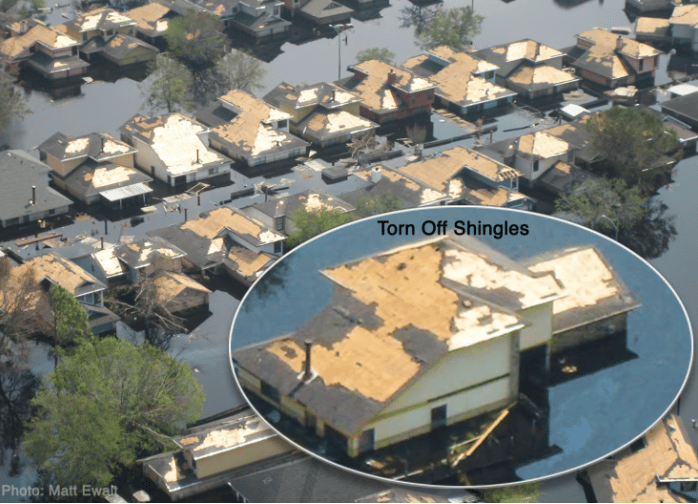
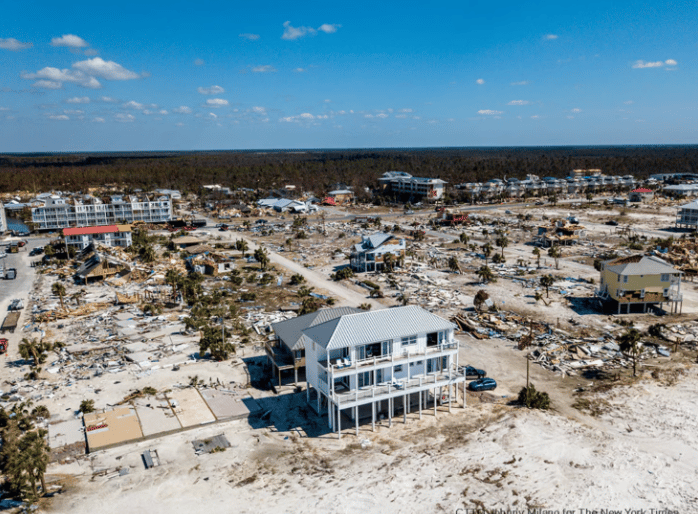
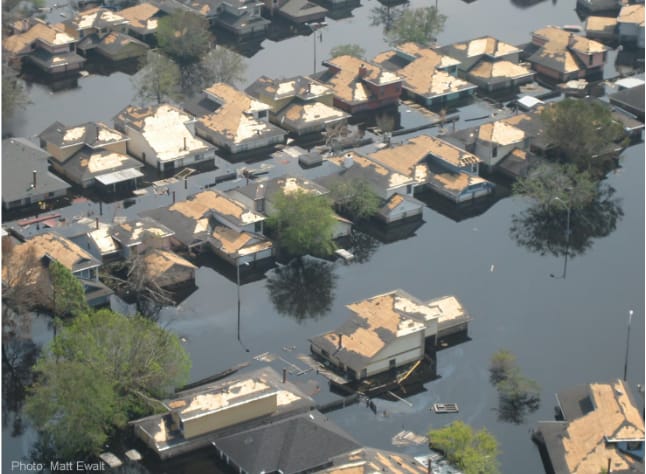
Short of moving your building or raising it up above flooding, the best approach to take to reduce storm, flooding and natural disaster losses is to simply use a proven coating to wind and waterproofthe surfaces in the path of destruction.
Tuesday, September 18, 2018
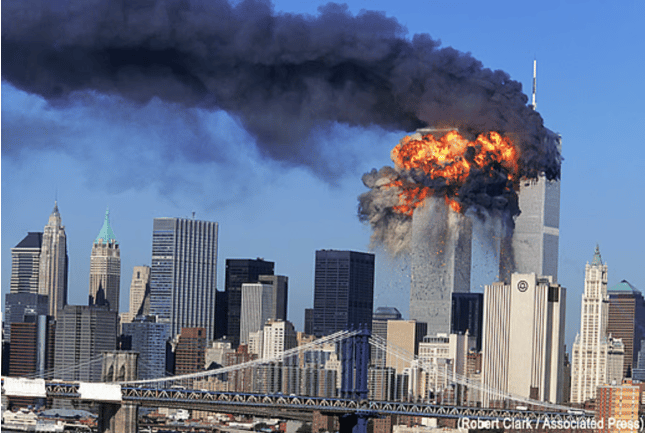
We recently passed the anniversary of 9-11-2001 tragedy of the attack on the Twin Towers in New York. I wanted to remind everyone that the effects of that fateful day are still being felt and especially by some of the heroes that were affected by the initial exposure and then the secondary exposure that took place during the cleanup. Some of those exposed were firefighters, police officers, EMTs (Emergency Medical Technician), construction workers, transit workers, cleanup workers, debris removal crews, truck drivers, nearby office workers, and Lower Manhattan residents.

Tuesday, August 21, 2018
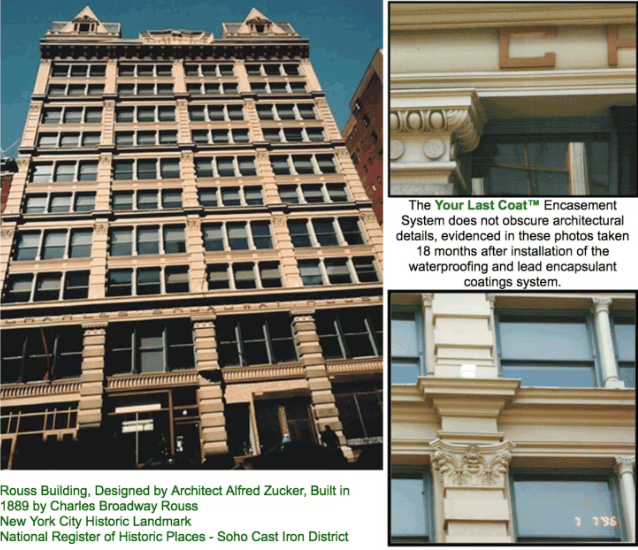
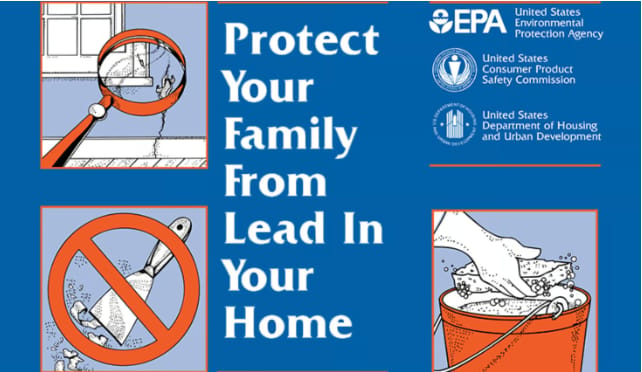
I discussed in a recent blog the importance of keeping the aesthetics of a historic building intact. Making sure that the look and overall presentation on a structure is preserved is very significant. This is especially true with landmark properties that have prominent and distinct features. Preservation can become very difficult when it entails obsolete building materials that contain hazardous materials that are typically removed and replaced. Three of the most common of hazardous materials is lead-based paint, asbestos and PCBs. In the USA, lead was used in paints up until 1978. It then was banned for its negative health effects, especially with children in their developing stages. PCBs, or polychlorinated biphenyls, were banned from paints, caulking and surface coatings in 1979 and asbestos was banned in 1974. All these bans were due to the negative health and environmental effects of these products.
Tuesday, July 17, 2018
Lead Paint Poisoning is Preventable Through Education and Action