Blogs Where Nature Meets Science & Coatings
"If All the Greedy People that Pollute can get Together & Show Strength in Unity – then Honest, Environmentalists Must Do the Same. You See – It’s as Simple As That.” George C. Keefe - ENCASEMENT Guy
Blogs Where Nature Meets Science & Coatings
"If All the Greedy People that Pollute can get Together & Show Strength in Unity – then Honest, Environmentalists Must Do the Same. You See – It’s as Simple As That.” George C. Keefe - ENCASEMENT Guy
Tuesday, October 22, 2019
By: George C. Keefe
Note: The Author is an Environmentalist, Green Coatings Enthusiast, Advisor, Contractor, Consultant, Vegan, Blogger, Podcaster. Protecting the Health of People & Planet. CEO & Founder at Global ENCASEMENT, Inc., Restoration & Management vs Removal & Replacement. Why Replace – Just Encase!
Listen and Learn: Dive into the Audio Version of Our Blog
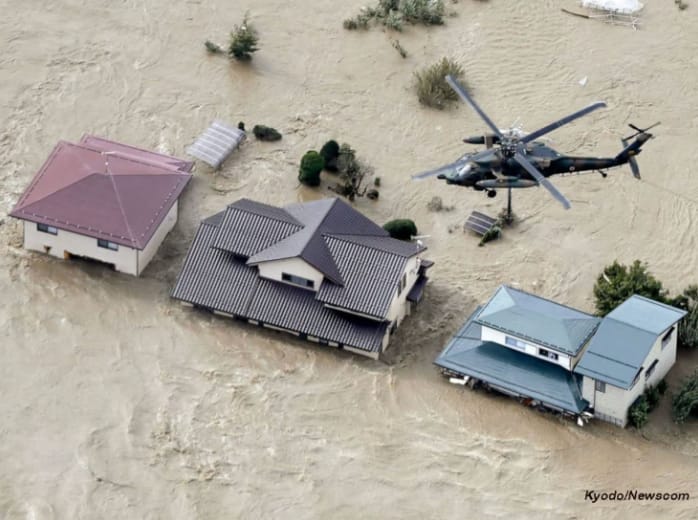
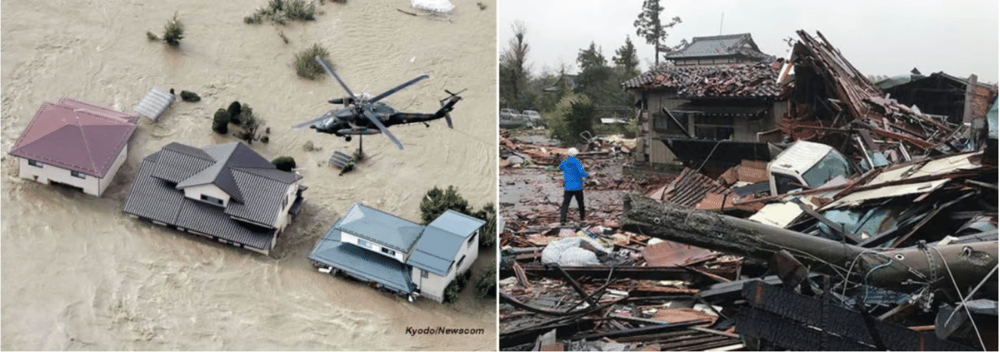
Typhoon Hagibis hit Japan two weeks ago.
It left some people homeless, others missing and destroyed homes.
5589 miles away in North Dakota, heavy snow and strong winds are affecting people and their properties.
Will weatherproofing our homes and buildings make sure we’re safe despite the weather?
Strengthening the First Line of Defense
Protecting people inside a building is best done first by shielding the building’s exterior.
The exterior is the first line of defense.
Here’s how to defend your building:
Make it watertight: Snow on roof tops and rain splashing against the walls if not managed well, result in mold and high unnecessary repair costs. Mold makes people sick.
Water leaking through the roofing damages the ceiling which can be costly to fix.
Preventing water leaks is therefore important.
Make it resistant to bad weather and ultraviolet rays.
One would think that strong sunlight is good for a building, right?
Wrong.
The sun’s ultraviolet rays weakens the roofing on some of the buildings.
Weak roofs are not able to bear heavy rainfall, snow or strong winds.
Making them resistant to bad weather and ultraviolet rays creates a better inside building environment.
What to use to strengthen a Building’s Exterior
Green coatings have been designed to make buildings water tight and resistant to bad weather and ultraviolet rays.
Green coatings are acrylic, water based, non-toxic and environmentally friendly products used on building surfaces such as roofing for weatherproofing purposes.
The Right Green Coating
How do you identify the right coating? Here are a few things to look out for:
UV resistant: Read the small print. It should have a standard 83% solar reflective bright white surface. This means that it will reflect more of the sun's rays, lower the roofing’s temperature, thereby decreasing the amount of heat transferred into a building.
This reduces the amount of air conditioning needed to keep a building comfortable and can reduce peak cooling demand. We all know how air conditioning can drive your monthly expenses up, right?
Durable: When is the next coating application? The roof coating that lasts 20 years before the next application is renewable, sustainable, and economical. There is no need to incur costs applying a touch up coating every 2 years!
Able to bridge gaps and seal surfaces: Does the coating penetrate and seal the surfaces that have experienced wear and tear?
Simple renewable/sustainable long-term solution: Renewable and sustainable means ???? when the 20-year service life is up you simply reapply another coat which bonds with itself and the service life is extended for another 20 years.
Conclusion
In conclusion, no matter the weather, we can have buildings that function as they ought to. Weatherproofing with the right green coatings strengthens your buildings first line of defense.
To learn more about protecting and defending your buildings with GEI’s award winning, green coatings contact me at: https://encasementguy.com/
What are your questions?
We are always here to help and excited to answer them.
Contact us at +1 (800) 266-3982 , or send us an email at service@encasement.com and leave a comment below.
See other posts like this one:
Tuesday, November 17, 2026
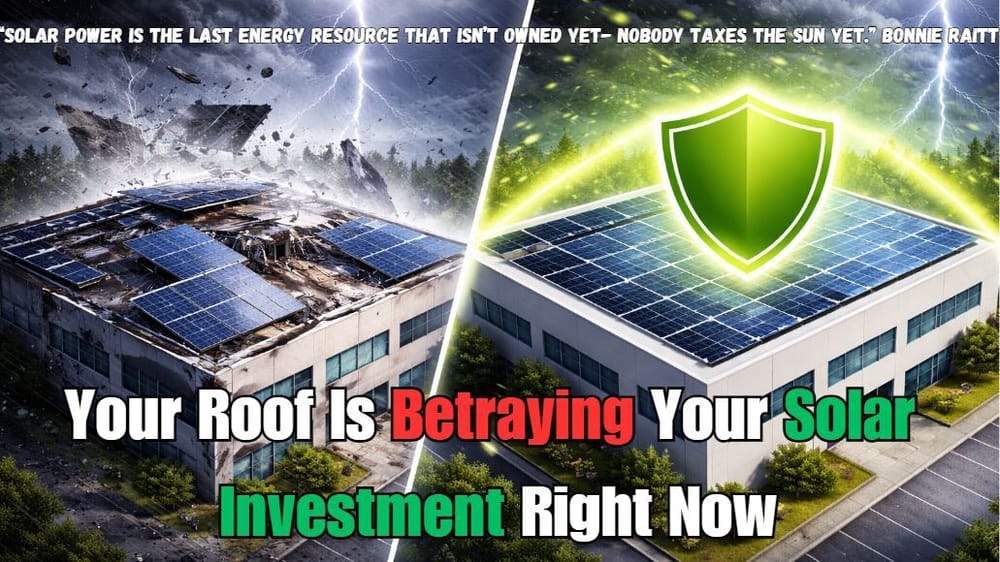
Solar can reduce dependence on volatile energy markets and turn rooftops into productive assets. But a rooftop solar system and the roof beneath it must be planned as one long-term system — because a clean-energy investment can become a costly maintenance problem if the roof, attachment points, and water-control details are not ready for decades of service.

Tuesday, November 10, 2026
The word "abatement" doesn't mean "rip it out." Understanding the real definition can save building owners tens of thousands of dollars -- and spare them years of unnecessary disruption. In my 50+ years in the field, I've watched this single misconception drive some of the most wasteful decisions in building management. It's time to set the record straight.
Tuesday, November 03, 2026
A quote, a warning, and a practical response — because when reason is under attack, doing the right thing becomes both a moral act and a market advantage.

Tuesday, October 27, 2026
The storms are not coming. They are already here. Climate science has spent decades warning us about intensifying heat, heavier rainfall, rising seas, stronger coastal hazards, and weather extremes that place aging buildings under stresses many of them were never designed to endure.

Tuesday, October 20, 2026
Less than 9% of the people applying protective coatings to buildings and structures in America are women — in a trade that requires no special strength, no tools a woman doesn't already know how to use, and no barriers that have anything to do with capability. That statistic isn't just surprising. From my experience, it represents one of the largest untapped professional opportunities in the country — and it's about to get even bigger.

Tuesday, October 13, 2026
The maintenance-treadmill coating industry has a dirty secret: your building's repeated failures aren't bad luck. They're the business model. Here's what 40+ years in the field taught me, and what Green ENCASEMENT Coatings do about it.

Tuesday, October 06, 2026
Ordinary paint can make a building look protected while heat, moisture, UV, wind, and seasonal movement keep attacking beneath the surface. Green ENCASEMENT Coatings change the protection strategy.
Tuesday, September 29, 2026
The Renewable Revolution: How Green ENCASEMENT Coatings Are Redefining Building Surfaces

Tuesday, September 22, 2026
History has already shown where buildings fail. The smarter strategy is to study those failures, strengthen the envelope before the next event, and preserve what can still be protected.
Tuesday, September 15, 2026
How Green ENCASEMENT Coatings are rewriting the rules of hail protection — before impact damage becomes a roof replacement problem.

Tuesday, September 08, 2026
Why Green ENCASEMENT Coatings can cost more at the beginning — and still cost far less over the life of your building.




Tuesday, August 04, 2026