Blogs Where Nature Meets Science & Coatings
"If All the Greedy People that Pollute can get Together & Show Strength in Unity – then Honest, Environmentalists Must Do the Same. You See – It’s as Simple As That.” George C. Keefe - ENCASEMENT Guy
Blogs Where Nature Meets Science & Coatings
"If All the Greedy People that Pollute can get Together & Show Strength in Unity – then Honest, Environmentalists Must Do the Same. You See – It’s as Simple As That.” George C. Keefe - ENCASEMENT Guy
Thursday, September 19, 2024
By: George C. Keefe
Note: The Author is an Environmentalist, Green Coatings Enthusiast, Advisor, Contractor, Consultant, Vegan, Blogger, Podcaster. Protecting the Health of People & Planet. CEO & Founder at Global ENCASEMENT, Inc., Restoration & Management vs Removal & Replacement. Why Replace – Just Encase!
Listen and Learn: Dive into the Audio Version of Our Blog
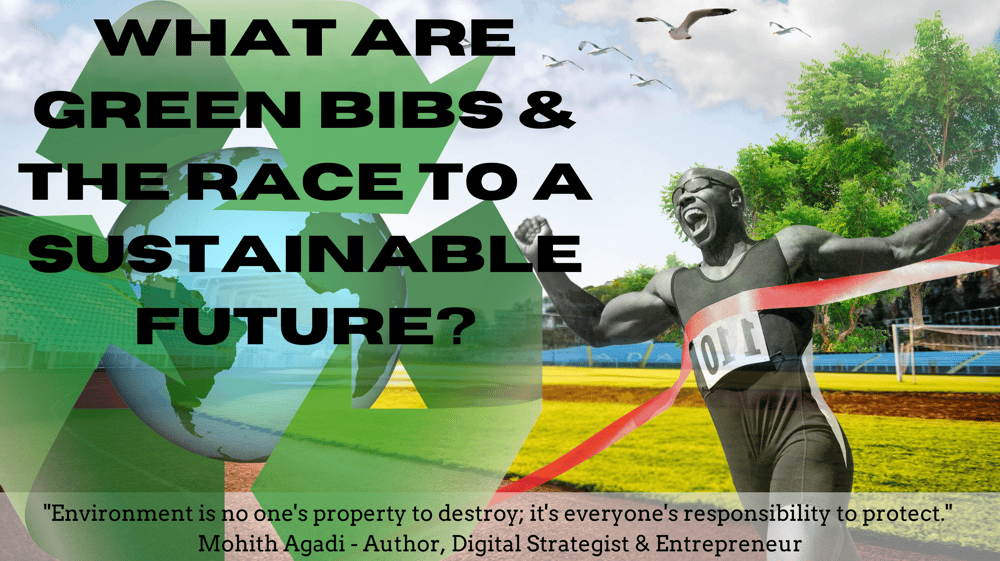
In a world where every decision matters for our planet, the "Green Bibs" movement is catching the attention of environmentally conscious individuals and businesses alike.
But what exactly is this movement, and why is it gaining momentum across the globe?
What Are Green Bibs?
In this Episode I bring to light that the "Green Bibs" initiative is a growing trend among runners who want to make a positive impact on the environment.
Designed to provide a greener alternative for those who participate in events, this program offers runners the choice to opt into more sustainable practices.
By choosing a green bib, participants can reduce their carbon footprint in several ways, such as opting out of receiving a race t-shirt or medal, using free public transportation to get to and from the event, or contributing a portion of their entry fee to environmental sustainability causes.
For those who are passionate about running and the planet, the green bibs option is a no-brainer.
But the impact of this movement goes beyond the world of running.
The philosophy of “green bibs” can be applied to various industries and activities to promote a more sustainable future.
Why Green Bibs Are More Than Just a Trend
At its core, the green bibs movement is about making choices that are kinder to our planet.
This choice, seemingly small on an individual level, can create a ripple effect when adopted by communities, organizations, and businesses.
Imagine a world where every event, whether it’s a race, a conference, or a music festival, offers a green alternative.
A world where companies are rewarded for reducing waste, encouraging eco-friendly transportation, and supporting sustainable initiatives.
This is where the "green bibs" philosophy takes on a broader, transformative role.
Applying the Green Bibs Philosophy to Businesses
Businesses, much like race organizers, have the power to make a significant impact by adopting eco-friendly practices.
This could mean reducing waste, using renewable energy sources, or offering products and services that prioritize sustainability.
It could also mean supporting initiatives that reduce environmental harm and promote social good.
For companies, embracing a "green bib" mindset is not just about meeting regulations or avoiding negative press.
It’s about recognizing that customers today are more aware and more concerned about the environment than ever before.
They want to support businesses that align with their values and are committed to sustainable practices.
Green Coatings: A Step Towards Protecting People, Buildings, and the Planet
One powerful way businesses can support sustainability is by using eco-friendly products, such as green coatings.
The right green coatings are specially designed to reduce environmental impact while providing superior protection to buildings and infrastructure.
By using the right green coatings for encasement, businesses can play a role in safeguarding not just their own investments, but also the environment.
The right green coatings are water-based, non-toxic, biodegradable, with zero to low VOC’s (volatile organic content) which means they release fewer pollutants into the air.
This helps to protect not only the workers applying these coatings but also the general public and the planet.
Additionally, the right green coatings are designed to last longer, guaranteed with 20 year, renewable service cycles which reduces the need for frequent repainting or repairs, thereby lowering waste and energy consumption over time.
Connecting Green Bibs and Green Coatings: A Unified Approach to Sustainability
Much like the green bibs program, using the right green coatings is about making conscious choices that contribute to a larger goal of environmental protection.
Both initiatives remind us that every decision counts, whether it's choosing a sustainable option for a race or selecting eco-friendly materials for a building.
By supporting long-lasting, powerful green coatings, companies can protect their structures from extreme weather events, overall wear and tear from aging while also simultaneously contributing to the fight against climate change.
This is an excellent example of how businesses can align themselves with the principles of the green bibs movement — making choices that help both people and the planet thrive.
To Sum IT Up:
The green bibs movement is more than just a trend; it’s a call to action. It invites all of us — individuals, communities, and businesses — to rethink our choices and consider how we can reduce our impact on the environment.
From choosing to run with a green bib to selecting eco-friendly coatings for our buildings, every decision we make can bring us one step closer to a more sustainable future.
By adopting these green initiatives, we are not only protecting our planet today but also paving the way for a healthier, greener world for future generations.
"Environment is no one's property to destroy; it's everyone's responsibility to protect." - Mohith Agadi - Author, Digital Strategist & Entrepreneur
What are your questions?
We are always here to help and excited to answer them.
Contact us at +1 (800) 266-3982 , or send us an email at service@encasement.com and leave a comment below.
See other posts like this one:




Friday, November 16, 2018
November is Lung Cancer Awareness Month including asbestos education, so this is a good time to raise awareness about preventing unnecessary exposure to asbestos that can cause lung cancer as well as contribute to other possible health concerns.


Wednesday, October 10, 2018
Short of moving your building or raising it up above flooding, the best approach to take to reduce storm, flooding and natural disaster losses is to simply use a proven coating to wind and waterproofthe surfaces in the path of destruction.

Tuesday, September 18, 2018
We recently passed the anniversary of 9-11-2001 tragedy of the attack on the Twin Towers in New York. I wanted to remind everyone that the effects of that fateful day are still being felt and especially by some of the heroes that were affected by the initial exposure and then the secondary exposure that took place during the cleanup. Some of those exposed were firefighters, police officers, EMTs (Emergency Medical Technician), construction workers, transit workers, cleanup workers, debris removal crews, truck drivers, nearby office workers, and Lower Manhattan residents.

Tuesday, August 21, 2018
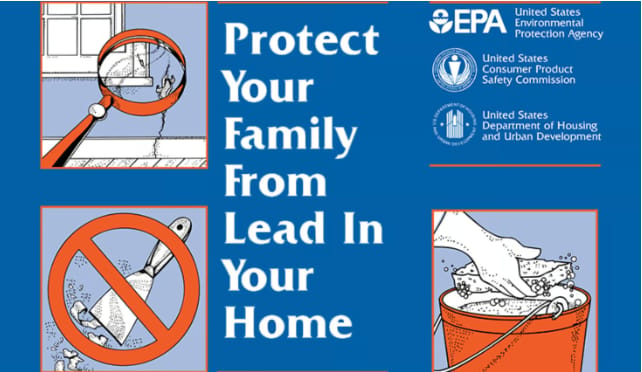
I discussed in a recent blog the importance of keeping the aesthetics of a historic building intact. Making sure that the look and overall presentation on a structure is preserved is very significant. This is especially true with landmark properties that have prominent and distinct features. Preservation can become very difficult when it entails obsolete building materials that contain hazardous materials that are typically removed and replaced. Three of the most common of hazardous materials is lead-based paint, asbestos and PCBs. In the USA, lead was used in paints up until 1978. It then was banned for its negative health effects, especially with children in their developing stages. PCBs, or polychlorinated biphenyls, were banned from paints, caulking and surface coatings in 1979 and asbestos was banned in 1974. All these bans were due to the negative health and environmental effects of these products.


Tuesday, July 17, 2018
Lead Paint Poisoning is Preventable Through Education and Action