
Blogs Where Nature Meets Science & Coatings
"If All the Greedy People that Pollute can get Together & Show Strength in Unity – then Honest, Environmentalists Must Do the Same. You See – It’s as Simple As That.” George C. Keefe - ENCASEMENT Guy
Blogs Where Nature Meets Science & Coatings
"If All the Greedy People that Pollute can get Together & Show Strength in Unity – then Honest, Environmentalists Must Do the Same. You See – It’s as Simple As That.” George C. Keefe - ENCASEMENT Guy
Thursday, August 29, 2024

By: George C. Keefe
Note: The Author is an Environmentalist, Green Coatings Enthusiast, Contractor, Consultant, Vegan, Blogger, Podcaster. Protecting the Health of People & Planet. CEO & Founder at Global ENCASEMENT, Inc., Restoration & Management vs Removal & Replacement. Why Replace – Just Encase!
Listen and Learn: Dive into the Audio Version of Our Blog
Some people are just weird.
There's no other way to say it.
In a world where scientific evidence is overwhelming, it's downright weird that some still deny the climate crisis and the role of fossil fuels in causing it.
This weirdness isn't just a quirk – it's a dangerous mindset that threatens our planet's future.
Let's face it: the climate crisis is real, and it's happening now.
Extreme weather events, rising sea levels, and record-breaking temperatures are no longer predictions but our current reality.
In this episode I ask you to consider how on full display is truly weird behavior, some people continuing to bury their heads in the sand, refusing to acknowledge what's right in front of them.
What makes this denial so weird is that the evidence is crystal clear.
Scientists worldwide agree that human activities, particularly the burning of fossil fuels, are the main drivers of climate change.
The weird part?
Despite this consensus, some folks cling to outdated beliefs or conspiracy theories, exhibiting a level of weirdness that would be almost comical if the consequences weren't so dire.
This weird denial often stems from a complex mix of factors.
Some people find it easier to ignore the problem than face the uncomfortable truth.
Others might have a weird attachment to their current lifestyle, fearing that acknowledging climate change means giving up conveniences they've grown accustomed to.
And then there are those with a weird distrust of science, preferring to believe fringe theories over peer-reviewed research.
But here's where it gets even weirder: many climate deniers use technology and medicine that rely on the same scientific principles they reject when it comes to climate change.
It's a weird cognitive clash that defies logic.
The fossil fuel industry plays a significant role in this weird denial.
With deep pockets and powerful lobbying, they've managed to sow doubt about climate science, creating a weird alternate reality where their products aren't harming the planet.
It's a weird and dangerous game of profit over planetary health.
So, how do we break through this wall of weirdness?
Education is key, but it needs to be coupled with empathy.
We must understand the weird fears and motivations behind climate denial to effectively communicate the urgency of the situation.
One practical step we can all take is embracing eco-friendly products, particularly in areas we might not immediately associate with environmental impact.
Take the right green coatings, for instance.
These innovative products are far from weird – they're a smart solution to multiple problems.
The right green coatings offer a way to protect our buildings and infrastructure for the long-term while also safeguarding the environment.
Unlike traditional weak paints and coatings that often contain harmful chemicals, the right green coatings are designed environmentally friendly being water-based, non-toxic, biodegradable, with zero to low VOC’s (volatile organic content).
They reduce or eliminate the emission of volatile organic compounds (VOCs), which contribute to air pollution and climate change.
But the benefits of the right green coatings go beyond just being eco-friendly.
They create a long-lasting protective encasement for buildings, extending their lifespan with guaranteed 20 year, renewable service cycles, reducing the need for frequent repairs or replacements.
This means less resource consumption and waste over time – a win-win for both our structures and the planet.
Moreover, the right green coatings can improve energy efficiency by providing better insulation, reducing the energy needed for heating and cooling.
Also, they are solar reflective and create indoor passive cooling while reflecting heat away from surfaces improving energy efficiency in buildings reflecting sunlight and reducing heat absorption.
This directly translates to lower greenhouse gas emissions, tackling the climate crisis at its root.
By choosing the right green coatings, we're not just protecting our buildings; we're actively contributing to environmental conservation and combating climate change.
It's a practical, tangible way to make a difference, even as we work to overcome the weird denial that still persists in some corners of society.
To Sum IT Up:
While it's weird that climate denial continues in the face of overwhelming evidence, there's hope.
By understanding the roots of this weird behavior, educating others, and embracing solutions like the right green coatings, we can work towards a more sustainable future.
It's time to leave the weirdness of denial behind and face the climate crisis head-on, armed with science, empathy, and innovative green technologies.
"Pollution and climate change by excessive burning of fossil fuels are real threats, not the people who warn that we must take these threats seriously." - David Suzuki, Canadian Academic & Environmental Broadcaster
What are your questions?
We are always here to help and excited to answer them.
Contact us at +1 (800) 266-3982 , or send us an email at service@encasement.com and leave a comment below.
See other posts like this one:
Tuesday, November 17, 2026
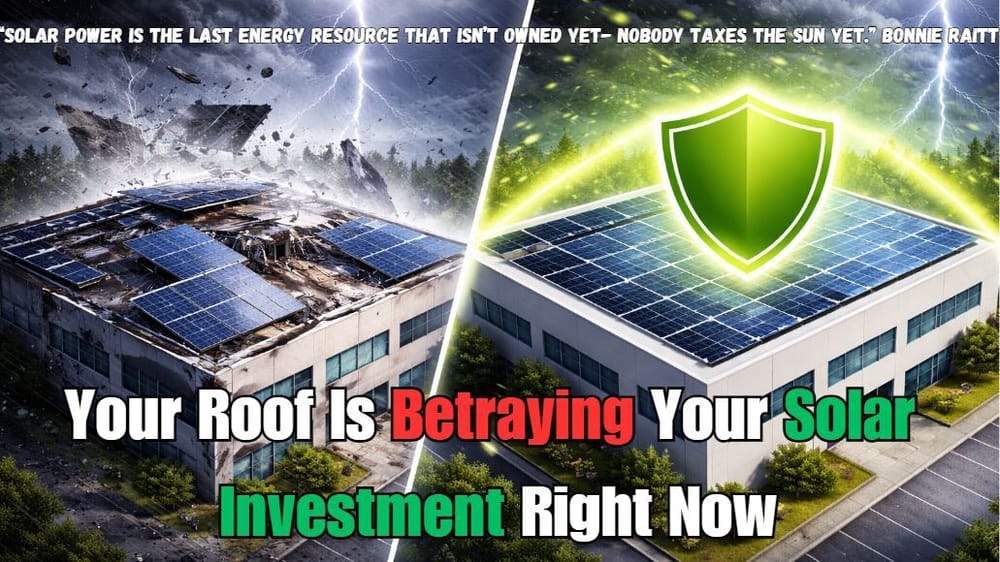
Solar can reduce dependence on volatile energy markets and turn rooftops into productive assets. But a rooftop solar system and the roof beneath it must be planned as one long-term system — because a clean-energy investment can become a costly maintenance problem if the roof, attachment points, and water-control details are not ready for decades of service.

Tuesday, November 10, 2026
The word "abatement" doesn't mean "rip it out." Understanding the real definition can save building owners tens of thousands of dollars -- and spare them years of unnecessary disruption. In my 50+ years in the field, I've watched this single misconception drive some of the most wasteful decisions in building management. It's time to set the record straight.
Tuesday, November 03, 2026
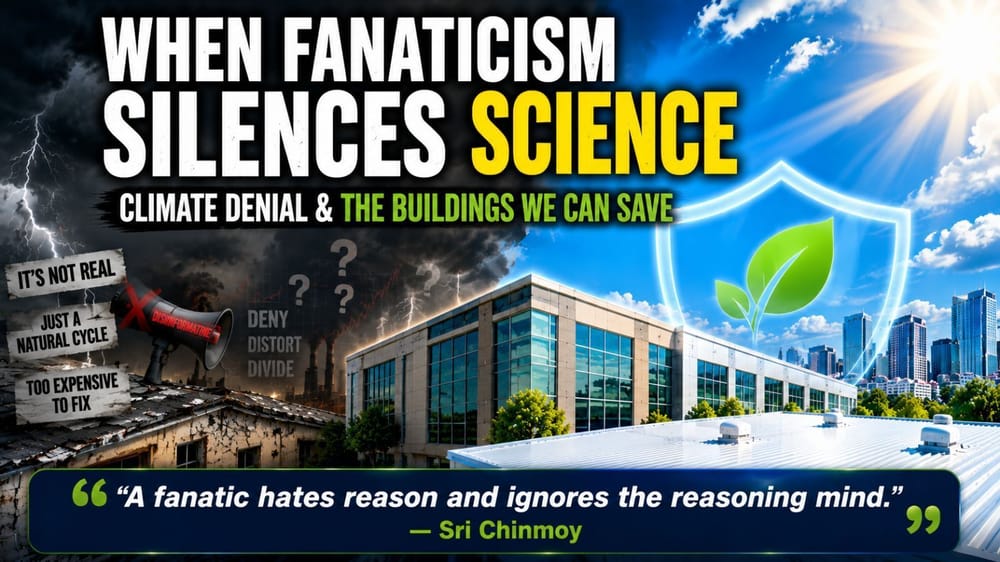
A quote, a warning, and a practical response — because when reason is under attack, doing the right thing becomes both a moral act and a market advantage.

Tuesday, October 27, 2026
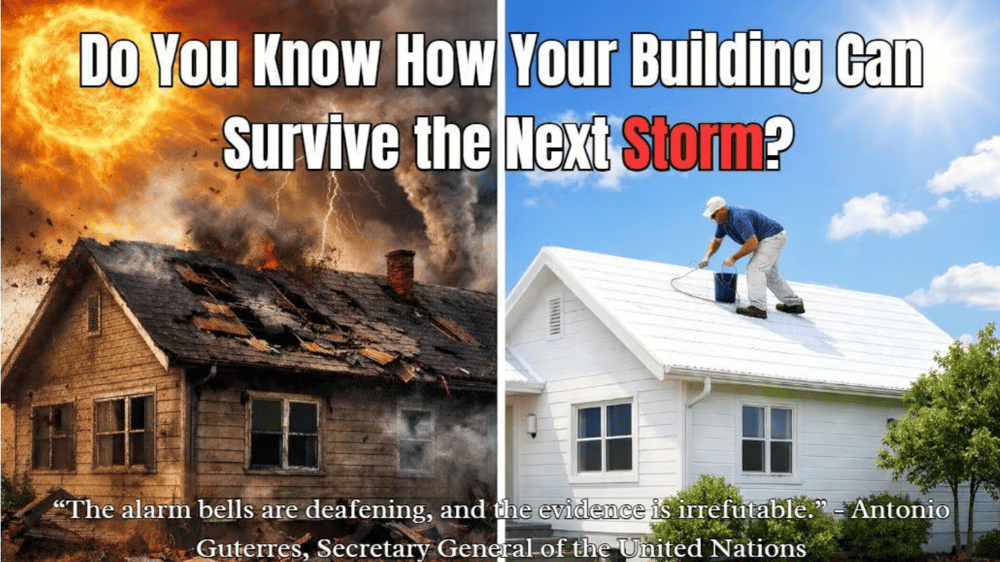
The storms are not coming. They are already here. Climate science has spent decades warning us about intensifying heat, heavier rainfall, rising seas, stronger coastal hazards, and weather extremes that place aging buildings under stresses many of them were never designed to endure.

Tuesday, October 20, 2026
Less than 9% of the people applying protective coatings to buildings and structures in America are women — in a trade that requires no special strength, no tools a woman doesn't already know how to use, and no barriers that have anything to do with capability. That statistic isn't just surprising. From my experience, it represents one of the largest untapped professional opportunities in the country — and it's about to get even bigger.

Tuesday, October 13, 2026
The maintenance-treadmill coating industry has a dirty secret: your building's repeated failures aren't bad luck. They're the business model. Here's what 40+ years in the field taught me, and what Green ENCASEMENT Coatings do about it.

Tuesday, October 06, 2026
Ordinary paint can make a building look protected while heat, moisture, UV, wind, and seasonal movement keep attacking beneath the surface. Green ENCASEMENT Coatings change the protection strategy.
Tuesday, September 29, 2026
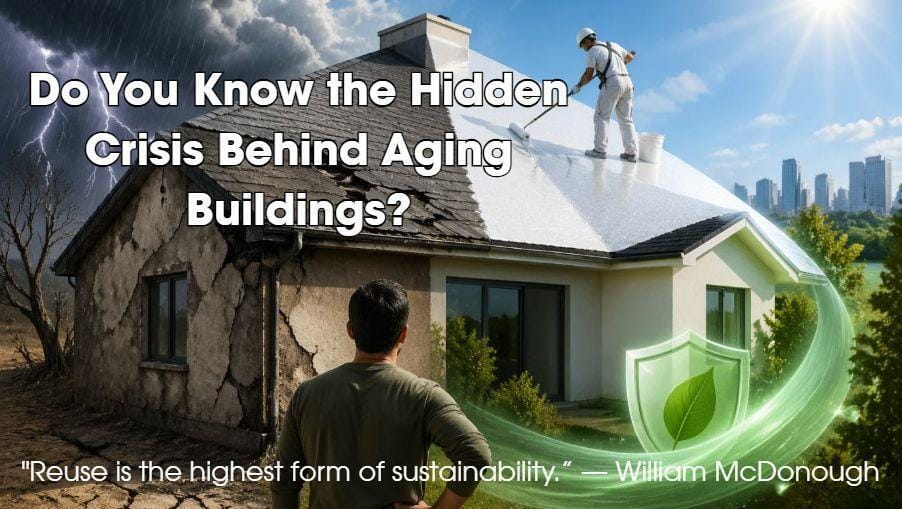
The Renewable Revolution: How Green ENCASEMENT Coatings Are Redefining Building Surfaces

Tuesday, September 22, 2026
History has already shown where buildings fail. The smarter strategy is to study those failures, strengthen the envelope before the next event, and preserve what can still be protected.
Tuesday, September 15, 2026
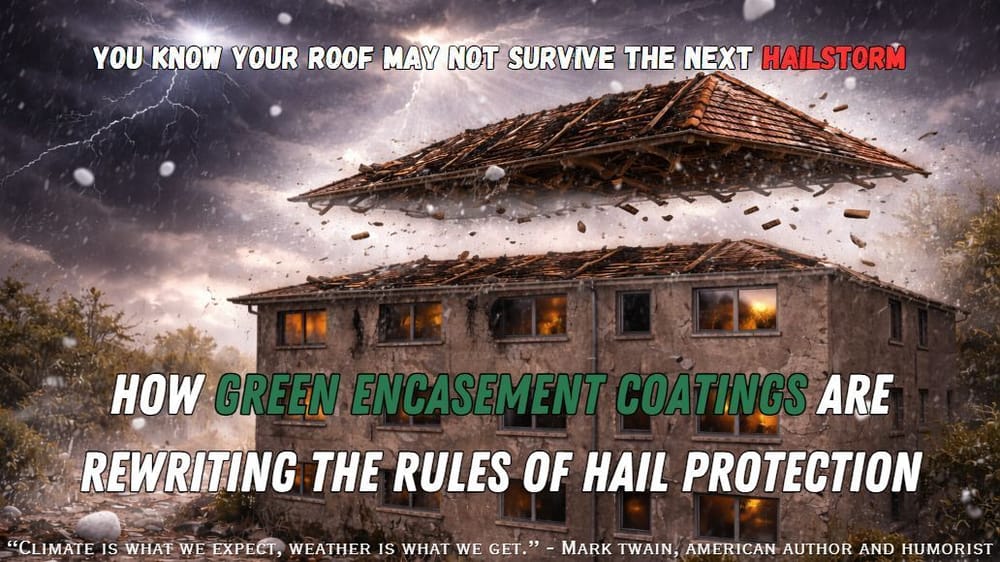
How Green ENCASEMENT Coatings are rewriting the rules of hail protection — before impact damage becomes a roof replacement problem.

Tuesday, September 08, 2026
Why Green ENCASEMENT Coatings can cost more at the beginning — and still cost far less over the life of your building.




Tuesday, August 04, 2026