Blogs Where Nature Meets Science & Coatings
"If All the Greedy People that Pollute can get Together & Show Strength in Unity – then Honest, Environmentalists Must Do the Same. You See – It’s as Simple As That.” George C. Keefe - ENCASEMENT Guy
Blogs Where Nature Meets Science & Coatings
"If All the Greedy People that Pollute can get Together & Show Strength in Unity – then Honest, Environmentalists Must Do the Same. You See – It’s as Simple As That.” George C. Keefe - ENCASEMENT Guy
Tuesday, June 18, 2024
Listen and Learn: Dive into the Audio Version of Our Blog
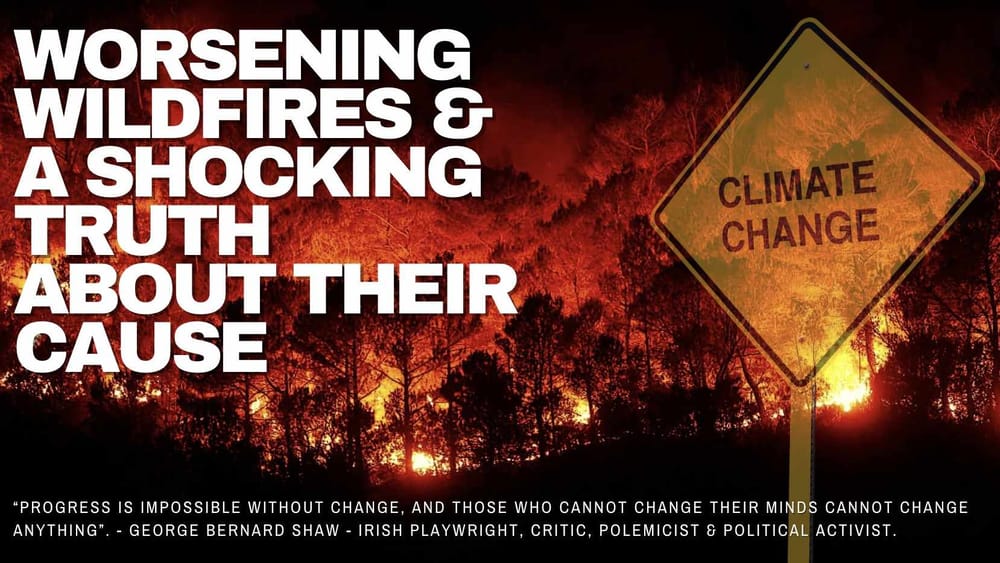
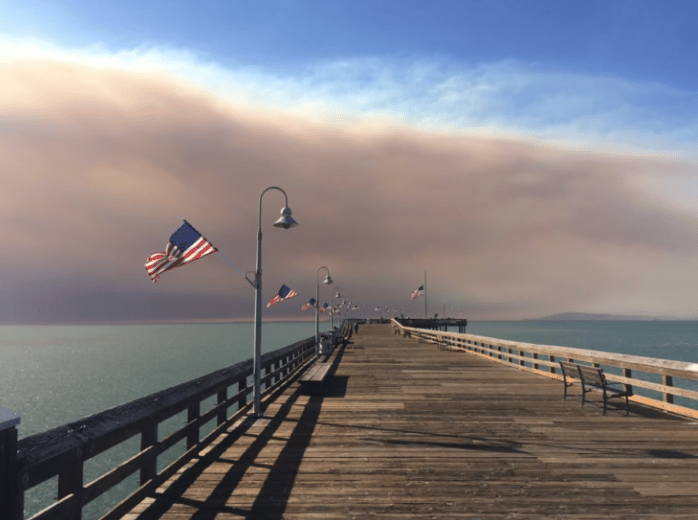
As wildfires continue raging across the United States and around the world, leaving devastation in their wake, you may be wondering what's behind this growing crisis.
The surprising answer?
Humans are largely to blame.
While climate change is indeed exacerbating wildfire conditions with hotter, drier weather, over 90% of U.S. wildfires are actually caused by human activities like arson, campfires left unattended, burning of debris, and equipment misuse or malfunction.
That's according to data from the U.S. Department of Interior.
In this episode I draw attention to the fact that in most cases, these exceptionally costly disasters could have been prevented with more vigilant fire safety practices.
As wildfire season seems to grow longer and more destructive each year, it's critical for those living in fire-prone areas to understand the dos and don'ts of fire prevention.
Properly extinguishing campfires, avoiding open burning during dry conditions, and exercising caution with fire-starting equipment like chainsaws or vehicles can go a long way.
But there are also ways we can help tackle this issue from a broader angle by being conscious consumers.
The Link Between Wildfires and Our Product Choices.
Many don't realize it, but the coatings and products we use on everything from office buildings to homes can have an environmental impact that relates to climate change and fire risk.
Traditional petroleum-based paints and coatings are a notorious source of volatile organic compound (VOC) emissions that can contribute to smog and poor air quality.
They are also highly flammable and in fires release toxic fumes.
This poses risks for human health while further compounding climate change, which leads to hotter, drier conditions enabling more wildfires.
However, choosing eco-friendly, water-based coating products with low or zero VOCs, fire resistant and don’t release anything toxic if burned can help curb these effects.
By switching to greener coatings options for our buildings and infrastructure projects, we eliminate tons of annual VOC emissions that contaminate air quality.
Furthermore, some of today's cutting-edge green coatings don't just minimize environmental impact in production and use - their unique properties can actually help turn buildings and infrastructure fire resistant in fire-prone regions.
To Sum IT Up:
Emerging solutions like the right green coatings that are fire resistance, can be sprayed onto surfaces to encase and insulate the substrates, creating a new opportunity by helping turn all structures fire resistant.
With wildfires growing more severe and widespread, fortifying, buildings, structures, homes, businesses, power line towers, and other infrastructure with the right advanced fire-resistant coatings could be a game-changer for protecting lives and property while reducing devastating losses.
By being socially conscious consumers who demand eco-friendly, sustainably-minded products, we can help curb our personal impact on climate change and air quality.
And by embracing the right innovative green coatings' technologies, we can safeguard our communities from wildfires while building a greener future for our planet.
“Progress is impossible without change, and those who cannot change their minds cannot change anything.” George Bernard Shaw - Irish Playwright, Critic, Polemicist & Political Activist.
What are your questions?
We are always here to help and excited to answer them.
Contact us at +1 (800) 266-3982 , or send us an email at service@encasement.com and leave a comment below.
See other posts like this one:
Friday, November 16, 2018
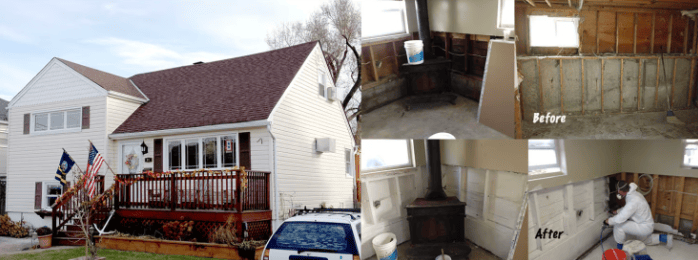
November is Lung Cancer Awareness Month including asbestos education, so this is a good time to raise awareness about preventing unnecessary exposure to asbestos that can cause lung cancer as well as contribute to other possible health concerns.
Wednesday, October 10, 2018
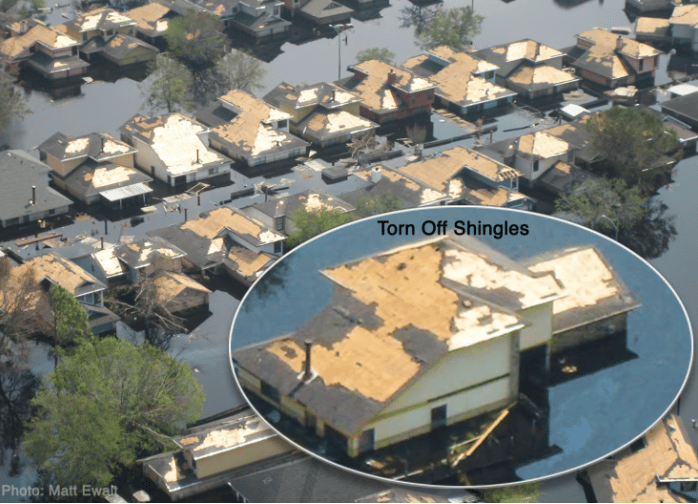
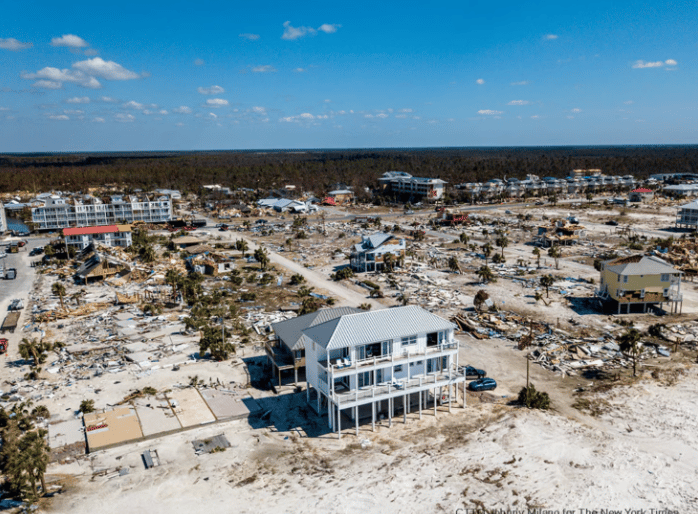
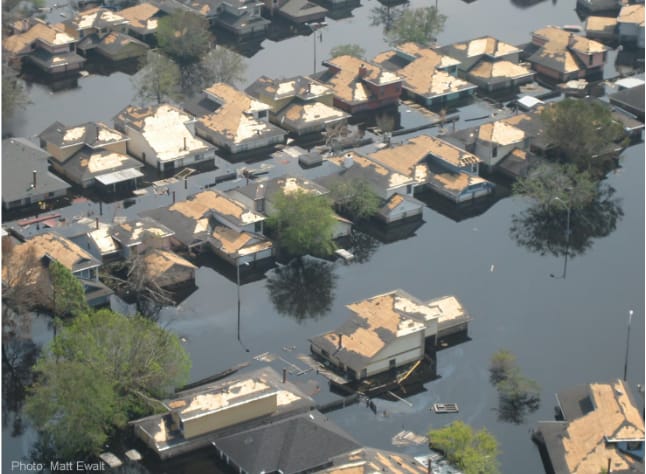
Short of moving your building or raising it up above flooding, the best approach to take to reduce storm, flooding and natural disaster losses is to simply use a proven coating to wind and waterproofthe surfaces in the path of destruction.
Tuesday, September 18, 2018
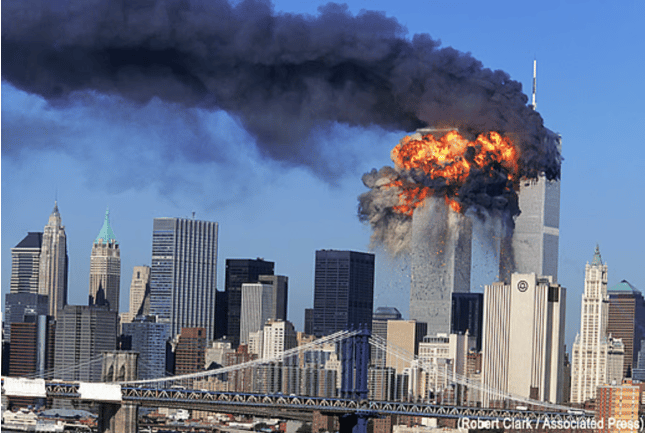
We recently passed the anniversary of 9-11-2001 tragedy of the attack on the Twin Towers in New York. I wanted to remind everyone that the effects of that fateful day are still being felt and especially by some of the heroes that were affected by the initial exposure and then the secondary exposure that took place during the cleanup. Some of those exposed were firefighters, police officers, EMTs (Emergency Medical Technician), construction workers, transit workers, cleanup workers, debris removal crews, truck drivers, nearby office workers, and Lower Manhattan residents.
Tuesday, August 21, 2018
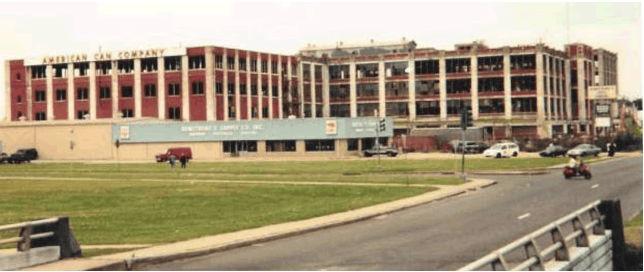
I discussed in a recent blog the importance of keeping the aesthetics of a historic building intact. Making sure that the look and overall presentation on a structure is preserved is very significant. This is especially true with landmark properties that have prominent and distinct features. Preservation can become very difficult when it entails obsolete building materials that contain hazardous materials that are typically removed and replaced. Three of the most common of hazardous materials is lead-based paint, asbestos and PCBs. In the USA, lead was used in paints up until 1978. It then was banned for its negative health effects, especially with children in their developing stages. PCBs, or polychlorinated biphenyls, were banned from paints, caulking and surface coatings in 1979 and asbestos was banned in 1974. All these bans were due to the negative health and environmental effects of these products.

Tuesday, July 17, 2018
Lead Paint Poisoning is Preventable Through Education and Action