Blogs Where Nature Meets Science & Coatings
"If All the Greedy People that Pollute can get Together & Show Strength in Unity – then Honest, Environmentalists Must Do the Same. You See – It’s as Simple As That.” George C. Keefe - ENCASEMENT Guy
Blogs Where Nature Meets Science & Coatings
"If All the Greedy People that Pollute can get Together & Show Strength in Unity – then Honest, Environmentalists Must Do the Same. You See – It’s as Simple As That.” George C. Keefe - ENCASEMENT Guy
Tuesday, May 15, 2018
Listen and Learn: Dive into the Audio Version of Our Blog
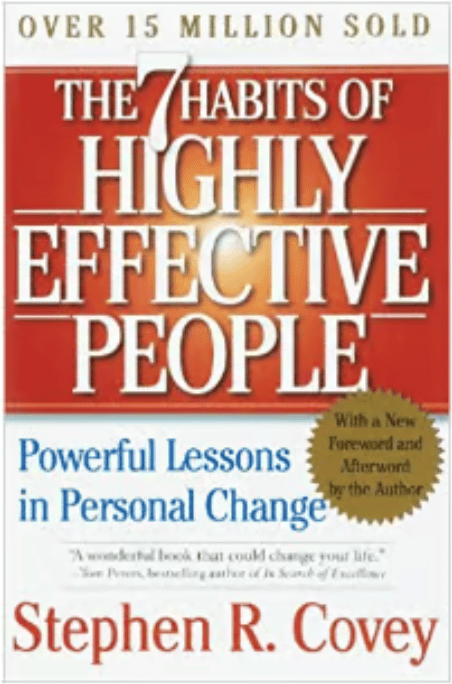
The first time I read Stephen Covey’s book, "7 Habits of Highly Effective People," was back in the early nineties. I immediately related to how this would be applied to my business and personal life.
Since then, I have often thought how the habits apply to our tag line at GLOBAL Encasement, Inc.: “Why Replace? Just Encase!”
So I thought I’d simply spell out how most of the 7 Habits could be applied to Green Coating Encasement with GLOBAL Encasement, Inc. Coatings.
Habit 1: Be Proactive.
Take simple defensive actions to protect your buildings, property and the people in them before destruction and deterioration can occur.
Do this to protect against day-to-day breakdown from typical weatherization, increasingly stronger storms, and the damage they can cause.
Also, seal in hazardous materials such as Asbestos, Lead-Based Paint, PCB’s, and such before people become exposed.
Habit 2: Begin with the end in mind.
Starting with installing sustainable coatings that can be easily renewed at the end of their service life is an important aspect of Green Coatings Encasement.
Not removing and replacing existing materials that generate a tremendous amount of waste is also thinking with the end in mind and another consequential characteristic of restoring and preserving buildings with Green Coatings Encasement.
Habit 3: Put First Things First.
The first thing you need to do is evaluate your situation to determine the best solution and approach to protect your building, which in return will protect the building occupants and their contents.
Habit 4: Think Win/Win:
Protect your building and the environment, adhering to the three parts of sustainability: People, Planet & Profit.
All three of these parts of the sustainability model clearly point to an overall win, win.
Habit 5: Seek First to Understand, Then to Be Understood. Habit 6: Synergies.
Habits 5 and 6 blend perfectly well together. Seeking to understand, then to be understood leads to synergies.
Understanding the needs of the individual situation, client requirements and project challenges is a critical aspect before explaining how those issues can be simply addressed case-by-case with Green Coatings Encasement.
Once you have a grasp of all the facts and particulars of the situation, you can convey a solid plan to be implemented that satisfies all objectives.
Habit 7: Sharpen the Saw.
This last habit was a tough one to apply to Green Coatings Encasement.
I would say that any coatings installation needs to be periodically checked to ensure that they are intact and doing what they were installed to do.
To learn more about Steven Coveys 7 habits click here:
https://www.franklincovey.com/the-7-habits/
What are your questions?
We are always here to help and excited to answer them.
Contact us at +1 (800) 266-3982 , or send us an email at service@encasement.com and leave a comment below.
See other posts like this one:
Friday, November 16, 2018
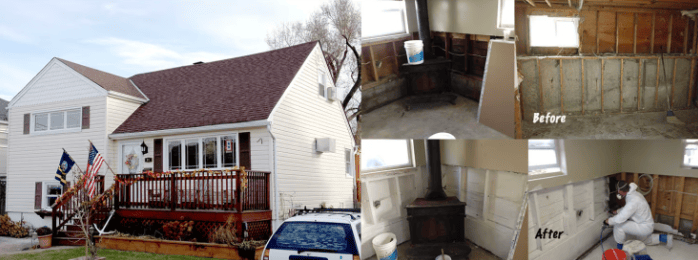
November is Lung Cancer Awareness Month including asbestos education, so this is a good time to raise awareness about preventing unnecessary exposure to asbestos that can cause lung cancer as well as contribute to other possible health concerns.

Wednesday, October 10, 2018
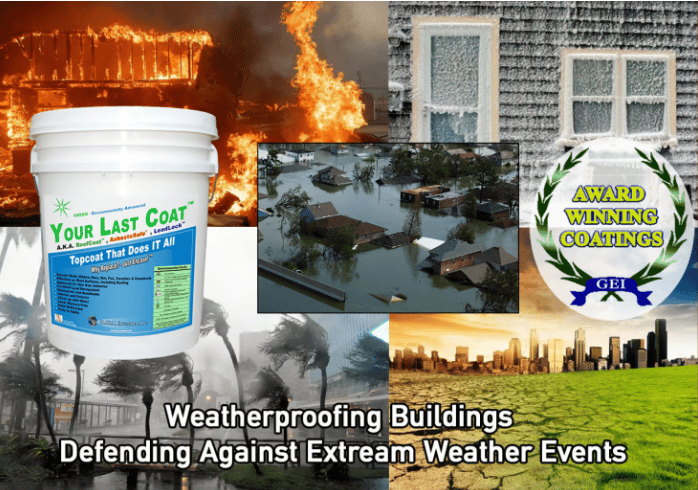
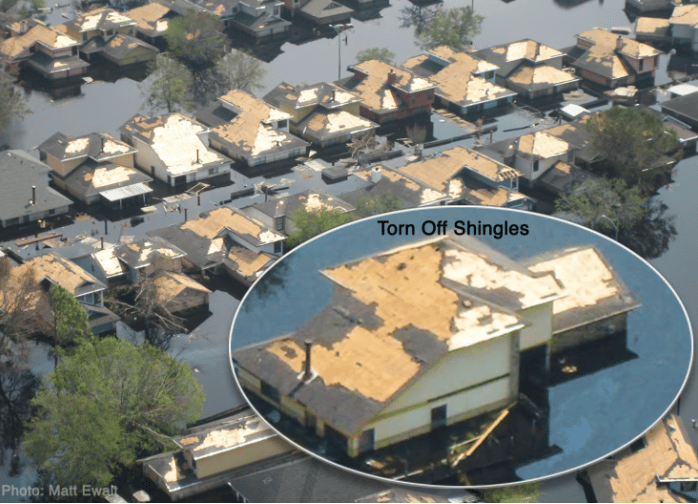
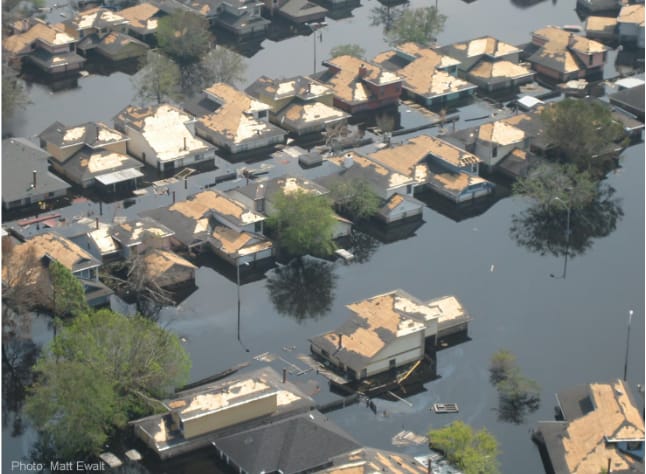
Short of moving your building or raising it up above flooding, the best approach to take to reduce storm, flooding and natural disaster losses is to simply use a proven coating to wind and waterproofthe surfaces in the path of destruction.
Tuesday, September 18, 2018
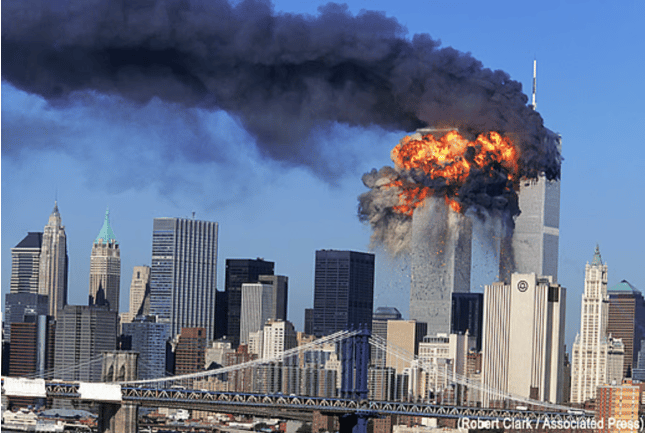
We recently passed the anniversary of 9-11-2001 tragedy of the attack on the Twin Towers in New York. I wanted to remind everyone that the effects of that fateful day are still being felt and especially by some of the heroes that were affected by the initial exposure and then the secondary exposure that took place during the cleanup. Some of those exposed were firefighters, police officers, EMTs (Emergency Medical Technician), construction workers, transit workers, cleanup workers, debris removal crews, truck drivers, nearby office workers, and Lower Manhattan residents.
Tuesday, August 21, 2018
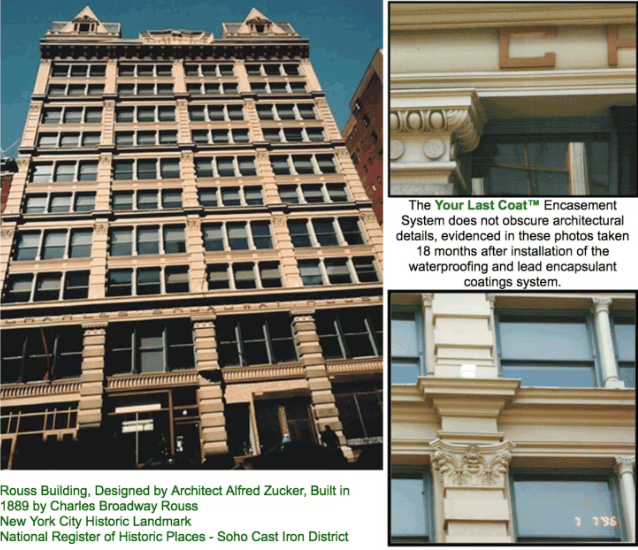
I discussed in a recent blog the importance of keeping the aesthetics of a historic building intact. Making sure that the look and overall presentation on a structure is preserved is very significant. This is especially true with landmark properties that have prominent and distinct features. Preservation can become very difficult when it entails obsolete building materials that contain hazardous materials that are typically removed and replaced. Three of the most common of hazardous materials is lead-based paint, asbestos and PCBs. In the USA, lead was used in paints up until 1978. It then was banned for its negative health effects, especially with children in their developing stages. PCBs, or polychlorinated biphenyls, were banned from paints, caulking and surface coatings in 1979 and asbestos was banned in 1974. All these bans were due to the negative health and environmental effects of these products.
Tuesday, July 17, 2018
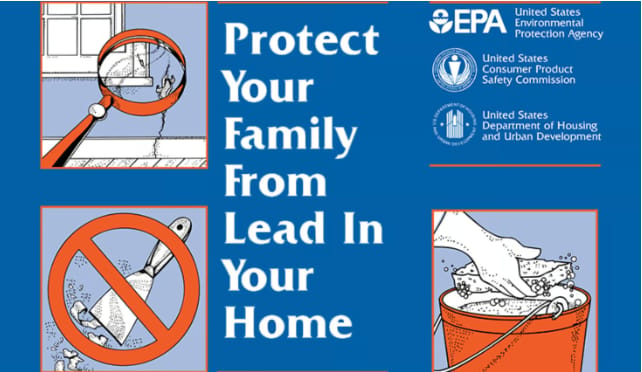
Lead Paint Poisoning is Preventable Through Education and Action