Blogs Where Nature Meets Science & Coatings
"If All the Greedy People that Pollute can get Together & Show Strength in Unity – then Honest, Environmentalists Must Do the Same. You See – It’s as Simple As That.” George C. Keefe - ENCASEMENT Guy
Blogs Where Nature Meets Science & Coatings
"If All the Greedy People that Pollute can get Together & Show Strength in Unity – then Honest, Environmentalists Must Do the Same. You See – It’s as Simple As That.” George C. Keefe - ENCASEMENT Guy
Friday, November 15, 2024
By: George C. Keefe
“If all the greedy polluters can band together to protect their interests, then honest environmentalists must do the same. It's as simple as that.”
Listen and Learn: Dive into the Audio Version of Our Blog
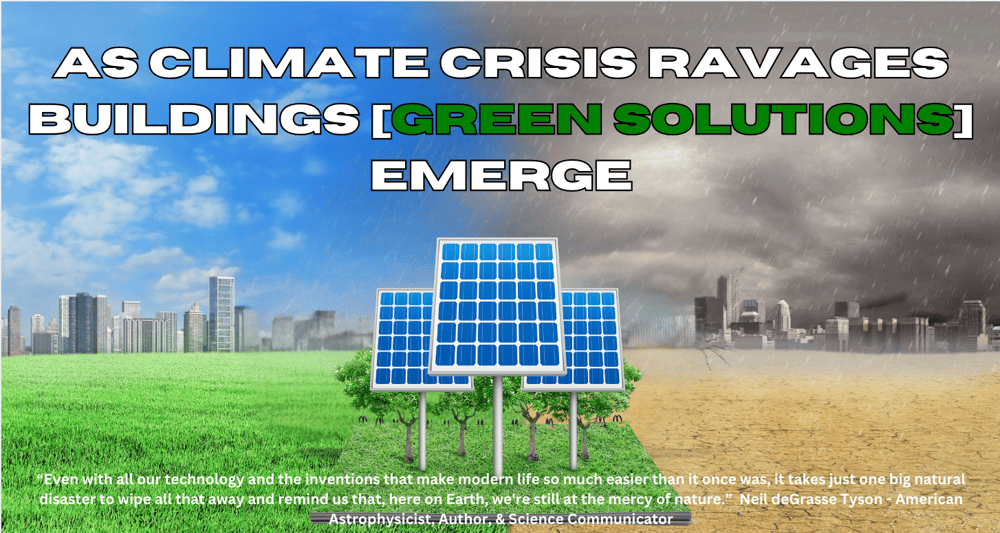
Climate change is no longer a distant threat—it's knocking at our front doors, quite literally.
Across the United States and around the world, extreme weather events fueled by global warming are wreaking havoc on our homes and buildings, leaving property owners scrambling for solutions.
As storms intensify, temperatures fluctuate wildly, and sea levels rise, the very structures we depend on for shelter and safety are under siege.
In this episode I ask you to consider the sobering reality: In recent years, we've witnessed unprecedented destruction from hurricanes along the Gulf and East Coasts, devastating wildfires in the West, record-breaking floods in the Midwest and overall worldwide climate destruction.
These aren't isolated incidents, but part of a larger pattern driven by our changing climate.
The financial toll is staggering, with billions of dollars in property damage each year.
But beyond the monetary cost lies a deeper, more personal impact—the loss of cherished homes, family heirlooms, and the sense of security we all crave.
Buildings that once stood strong against the elements now face challenges they were never designed to withstand.
Extreme heat causes materials to expand and crack, while sudden cold snaps lead to contraction and further damage.
Increased humidity fosters mold growth, compromising both structural integrity and indoor air quality.
Rising sea levels and more frequent flooding events saturate foundations, leading to instability and costly repairs.
Even in areas not prone to flooding, heavier rainfall overwhelms drainage systems, leading to water infiltration and damage.
But it's not just coastal or flood-prone areas at risk.
The urban heat island effect intensifies in cities, putting additional stress on building materials and increasing cooling costs.
In rural areas, shifting weather patterns can lead to soil erosion and destabilization of structures.
No region is immune to the far-reaching impacts of climate change on our built environment.
As alarming as this situation is, there's hope on the horizon. Innovative, eco-friendly solutions are emerging to help protect our homes and buildings while also addressing the root causes of climate change.
One such solution is the use of the right advanced green coatings and encasement systems.
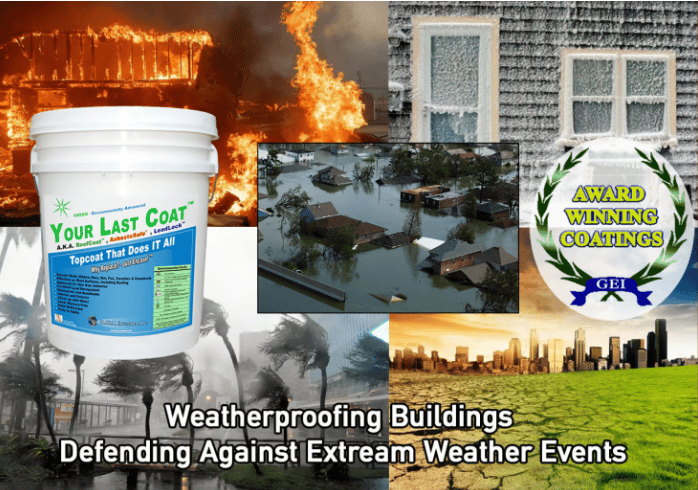
Enter products like GEI (Global ENCASEMENT, Inc.’s) Your Last Coat, a revolutionary protective coating designed to shield buildings from the many threats posed by our changing climate.
Unlike traditional weak paints that offer mere aesthetics, these powerful advanced coatings provide a strong, long-lasting defense against extreme weather, UV radiation, penetrating winds and moisture infiltration.
They create a seamless, fully-adhered barrier that moves with the building, expanding and contracting as temperatures fluctuate to prevent cracking and peeling.
What sets these green coatings apart is their multi-faceted approach to protection and sustainability.
They offer superior weatherproofing and waterproofing capabilities, crucial for defending against intensifying storms and flood events.
Their reflective properties help combat the urban heat island effect, reducing energy consumption and lowering cooling costs.
By encasing hazardous materials like asbestos and lead-based paint, they also address legacy environmental issues in older buildings.
Perhaps most importantly, these coatings are engineered with the environment in mind.
Products like Your Last Coat boast zero VOCs (volatile organic compounds) and contain no ozone-depleting substances.
They're water-based, non-toxic, biodegradable, and Class A-Fire Rated ensuring that our efforts to protect buildings don't come at the cost of further environmental damage.
Their longevity—with guaranteed, renewable service cycles of up to 20 years—means less frequent reapplication, reducing waste generation, transportation and storage all while conserving resources.
To Sum IT Up:
By choosing these eco-friendly protective coatings, property owners can take a proactive stance against climate change impacts while contributing to broader sustainability goals.
It's a prime example of how innovative green technologies can offer win-win solutions, protecting our assets while safeguarding the planet.
As we face the mounting challenges of climate change, it's clear that adaptation and mitigation must go hand in hand.
Embracing solutions like advanced green coatings encasement allows us to fortify our homes and buildings against immediate threats while also reducing our environmental footprint.
It's a powerful reminder that in the fight against climate change, every surface—every roof, wall, and foundation—can become part of the solution.
The climate crisis demands urgent action on multiple fronts.
By protecting our buildings with sustainable, long-lasting encasement solutions, we're not just securing our homes—we're investing in a more resilient, environmentally responsible future for all.
“Even with all our technology and the inventions that make modern life so much easier than it once was, it takes just one big natural disaster to wipe all that away and remind us that, here on Earth, we're still at the mercy of nature.” - Neil deGrasse Tyson - American Astrophysicist, Author, & Science Communicator
What are your questions?
We are always here to help and excited to answer them.
Contact us at +1 (800) 266-3982 , or send us an email at service@encasement.com and leave a comment below.
See other posts like this one:
Friday, November 16, 2018
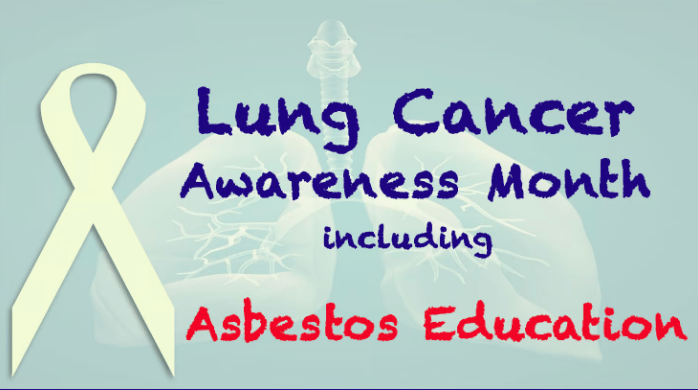
November is Lung Cancer Awareness Month including asbestos education, so this is a good time to raise awareness about preventing unnecessary exposure to asbestos that can cause lung cancer as well as contribute to other possible health concerns.
Wednesday, October 10, 2018
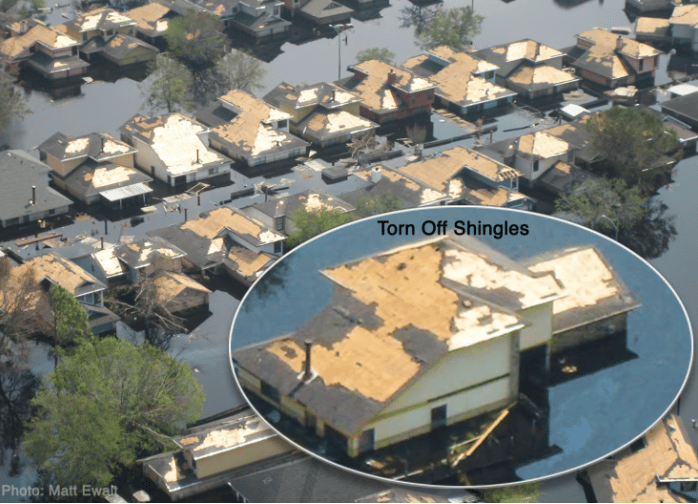
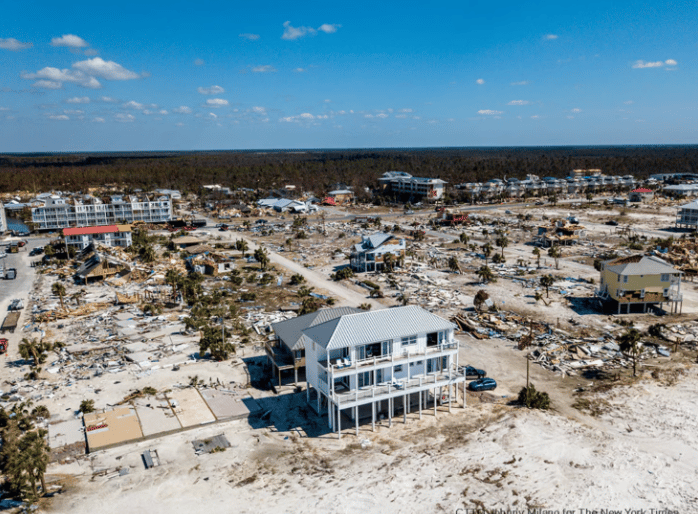
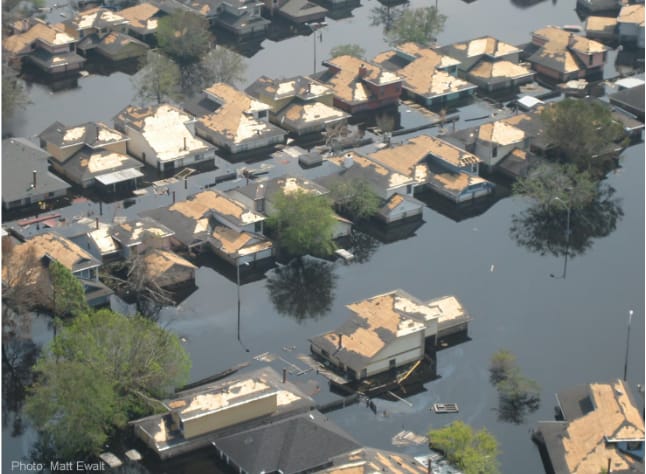
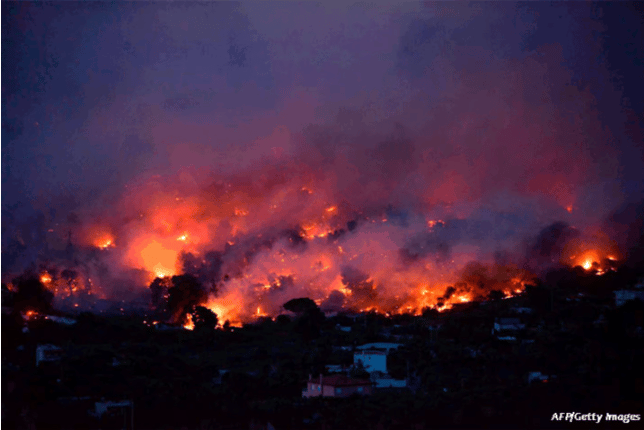
Short of moving your building or raising it up above flooding, the best approach to take to reduce storm, flooding and natural disaster losses is to simply use a proven coating to wind and waterproofthe surfaces in the path of destruction.

Tuesday, September 18, 2018
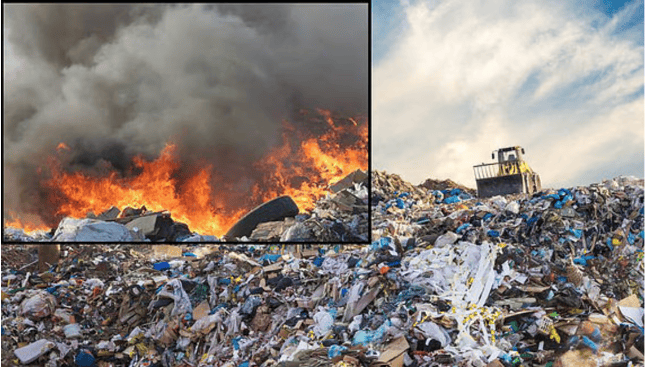
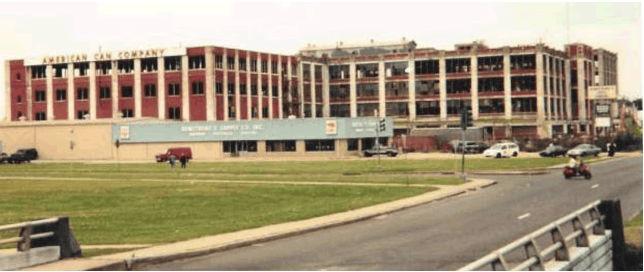
We recently passed the anniversary of 9-11-2001 tragedy of the attack on the Twin Towers in New York. I wanted to remind everyone that the effects of that fateful day are still being felt and especially by some of the heroes that were affected by the initial exposure and then the secondary exposure that took place during the cleanup. Some of those exposed were firefighters, police officers, EMTs (Emergency Medical Technician), construction workers, transit workers, cleanup workers, debris removal crews, truck drivers, nearby office workers, and Lower Manhattan residents.
Tuesday, August 21, 2018
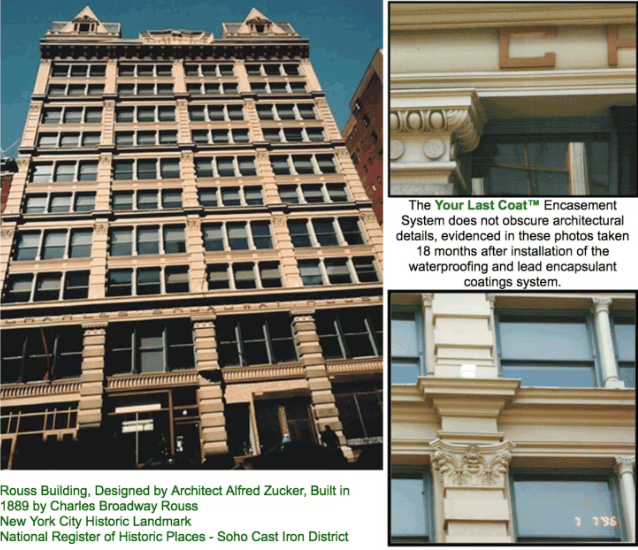
I discussed in a recent blog the importance of keeping the aesthetics of a historic building intact. Making sure that the look and overall presentation on a structure is preserved is very significant. This is especially true with landmark properties that have prominent and distinct features. Preservation can become very difficult when it entails obsolete building materials that contain hazardous materials that are typically removed and replaced. Three of the most common of hazardous materials is lead-based paint, asbestos and PCBs. In the USA, lead was used in paints up until 1978. It then was banned for its negative health effects, especially with children in their developing stages. PCBs, or polychlorinated biphenyls, were banned from paints, caulking and surface coatings in 1979 and asbestos was banned in 1974. All these bans were due to the negative health and environmental effects of these products.
Tuesday, July 17, 2018
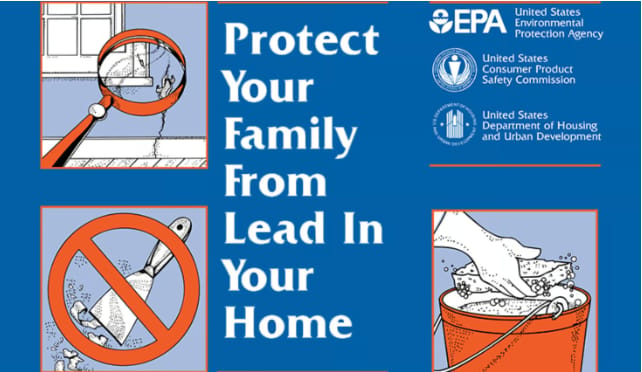
Lead Paint Poisoning is Preventable Through Education and Action