Blogs Where Nature Meets Science & Coatings
"If All the Greedy People that Pollute can get Together & Show Strength in Unity – then Honest, Environmentalists Must Do the Same. You See – It’s as Simple As That.” George C. Keefe - ENCASEMENT Guy
Blogs Where Nature Meets Science & Coatings
"If All the Greedy People that Pollute can get Together & Show Strength in Unity – then Honest, Environmentalists Must Do the Same. You See – It’s as Simple As That.” George C. Keefe - ENCASEMENT Guy
Friday, November 15, 2024
By: George C. Keefe
“If all the greedy polluters can band together to protect their interests, then honest environmentalists must do the same. It's as simple as that.”
Listen and Learn: Dive into the Audio Version of Our Blog
Climate change is no longer a distant threat—it's knocking at our front doors, quite literally.
Across the United States and around the world, extreme weather events fueled by global warming are wreaking havoc on our homes and buildings, leaving property owners scrambling for solutions.
As storms intensify, temperatures fluctuate wildly, and sea levels rise, the very structures we depend on for shelter and safety are under siege.
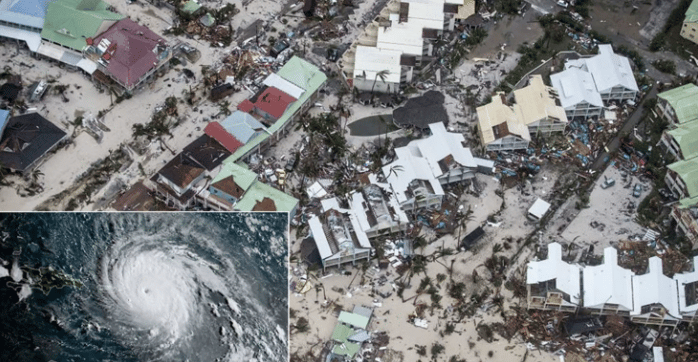
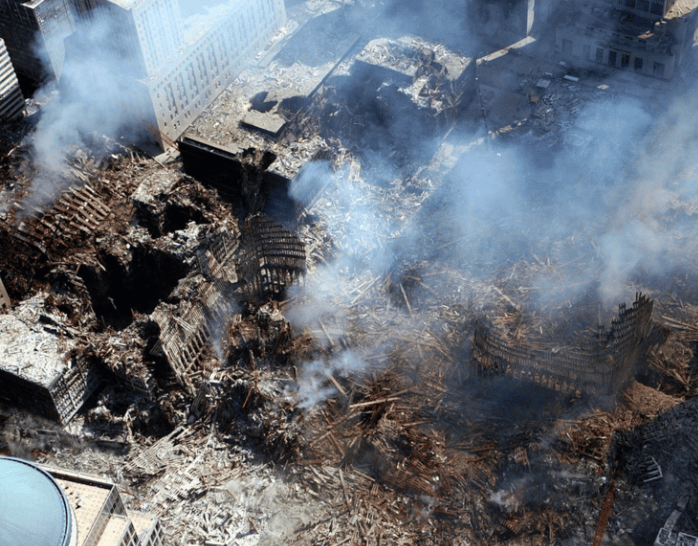
In this episode I ask you to consider the sobering reality: In recent years, we've witnessed unprecedented destruction from hurricanes along the Gulf and East Coasts, devastating wildfires in the West, record-breaking floods in the Midwest and overall worldwide climate destruction.
These aren't isolated incidents, but part of a larger pattern driven by our changing climate.
The financial toll is staggering, with billions of dollars in property damage each year.
But beyond the monetary cost lies a deeper, more personal impact—the loss of cherished homes, family heirlooms, and the sense of security we all crave.
Buildings that once stood strong against the elements now face challenges they were never designed to withstand.
Extreme heat causes materials to expand and crack, while sudden cold snaps lead to contraction and further damage.
Increased humidity fosters mold growth, compromising both structural integrity and indoor air quality.
Rising sea levels and more frequent flooding events saturate foundations, leading to instability and costly repairs.
Even in areas not prone to flooding, heavier rainfall overwhelms drainage systems, leading to water infiltration and damage.
But it's not just coastal or flood-prone areas at risk.
The urban heat island effect intensifies in cities, putting additional stress on building materials and increasing cooling costs.
In rural areas, shifting weather patterns can lead to soil erosion and destabilization of structures.
No region is immune to the far-reaching impacts of climate change on our built environment.
As alarming as this situation is, there's hope on the horizon. Innovative, eco-friendly solutions are emerging to help protect our homes and buildings while also addressing the root causes of climate change.
One such solution is the use of the right advanced green coatings and encasement systems.
Enter products like GEI (Global ENCASEMENT, Inc.’s) Your Last Coat, a revolutionary protective coating designed to shield buildings from the many threats posed by our changing climate.
Unlike traditional weak paints that offer mere aesthetics, these powerful advanced coatings provide a strong, long-lasting defense against extreme weather, UV radiation, penetrating winds and moisture infiltration.
They create a seamless, fully-adhered barrier that moves with the building, expanding and contracting as temperatures fluctuate to prevent cracking and peeling.
What sets these green coatings apart is their multi-faceted approach to protection and sustainability.
They offer superior weatherproofing and waterproofing capabilities, crucial for defending against intensifying storms and flood events.
Their reflective properties help combat the urban heat island effect, reducing energy consumption and lowering cooling costs.
By encasing hazardous materials like asbestos and lead-based paint, they also address legacy environmental issues in older buildings.
Perhaps most importantly, these coatings are engineered with the environment in mind.
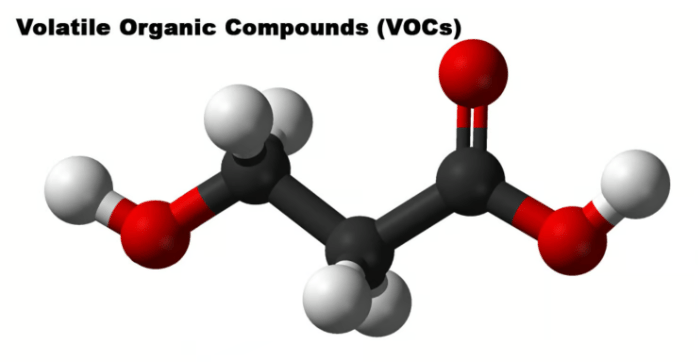
Products like Your Last Coat boast zero VOCs (volatile organic compounds) and contain no ozone-depleting substances.
They're water-based, non-toxic, biodegradable, and Class A-Fire Rated ensuring that our efforts to protect buildings don't come at the cost of further environmental damage.
Their longevity—with guaranteed, renewable service cycles of up to 20 years—means less frequent reapplication, reducing waste generation, transportation and storage all while conserving resources.
To Sum IT Up:
By choosing these eco-friendly protective coatings, property owners can take a proactive stance against climate change impacts while contributing to broader sustainability goals.
It's a prime example of how innovative green technologies can offer win-win solutions, protecting our assets while safeguarding the planet.
As we face the mounting challenges of climate change, it's clear that adaptation and mitigation must go hand in hand.
Embracing solutions like advanced green coatings encasement allows us to fortify our homes and buildings against immediate threats while also reducing our environmental footprint.
It's a powerful reminder that in the fight against climate change, every surface—every roof, wall, and foundation—can become part of the solution.
The climate crisis demands urgent action on multiple fronts.
By protecting our buildings with sustainable, long-lasting encasement solutions, we're not just securing our homes—we're investing in a more resilient, environmentally responsible future for all.
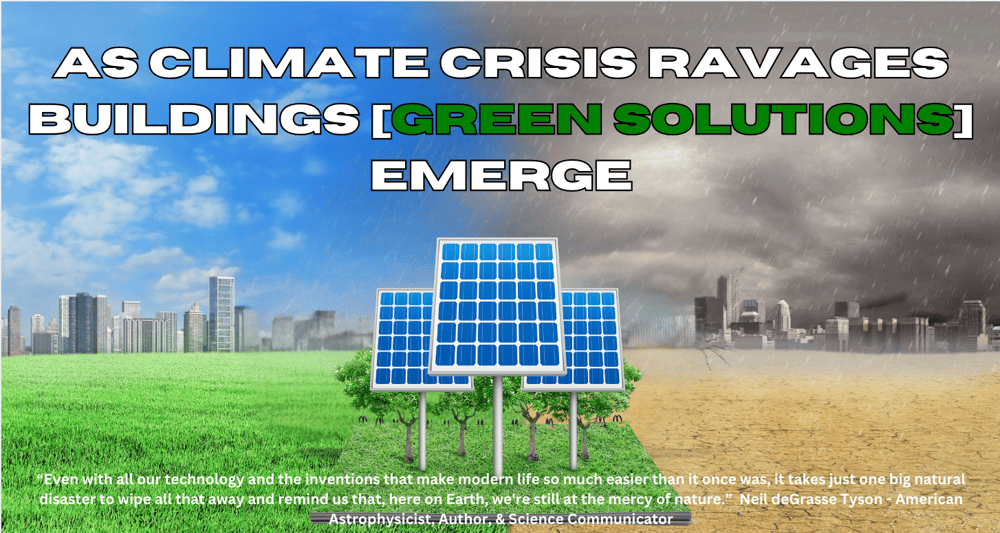
“Even with all our technology and the inventions that make modern life so much easier than it once was, it takes just one big natural disaster to wipe all that away and remind us that, here on Earth, we're still at the mercy of nature.” - Neil deGrasse Tyson - American Astrophysicist, Author, & Science Communicator
What are your questions?
We are always here to help and excited to answer them.
Contact us at +1 (800) 266-3982 , or send us an email at service@encasement.com and leave a comment below.
See other posts like this one:
Tuesday, September 01, 2020
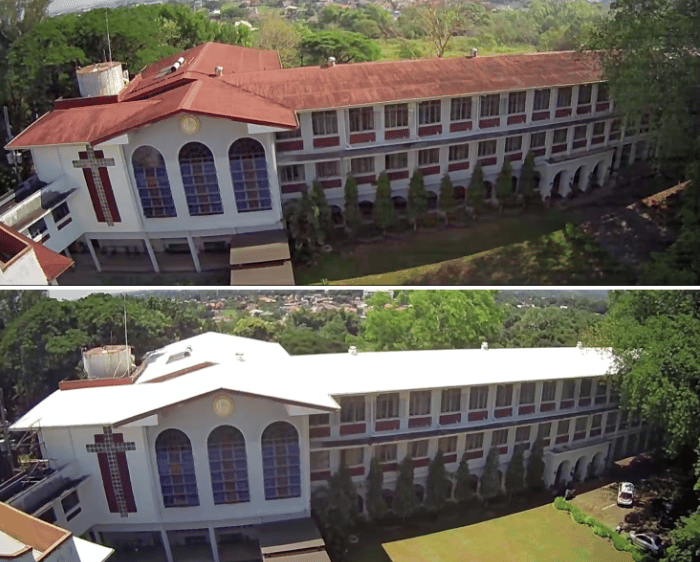
As weather becomes extremely unpredictable around the world, there is an urgent need to strengthen those places that protect us and our contents from harsh, rapidly changing climates.
Thursday, July 30, 2020
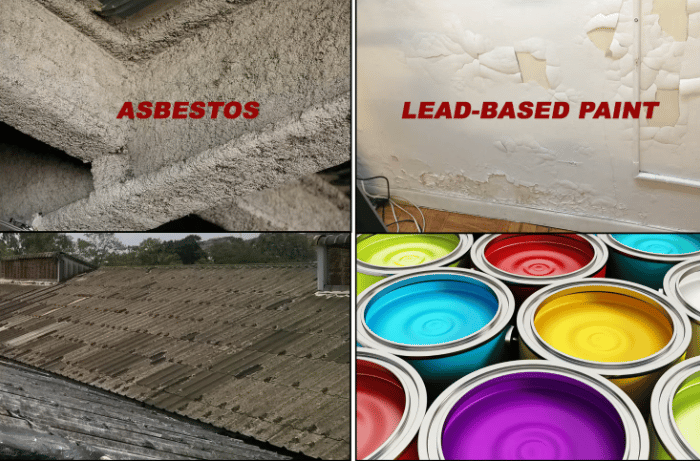
Asbestos and lead-based paint – you know them well. They lurk in older schools, housing complexes, military installations and other buildings, waiting silently to inflict disease and sometimes death on their occupants. Today, asbestos-containing materials (ACM) are found in over 700,000 buildings in the United States, and loose, flaking, or peeling lead-based paint (LBP) is present in more than 72 million United States homes, schools, and other buildings constructed before 1978.
Tuesday, May 12, 2020
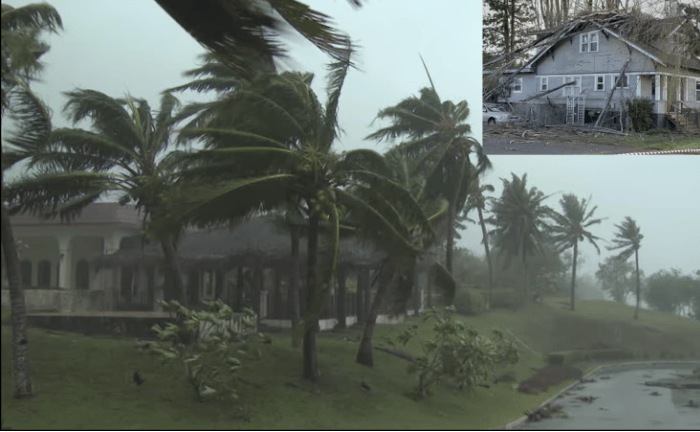
Every year damaging winds accompany hurricanes, typhoons and other strong wind events that leave a trail of destruction. Building and home owners are left with devastating huge building repairs and replacement costs. Some of these buildings can be salvaged and made stronger, defending against the next storm. Others are a complete write-off. It’s not unusual in all the destruction to see a building or house left standing with its roof and walls intact. This is usually a structure that is wind-resistant and better prepared to defend against a strong weather onslaught.

Wednesday, April 22, 2020
The first time I heard about Earth Day was when I was in the eighth grade and my well admired and clever science teacher opened up a discussion on the cons of earth day stating it was some sort of liberal nonsense and a hoax. This agitated most of the class.
Tuesday, April 14, 2020
Sustainable architecture is all about making sure that the buildings we get to live and work in do not have a negative impact on the environment.
Wednesday, March 25, 2020
I think we all agree that it’s so important to minimize the spread of germs. That is one of the most significant and preventative measures we can take.

Thursday, March 19, 2020
Do You Know Why the Right Protective Green Coating Resembles our Largest Organ? The right protective coating can protect all parts of a building just like the skin protects all parts of a body. Both are the first line of defense and without them both our bodies and buildings would be naked eventually causing a complete breakdown. Our largest organ, the skin on the outside of our bodies protects our muscles, organs, bones and brain from infections, sunlight, temperature extremes and other threats. The same is true with the right coating that covers the outside of a building protecting occupants and the structure itself. It prevents the deterioration of interior building components such as heating and cooling apparatus, plumbing, electric and furnishings.
Wednesday, February 19, 2020
The true cost of a paint or coating is not just the price per gallon/liter. There are direct and indirect costs to consider.
Monday, February 03, 2020
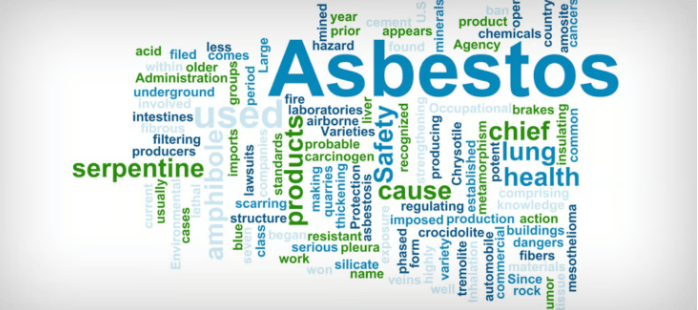
As I travel and work internationally, I encounter different aspects and opinions on asbestos. It has a long background of use in all types of situations and still widely used in building materials. To date, it is still mined and incorporated into many products in several countries. It is controversial at best. My goal is always to try and enlighten and not frighten about some of its uses and misconceptions. The fact is that as much as it is opposed and even outlawed in some parts of the world, it is still mined, exported and used in many others.
Friday, January 03, 2020
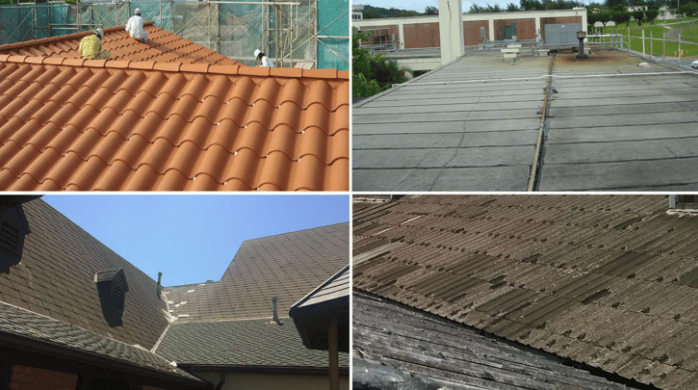
As I’ve studied the issues of what building components are the main culprits of polluting our environment of both soil and water along with generating the most waste, I’ve found that roofing can be a leading offender. This also includes air pollution if the roofing contains asbestos. Asbestos is a large content of many roofs and wall surfaces worldwide and its microscopic fibers are continually released into the environment as it breaks down.
Thursday, December 12, 2019
As I travel internationally and educate many on how to simply deal with solid hazardous materials and safely contain them with green coatings I’m always amazed how differently countries look at situations with building products and how to handle them.
Friday, November 29, 2019
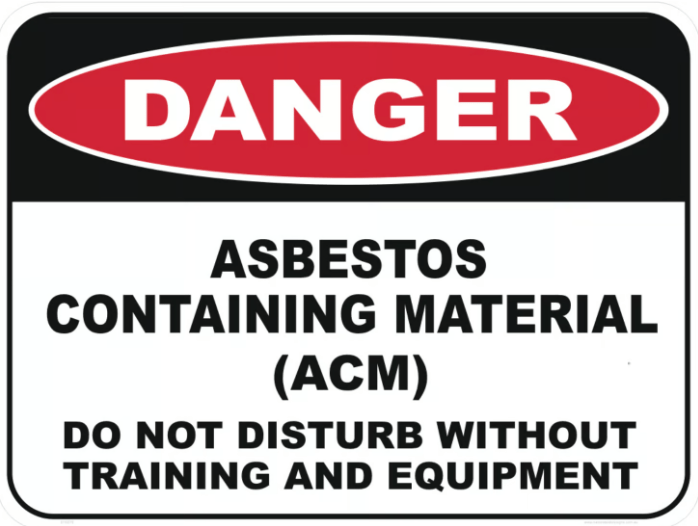
Asbestos – The three options when addressing asbestos in building materials are: first, full blown removal; second, do nothing and leave it alone; and the third, in-place management.