Blogs Where Nature Meets Science & Coatings
"If All the Greedy People that Pollute can get Together & Show Strength in Unity – then Honest, Environmentalists Must Do the Same. You See – It’s as Simple As That.” George C. Keefe - ENCASEMENT Guy
Blogs Where Nature Meets Science & Coatings
"If All the Greedy People that Pollute can get Together & Show Strength in Unity – then Honest, Environmentalists Must Do the Same. You See – It’s as Simple As That.” George C. Keefe - ENCASEMENT Guy
Tuesday, September 03, 2024
By: George C. Keefe
Note: The Author is an Environmentalist, Green Coatings Enthusiast, Contractor, Consultant, Vegan, Blogger, Podcaster. Protecting the Health of People & Planet. CEO & Founder at Global ENCASEMENT, Inc., Restoration & Management vs Removal & Replacement. Why Replace – Just Encase!
Listen and Learn: Dive into the Audio Version of Our Blog
In an era of unprecedented climate crisis, one might assume that governments worldwide would be doing everything in their power to curb the use of fossil fuels.
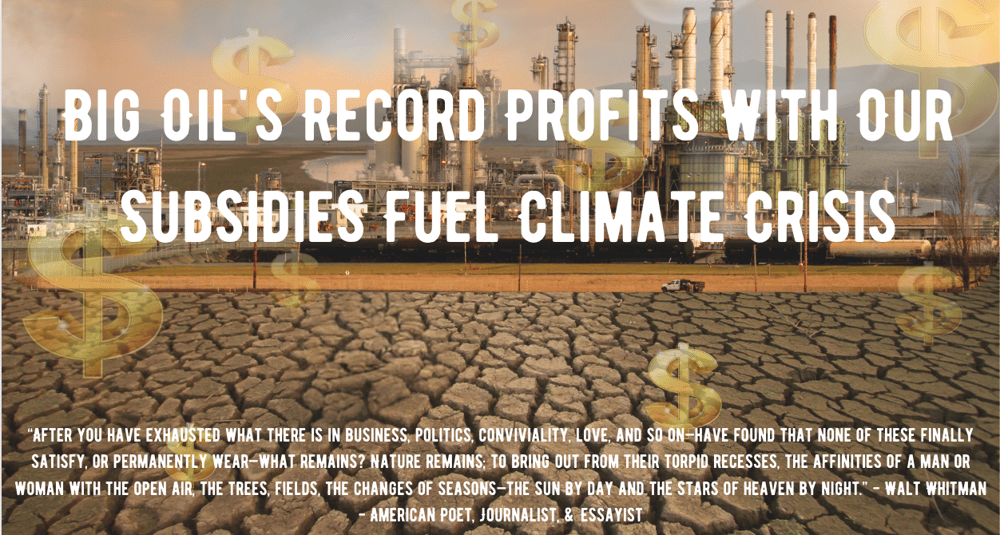
Yet, a shocking reality persists: Big oil’s dirty secret is the fossil fuel industry continues to receive substantial tax breaks and subsidies, even as it reports record-breaking profits and contributes significantly to environmental degradation.
In this episode I unveil how this contradiction raises important questions about our priorities as a society and the future of our planet.
The fossil fuel industry has long been a cornerstone of the global economy, providing energy that has fueled technological advancements and improved living standards for billions.
However, this progress has come at a steep cost to our environment.
The burning of fossil fuels is the primary driver of climate change, responsible for rising temperatures, extreme weather events, and the destabilization of ecosystems worldwide.
Despite overwhelming scientific evidence of the harm caused by fossil fuels, governments continue to provide financial support to this industry.
In 2020 alone, G20 countries funneled a staggering $584 billion into fossil fuel subsidies, according to a report by Bloomberg NEF.
This figure is particularly alarming when compared against the record profits reported by major oil and gas companies in recent years.
So why do these subsidies persist?
The reasons are complex and often deeply rooted in political and economic systems.
Proponents argue that subsidies help keep energy prices low for consumers and protect jobs in the fossil fuel sector.
However, critics point out that these short-term benefits come at the expense of long-term environmental and economic sustainability.
The continuation of fossil fuel subsidies not only undermines efforts to combat climate change but also diverts resources that could be invested in cleaner, renewable energy sources.
This misallocation of funds perpetuates our dependence on fossil fuels and slows the transition to a more sustainable energy future.
As tax paying citizens, we must question whether it's ethical to continue supporting an industry that profits from environmental destruction.
The true cost of fossil fuels extends far beyond the price at the pump, encompassing the health impacts of pollution, the economic toll of climate-related disasters, and the incalculable loss of biodiversity.
So, what can be done?
The solution lies in a multi-faceted approach that includes policy changes, technological innovation, and individual action.
Governments must phase out fossil fuel subsidies and redirect support towards renewable energy development.
Businesses and consumers alike need to prioritize eco-friendly alternatives in their daily operations and choices.
One area where significant progress can be made is in the construction and maintenance of our built environment.
The use of the right green coatings and encasement technologies offers a promising path forward.
These innovative products not only provide long-term, guaranteed, 20 year, renewable service cycles, protecting buildings from weathering and deterioration but also contribute to energy efficiency and reduced environmental impact.
The right green coatings, for instance, can reflect sunlight and heat, reducing the energy needed for cooling in buildings.
They can also help insulate your building, sealing leaks that allow energy loss.
By choosing these eco-friendly alternatives, we can protect our infrastructure while simultaneously reducing our carbon footprint.
Moreover, the shift towards the right green coatings and similar products creates a ripple effect throughout the economy.
It stimulates innovation, creates jobs in the green technology sector, and sends a clear message to industries that sustainability is not just a buzzword but a business imperative.
To Sum IT Up:
As we confront the reality of climate change, it's crucial to recognize that every choice we make – from the policies we support to the products we use – has an impact on our planet's future.
By demanding an end to fossil fuel subsidies and embracing the new opportunity of eco-friendly alternatives like the right green coatings, we can work towards a more sustainable and resilient world.
The transition away from fossil fuels won't be easy, but it's a necessary step if we hope to mitigate the worst effects of climate change.
It's time to realign our economic incentives with our environmental goals and invest in technologies that protect both people and the planet.
Only then can we hope to create a future where prosperity and environmental stewardship go hand in hand.
“After you have exhausted what there is in business, politics, conviviality, love, and so on—have found that none of these finally satisfy, or permanently wear—what remains? Nature remains; to bring out from their torpid recesses, the affinities of a man or woman with the open air, the trees, fields, the changes of seasons—the sun by day and the stars of heaven by night.” - Walt Whitman - American Poet, Journalist, & Essayist
What are your questions?
We are always here to help and excited to answer them.
Contact us at +1 (800) 266-3982 , or send us an email at service@encasement.com and leave a comment below.
See other posts like this one:


Friday, November 16, 2018
November is Lung Cancer Awareness Month including asbestos education, so this is a good time to raise awareness about preventing unnecessary exposure to asbestos that can cause lung cancer as well as contribute to other possible health concerns.
Wednesday, October 10, 2018
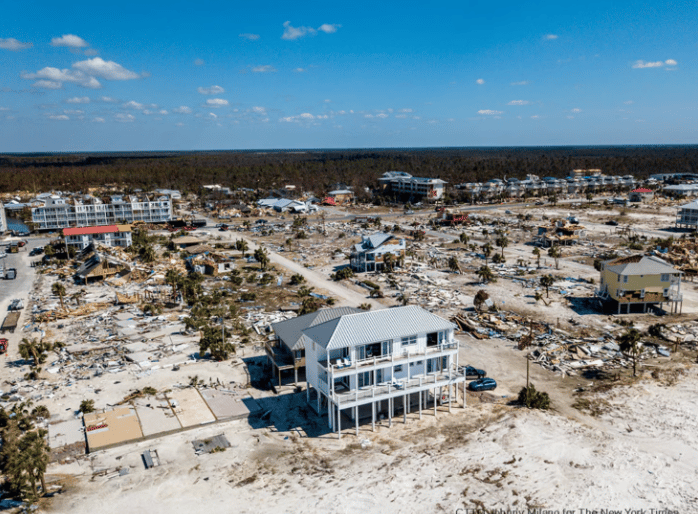
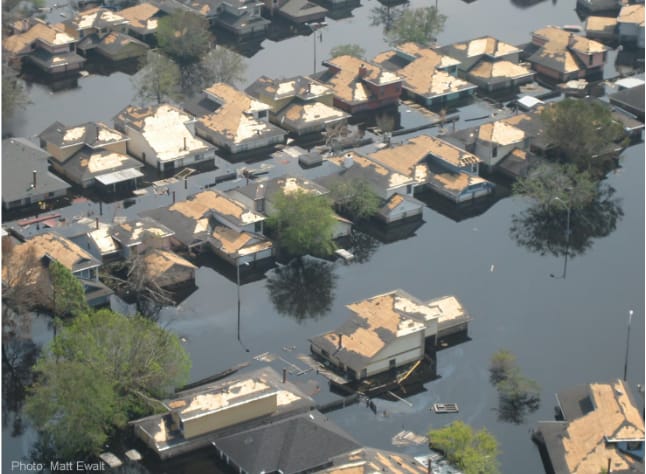
Short of moving your building or raising it up above flooding, the best approach to take to reduce storm, flooding and natural disaster losses is to simply use a proven coating to wind and waterproofthe surfaces in the path of destruction.

Tuesday, September 18, 2018
We recently passed the anniversary of 9-11-2001 tragedy of the attack on the Twin Towers in New York. I wanted to remind everyone that the effects of that fateful day are still being felt and especially by some of the heroes that were affected by the initial exposure and then the secondary exposure that took place during the cleanup. Some of those exposed were firefighters, police officers, EMTs (Emergency Medical Technician), construction workers, transit workers, cleanup workers, debris removal crews, truck drivers, nearby office workers, and Lower Manhattan residents.

Tuesday, August 21, 2018
I discussed in a recent blog the importance of keeping the aesthetics of a historic building intact. Making sure that the look and overall presentation on a structure is preserved is very significant. This is especially true with landmark properties that have prominent and distinct features. Preservation can become very difficult when it entails obsolete building materials that contain hazardous materials that are typically removed and replaced. Three of the most common of hazardous materials is lead-based paint, asbestos and PCBs. In the USA, lead was used in paints up until 1978. It then was banned for its negative health effects, especially with children in their developing stages. PCBs, or polychlorinated biphenyls, were banned from paints, caulking and surface coatings in 1979 and asbestos was banned in 1974. All these bans were due to the negative health and environmental effects of these products.

Tuesday, July 17, 2018
Lead Paint Poisoning is Preventable Through Education and Action