Blogs Where Nature Meets Science & Coatings
"If All the Greedy People that Pollute can get Together & Show Strength in Unity – then Honest, Environmentalists Must Do the Same. You See – It’s as Simple As That.” George C. Keefe - ENCASEMENT Guy
Blogs Where Nature Meets Science & Coatings
"If All the Greedy People that Pollute can get Together & Show Strength in Unity – then Honest, Environmentalists Must Do the Same. You See – It’s as Simple As That.” George C. Keefe - ENCASEMENT Guy
Tuesday, September 03, 2024
By: George C. Keefe
Note: The Author is an Environmentalist, Green Coatings Enthusiast, Contractor, Consultant, Vegan, Blogger, Podcaster. Protecting the Health of People & Planet. CEO & Founder at Global ENCASEMENT, Inc., Restoration & Management vs Removal & Replacement. Why Replace – Just Encase!
Listen and Learn: Dive into the Audio Version of Our Blog
In an era of unprecedented climate crisis, one might assume that governments worldwide would be doing everything in their power to curb the use of fossil fuels.
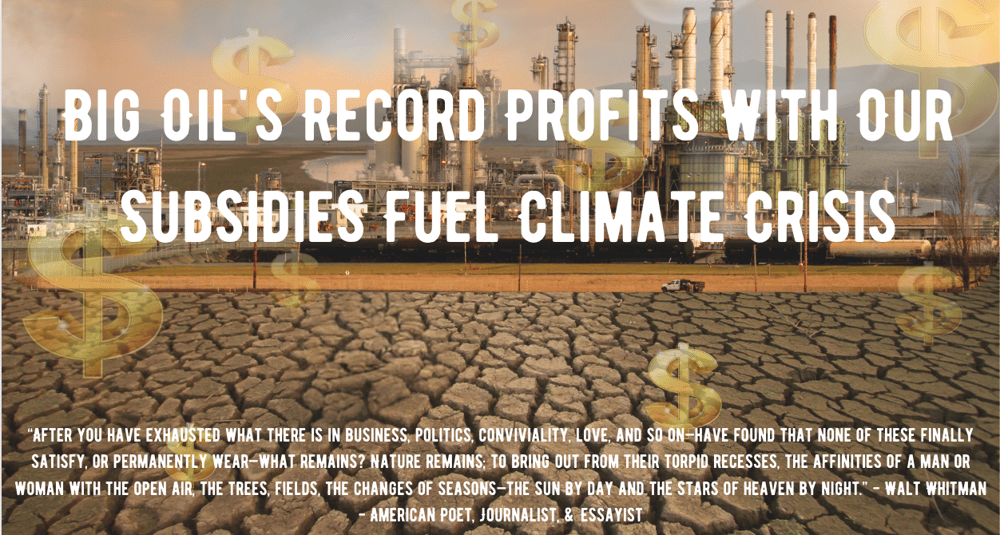
Yet, a shocking reality persists: Big oil’s dirty secret is the fossil fuel industry continues to receive substantial tax breaks and subsidies, even as it reports record-breaking profits and contributes significantly to environmental degradation.
In this episode I unveil how this contradiction raises important questions about our priorities as a society and the future of our planet.
The fossil fuel industry has long been a cornerstone of the global economy, providing energy that has fueled technological advancements and improved living standards for billions.
However, this progress has come at a steep cost to our environment.
The burning of fossil fuels is the primary driver of climate change, responsible for rising temperatures, extreme weather events, and the destabilization of ecosystems worldwide.
Despite overwhelming scientific evidence of the harm caused by fossil fuels, governments continue to provide financial support to this industry.
In 2020 alone, G20 countries funneled a staggering $584 billion into fossil fuel subsidies, according to a report by Bloomberg NEF.
This figure is particularly alarming when compared against the record profits reported by major oil and gas companies in recent years.
So why do these subsidies persist?
The reasons are complex and often deeply rooted in political and economic systems.
Proponents argue that subsidies help keep energy prices low for consumers and protect jobs in the fossil fuel sector.
However, critics point out that these short-term benefits come at the expense of long-term environmental and economic sustainability.
The continuation of fossil fuel subsidies not only undermines efforts to combat climate change but also diverts resources that could be invested in cleaner, renewable energy sources.
This misallocation of funds perpetuates our dependence on fossil fuels and slows the transition to a more sustainable energy future.
As tax paying citizens, we must question whether it's ethical to continue supporting an industry that profits from environmental destruction.
The true cost of fossil fuels extends far beyond the price at the pump, encompassing the health impacts of pollution, the economic toll of climate-related disasters, and the incalculable loss of biodiversity.
So, what can be done?
The solution lies in a multi-faceted approach that includes policy changes, technological innovation, and individual action.
Governments must phase out fossil fuel subsidies and redirect support towards renewable energy development.
Businesses and consumers alike need to prioritize eco-friendly alternatives in their daily operations and choices.
One area where significant progress can be made is in the construction and maintenance of our built environment.
The use of the right green coatings and encasement technologies offers a promising path forward.
These innovative products not only provide long-term, guaranteed, 20 year, renewable service cycles, protecting buildings from weathering and deterioration but also contribute to energy efficiency and reduced environmental impact.
The right green coatings, for instance, can reflect sunlight and heat, reducing the energy needed for cooling in buildings.
They can also help insulate your building, sealing leaks that allow energy loss.
By choosing these eco-friendly alternatives, we can protect our infrastructure while simultaneously reducing our carbon footprint.
Moreover, the shift towards the right green coatings and similar products creates a ripple effect throughout the economy.
It stimulates innovation, creates jobs in the green technology sector, and sends a clear message to industries that sustainability is not just a buzzword but a business imperative.
To Sum IT Up:
As we confront the reality of climate change, it's crucial to recognize that every choice we make – from the policies we support to the products we use – has an impact on our planet's future.
By demanding an end to fossil fuel subsidies and embracing the new opportunity of eco-friendly alternatives like the right green coatings, we can work towards a more sustainable and resilient world.
The transition away from fossil fuels won't be easy, but it's a necessary step if we hope to mitigate the worst effects of climate change.
It's time to realign our economic incentives with our environmental goals and invest in technologies that protect both people and the planet.
Only then can we hope to create a future where prosperity and environmental stewardship go hand in hand.
“After you have exhausted what there is in business, politics, conviviality, love, and so on—have found that none of these finally satisfy, or permanently wear—what remains? Nature remains; to bring out from their torpid recesses, the affinities of a man or woman with the open air, the trees, fields, the changes of seasons—the sun by day and the stars of heaven by night.” - Walt Whitman - American Poet, Journalist, & Essayist
What are your questions?
We are always here to help and excited to answer them.
Contact us at +1 (800) 266-3982 , or send us an email at service@encasement.com and leave a comment below.
See other posts like this one:
Thursday, July 30, 2020
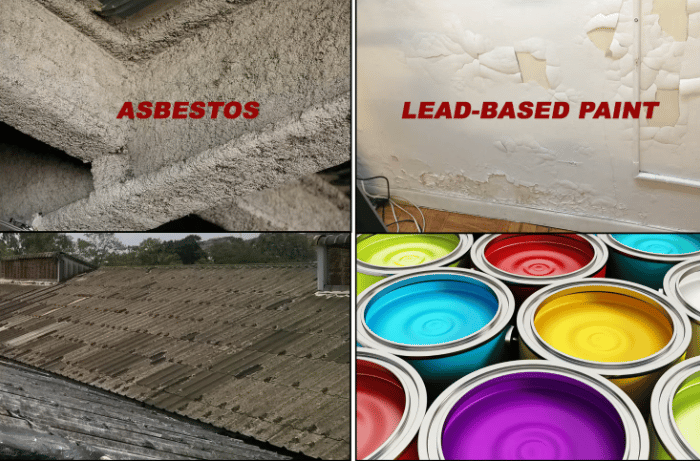
Asbestos and lead-based paint – you know them well. They lurk in older schools, housing complexes, military installations and other buildings, waiting silently to inflict disease and sometimes death on their occupants. Today, asbestos-containing materials (ACM) are found in over 700,000 buildings in the United States, and loose, flaking, or peeling lead-based paint (LBP) is present in more than 72 million United States homes, schools, and other buildings constructed before 1978.

Tuesday, May 12, 2020
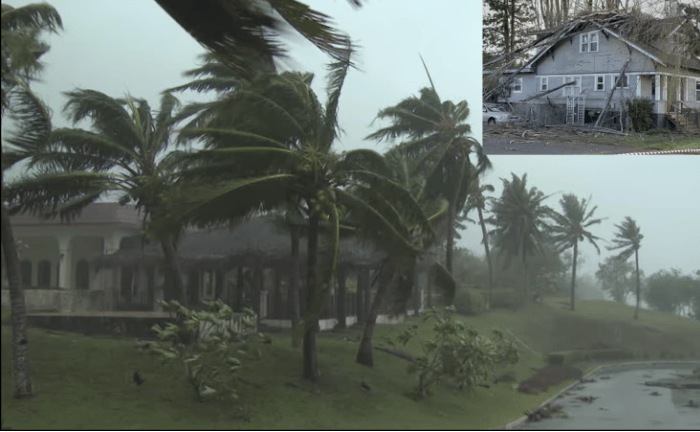
Every year damaging winds accompany hurricanes, typhoons and other strong wind events that leave a trail of destruction. Building and home owners are left with devastating huge building repairs and replacement costs. Some of these buildings can be salvaged and made stronger, defending against the next storm. Others are a complete write-off. It’s not unusual in all the destruction to see a building or house left standing with its roof and walls intact. This is usually a structure that is wind-resistant and better prepared to defend against a strong weather onslaught.

Wednesday, April 22, 2020
The first time I heard about Earth Day was when I was in the eighth grade and my well admired and clever science teacher opened up a discussion on the cons of earth day stating it was some sort of liberal nonsense and a hoax. This agitated most of the class.
Tuesday, April 14, 2020
Sustainable architecture is all about making sure that the buildings we get to live and work in do not have a negative impact on the environment.

Wednesday, March 25, 2020
I think we all agree that it’s so important to minimize the spread of germs. That is one of the most significant and preventative measures we can take.

Thursday, March 19, 2020
Do You Know Why the Right Protective Green Coating Resembles our Largest Organ? The right protective coating can protect all parts of a building just like the skin protects all parts of a body. Both are the first line of defense and without them both our bodies and buildings would be naked eventually causing a complete breakdown. Our largest organ, the skin on the outside of our bodies protects our muscles, organs, bones and brain from infections, sunlight, temperature extremes and other threats. The same is true with the right coating that covers the outside of a building protecting occupants and the structure itself. It prevents the deterioration of interior building components such as heating and cooling apparatus, plumbing, electric and furnishings.

Wednesday, February 19, 2020
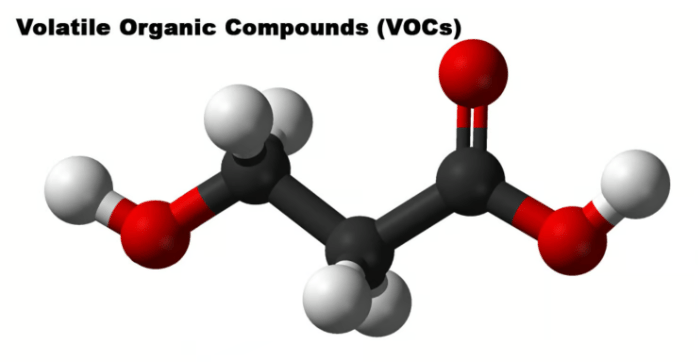
The true cost of a paint or coating is not just the price per gallon/liter. There are direct and indirect costs to consider.
Monday, February 03, 2020
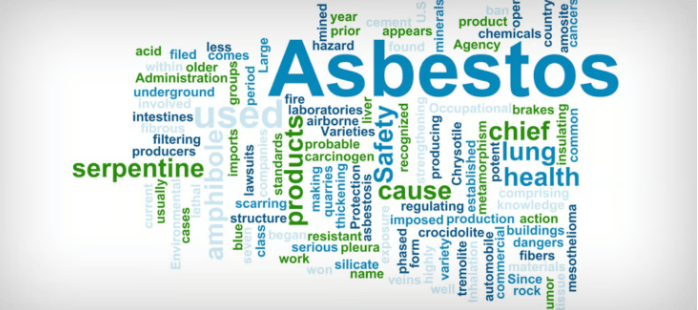
As I travel and work internationally, I encounter different aspects and opinions on asbestos. It has a long background of use in all types of situations and still widely used in building materials. To date, it is still mined and incorporated into many products in several countries. It is controversial at best. My goal is always to try and enlighten and not frighten about some of its uses and misconceptions. The fact is that as much as it is opposed and even outlawed in some parts of the world, it is still mined, exported and used in many others.
Friday, January 03, 2020
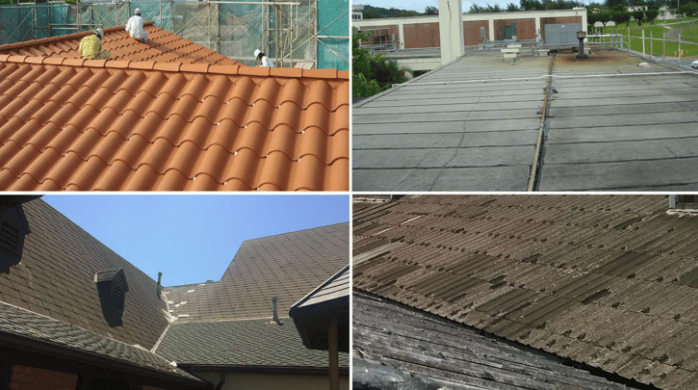
As I’ve studied the issues of what building components are the main culprits of polluting our environment of both soil and water along with generating the most waste, I’ve found that roofing can be a leading offender. This also includes air pollution if the roofing contains asbestos. Asbestos is a large content of many roofs and wall surfaces worldwide and its microscopic fibers are continually released into the environment as it breaks down.

Thursday, December 12, 2019
As I travel internationally and educate many on how to simply deal with solid hazardous materials and safely contain them with green coatings I’m always amazed how differently countries look at situations with building products and how to handle them.
Friday, November 29, 2019
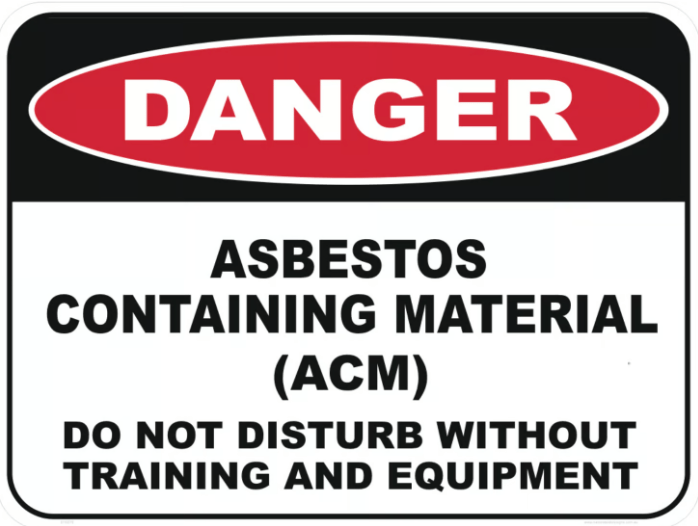
Asbestos – The three options when addressing asbestos in building materials are: first, full blown removal; second, do nothing and leave it alone; and the third, in-place management.