Blogs Where Nature Meets Science & Coatings
"If All the Greedy People that Pollute can get Together & Show Strength in Unity – then Honest, Environmentalists Must Do the Same. You See – It’s as Simple As That.” George C. Keefe - ENCASEMENT Guy
Blogs Where Nature Meets Science & Coatings
"If All the Greedy People that Pollute can get Together & Show Strength in Unity – then Honest, Environmentalists Must Do the Same. You See – It’s as Simple As That.” George C. Keefe - ENCASEMENT Guy
Wednesday, April 24, 2024

Listen and Learn: Dive into the Audio Version of Our Blog
In an era where climate change headlines are becoming increasingly alarming, one topic that might not immediately spring to mind is the environmental impact of the buildings we live and work in, specifically their roofs.
A deeper look using Life Cycle Assessment (LCA) reveals the comprehensive environmental footprint of materials from extraction through to disposal or recycling.
In this episode I make known how this process can profoundly influence our strategies for mitigating climate change, especially when considering the potential of sustainable roofing solutions like renewable, green coating encasement.
Life Cycle Assessment (LCA) is a method used to assess the environmental impacts associated with all the stages of a product's life from raw material extraction through materials processing, manufacture, distribution, use, repair and maintenance, and disposal or recycling.
By evaluating all these stages, LCA helps in making more informed choices about the products we use every day and their long-term impacts on our planet.
The construction industry, including roofing, plays a significant role in global environmental dynamics.
Traditional roofing materials like asphalt shingles, tiles, and metal have different life spans and ecological footprints that contribute to their total environmental impact.
For instance, the production of asphalt shingles involves significant fossil fuel consumption and emits a substantial amount of CO2.
On the other hand, while materials like metal might have higher initial energy costs for production, their longer lifespan and recyclability can offer lower long-term environmental impacts.
Roofing impacts the environment in another critical way: through the urban heat island effect.
Traditional dark-colored roofing materials absorb a large amount of solar heat, increasing the need for air conditioning and other mechanical systems in buildings and releasing more greenhouse gases into the atmosphere.
This is where the role of innovative roofing technologies, such as green coating encasement, comes into play.
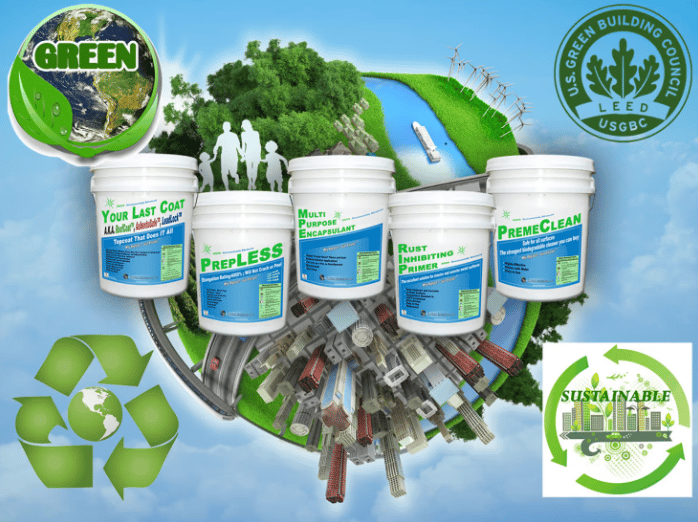
Green roofing encasement are sustainable roofing solutions designed to restore and extend the life of existing roofs while reducing a building's environmental impact.
These coatings are typically light-colored and highly reflective, significantly reducing the temperature of the roof surface and the overall heat absorption of buildings.
This reduction in heat absorption decreases the building's reliance on air conditioning, thus lowering energy consumption and CO2 emissions.
The service life of roofing materials is a crucial factor in their overall environmental assessment.
Most traditional roofing materials require replacement every 15 to 30 years, depending on material quality, installation, and weather conditions.
Each replacement cycle incurs new material, labor, and waste disposal costs, all of which contribute to the building's total environmental footprint.
Renewable green roof coatings, however, can add an indefinite amount of years of service life to an existing roof, delaying the environmental costs of replacement and disposal.
Renewable green coatings encasement have a minimal of 20 year life cycles and at the end of that service life cycle the same coatings are simply reapplied giving another minimal 20 year life cycle.
By encasing an existing roof with a renewable, sustainable green coatings, the need for frequent replacements disappears, which in turn conserves raw materials, reduces waste, and decreases greenhouse gas emissions.
These benefits are substantial in the context of global warming and climate change.
The impact of adopting green roofing technologies goes beyond individual buildings.
On a larger scale, widespread use of such sustainable practices can contribute significantly to reducing the global carbon footprint of the construction sector.
As more buildings adopt these eco-friendly solutions, we can expect a cumulative effect on mitigating climate change, making a significant stride toward sustainability.
To Sum It Up:
The use of LCA in evaluating roofing materials and technologies like green coating encasement offers a clearer picture of our environmental impact and presents a path forward in the fight against climate change.
As building owners and industry leaders become more aware of these options, the hope is that more sustainable choices will become standard practice, helping to secure a healthier planet for future generations.
"If working apart we're a force powerful enough to destabilise our planet, surely working together we are powerful enough to save it" - Sir David Attenborough
What are your questions?
We are always here to help and excited to answer them.
Contact us at +1 (800) 266-3982 , or send us an email at service@encasement.com and leave a comment below.
See other posts like this one:
Thursday, October 17, 2019
“No One is too small to make a difference.”
Tuesday, September 24, 2019
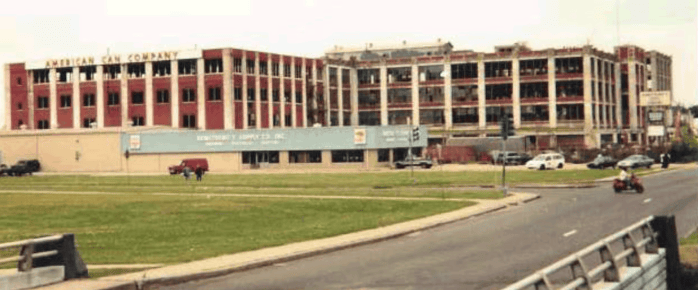
American Can Company Building transformed into soho style apartments
Tuesday, August 20, 2019
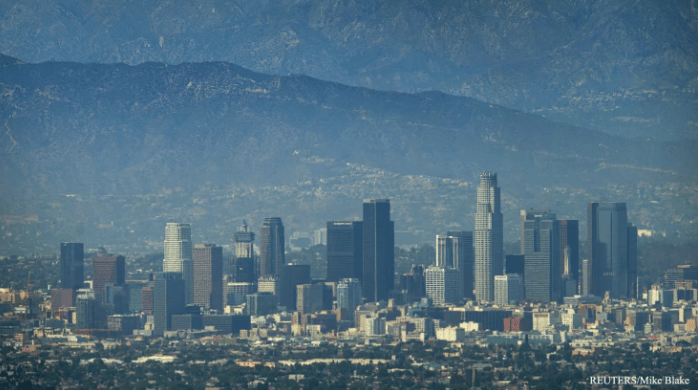
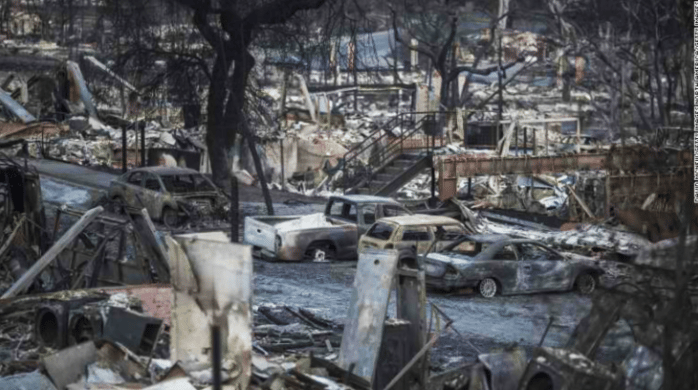
I’ve been having many discussions about the recent wildfires in California and how they pose environmental concerns after the initial threat has passed. The fallout from wildfires is immediate although much of the trouble continues when clean up starts. The cleanup can cause a whole set of concerns that can be dealt with using some simple solutions.
Thursday, August 01, 2019


Wednesday, June 26, 2019
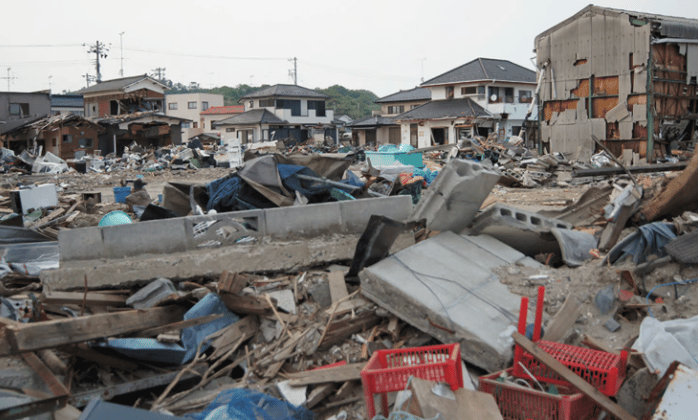
I’ve been camped out at the local hotel in Stilwell Oklahoma for the last few weeks. I was originally here to educate the Cherokee Tribe on how to safely in place manage the lead-based paint and asbestos in their buildings and housing. Also how to fortify their properties against heavy weather events and restore roofing. Things expanded from there as I came in just as the area was being hit with strong and disruptive weather.
Tuesday, May 28, 2019
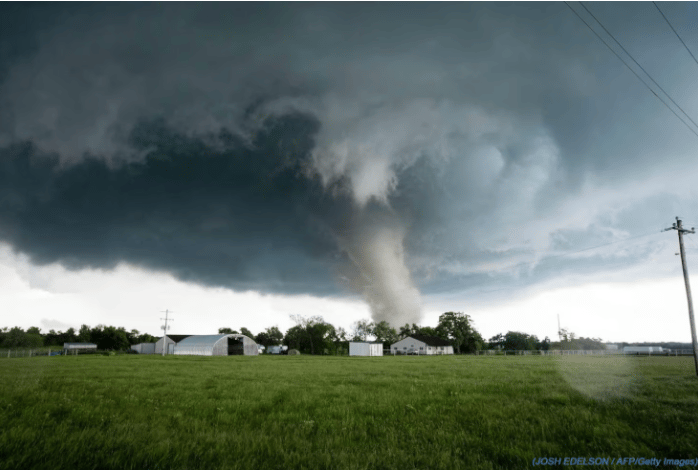
Have you ever heard of Tornado cough?

Saturday, May 18, 2019
Mavis is a personal friend of mine and I’m always so impressed with the important work she, her team and foundation are doing. She is so passionate about helping others and getting information out to educate all about exposure to asbestos and associated illnesses.