Blogs Where Nature Meets Science & Coatings
"If All the Greedy People that Pollute can get Together & Show Strength in Unity – then Honest, Environmentalists Must Do the Same. You See – It’s as Simple As That.” George C. Keefe - ENCASEMENT Guy
Blogs Where Nature Meets Science & Coatings
"If All the Greedy People that Pollute can get Together & Show Strength in Unity – then Honest, Environmentalists Must Do the Same. You See – It’s as Simple As That.” George C. Keefe - ENCASEMENT Guy
Wednesday, April 24, 2024

Listen and Learn: Dive into the Audio Version of Our Blog
In an era where climate change headlines are becoming increasingly alarming, one topic that might not immediately spring to mind is the environmental impact of the buildings we live and work in, specifically their roofs.
A deeper look using Life Cycle Assessment (LCA) reveals the comprehensive environmental footprint of materials from extraction through to disposal or recycling.
In this episode I make known how this process can profoundly influence our strategies for mitigating climate change, especially when considering the potential of sustainable roofing solutions like renewable, green coating encasement.
Life Cycle Assessment (LCA) is a method used to assess the environmental impacts associated with all the stages of a product's life from raw material extraction through materials processing, manufacture, distribution, use, repair and maintenance, and disposal or recycling.
By evaluating all these stages, LCA helps in making more informed choices about the products we use every day and their long-term impacts on our planet.
The construction industry, including roofing, plays a significant role in global environmental dynamics.
Traditional roofing materials like asphalt shingles, tiles, and metal have different life spans and ecological footprints that contribute to their total environmental impact.
For instance, the production of asphalt shingles involves significant fossil fuel consumption and emits a substantial amount of CO2.
On the other hand, while materials like metal might have higher initial energy costs for production, their longer lifespan and recyclability can offer lower long-term environmental impacts.
Roofing impacts the environment in another critical way: through the urban heat island effect.
Traditional dark-colored roofing materials absorb a large amount of solar heat, increasing the need for air conditioning and other mechanical systems in buildings and releasing more greenhouse gases into the atmosphere.
This is where the role of innovative roofing technologies, such as green coating encasement, comes into play.
Green roofing encasement are sustainable roofing solutions designed to restore and extend the life of existing roofs while reducing a building's environmental impact.
These coatings are typically light-colored and highly reflective, significantly reducing the temperature of the roof surface and the overall heat absorption of buildings.
This reduction in heat absorption decreases the building's reliance on air conditioning, thus lowering energy consumption and CO2 emissions.
The service life of roofing materials is a crucial factor in their overall environmental assessment.
Most traditional roofing materials require replacement every 15 to 30 years, depending on material quality, installation, and weather conditions.
Each replacement cycle incurs new material, labor, and waste disposal costs, all of which contribute to the building's total environmental footprint.
Renewable green roof coatings, however, can add an indefinite amount of years of service life to an existing roof, delaying the environmental costs of replacement and disposal.
Renewable green coatings encasement have a minimal of 20 year life cycles and at the end of that service life cycle the same coatings are simply reapplied giving another minimal 20 year life cycle.
By encasing an existing roof with a renewable, sustainable green coatings, the need for frequent replacements disappears, which in turn conserves raw materials, reduces waste, and decreases greenhouse gas emissions.
These benefits are substantial in the context of global warming and climate change.
The impact of adopting green roofing technologies goes beyond individual buildings.
On a larger scale, widespread use of such sustainable practices can contribute significantly to reducing the global carbon footprint of the construction sector.
As more buildings adopt these eco-friendly solutions, we can expect a cumulative effect on mitigating climate change, making a significant stride toward sustainability.
To Sum It Up:
The use of LCA in evaluating roofing materials and technologies like green coating encasement offers a clearer picture of our environmental impact and presents a path forward in the fight against climate change.
As building owners and industry leaders become more aware of these options, the hope is that more sustainable choices will become standard practice, helping to secure a healthier planet for future generations.
"If working apart we're a force powerful enough to destabilise our planet, surely working together we are powerful enough to save it" - Sir David Attenborough
What are your questions?
We are always here to help and excited to answer them.
Contact us at +1 (800) 266-3982 , or send us an email at service@encasement.com and leave a comment below.
See other posts like this one:
Thursday, July 30, 2020
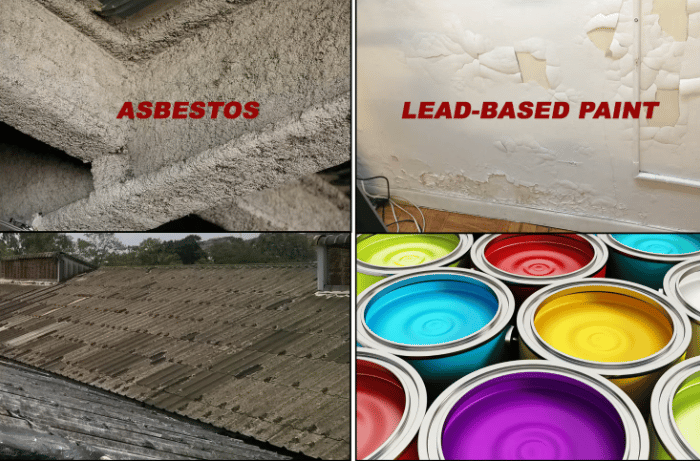
Asbestos and lead-based paint – you know them well. They lurk in older schools, housing complexes, military installations and other buildings, waiting silently to inflict disease and sometimes death on their occupants. Today, asbestos-containing materials (ACM) are found in over 700,000 buildings in the United States, and loose, flaking, or peeling lead-based paint (LBP) is present in more than 72 million United States homes, schools, and other buildings constructed before 1978.
Tuesday, May 12, 2020
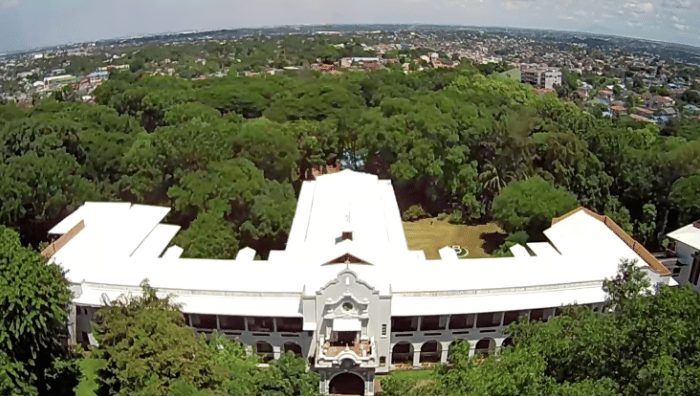
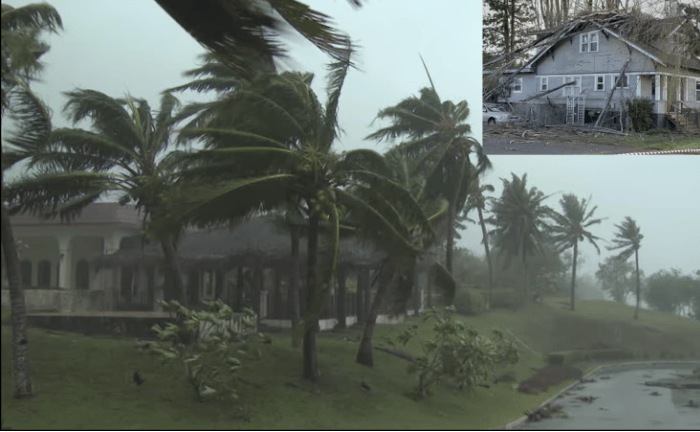
Every year damaging winds accompany hurricanes, typhoons and other strong wind events that leave a trail of destruction. Building and home owners are left with devastating huge building repairs and replacement costs. Some of these buildings can be salvaged and made stronger, defending against the next storm. Others are a complete write-off. It’s not unusual in all the destruction to see a building or house left standing with its roof and walls intact. This is usually a structure that is wind-resistant and better prepared to defend against a strong weather onslaught.

Wednesday, April 22, 2020
The first time I heard about Earth Day was when I was in the eighth grade and my well admired and clever science teacher opened up a discussion on the cons of earth day stating it was some sort of liberal nonsense and a hoax. This agitated most of the class.
Tuesday, April 14, 2020
Sustainable architecture is all about making sure that the buildings we get to live and work in do not have a negative impact on the environment.

Wednesday, March 25, 2020
I think we all agree that it’s so important to minimize the spread of germs. That is one of the most significant and preventative measures we can take.

Thursday, March 19, 2020
Do You Know Why the Right Protective Green Coating Resembles our Largest Organ? The right protective coating can protect all parts of a building just like the skin protects all parts of a body. Both are the first line of defense and without them both our bodies and buildings would be naked eventually causing a complete breakdown. Our largest organ, the skin on the outside of our bodies protects our muscles, organs, bones and brain from infections, sunlight, temperature extremes and other threats. The same is true with the right coating that covers the outside of a building protecting occupants and the structure itself. It prevents the deterioration of interior building components such as heating and cooling apparatus, plumbing, electric and furnishings.

Wednesday, February 19, 2020
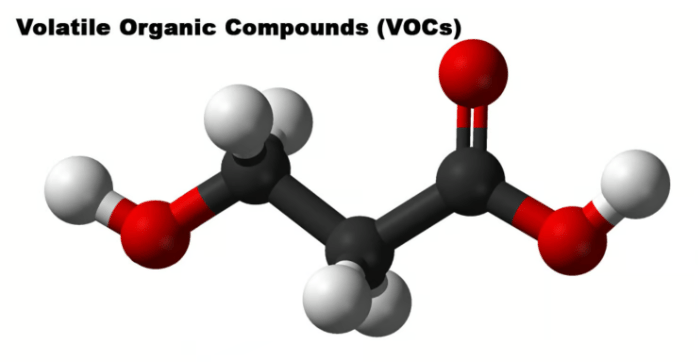
The true cost of a paint or coating is not just the price per gallon/liter. There are direct and indirect costs to consider.
Monday, February 03, 2020
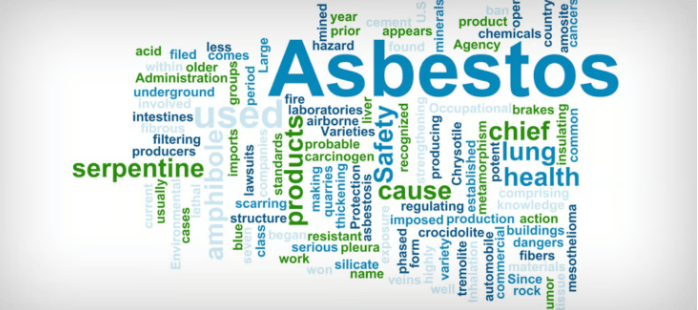
As I travel and work internationally, I encounter different aspects and opinions on asbestos. It has a long background of use in all types of situations and still widely used in building materials. To date, it is still mined and incorporated into many products in several countries. It is controversial at best. My goal is always to try and enlighten and not frighten about some of its uses and misconceptions. The fact is that as much as it is opposed and even outlawed in some parts of the world, it is still mined, exported and used in many others.
Friday, January 03, 2020
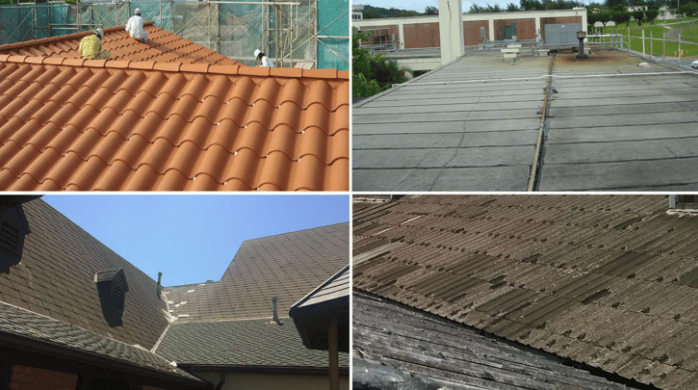
As I’ve studied the issues of what building components are the main culprits of polluting our environment of both soil and water along with generating the most waste, I’ve found that roofing can be a leading offender. This also includes air pollution if the roofing contains asbestos. Asbestos is a large content of many roofs and wall surfaces worldwide and its microscopic fibers are continually released into the environment as it breaks down.
Thursday, December 12, 2019
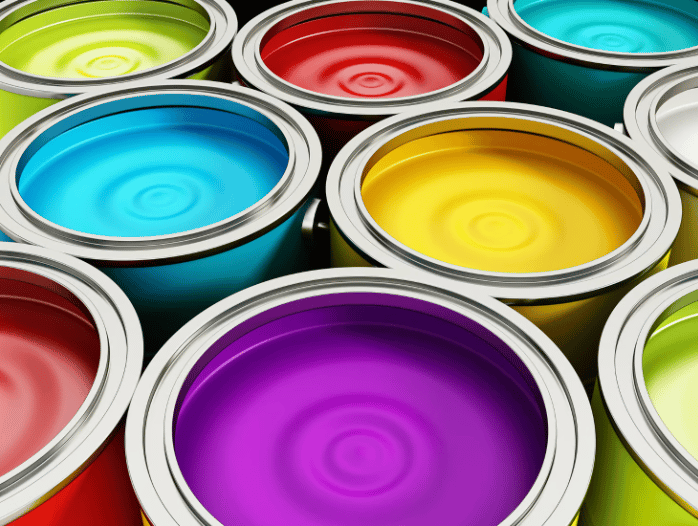
As I travel internationally and educate many on how to simply deal with solid hazardous materials and safely contain them with green coatings I’m always amazed how differently countries look at situations with building products and how to handle them.
Friday, November 29, 2019
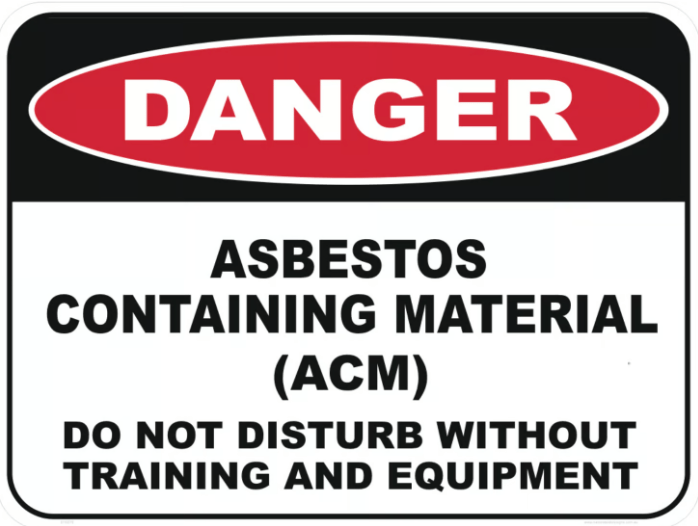
Asbestos – The three options when addressing asbestos in building materials are: first, full blown removal; second, do nothing and leave it alone; and the third, in-place management.