Blogs Where Nature Meets Science & Coatings
"If All the Greedy People that Pollute can get Together & Show Strength in Unity – then Honest, Environmentalists Must Do the Same. You See – It’s as Simple As That.” George C. Keefe - ENCASEMENT Guy
Blogs Where Nature Meets Science & Coatings
"If All the Greedy People that Pollute can get Together & Show Strength in Unity – then Honest, Environmentalists Must Do the Same. You See – It’s as Simple As That.” George C. Keefe - ENCASEMENT Guy
Tuesday, July 16, 2019

Listen and Learn: Dive into the Audio Version of Our Blog
These three components are equal parts. Much like how a three-legged stool needs all three equal legs to be stable. The use of Green Coatings Encasement directly addresses all three – people, planet and profit.

First Leg: People
It is important to provide living environment that contributes to the overall well-being of people.
This is accomplished by encasing buildings with a green, secure, energy-efficient building envelope.
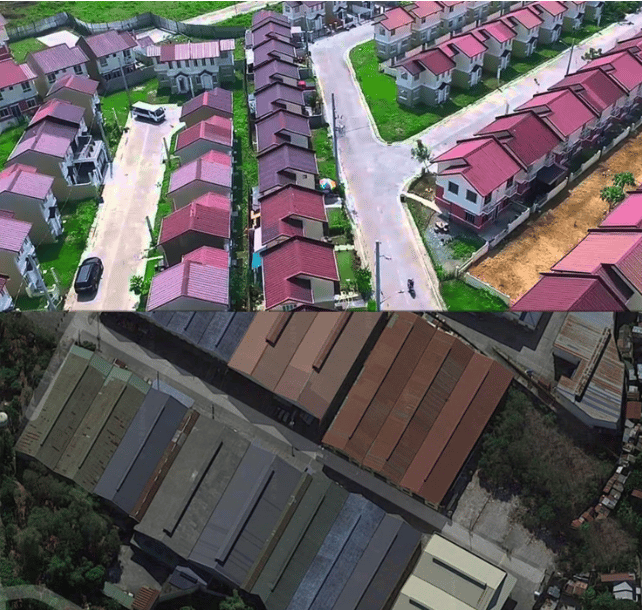
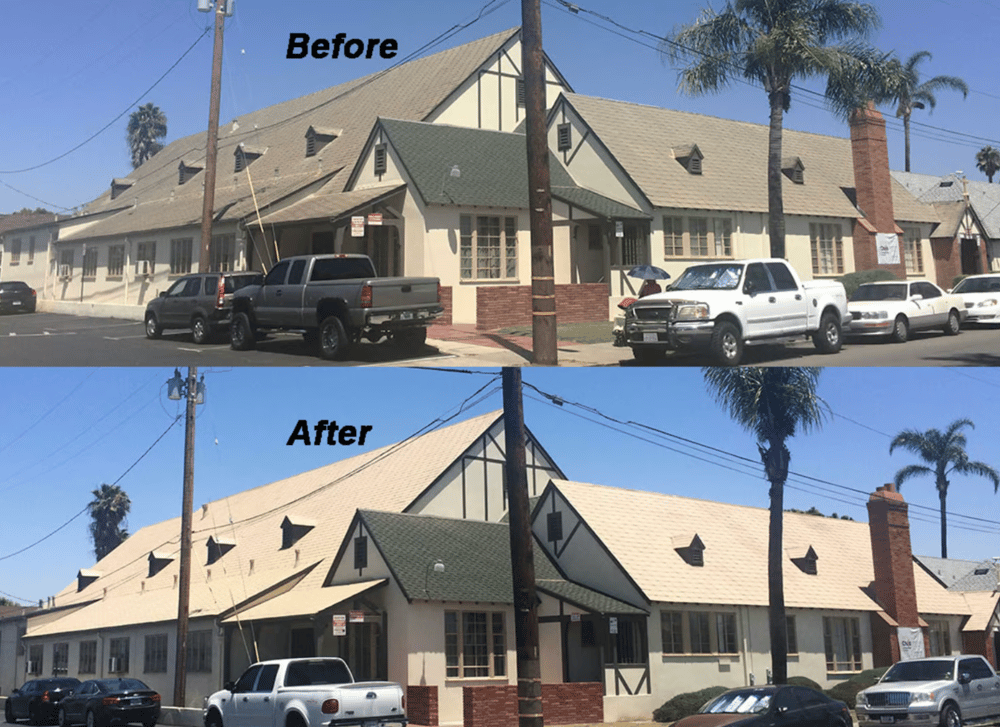
When green coatings encasement is properly applied, it can turn a toxic obsolete building into a green reconditioned property, effectively sealing out unwanted weather and successfully sealing in toxic contaminants.

Second Leg: Planet
Supporting the planet through environmental management entails helping stop pollution creation and resource depletion.
Green Coatings Encasement provides long-term solutions with at least a 20-year lifecycle and is simply renewed at the end of its service life.
This done by reapplying another coat, which will cross-link bond with the existing giving another 20 years of service.
The results? Never having to tear off a roof or demolish a building due to a worn-out surface or an end of service life.
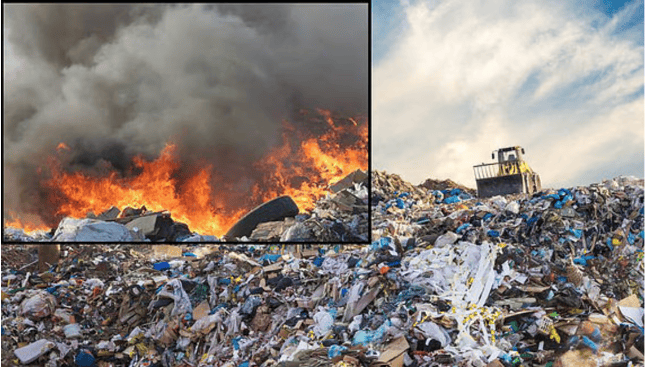
Restoring buildings, including roofs, through Green Coatings Encasement will minimize and stop the generation, transportation and storage of unwanted waste and helps lower atmospheric CO2 levels of greenhouse gases.

Third Leg: Profit
When properly installed, Green Coatings Encasement will save money, thereby increases profits. This is also known as ecological economics or eco-economics.
Restoration and in-place management alone provides 50% to 75% savings on direct cost over removal and replacement of building components.
This cost savings can be much higher when dealing with hazardous materials and when indirect costs associated with building downtime and personnel and contents relocation fees come into play.
That same money saved is often better reinvested on large long-term earnings.
These green coatings also conform with Green seal GS – 11\GS – 03 and are defined as super compliant architectural coatings according to the VOC compliancy standards set forth by the Southern California Air Quality Management District.
So as the market is transforming towards sustainable design, Green Coatings Encasement can also help a contractors cater to clients who are working to achieve LEED certification for their buildings.
Not to mention that it can also create jobs in a rapidly expanding building sector.
There is also great energy and money savings realized in terms of energy efficiency.
Green coatings encasement using solar reflective coatings keep buildings cooler, requiring less energy in its daily operation. This is especially true on roofs.
Specific green coatings are engineered to sustain attacks from rain, wind, sun, ultraviolet rays, salt sea spray, and other elements that can cause breakdown.
With this technology, applied coatings stay functional over extended periods of time and hold up under harsh conditions for at least 20 years.
Such green coatings encasement outperforms typical paints that have a 3-7 year service/life cycle - saving on both material and labor cost, and even more when dealing with old roofs and hazardous materials.
With all these benefits, green coatings encasement gives the highest lifetime return on investment on the property.
What are your questions?
We are always here to help and excited to answer them.
Contact us at +1 (800) 266-3982 , or send us an email at service@encasement.com and leave a comment below.
See other posts like this one:


Friday, November 16, 2018
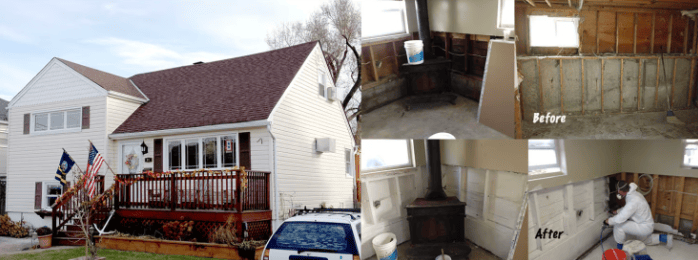
November is Lung Cancer Awareness Month including asbestos education, so this is a good time to raise awareness about preventing unnecessary exposure to asbestos that can cause lung cancer as well as contribute to other possible health concerns.
Wednesday, October 10, 2018
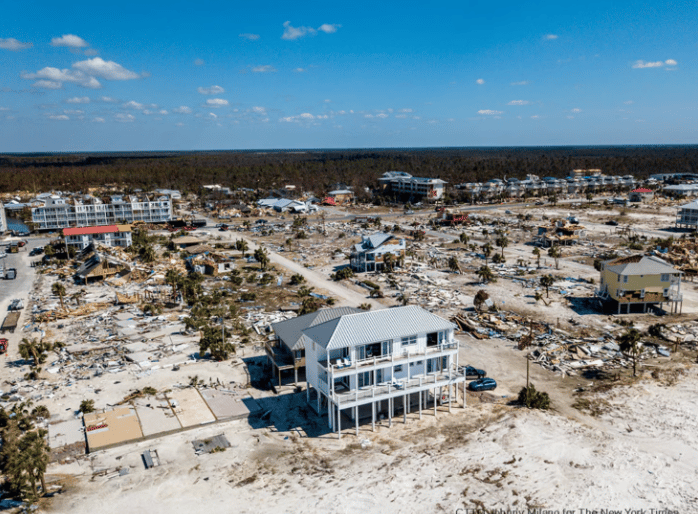
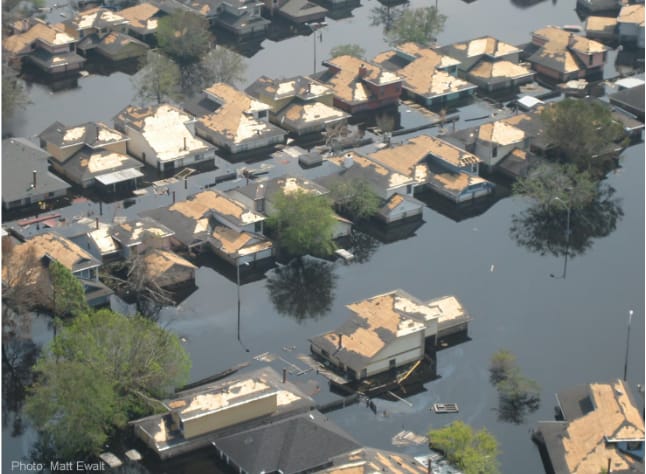
Short of moving your building or raising it up above flooding, the best approach to take to reduce storm, flooding and natural disaster losses is to simply use a proven coating to wind and waterproofthe surfaces in the path of destruction.

Tuesday, September 18, 2018
We recently passed the anniversary of 9-11-2001 tragedy of the attack on the Twin Towers in New York. I wanted to remind everyone that the effects of that fateful day are still being felt and especially by some of the heroes that were affected by the initial exposure and then the secondary exposure that took place during the cleanup. Some of those exposed were firefighters, police officers, EMTs (Emergency Medical Technician), construction workers, transit workers, cleanup workers, debris removal crews, truck drivers, nearby office workers, and Lower Manhattan residents.
Tuesday, August 21, 2018
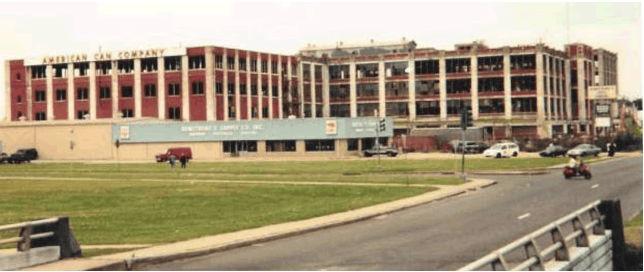
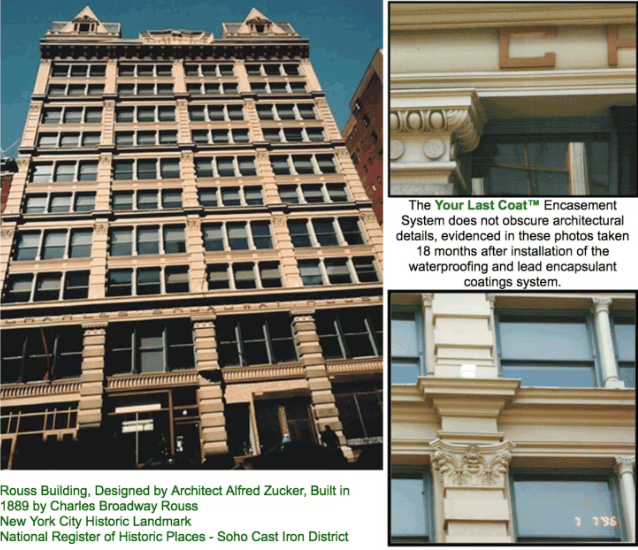
I discussed in a recent blog the importance of keeping the aesthetics of a historic building intact. Making sure that the look and overall presentation on a structure is preserved is very significant. This is especially true with landmark properties that have prominent and distinct features. Preservation can become very difficult when it entails obsolete building materials that contain hazardous materials that are typically removed and replaced. Three of the most common of hazardous materials is lead-based paint, asbestos and PCBs. In the USA, lead was used in paints up until 1978. It then was banned for its negative health effects, especially with children in their developing stages. PCBs, or polychlorinated biphenyls, were banned from paints, caulking and surface coatings in 1979 and asbestos was banned in 1974. All these bans were due to the negative health and environmental effects of these products.
Tuesday, July 17, 2018
Lead Paint Poisoning is Preventable Through Education and Action