Blogs Where Nature Meets Science & Coatings
"If All the Greedy People that Pollute can get Together & Show Strength in Unity – then Honest, Environmentalists Must Do the Same. You See – It’s as Simple As That.” George C. Keefe - ENCASEMENT Guy
Blogs Where Nature Meets Science & Coatings
"If All the Greedy People that Pollute can get Together & Show Strength in Unity – then Honest, Environmentalists Must Do the Same. You See – It’s as Simple As That.” George C. Keefe - ENCASEMENT Guy
Wednesday, August 16, 2023
In times of crisis, the power of innovation and collaboration becomes most evident. A remarkable illustration of this lies in the journey of myself and GEI (Global Encasement, Inc.), a 30 year, trailblazing manufacturer of high-performance, popular coatings that lock down and seal hazardous materials.
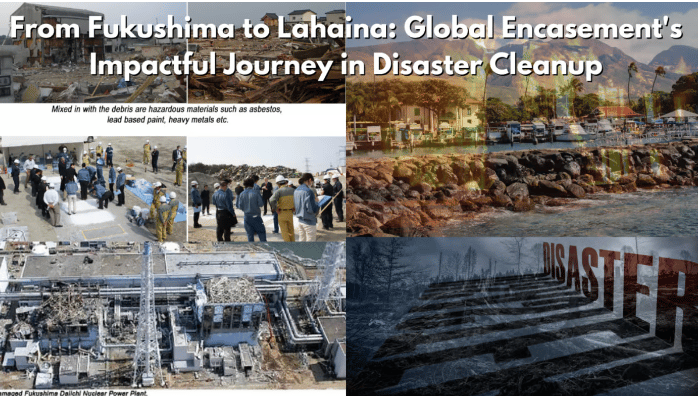
The story transcends continents, from the aftermath of the Fukushima Daiichi disaster in Japan to the current challenges faced by Lahaina, Hawaii, post-wildfire cleanup.
The Fukushima Daiichi Nuclear Power Plant's catastrophic encounter with a powerful tsunami caused by the Tohoku earthquake resulted in significant damage and the disastrous release of hazardous radiation due to a hydrogen explosion came a call for urgent solutions.
Amid the chaos, myself and our GEI (Global Encasement, Inc.) team swiftly offered our expertise and solutions, epitomizing the company's commitment to environmental safety and innovation.
GEI’s range of eco-friendly, non-toxic, biodegradable coatings solution proved to be an invaluable resource in managing hazardous dust and debris.
These environmental coatings possess exceptional properties, including superior adhesion, elongation, impact resistance, and the capacity to absorb, lock down, and prevent the release of toxic particles into the air and soil.
This was especially crucial in a scenario where all types of hazardous contaminants posed an immediate threat to both human health and the environment.
Contaminants such as harmful levels of heavy metals which include mercury, antimony, chromium, arsenic, cadmium, copper, lead and zinc.
This assortment of hazardous debris also contained electronic waste from computers, monitors, batteries and other toxic substances from, paints, polychlorinated biphenyls (PCBs) and asbestos.
The collaborative effort extended beyond geographical boundaries.
Myself and our volunteer team of experts quickly dispatched from the U.S & Japan., specializing in crisis management, conducted demonstrations in Fukushima, showcasing the coatings' effectiveness in containing toxic, hazardous dust and debris.
The positive outcome of these demonstrations earned the approval of the Japanese government & TEPCO (Tokyo Electric Power Company) prompting their adoption of the coatings for use at the Daiichi-Nuclear Power Plant site and surrounding areas.
A comprehensive system design was implemented, utilizing Global Encasement, Inc.'s MPE (Multi-Penetrating Encapsulant), PrepLESS Primer, and Your Last Coat.
This systematic, holistic approach enabled the management and sealing of toxic dust on surfaces, both walls and ground. The ingenious system allowed for sustained, lasting impact while facilitating the safe disposal of sealed debris.
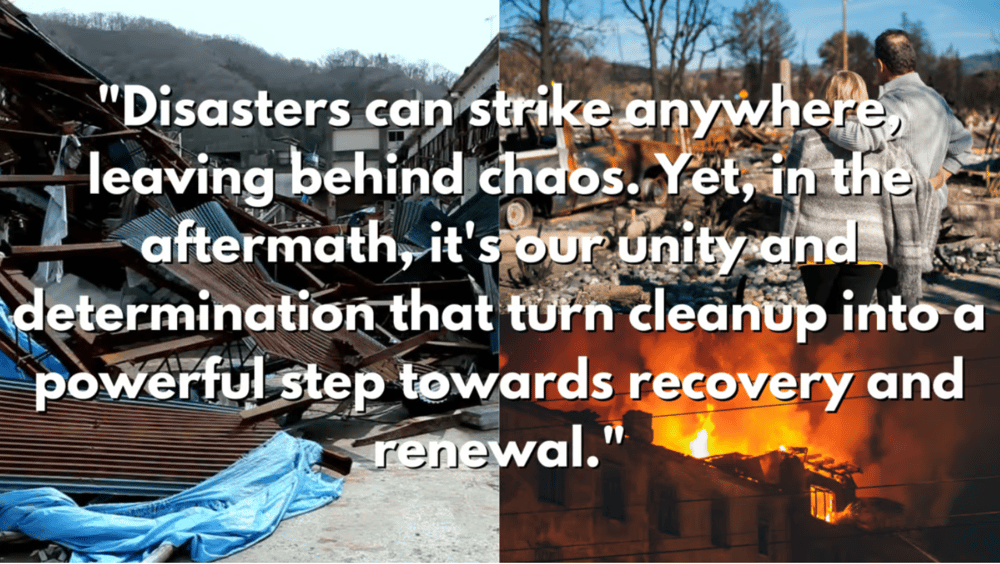
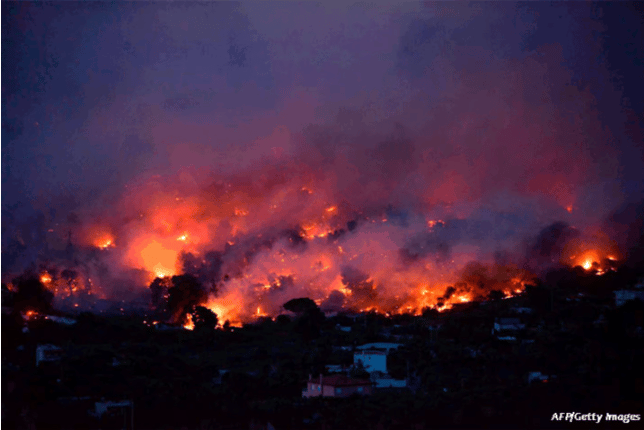
Fast forward to the present, Lahaina, Hawaii, faces its own set of current challenges following destructive wildfires. The remnants of these fires, including toxic debris and hazardous ash, necessitate a well-thought-out, systematic strategy for cleanup.
The experience gained from the Japanese, Fukushima Daiichi disaster holds valuable insights for Lahaina, emphasizing the importance of quick proactive solutions.
By adapting success to new challenges GEI's team and innovative coatings that played a pivotal role in containing radioactive, toxic contaminants are now poised to offer similar, successful benefits to Lahaina.
By converting the learnings and positive results achieved at Fukushima and numerous other sites, the community can harness the power of these coatings to mitigate environmental risks and protect public health during the challenging task of post-wildfire cleanup.
In the constant of disaster management, GEI’s journey echoes the significance of collaborative innovation, bridging gaps between geographical locations and challenges.
The lessons learned from one crisis pave the way for transformative, environmental solutions in others, emphasizing the unbeatable spirit of human ingenuity in safeguarding people, our environment and communities.
If you found our blog insightful and informative, please consider writing a review. Your review will not only help us improve but also assist others in discovering valuable information about the health benefits and environmental impact of solar reflective surfaces.
Share your thoughts and support our mission to create healthier, more sustainable communities.
George C. Keefe/ ENCASEMENT Guy
See other posts like this one:
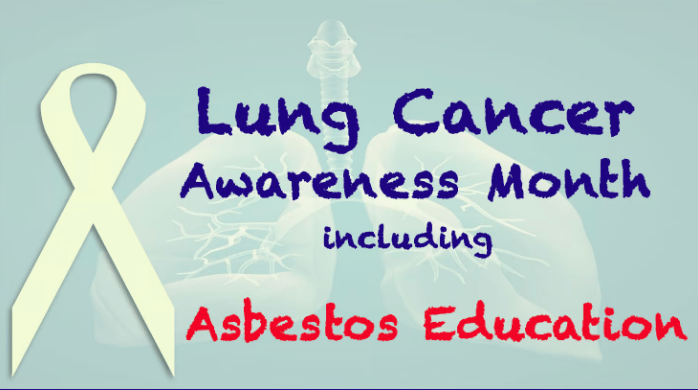
Friday, November 16, 2018
November is Lung Cancer Awareness Month including asbestos education, so this is a good time to raise awareness about preventing unnecessary exposure to asbestos that can cause lung cancer as well as contribute to other possible health concerns.
Wednesday, October 10, 2018
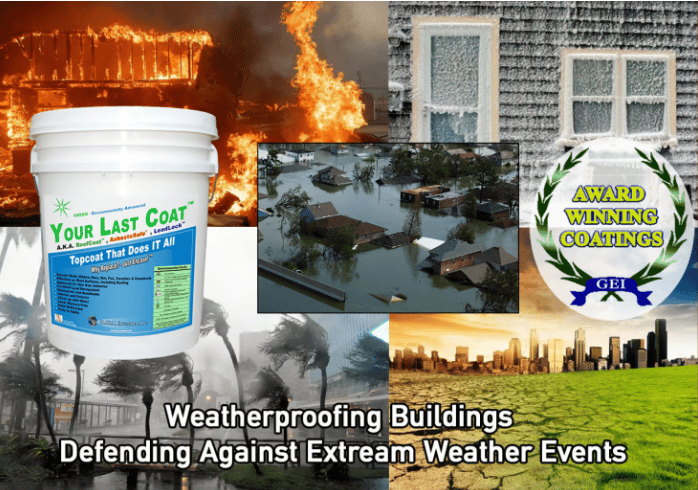
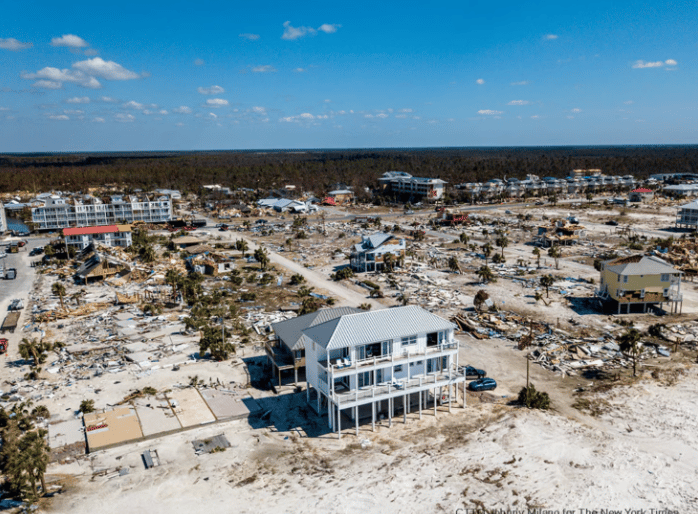
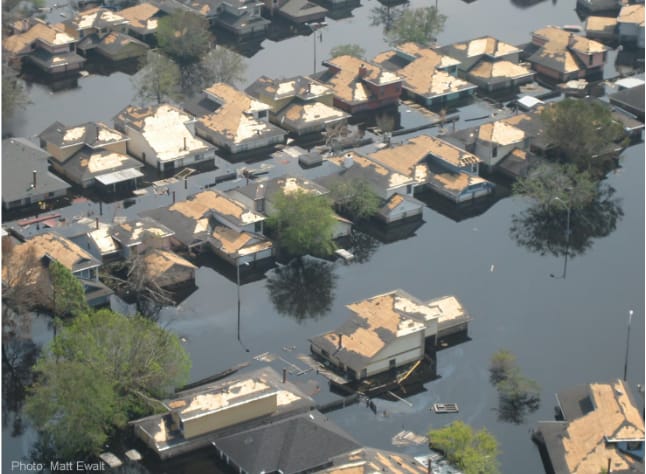
Short of moving your building or raising it up above flooding, the best approach to take to reduce storm, flooding and natural disaster losses is to simply use a proven coating to wind and waterproofthe surfaces in the path of destruction.

Tuesday, September 18, 2018
We recently passed the anniversary of 9-11-2001 tragedy of the attack on the Twin Towers in New York. I wanted to remind everyone that the effects of that fateful day are still being felt and especially by some of the heroes that were affected by the initial exposure and then the secondary exposure that took place during the cleanup. Some of those exposed were firefighters, police officers, EMTs (Emergency Medical Technician), construction workers, transit workers, cleanup workers, debris removal crews, truck drivers, nearby office workers, and Lower Manhattan residents.
Tuesday, August 21, 2018
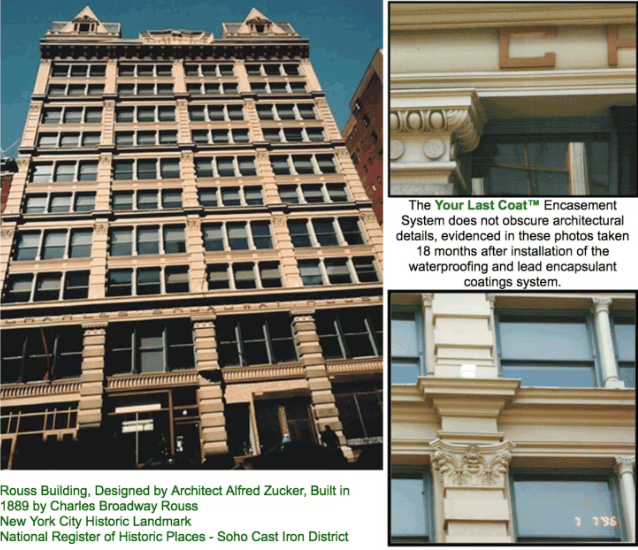
I discussed in a recent blog the importance of keeping the aesthetics of a historic building intact. Making sure that the look and overall presentation on a structure is preserved is very significant. This is especially true with landmark properties that have prominent and distinct features. Preservation can become very difficult when it entails obsolete building materials that contain hazardous materials that are typically removed and replaced. Three of the most common of hazardous materials is lead-based paint, asbestos and PCBs. In the USA, lead was used in paints up until 1978. It then was banned for its negative health effects, especially with children in their developing stages. PCBs, or polychlorinated biphenyls, were banned from paints, caulking and surface coatings in 1979 and asbestos was banned in 1974. All these bans were due to the negative health and environmental effects of these products.
Tuesday, July 17, 2018
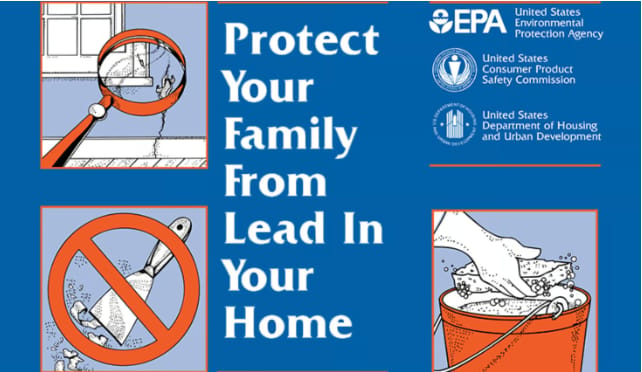
Lead Paint Poisoning is Preventable Through Education and Action