Blogs Where Nature Meets Science & Coatings
"If All the Greedy People that Pollute can get Together & Show Strength in Unity – then Honest, Environmentalists Must Do the Same. You See – It’s as Simple As That.” George C. Keefe - ENCASEMENT Guy
Blogs Where Nature Meets Science & Coatings
"If All the Greedy People that Pollute can get Together & Show Strength in Unity – then Honest, Environmentalists Must Do the Same. You See – It’s as Simple As That.” George C. Keefe - ENCASEMENT Guy
Wednesday, August 16, 2023
In times of crisis, the power of innovation and collaboration becomes most evident. A remarkable illustration of this lies in the journey of myself and GEI (Global Encasement, Inc.), a 30 year, trailblazing manufacturer of high-performance, popular coatings that lock down and seal hazardous materials.
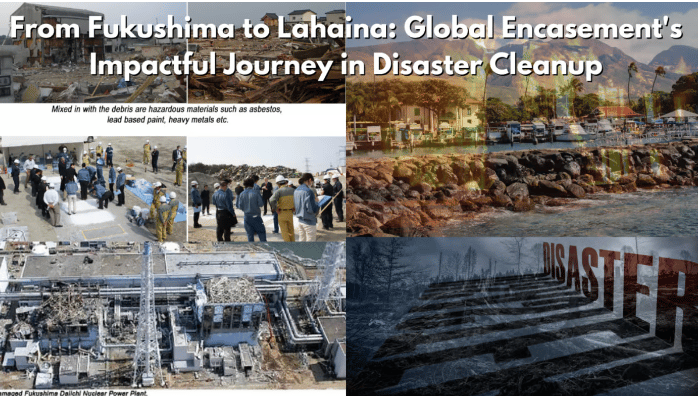
The story transcends continents, from the aftermath of the Fukushima Daiichi disaster in Japan to the current challenges faced by Lahaina, Hawaii, post-wildfire cleanup.
The Fukushima Daiichi Nuclear Power Plant's catastrophic encounter with a powerful tsunami caused by the Tohoku earthquake resulted in significant damage and the disastrous release of hazardous radiation due to a hydrogen explosion came a call for urgent solutions.
Amid the chaos, myself and our GEI (Global Encasement, Inc.) team swiftly offered our expertise and solutions, epitomizing the company's commitment to environmental safety and innovation.
GEI’s range of eco-friendly, non-toxic, biodegradable coatings solution proved to be an invaluable resource in managing hazardous dust and debris.
These environmental coatings possess exceptional properties, including superior adhesion, elongation, impact resistance, and the capacity to absorb, lock down, and prevent the release of toxic particles into the air and soil.
This was especially crucial in a scenario where all types of hazardous contaminants posed an immediate threat to both human health and the environment.
Contaminants such as harmful levels of heavy metals which include mercury, antimony, chromium, arsenic, cadmium, copper, lead and zinc.
This assortment of hazardous debris also contained electronic waste from computers, monitors, batteries and other toxic substances from, paints, polychlorinated biphenyls (PCBs) and asbestos.
The collaborative effort extended beyond geographical boundaries.
Myself and our volunteer team of experts quickly dispatched from the U.S & Japan., specializing in crisis management, conducted demonstrations in Fukushima, showcasing the coatings' effectiveness in containing toxic, hazardous dust and debris.
The positive outcome of these demonstrations earned the approval of the Japanese government & TEPCO (Tokyo Electric Power Company) prompting their adoption of the coatings for use at the Daiichi-Nuclear Power Plant site and surrounding areas.
A comprehensive system design was implemented, utilizing Global Encasement, Inc.'s MPE (Multi-Penetrating Encapsulant), PrepLESS Primer, and Your Last Coat.
This systematic, holistic approach enabled the management and sealing of toxic dust on surfaces, both walls and ground. The ingenious system allowed for sustained, lasting impact while facilitating the safe disposal of sealed debris.
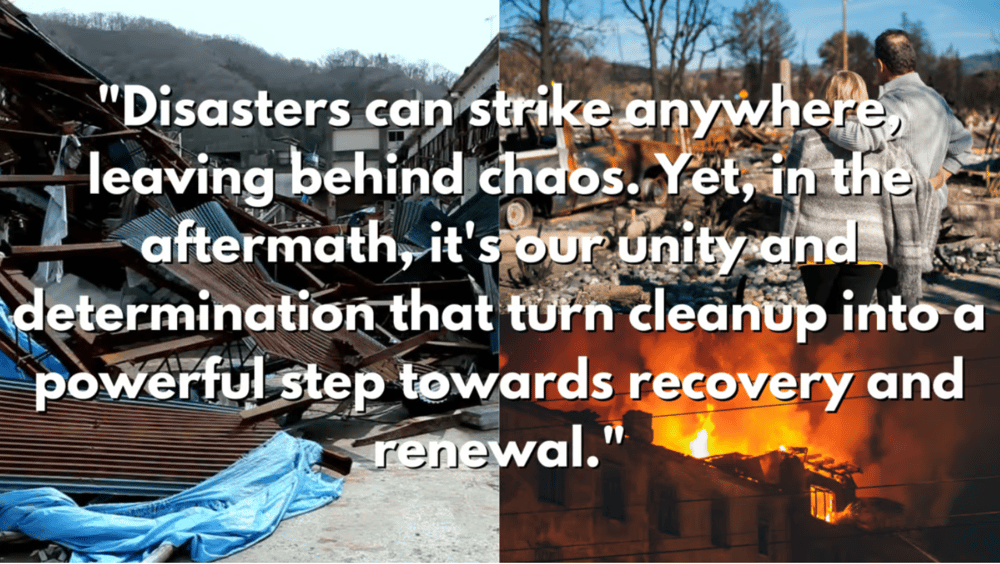
Fast forward to the present, Lahaina, Hawaii, faces its own set of current challenges following destructive wildfires. The remnants of these fires, including toxic debris and hazardous ash, necessitate a well-thought-out, systematic strategy for cleanup.
The experience gained from the Japanese, Fukushima Daiichi disaster holds valuable insights for Lahaina, emphasizing the importance of quick proactive solutions.
By adapting success to new challenges GEI's team and innovative coatings that played a pivotal role in containing radioactive, toxic contaminants are now poised to offer similar, successful benefits to Lahaina.
By converting the learnings and positive results achieved at Fukushima and numerous other sites, the community can harness the power of these coatings to mitigate environmental risks and protect public health during the challenging task of post-wildfire cleanup.
In the constant of disaster management, GEI’s journey echoes the significance of collaborative innovation, bridging gaps between geographical locations and challenges.
The lessons learned from one crisis pave the way for transformative, environmental solutions in others, emphasizing the unbeatable spirit of human ingenuity in safeguarding people, our environment and communities.
If you found our blog insightful and informative, please consider writing a review. Your review will not only help us improve but also assist others in discovering valuable information about the health benefits and environmental impact of solar reflective surfaces.
Share your thoughts and support our mission to create healthier, more sustainable communities.
George C. Keefe/ ENCASEMENT Guy
See other posts like this one:
Tuesday, September 01, 2020
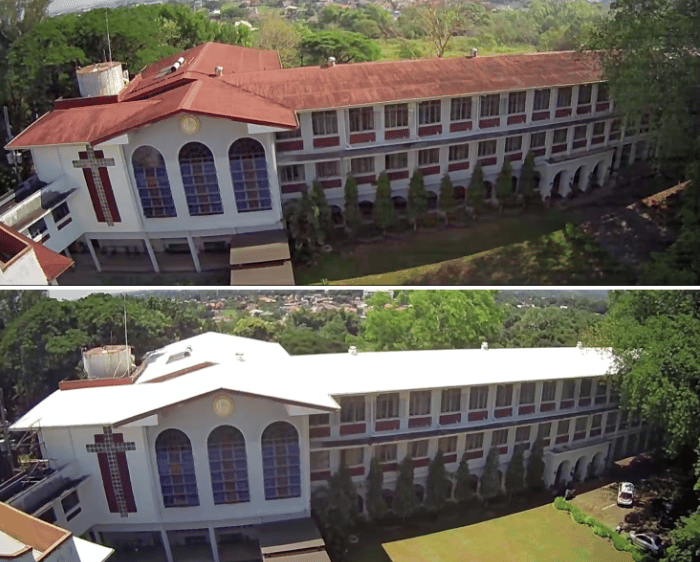
As weather becomes extremely unpredictable around the world, there is an urgent need to strengthen those places that protect us and our contents from harsh, rapidly changing climates.
Thursday, July 30, 2020
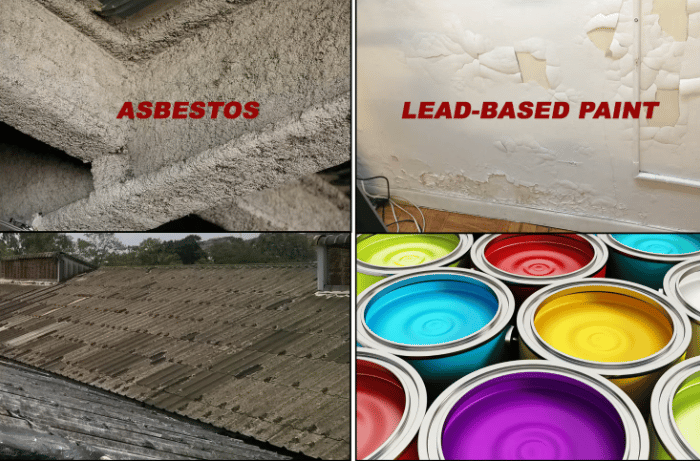
Asbestos and lead-based paint – you know them well. They lurk in older schools, housing complexes, military installations and other buildings, waiting silently to inflict disease and sometimes death on their occupants. Today, asbestos-containing materials (ACM) are found in over 700,000 buildings in the United States, and loose, flaking, or peeling lead-based paint (LBP) is present in more than 72 million United States homes, schools, and other buildings constructed before 1978.
Tuesday, May 12, 2020
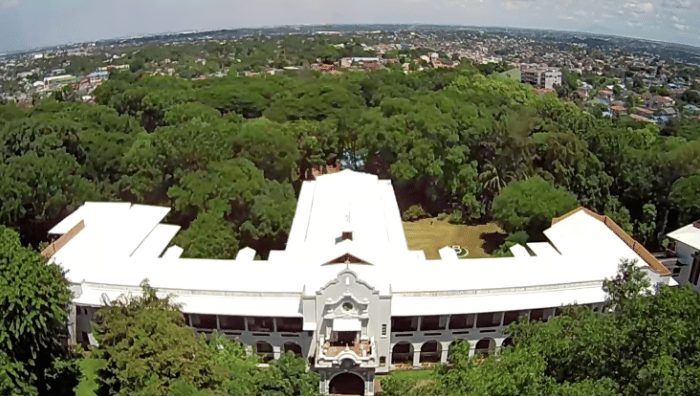
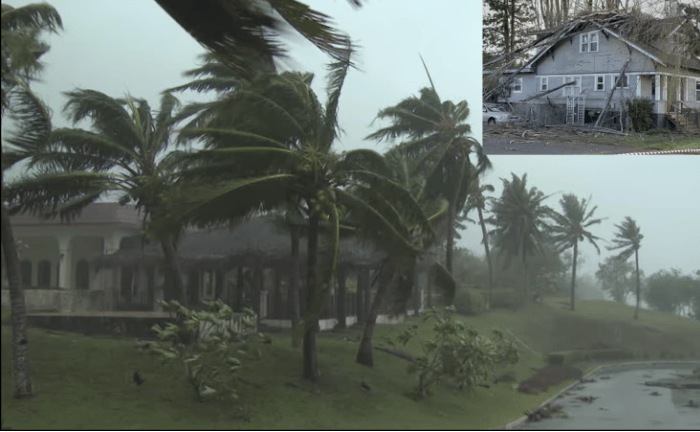
Every year damaging winds accompany hurricanes, typhoons and other strong wind events that leave a trail of destruction. Building and home owners are left with devastating huge building repairs and replacement costs. Some of these buildings can be salvaged and made stronger, defending against the next storm. Others are a complete write-off. It’s not unusual in all the destruction to see a building or house left standing with its roof and walls intact. This is usually a structure that is wind-resistant and better prepared to defend against a strong weather onslaught.

Wednesday, April 22, 2020
The first time I heard about Earth Day was when I was in the eighth grade and my well admired and clever science teacher opened up a discussion on the cons of earth day stating it was some sort of liberal nonsense and a hoax. This agitated most of the class.

Tuesday, April 14, 2020
Sustainable architecture is all about making sure that the buildings we get to live and work in do not have a negative impact on the environment.

Wednesday, March 25, 2020
I think we all agree that it’s so important to minimize the spread of germs. That is one of the most significant and preventative measures we can take.

Thursday, March 19, 2020
Do You Know Why the Right Protective Green Coating Resembles our Largest Organ? The right protective coating can protect all parts of a building just like the skin protects all parts of a body. Both are the first line of defense and without them both our bodies and buildings would be naked eventually causing a complete breakdown. Our largest organ, the skin on the outside of our bodies protects our muscles, organs, bones and brain from infections, sunlight, temperature extremes and other threats. The same is true with the right coating that covers the outside of a building protecting occupants and the structure itself. It prevents the deterioration of interior building components such as heating and cooling apparatus, plumbing, electric and furnishings.

Wednesday, February 19, 2020
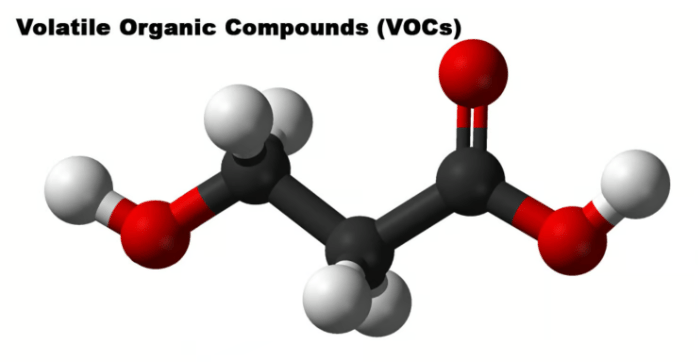
The true cost of a paint or coating is not just the price per gallon/liter. There are direct and indirect costs to consider.
Monday, February 03, 2020
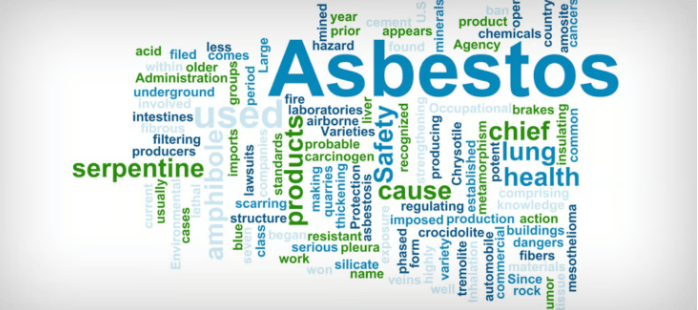
As I travel and work internationally, I encounter different aspects and opinions on asbestos. It has a long background of use in all types of situations and still widely used in building materials. To date, it is still mined and incorporated into many products in several countries. It is controversial at best. My goal is always to try and enlighten and not frighten about some of its uses and misconceptions. The fact is that as much as it is opposed and even outlawed in some parts of the world, it is still mined, exported and used in many others.
Friday, January 03, 2020
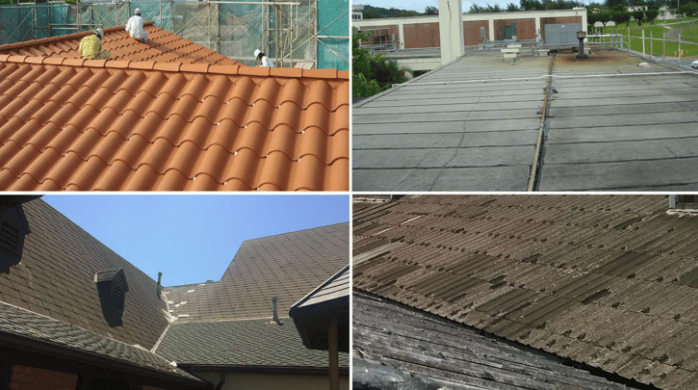
As I’ve studied the issues of what building components are the main culprits of polluting our environment of both soil and water along with generating the most waste, I’ve found that roofing can be a leading offender. This also includes air pollution if the roofing contains asbestos. Asbestos is a large content of many roofs and wall surfaces worldwide and its microscopic fibers are continually released into the environment as it breaks down.

Thursday, December 12, 2019
As I travel internationally and educate many on how to simply deal with solid hazardous materials and safely contain them with green coatings I’m always amazed how differently countries look at situations with building products and how to handle them.
Friday, November 29, 2019
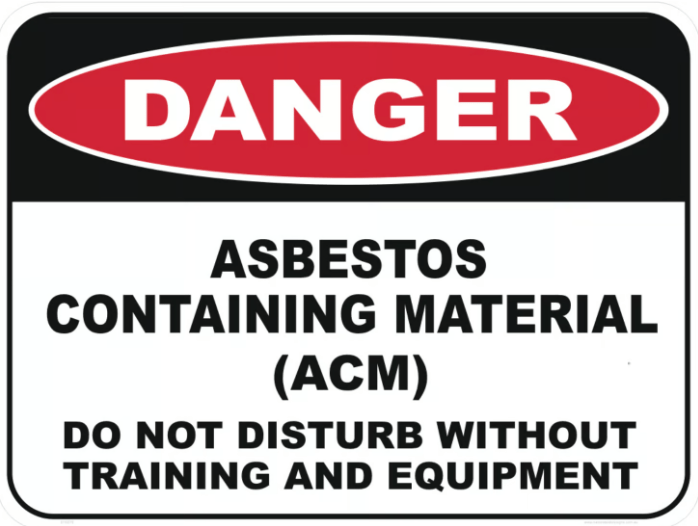
Asbestos – The three options when addressing asbestos in building materials are: first, full blown removal; second, do nothing and leave it alone; and the third, in-place management.