Blogs Where Nature Meets Science & Coatings
"If All the Greedy People that Pollute can get Together & Show Strength in Unity – then Honest, Environmentalists Must Do the Same. You See – It’s as Simple As That.” George C. Keefe - ENCASEMENT Guy
Blogs Where Nature Meets Science & Coatings
"If All the Greedy People that Pollute can get Together & Show Strength in Unity – then Honest, Environmentalists Must Do the Same. You See – It’s as Simple As That.” George C. Keefe - ENCASEMENT Guy
Friday, August 30, 2019
Listen and Learn: Dive into the Audio Version of Our Blog
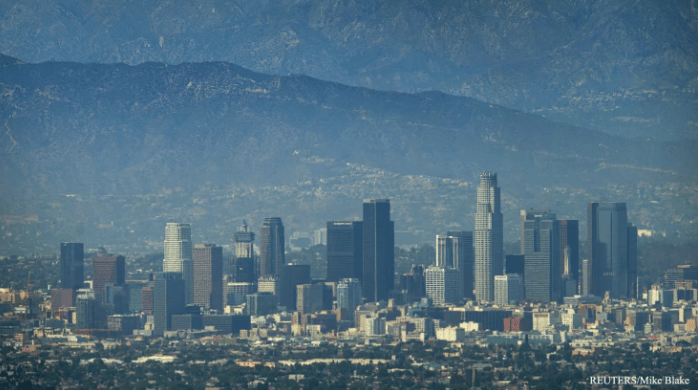
With August comes the hottest weather around the planet and this hot weather is increasing worldwide. In the USA alone more than a 150 million people were under extreme heat threat a-crossed 30 States.
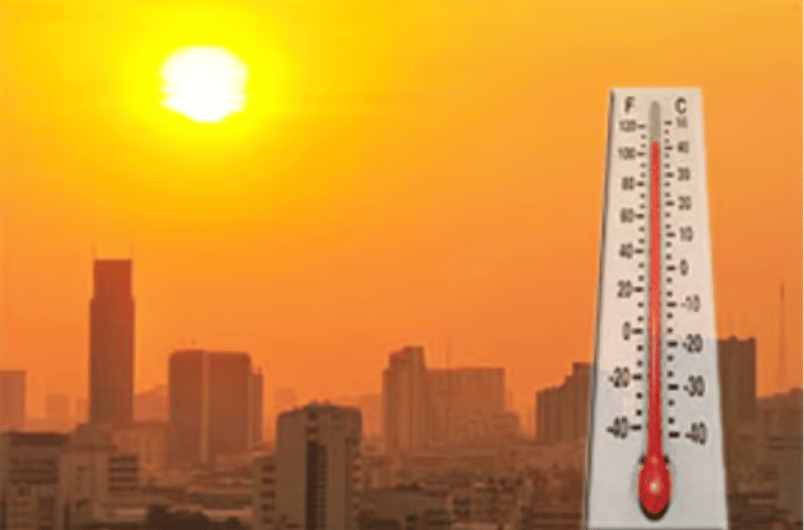
July statistics are now in and it is documented to be the hottest month on the planet ever put on record.
The scientific community agrees and is continuing to warn that accelerated global warming contributing to the increased sweltering temperatures and peak heat waves will continue to increase in duration and intensity.
Man-made surfaces and human activity play a part in heat generation along with the planet absorbing considerable amounts of that heat.
Did you know that dark surfaces greatly contribute to buildings pulling in heat? This leads to much more energy use and decreasing overall well-being of building occupants amounting to increased heat related illness and even death.
With this increasing hot weather and global warming comes the greater demand for energy used in cooling inside environments. This in turn creates more heat generation.
Some of the easiest ways to deal with keeping the inside of buildings cooler is to turn their outside surfaces light colored and solar reflective, especially roofs.
This simple, proven solution can save on energy costs while also helping minimize heat absorption onto the planet and causing what is known as the heat island effect. This effect occurs in cities where energy consumption is higher and manmade surfaces pull down and absorb heat at greater amounts then in rural areas
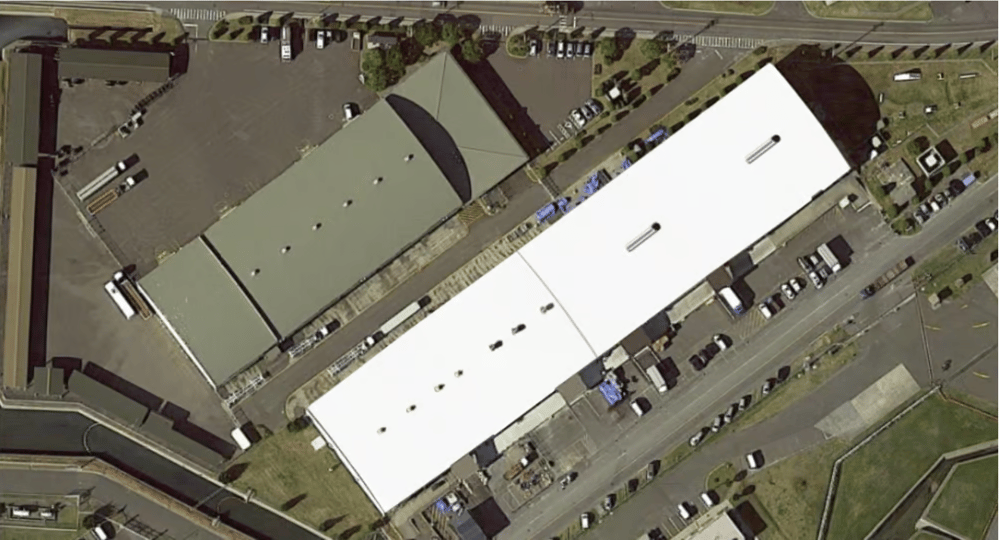
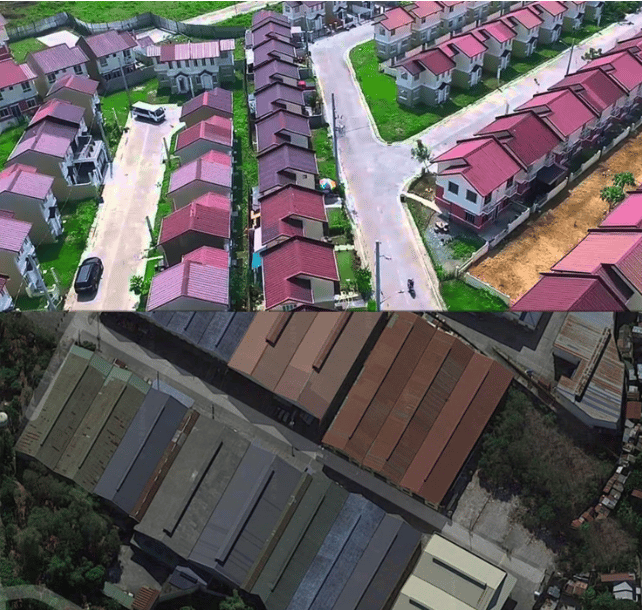
Two of the largest manmade surfaces that pull down the most heat into buildings and onto the planet in general are roofs and roads. They both contribute to the heat island effect.
Surfaces turned solar reflective are proven to reduce heat absorption. In the USA several states, counties and cities are turning both these surfaces, roof and roadways solar reflective, even to the point of mandating those actions.
Roofs can not only be simply turned solar reflective with a cheap paint but with the right industrial coating the roof can at the same time be sealed and waterproofed giving sustainable protection against leaks, breakdown from ultra violet rays and weather degradation while simply adding defensive protection against stronger weather events.
Another plus of coating and sealing your worn-out roof with the right product is that the old roofing material never needs to be torn off, generating waste that needs to be transported and stored in overflowing heat/CO2 generating, landfills.
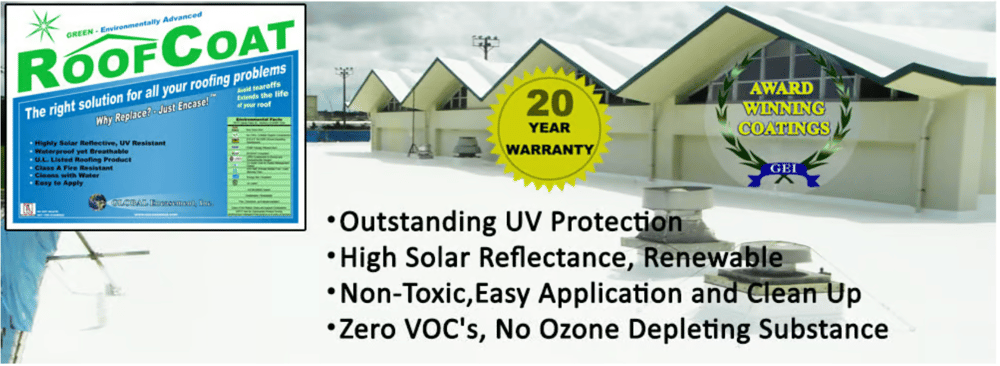
Coating building exteriors and roofs with the right proven green product that is sustainable, renewable and solar reflective can save tremendous amounts of energy/money. In addition, it can greatly contribute to occupants well-being and overall that is what is best for people, buildings and the planet.
What are your questions?
We are always here to help and excited to answer them.
Contact us at +1 (800) 266-3982 , or send us an email at service@encasement.com and leave a comment below.
See other posts like this one:
Friday, November 16, 2018
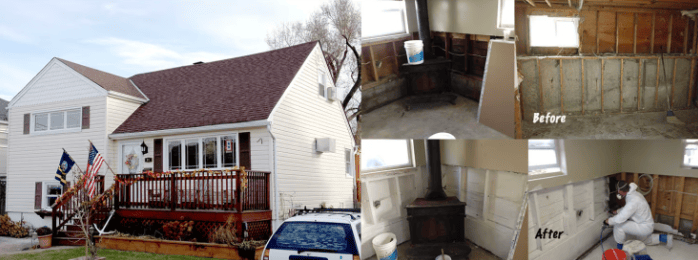
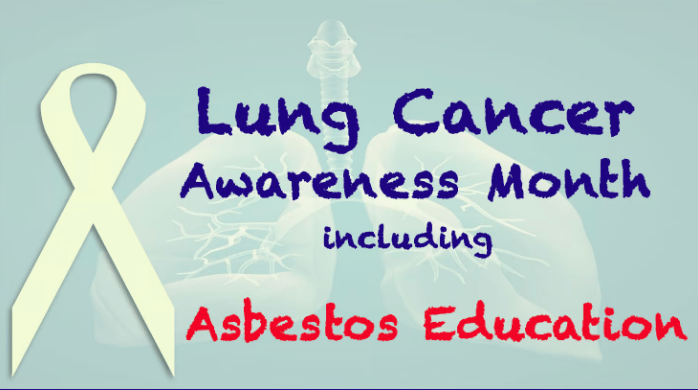
November is Lung Cancer Awareness Month including asbestos education, so this is a good time to raise awareness about preventing unnecessary exposure to asbestos that can cause lung cancer as well as contribute to other possible health concerns.
Wednesday, October 10, 2018
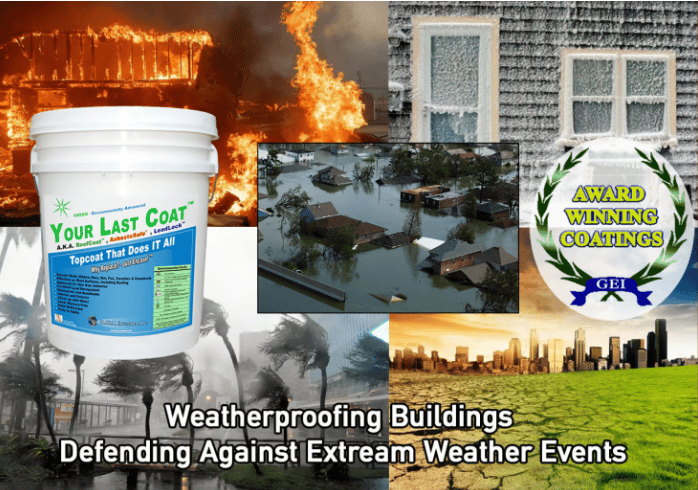
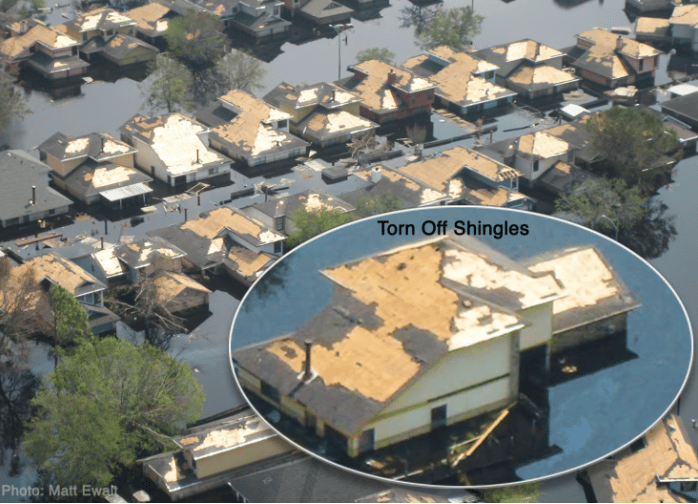
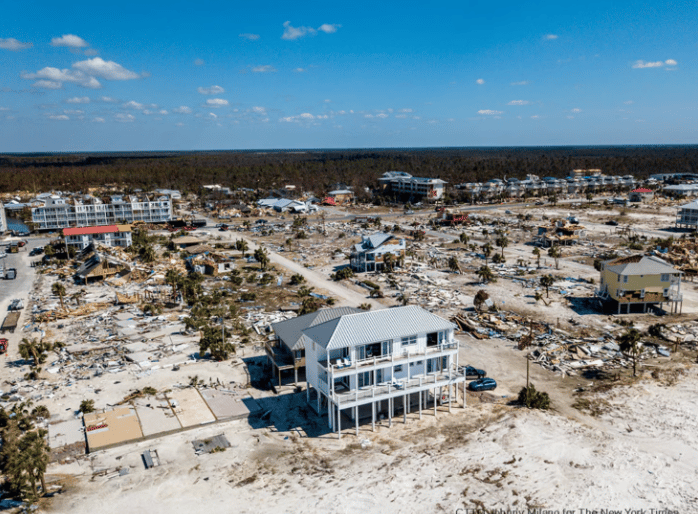
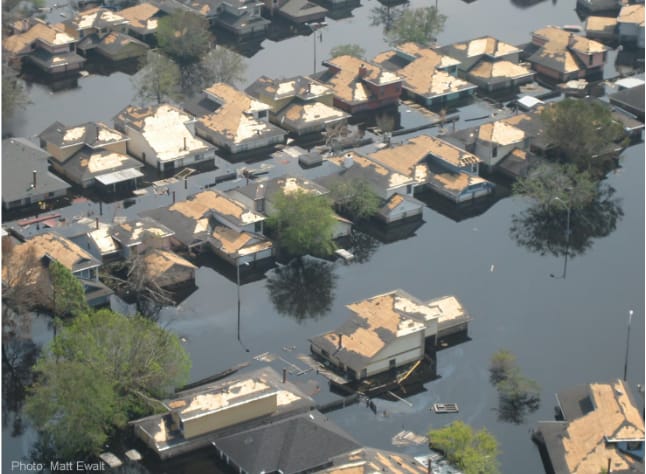
Short of moving your building or raising it up above flooding, the best approach to take to reduce storm, flooding and natural disaster losses is to simply use a proven coating to wind and waterproofthe surfaces in the path of destruction.
Tuesday, September 18, 2018
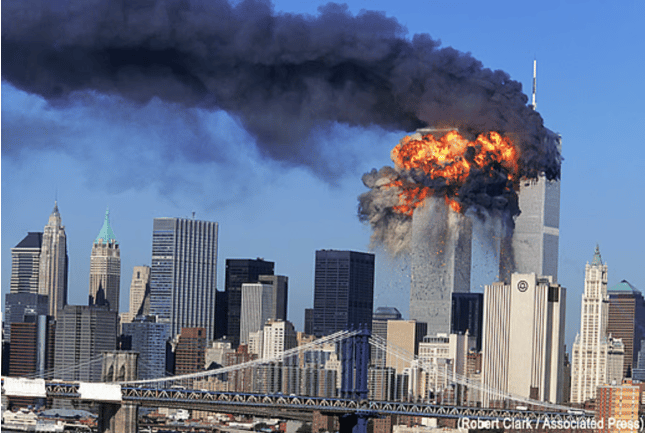
We recently passed the anniversary of 9-11-2001 tragedy of the attack on the Twin Towers in New York. I wanted to remind everyone that the effects of that fateful day are still being felt and especially by some of the heroes that were affected by the initial exposure and then the secondary exposure that took place during the cleanup. Some of those exposed were firefighters, police officers, EMTs (Emergency Medical Technician), construction workers, transit workers, cleanup workers, debris removal crews, truck drivers, nearby office workers, and Lower Manhattan residents.
Tuesday, August 21, 2018
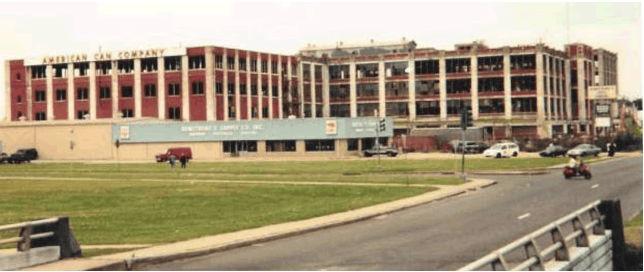
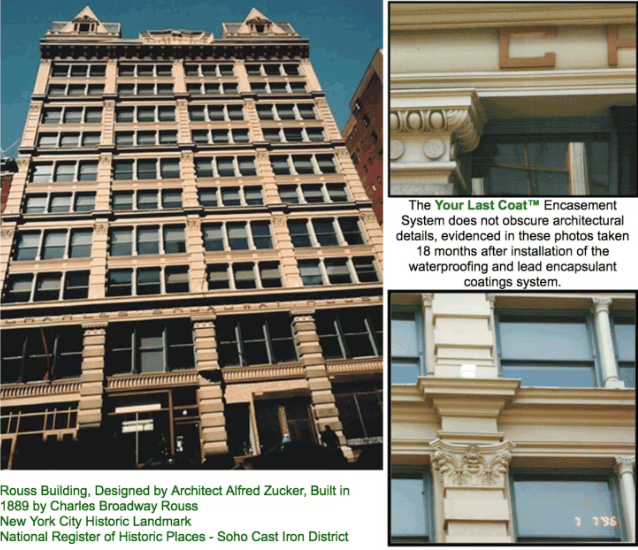
I discussed in a recent blog the importance of keeping the aesthetics of a historic building intact. Making sure that the look and overall presentation on a structure is preserved is very significant. This is especially true with landmark properties that have prominent and distinct features. Preservation can become very difficult when it entails obsolete building materials that contain hazardous materials that are typically removed and replaced. Three of the most common of hazardous materials is lead-based paint, asbestos and PCBs. In the USA, lead was used in paints up until 1978. It then was banned for its negative health effects, especially with children in their developing stages. PCBs, or polychlorinated biphenyls, were banned from paints, caulking and surface coatings in 1979 and asbestos was banned in 1974. All these bans were due to the negative health and environmental effects of these products.
Tuesday, July 17, 2018
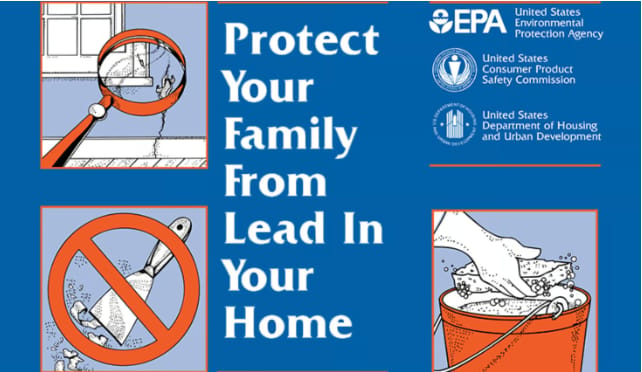
Lead Paint Poisoning is Preventable Through Education and Action