Blogs Where Nature Meets Science & Coatings
"If All the Greedy People that Pollute can get Together & Show Strength in Unity – then Honest, Environmentalists Must Do the Same. You See – It’s as Simple As That.” George C. Keefe - ENCASEMENT Guy
Blogs Where Nature Meets Science & Coatings
"If All the Greedy People that Pollute can get Together & Show Strength in Unity – then Honest, Environmentalists Must Do the Same. You See – It’s as Simple As That.” George C. Keefe - ENCASEMENT Guy
Friday, April 19, 2019
Listen and Learn: Dive into the Audio Version of Our Blog
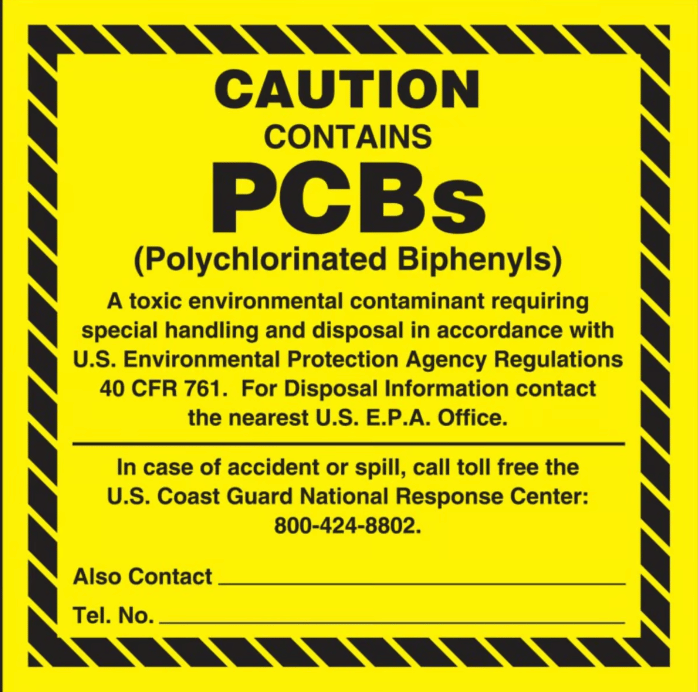
PCB's (PolyChlorinated Biphenyls) are another, obsolete building material that can create both health and financial risks. Like lead based paint this construction component was also banned in the USA in 1978.
Asbestos was banned 4 years earlier in 1974.
Due to the fact that PCB’s don’t easily degrade or break down made them a popular ingredient and was predominately used in numerous construction materials for industrial use.
Even though the USA banned the materials decades ago, it is still widely used worldwide and continues to expose many to its harmful environmental effects.
Like other outdated hazardous building materials such as asbestos and lead-based paint, PCB’s are still in place and unfortunately there is no way to practically remove them all.
If not properly controlled they will subject many to far reaching and damaging health effects along with financial liabilities.
This is especially concerning in schools, hospitals and other public buildings where the risk of health and financial exposer is greater than in other typical buildings.
The more people are educated about the concerns of exposure the greater the chance of avoiding and mitigating that exposure.
The first thing to know is that PCB’s come in both solid and liquid forms and need to be dealt with differently.
For this discussion, we are looking at the solid form of PCB’s and how there is a simple and safe way to control them to avoid exposure.
I’ve personally been on projects where the coatings on a building contained all three solid hazardous materials, PCB’s, Asbestos and Lead-Based Paint.
The release of these toxic materials become more likely over time with those materials breaking down after attack from weather, UV (ultra violet) rays, building movement due to vibration, expansion and contraction along with other environmental factors such as acid rain, chemical air pollution, etc.
The first step is to identify the offending material and then contain it. This can be accomplished by covering and sealing it in place with a simple and hopefully green coating.
Although any coating will seal it in, only a sustainable, industrial coating with specific characteristics that is designed and tested for that use should be implemented.
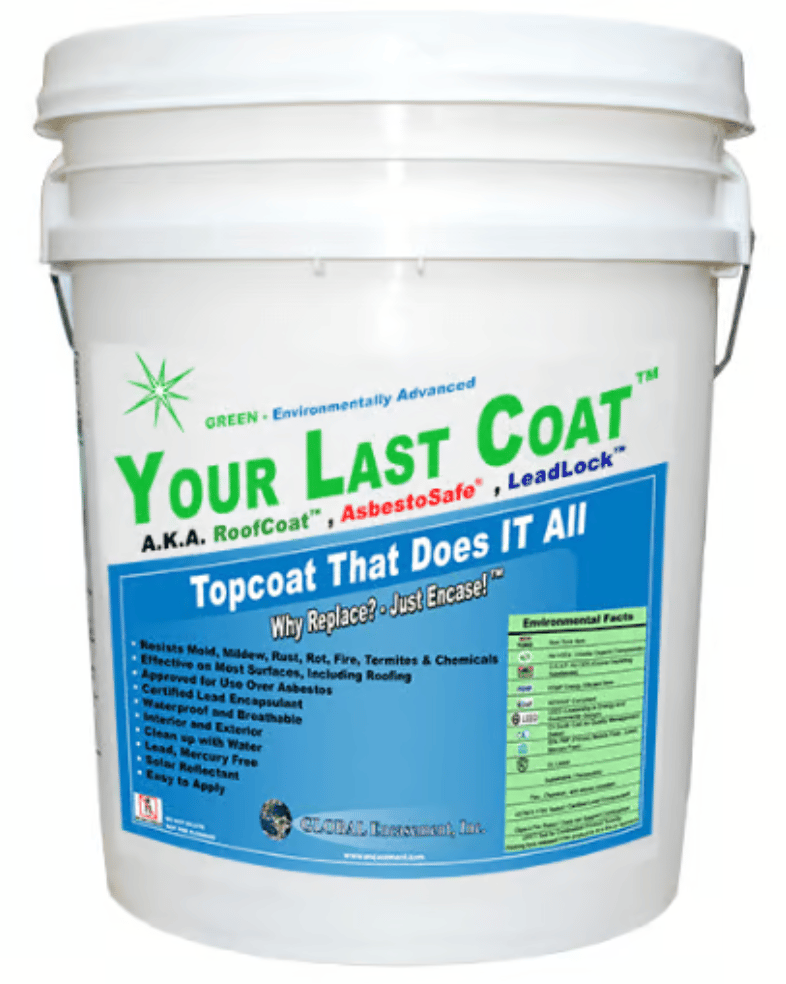
Only a proven, quality coating should be used to in-place manage hazardous materials, guaranteeing that those materials are properly controlled and can help prevent potential harmful exposure.
When using coatings to deal with the containment and in place management of hazardous materials only superior coatings that have been tested and demonstrated to hold up in extreme, exterior situations should be considered.
Also a coating that is designed to last long term – at least 20 years.
What are your questions?
We are always here to help and excited to answer them.
Contact us at +1 (800) 266-3982 , or send us an email at service@encasement.com and leave a comment below.
See other posts like this one:

Thursday, October 17, 2019
“No One is too small to make a difference.”
Tuesday, September 24, 2019
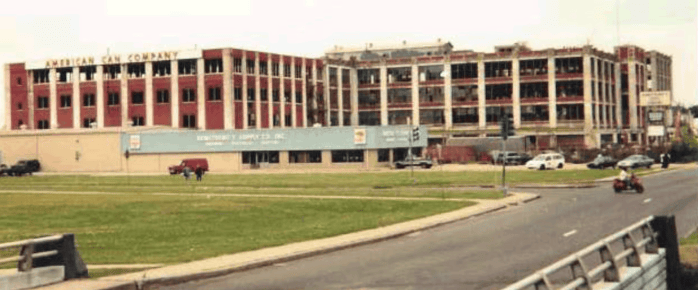
American Can Company Building transformed into soho style apartments

Tuesday, August 20, 2019
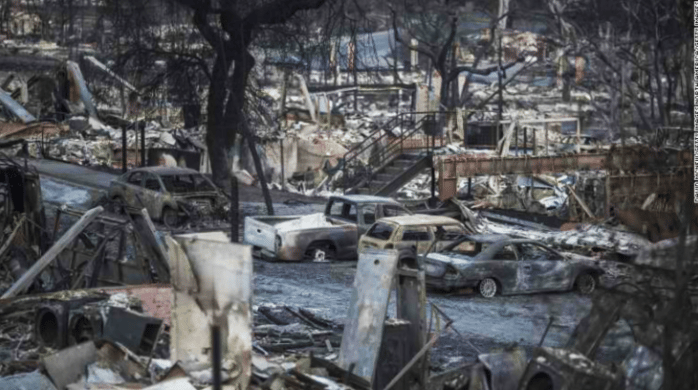
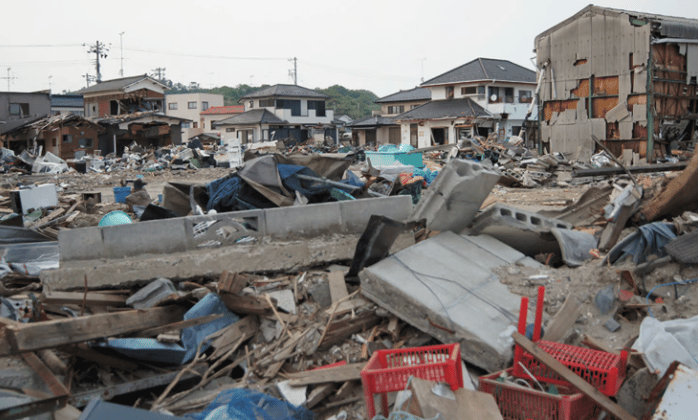
I’ve been having many discussions about the recent wildfires in California and how they pose environmental concerns after the initial threat has passed. The fallout from wildfires is immediate although much of the trouble continues when clean up starts. The cleanup can cause a whole set of concerns that can be dealt with using some simple solutions.
Thursday, August 01, 2019


Wednesday, June 26, 2019
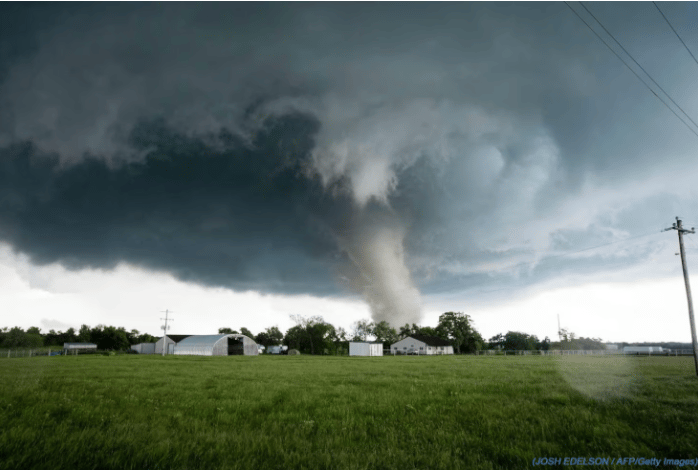
I’ve been camped out at the local hotel in Stilwell Oklahoma for the last few weeks. I was originally here to educate the Cherokee Tribe on how to safely in place manage the lead-based paint and asbestos in their buildings and housing. Also how to fortify their properties against heavy weather events and restore roofing. Things expanded from there as I came in just as the area was being hit with strong and disruptive weather.

Tuesday, May 28, 2019
Have you ever heard of Tornado cough?

Saturday, May 18, 2019
Mavis is a personal friend of mine and I’m always so impressed with the important work she, her team and foundation are doing. She is so passionate about helping others and getting information out to educate all about exposure to asbestos and associated illnesses.