
Blogs Where Nature Meets Science & Coatings
"If All the Greedy People that Pollute can get Together & Show Strength in Unity – then Honest, Environmentalists Must Do the Same. You See – It’s as Simple As That.” George C. Keefe - ENCASEMENT Guy
Blogs Where Nature Meets Science & Coatings
"If All the Greedy People that Pollute can get Together & Show Strength in Unity – then Honest, Environmentalists Must Do the Same. You See – It’s as Simple As That.” George C. Keefe - ENCASEMENT Guy
Monday, July 03, 2023
The Importance of Understanding the Heat Island Effect (HI)
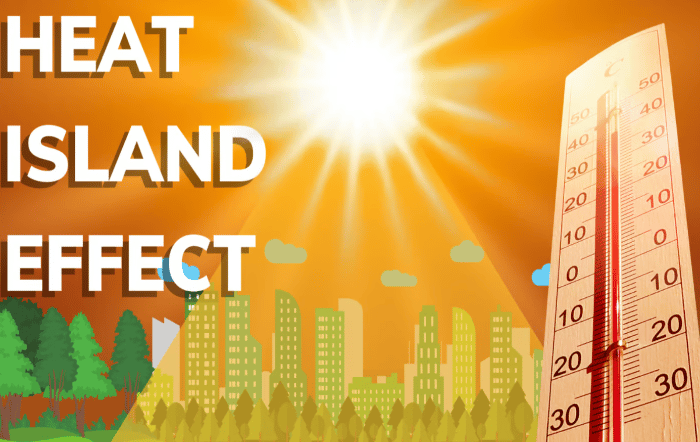
As our world becomes increasingly urbanized, the phenomenon known as the Heat Island Effect (HI) is gaining attention due to its significant environmental impact.
Heat islands are urban areas that experience significantly higher temperatures compared to their surrounding rural areas.
Understanding the causes and consequences of heat islands is crucial for developing effective strategies to mitigate their effects.
In this Blog I’ll explore the definition of heat islands, their environmental impact, the correlation between urbanization and increased temperatures, and the role of solar reflective surfaces in mitigating the heat island effect
Defining Heat Islands and Their Environmental Impact:
Heat islands refer to urban areas characterized by significantly higher temperatures than their non-urban surroundings.
The primary causes of heat islands are the replacement of natural landscapes with impervious surfaces such as asphalt and concrete, and the concentration of human activities and infrastructure in urban areas.
These surfaces absorb and retain heat, leading to elevated temperatures in urban environments.
The environmental impact of heat islands is substantial. Higher temperatures in urban areas contribute to increased energy consumption for cooling, resulting in elevated greenhouse gas emissions.
Heat islands also affect human health, as prolonged exposure to extreme heat can lead to heat-related illnesses and even mortality, particularly in vulnerable populations such as the elderly, young children and the economically disadvantaged.
Additionally, heat islands can disrupt ecosystems, altering wildlife habitats and reducing biodiversity.
Correlation Between Urbanization and Increased Temperatures:
The process of urbanization plays a significant role in exacerbating the heat island effect. As cities expand and develop, natural vegetation is replaced by buildings, roads, and parking lots.
These surfaces absorb and re-emit solar radiation, causing temperatures to rise. Furthermore, the high density of buildings and infrastructure in urban areas traps heat, preventing its dissipation and resulting in even higher temperatures.
Urban areas also face a phenomenon known as the urban heat island (UHI) effect, where the city center experiences higher temperatures compared to the surrounding suburbs.
This temperature difference is primarily due to the concentration of human activities, industrial processes, and the release of waste heat from buildings and vehicles.
The UHI effect intensifies during heatwaves, further increasing the risks associated with extreme heat.
Analyzing the Role of Solar Reflective Surfaces in Mitigating HI:
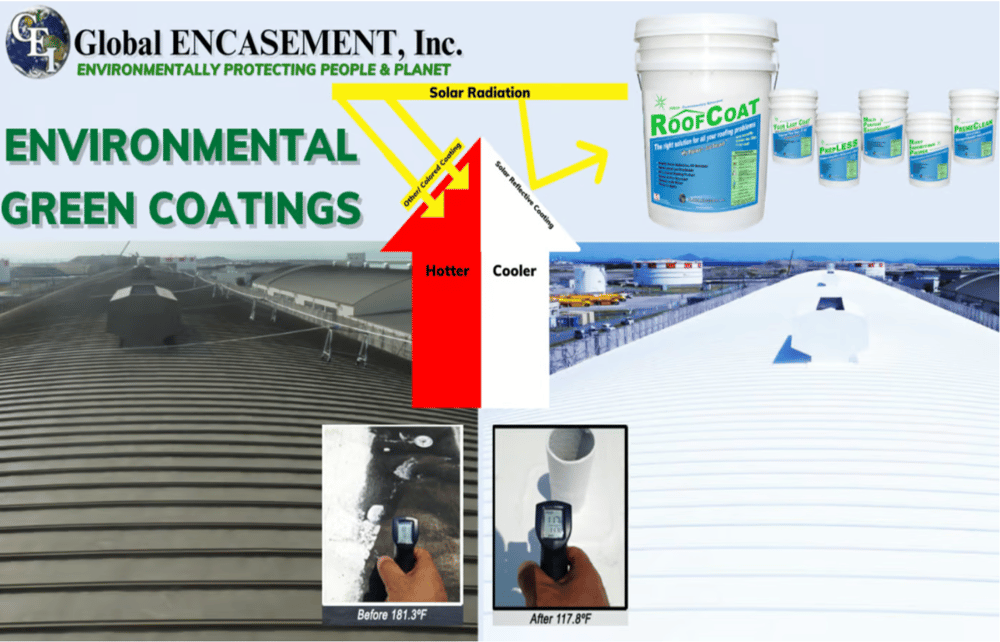
To mitigate the heat island effect, cities and urban planners are exploring various strategies, and one effective approach is the use of solar reflective surfaces.
These surfaces, often light-colored or designed with reflective properties, can help reduce the absorption of solar radiation and lower surface temperatures in urban areas.
One commonly employed solar reflective surface is cool roofing, which uses materials with high solar reflectance and thermal emittance.
Cool roofs can reflect a significant portion of solar radiation, reducing the heat absorbed by buildings and subsequently lowering indoor temperatures.
This, in turn, leads to reduced energy consumption for cooling and can improve thermal comfort within buildings.
Another strategy is the implementation of cool pavements, which employ light-colored or reflective materials for roadways and parking lots.
These surfaces minimize solar absorption and lower surface temperatures.
Solar reflection with light colored coatings on these surfaces has already been taking place on large projects such as coating the roadways in major cities like in Los Angeles, CA.
Additionally, cool pavements can enhance pedestrian comfort, reduce the risk of heat-related illnesses, and improve the overall livability of urban areas.
In recent years, green infrastructure has gained popularity as a means of combating the heat island effect.
Incorporating vegetation through green roofs, vertical gardens, and urban forests can provide shade, reduce the absorption of solar radiation, and facilitate evaporative cooling.
Green infrastructure also offers additional benefits such as improved air quality, stormwater management, and enhanced aesthetics.
Understanding the heat island effect and its implications is crucial for creating sustainable and resilient cities.
The correlation between urbanization and increased temperatures highlights the need for thoughtful urban planning and design.
By implementing solar reflective surfaces and integrating green infrastructure, cities can effectively mitigate the heat island effect, reduce energy consumption, improve public health, and enhance the overall livability of urban areas.
It is essential that policymakers, urban planners, and communities work together to address the challenges posed by heat islands and create urban environments that are adaptive to the changing climate.
In my next blog I’ll be explaining Thermal Emittance and it’s relation to solar reflective surfaces. George C. Keefe/Encasement Guy
If you find this information educational and may be helpful to others please pass it on. Also all comments are always appreciated and welcomed.
See other posts like this one:
Monday, June 26, 2023
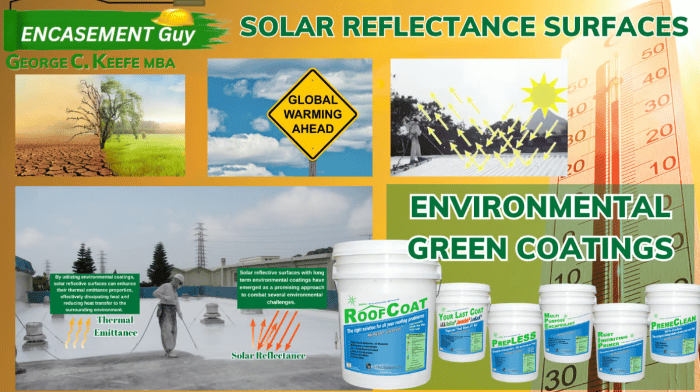
In an era where climate change and its detrimental effects are becoming increasingly evident, finding sustainable solutions is crucial.
Tuesday, May 09, 2023
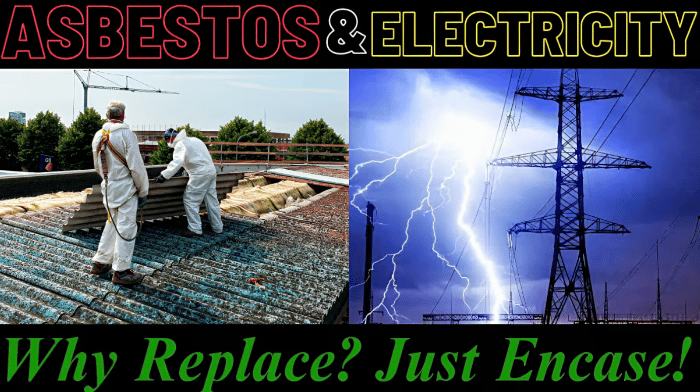
As nice as it would be to just remove all the asbestos in the world along with other things that can be hazardous -it is often not practical or necessary.

Sunday, May 07, 2023
In recent years, there has been growing recognition of the role that women can play in driving innovation and sustainable practices in the construction industry.
Friday, April 21, 2023
The world we live in is constantly changing, and unfortunately, many of these changes are harmful to our planet. Climate change, pollution, and environmental degradation are just a few of the issues that threaten our environment and the future of our planet. However, there are solutions out there.
Monday, April 17, 2023
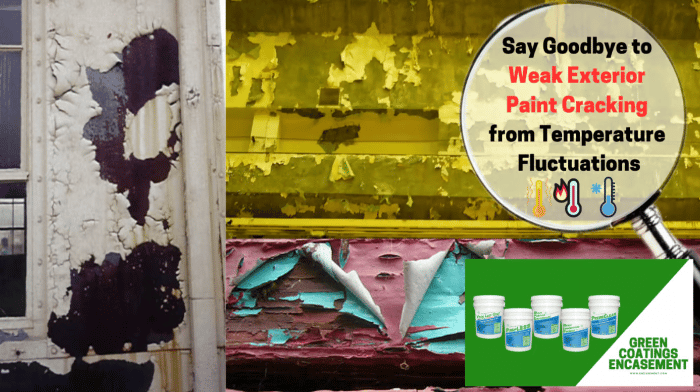
Exterior paint cracking is a common problem for many building and homeowners, particularly those who live in areas with extreme temperature fluctuations.
Monday, February 27, 2023
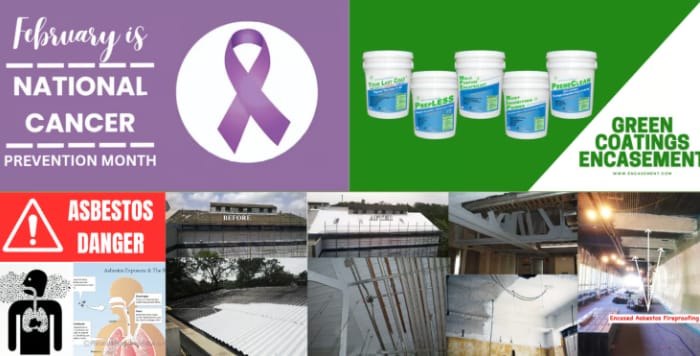
Cancer is a devastating disease that affects millions of people worldwide, making it a leading cause of death and disability. In the fight against cancer, it is crucial to not only focus on treatments and cures, but also to look at ways to prevent the disease from developing in the first place. One often overlooked aspect of cancer prevention is the role of environmental factors and exposure to toxic chemicals. Green coatings encasement is a simple yet effective solution to reduce exposure to harmful chemicals and contribute to cancer prevention.

Wednesday, February 22, 2023
Cancer Prevention Month is a time to raise awareness about the steps we can take to reduce our risk of developing cancer.

Thursday, February 16, 2023
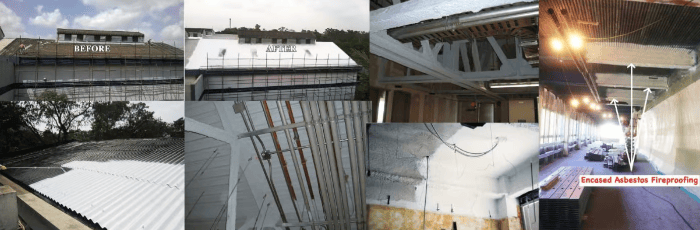
Cancer is a devastating disease that affects millions of people worldwide, making it a leading cause of death and disability. In the fight against cancer, it is crucial to not only focus on treatments and cures, but also to look at ways to prevent the disease from developing in the first place.
Monday, April 25, 2022
The three options of dealing with asbestos are removal, do nothing and the more practical, widely accepted method of in-place management. I’ll be examining the option of in-place management which is often the best choice for many projects.

Friday, April 22, 2022
The first time I heard about Earth Day was when I was in the eighth grade and my well admired and clever science teacher opened up a discussion on the cons of earth day stating it was some sort of liberal nonsense and a hoax.
Wednesday, November 17, 2021
November is Lung Cancer Awareness Month including asbestos education, so this is a good time to raise awareness about preventing unnecessary exposure to asbestos that can cause lung cancer as well as contribute to other possible health concerns.
Monday, October 25, 2021
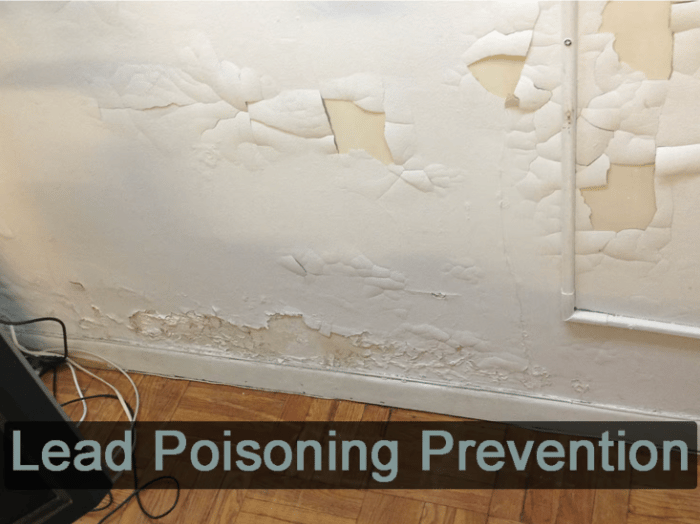
I’ve spent most of my adult life traveling and working to protect people from the exposure of solid hazardous materials such as Lead-Based Paint, Asbestos, PCBs, etc. by teaching them how to take simple steps to prevent that toxic exposure.
Friday, July 02, 2021
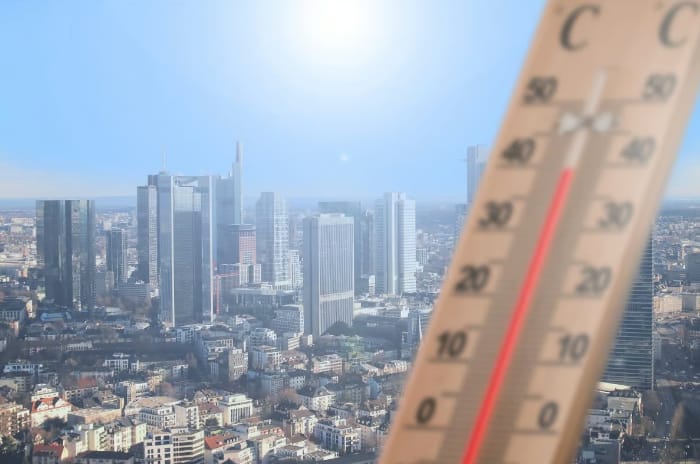
With summer comes the hottest weather around the planet and this hot weather is increasing worldwide. In the USA alone more than a 150 million people were under extreme heat threat a-crossed 30 States.
Tuesday, May 11, 2021

Tuesday, April 20, 2021
The first time I heard about Earth Day was when I was in the eighth grade and my well admired and clever science teacher opened up a discussion on the cons of earth day stating it was some sort of liberal nonsense and a hoax. This agitated most of the class. He further stirred the pot by claiming that it didn’t matter how much pollution we caused, that the planet could take care of itself. He went on to say that the oceans were so vast and deep enough that we could go on dumping in them for hundreds of years and never have a negative impact. We could continue to let industry spew out pollutants into the air and never face any consequences. He was insistent that we could deposit waste where ever and how ever we wanted and that the earth and environment would, as if by magic, absorb it all.
Monday, November 16, 2020
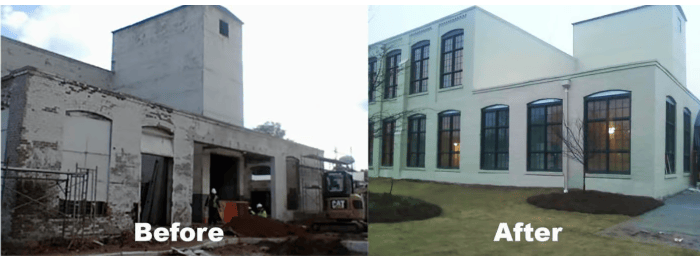
Restoration of surfaces and material is value engineering at its best especially when incorporated with best in class green products and system designs.