Blogs Where Nature Meets Science & Coatings
"If All the Greedy People that Pollute can get Together & Show Strength in Unity – then Honest, Environmentalists Must Do the Same. You See – It’s as Simple As That.” George C. Keefe - ENCASEMENT Guy
Blogs Where Nature Meets Science & Coatings
"If All the Greedy People that Pollute can get Together & Show Strength in Unity – then Honest, Environmentalists Must Do the Same. You See – It’s as Simple As That.” George C. Keefe - ENCASEMENT Guy
Monday, July 03, 2023
The Importance of Understanding the Heat Island Effect (HI)
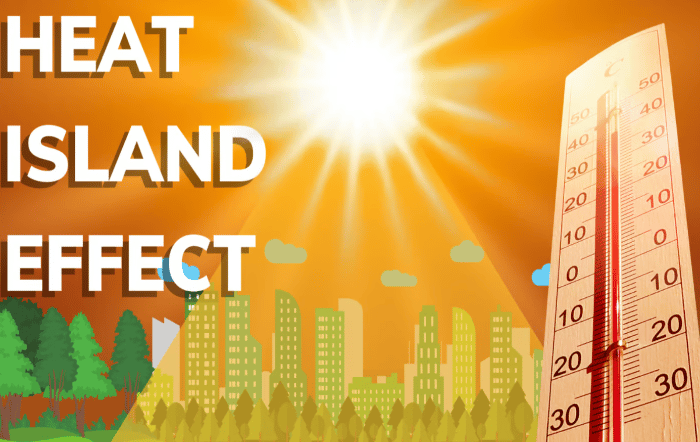
As our world becomes increasingly urbanized, the phenomenon known as the Heat Island Effect (HI) is gaining attention due to its significant environmental impact.
Heat islands are urban areas that experience significantly higher temperatures compared to their surrounding rural areas.
Understanding the causes and consequences of heat islands is crucial for developing effective strategies to mitigate their effects.
In this Blog I’ll explore the definition of heat islands, their environmental impact, the correlation between urbanization and increased temperatures, and the role of solar reflective surfaces in mitigating the heat island effect
Defining Heat Islands and Their Environmental Impact:
Heat islands refer to urban areas characterized by significantly higher temperatures than their non-urban surroundings.
The primary causes of heat islands are the replacement of natural landscapes with impervious surfaces such as asphalt and concrete, and the concentration of human activities and infrastructure in urban areas.
These surfaces absorb and retain heat, leading to elevated temperatures in urban environments.
The environmental impact of heat islands is substantial. Higher temperatures in urban areas contribute to increased energy consumption for cooling, resulting in elevated greenhouse gas emissions.
Heat islands also affect human health, as prolonged exposure to extreme heat can lead to heat-related illnesses and even mortality, particularly in vulnerable populations such as the elderly, young children and the economically disadvantaged.
Additionally, heat islands can disrupt ecosystems, altering wildlife habitats and reducing biodiversity.
Correlation Between Urbanization and Increased Temperatures:
The process of urbanization plays a significant role in exacerbating the heat island effect. As cities expand and develop, natural vegetation is replaced by buildings, roads, and parking lots.
These surfaces absorb and re-emit solar radiation, causing temperatures to rise. Furthermore, the high density of buildings and infrastructure in urban areas traps heat, preventing its dissipation and resulting in even higher temperatures.
Urban areas also face a phenomenon known as the urban heat island (UHI) effect, where the city center experiences higher temperatures compared to the surrounding suburbs.
This temperature difference is primarily due to the concentration of human activities, industrial processes, and the release of waste heat from buildings and vehicles.
The UHI effect intensifies during heatwaves, further increasing the risks associated with extreme heat.
Analyzing the Role of Solar Reflective Surfaces in Mitigating HI:
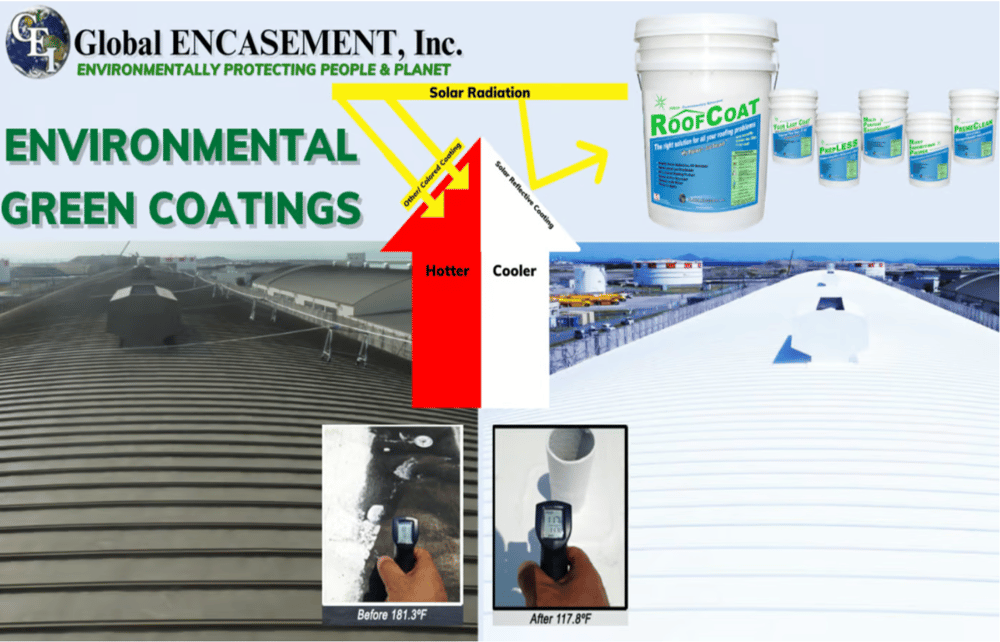
To mitigate the heat island effect, cities and urban planners are exploring various strategies, and one effective approach is the use of solar reflective surfaces.
These surfaces, often light-colored or designed with reflective properties, can help reduce the absorption of solar radiation and lower surface temperatures in urban areas.
One commonly employed solar reflective surface is cool roofing, which uses materials with high solar reflectance and thermal emittance.
Cool roofs can reflect a significant portion of solar radiation, reducing the heat absorbed by buildings and subsequently lowering indoor temperatures.
This, in turn, leads to reduced energy consumption for cooling and can improve thermal comfort within buildings.
Another strategy is the implementation of cool pavements, which employ light-colored or reflective materials for roadways and parking lots.
These surfaces minimize solar absorption and lower surface temperatures.
Solar reflection with light colored coatings on these surfaces has already been taking place on large projects such as coating the roadways in major cities like in Los Angeles, CA.
Additionally, cool pavements can enhance pedestrian comfort, reduce the risk of heat-related illnesses, and improve the overall livability of urban areas.
In recent years, green infrastructure has gained popularity as a means of combating the heat island effect.
Incorporating vegetation through green roofs, vertical gardens, and urban forests can provide shade, reduce the absorption of solar radiation, and facilitate evaporative cooling.
Green infrastructure also offers additional benefits such as improved air quality, stormwater management, and enhanced aesthetics.
Understanding the heat island effect and its implications is crucial for creating sustainable and resilient cities.
The correlation between urbanization and increased temperatures highlights the need for thoughtful urban planning and design.
By implementing solar reflective surfaces and integrating green infrastructure, cities can effectively mitigate the heat island effect, reduce energy consumption, improve public health, and enhance the overall livability of urban areas.
It is essential that policymakers, urban planners, and communities work together to address the challenges posed by heat islands and create urban environments that are adaptive to the changing climate.
In my next blog I’ll be explaining Thermal Emittance and it’s relation to solar reflective surfaces. George C. Keefe/Encasement Guy
If you find this information educational and may be helpful to others please pass it on. Also all comments are always appreciated and welcomed.
See other posts like this one:
Tuesday, September 01, 2020
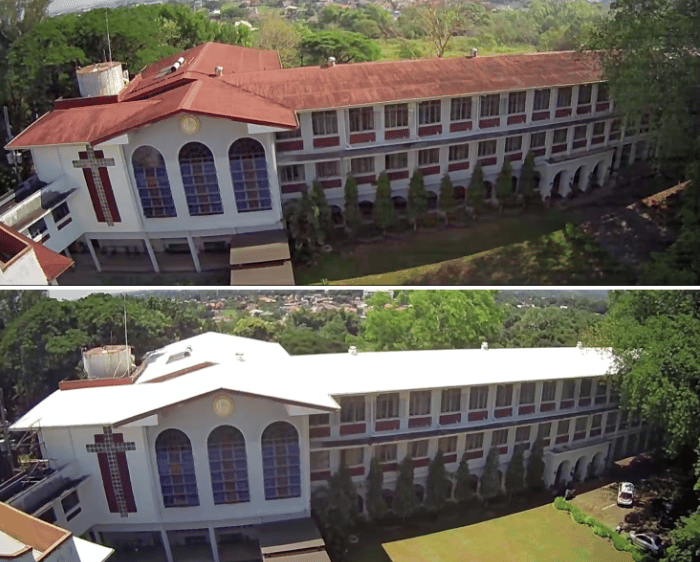
As weather becomes extremely unpredictable around the world, there is an urgent need to strengthen those places that protect us and our contents from harsh, rapidly changing climates.
Thursday, July 30, 2020
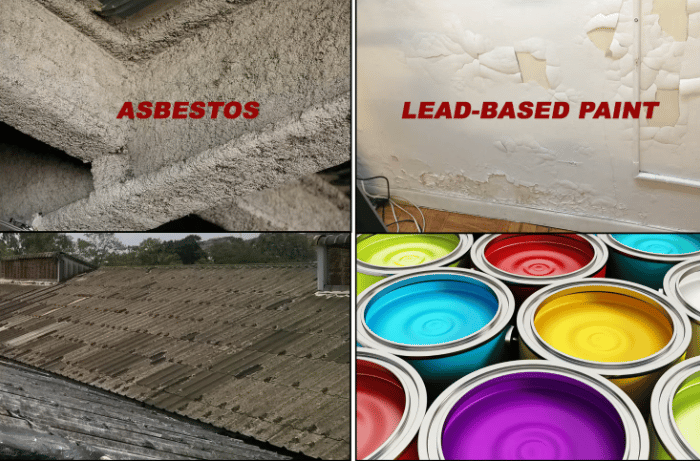
Asbestos and lead-based paint – you know them well. They lurk in older schools, housing complexes, military installations and other buildings, waiting silently to inflict disease and sometimes death on their occupants. Today, asbestos-containing materials (ACM) are found in over 700,000 buildings in the United States, and loose, flaking, or peeling lead-based paint (LBP) is present in more than 72 million United States homes, schools, and other buildings constructed before 1978.
Tuesday, May 12, 2020
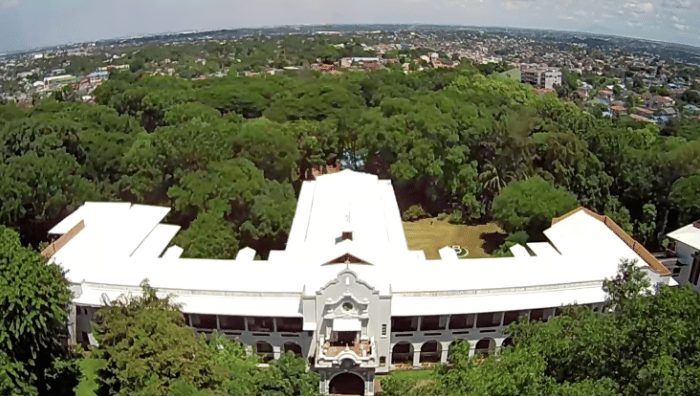
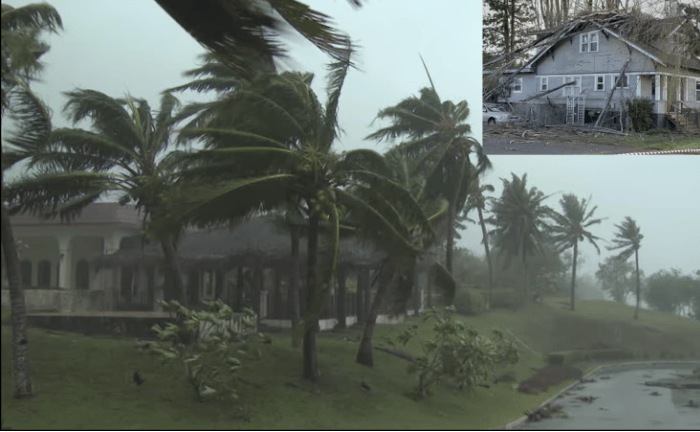
Every year damaging winds accompany hurricanes, typhoons and other strong wind events that leave a trail of destruction. Building and home owners are left with devastating huge building repairs and replacement costs. Some of these buildings can be salvaged and made stronger, defending against the next storm. Others are a complete write-off. It’s not unusual in all the destruction to see a building or house left standing with its roof and walls intact. This is usually a structure that is wind-resistant and better prepared to defend against a strong weather onslaught.

Wednesday, April 22, 2020
The first time I heard about Earth Day was when I was in the eighth grade and my well admired and clever science teacher opened up a discussion on the cons of earth day stating it was some sort of liberal nonsense and a hoax. This agitated most of the class.
Tuesday, April 14, 2020
Sustainable architecture is all about making sure that the buildings we get to live and work in do not have a negative impact on the environment.

Wednesday, March 25, 2020
I think we all agree that it’s so important to minimize the spread of germs. That is one of the most significant and preventative measures we can take.

Thursday, March 19, 2020
Do You Know Why the Right Protective Green Coating Resembles our Largest Organ? The right protective coating can protect all parts of a building just like the skin protects all parts of a body. Both are the first line of defense and without them both our bodies and buildings would be naked eventually causing a complete breakdown. Our largest organ, the skin on the outside of our bodies protects our muscles, organs, bones and brain from infections, sunlight, temperature extremes and other threats. The same is true with the right coating that covers the outside of a building protecting occupants and the structure itself. It prevents the deterioration of interior building components such as heating and cooling apparatus, plumbing, electric and furnishings.

Wednesday, February 19, 2020
The true cost of a paint or coating is not just the price per gallon/liter. There are direct and indirect costs to consider.
Monday, February 03, 2020
As I travel and work internationally, I encounter different aspects and opinions on asbestos. It has a long background of use in all types of situations and still widely used in building materials. To date, it is still mined and incorporated into many products in several countries. It is controversial at best. My goal is always to try and enlighten and not frighten about some of its uses and misconceptions. The fact is that as much as it is opposed and even outlawed in some parts of the world, it is still mined, exported and used in many others.
Friday, January 03, 2020
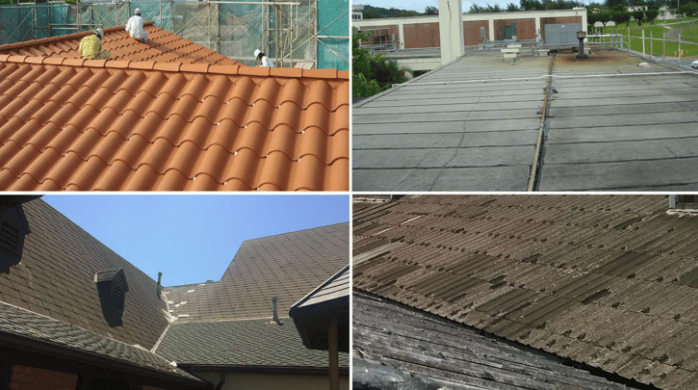
As I’ve studied the issues of what building components are the main culprits of polluting our environment of both soil and water along with generating the most waste, I’ve found that roofing can be a leading offender. This also includes air pollution if the roofing contains asbestos. Asbestos is a large content of many roofs and wall surfaces worldwide and its microscopic fibers are continually released into the environment as it breaks down.
Thursday, December 12, 2019
As I travel internationally and educate many on how to simply deal with solid hazardous materials and safely contain them with green coatings I’m always amazed how differently countries look at situations with building products and how to handle them.
Friday, November 29, 2019
Asbestos – The three options when addressing asbestos in building materials are: first, full blown removal; second, do nothing and leave it alone; and the third, in-place management.