Blogs Where Nature Meets Science & Coatings
"If All the Greedy People that Pollute can get Together & Show Strength in Unity – then Honest, Environmentalists Must Do the Same. You See – It’s as Simple As That.” George C. Keefe - ENCASEMENT Guy
Blogs Where Nature Meets Science & Coatings
"If All the Greedy People that Pollute can get Together & Show Strength in Unity – then Honest, Environmentalists Must Do the Same. You See – It’s as Simple As That.” George C. Keefe - ENCASEMENT Guy
Tuesday, February 10, 2026

By: George Keefe
"If all the greedy polluters can band together to protect their interests, then honest environmentalists must do the same. It's as simple as that.
Listen and Learn: Dive into the Audio Version of Our Blog
Every day, construction dumpsters overflow with perfectly salvageable materials—wood, metals, concrete, insulation—all destined for landfills.
This isn't just waste; it's a crisis quietly accelerating climate change while we watch.
The building industry's remove-and-replace cycle has become an environmental time bomb, and we're running out of time to defuse it.
The Problem We Can No Longer Ignore
The construction and demolition sector generates over 600 million tons of waste annually in the United States alone.
When we tear out functional kitchens, replace adequate flooring, or demolish buildings that could be renovated, we're not just discarding materials—we're perpetuating a vicious cycle that's heating our planet at an alarming rate.
Every replaced window, ripped-out cabinet, and demolished wall represents embodied carbon that was already invested in manufacturing, transportation, and installation.
That carbon sacrifice becomes meaningless when these materials end up in landfills, releasing methane as they decompose and demanding new resources to manufacture replacements.
The environmental mathematics are staggering.
Producing new construction materials accounts for approximately 11% of global carbon emissions.
Cement production alone contributes 8% of worldwide CO2 emissions.
Meanwhile, our landfills are choking on construction debris that could have served decades longer.
We're essentially mining virgin materials, burning fossil fuels to process them, then discarding the results after a fraction of their useful life—only to repeat the cycle again and again.
Solutions Within Our Reach
The empowering truth is that we already possess the solutions to break this destructive pattern.
Adaptive reuse and renovation can reduce carbon emissions by up to 75% compared to new construction.
By choosing to restore rather than replace, we preserve the embodied energy already invested in existing materials while dramatically reducing demand for carbon-intensive new production.
Circular economy principles are revolutionizing how forward-thinking builders approach projects.
Material reclamation, where components are carefully deconstructed and repurposed, keeps valuable resources in circulation.
Modular design allows buildings to evolve without wholesale demolition. Even simple choices—refinishing instead of replacing, repairing instead of discarding—create ripple effects that reduce our collective carbon footprint.
Technology is also emerging as a powerful ally.
Digital material passports track building components, making salvage and reuse systematic rather than accidental.
Innovative companies are transforming construction waste into new building materials, closing the loop on what was once considered garbage.
The Results We Can Achieve Together
When we commit to ending the remove-and-replace mentality, the results transform entire communities.
Buildings that honor their existing structure while upgrading performance become showcases of sustainable innovation.
Carbon emissions plummet.
Landfills receive less waste.
Local economies benefit from restoration jobs that require skilled craftsmanship rather than demolition labor.
Most importantly, we reclaim agency in the fight against climate change.
Every renovation chosen over replacement, every material salvaged instead of dumped, represents a tangible victory.
These aren't abstract environmental gestures—they're powerful actions that immediately reduce the building industry's contribution to global warming.
The remove-and-replace cycle isn't inevitable; it's a choice.
And today, right now, we can choose differently.
Our buildings, our planet, and future generations are depending on us to make the sustainable choice before we lose the opportunity to reverse course.
"The Buildings we choose to Save today determine the world we live in tomorrow." Jane Jacobs, Urbanist & Author.
See other posts like this one:



Friday, November 16, 2018
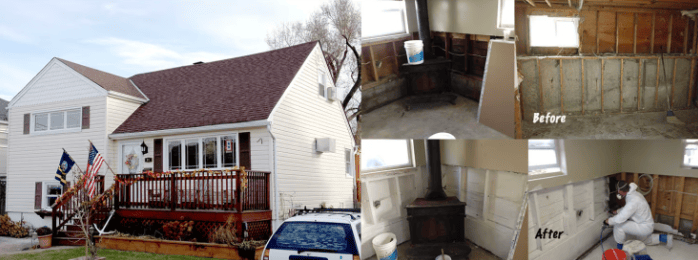
November is Lung Cancer Awareness Month including asbestos education, so this is a good time to raise awareness about preventing unnecessary exposure to asbestos that can cause lung cancer as well as contribute to other possible health concerns.


Wednesday, October 10, 2018
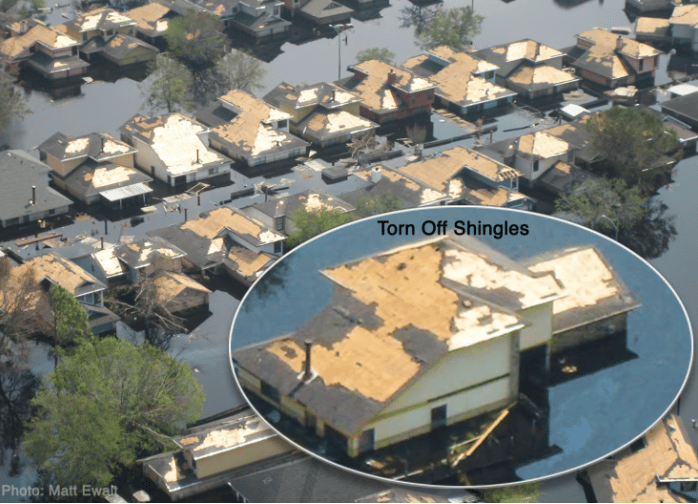
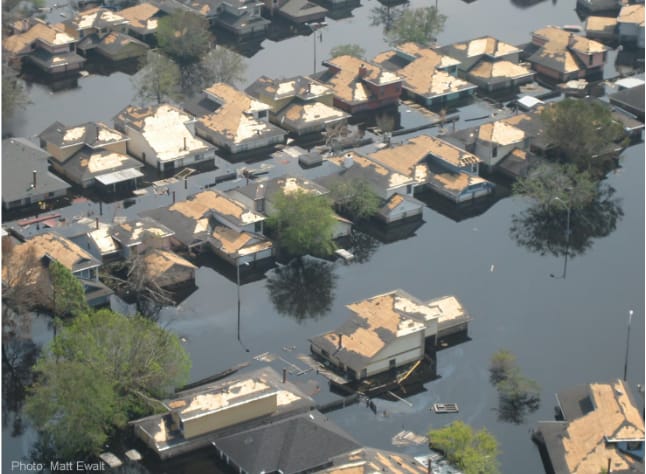
Short of moving your building or raising it up above flooding, the best approach to take to reduce storm, flooding and natural disaster losses is to simply use a proven coating to wind and waterproofthe surfaces in the path of destruction.

Tuesday, September 18, 2018
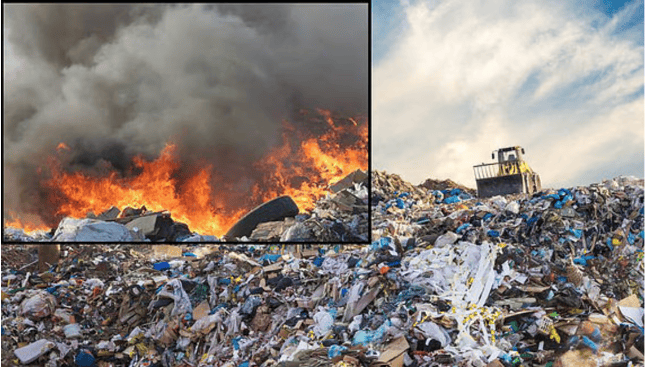
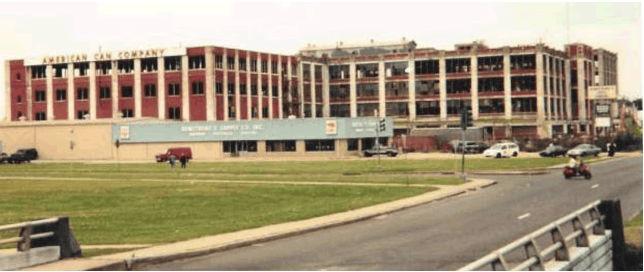
We recently passed the anniversary of 9-11-2001 tragedy of the attack on the Twin Towers in New York. I wanted to remind everyone that the effects of that fateful day are still being felt and especially by some of the heroes that were affected by the initial exposure and then the secondary exposure that took place during the cleanup. Some of those exposed were firefighters, police officers, EMTs (Emergency Medical Technician), construction workers, transit workers, cleanup workers, debris removal crews, truck drivers, nearby office workers, and Lower Manhattan residents.
Tuesday, August 21, 2018
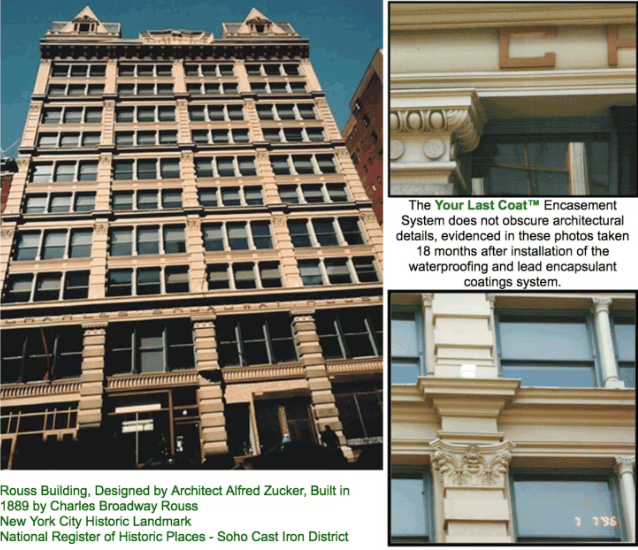
I discussed in a recent blog the importance of keeping the aesthetics of a historic building intact. Making sure that the look and overall presentation on a structure is preserved is very significant. This is especially true with landmark properties that have prominent and distinct features. Preservation can become very difficult when it entails obsolete building materials that contain hazardous materials that are typically removed and replaced. Three of the most common of hazardous materials is lead-based paint, asbestos and PCBs. In the USA, lead was used in paints up until 1978. It then was banned for its negative health effects, especially with children in their developing stages. PCBs, or polychlorinated biphenyls, were banned from paints, caulking and surface coatings in 1979 and asbestos was banned in 1974. All these bans were due to the negative health and environmental effects of these products.

Tuesday, July 17, 2018
Lead Paint Poisoning is Preventable Through Education and Action